
To find the ideal DIY diamond painting kits in Singapore, buyers must look beyond the cover image and evaluate the physical components: drill uniformity, canvas print clarity, adhesive type, and tool completeness. While budget kits on online marketplaces offer an accessible entry point, premium kits provide the precision and licensing necessary for large-scale, display-worthy wall art.
Core Quality Markers in DIY Diamond Painting Kits
When selecting a DIY diamond painting kit, the physical components directly dictate both the enjoyment of the crafting process and the visual appeal of the finished wall decor. The first critical marker is drill consistency. Drills, also known as resins or rhinestones, must be uniform in size and shape. In lower-quality kits, you will often find “trash” drills—pieces with air bubbles, uneven bottoms, or mismatched sizes that prevent them from sitting flush on the canvas. Precise faceting is equally important; drills typically feature 13 to 26 facets that reflect light. When these facets are cut cleanly, the finished painting catches ambient light beautifully, making it a dynamic addition to your home decor. Furthermore, the colors must align accurately with standard DMC color charts to ensure the shaded areas of the image transition smoothly without jarring color blocks.
Canvas clarity is the second pillar of a high-quality kit. Because diamond painting requires hours of focused attention, the symbols printed on the canvas must be incredibly sharp and easy to read. High-resolution printing prevents eye strain, especially when working on complex designs with similar symbols in close proximity. Additionally, the grid alignment must be precise. If the grid lines are slightly off, square drills will not fit together cleanly, leading to a warped final image where drills pop off the canvas due to overcrowding.
Products mentioned in this guide




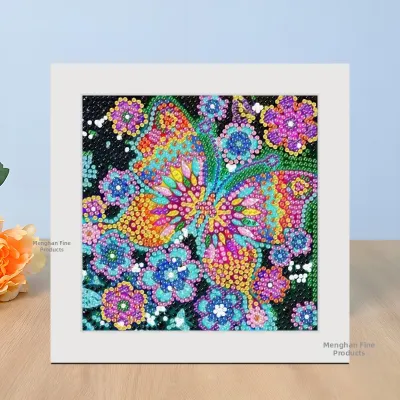
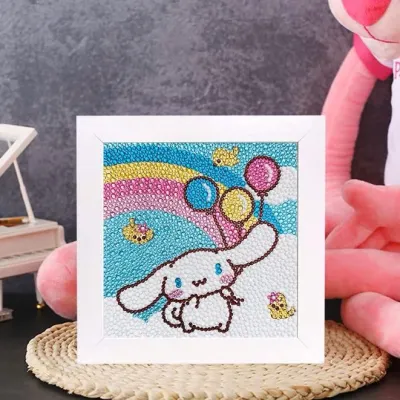
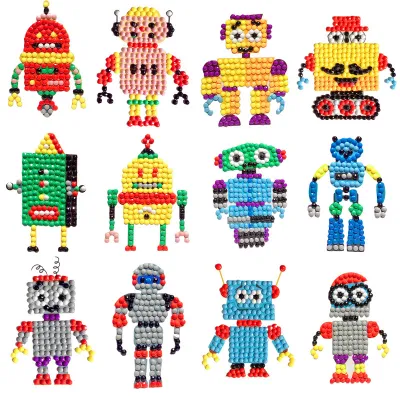
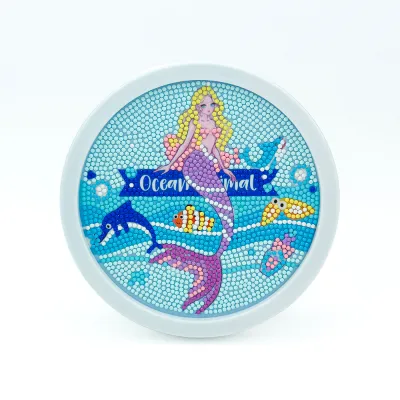
Prices are valid at publication and may change. Please refer to the product page for the latest price.
The third marker is the adhesive strength and type used to secure the drills. Premium kits typically utilize poured glue, a liquid adhesive that is cured slowly to create a clear, highly sticky layer. Poured glue is incredibly forgiving; if you place a drill incorrectly, you can easily slide it into the correct position without losing adhesive strength. In contrast, budget kits often use double-sided adhesive tape. While functional, double-sided tape is prone to trapping air bubbles, lifting from the canvas, and losing its stickiness if exposed to air for too long. It is also crucial to check that the adhesive extends fully to the edges of the printed design, as dry borders can cause the perimeter drills to fall off over time.
Evaluating Accessory Completeness and Tool Quality
The tools included in a DIY diamond painting kit can make the difference between a seamless crafting experience and a frustrating ordeal. Standard kits usually provide a basic pink applicator pen, a small square of wax, and a simple green plastic tray. While these tools are sufficient for small, beginner-friendly projects, they can slow down your progress on larger canvases. Upgraded kits often feature ergonomic pens with foam grips to reduce hand fatigue during long sessions, along with multi-placer tips that allow you to place three, six, or even ten drills simultaneously in areas with solid color blocks.

The quality of the wax and sorting trays also warrants close inspection. The wax must have the correct consistency—sticky enough to pick up drills from the tray, but firm enough that it does not leave a messy residue on the facets of the drills. Sturdier, larger sorting trays with high ridges and a convenient pour spout make it much easier to align the drills in neat rows, preventing accidental spills. Flimsy trays often warp, causing the drills to jump out of their grooves when shaken gently.
Finally, a complete kit should include thoughtful organization components. Look for listings that provide resealable zip-top baggies or a dedicated storage container for organizing the drills once the original packaging is opened. High-quality kits will also include a detailed inventory sheet listing all DMC color codes and the exact quantity of drills provided. A clear, thick protective film over the canvas is another essential component, as it shields the adhesive from dust, pet hair, and lint while you work on individual sections.
Navigating E-Commerce Listings to Verify Brand Claims
Finding a reliable DIY diamond painting kit on online marketplaces requires a critical eye, as product listings can often be misleading. When browsing e-commerce platforms in Singapore, do not rely solely on overall star ratings. Instead, dive deep into the user reviews and look for photo evidence uploaded by previous buyers. These real-world images reveal the actual print quality of the canvas, the true colors of the drills, and whether the canvas arrived with severe creases that could ruin the adhesive. Reviews also highlight common issues like severe drill shortages or symbols that are virtually indistinguishable from one another.
Always verify the seller’s specifications regarding canvas dimensions and drill types. Many budget listings advertise a standard size, such as 40×50 cm, but this measurement often includes the unprinted white border of the canvas. The actual picture size might be significantly smaller, resulting in a less detailed finished piece. Additionally, confirm whether the kit uses round or square drills. Round drills are easier to pick up and place, making them ideal for beginners, but they leave tiny gaps of canvas visible. Square drills require precise alignment to fit perfectly edge-to-edge, creating a fuller, more mosaic-like finish that is highly prized for detailed wall art.
Be cautious of listings that display digital renders of the artwork rather than photos of the completed diamond painting. Digital images always look very smooth and detailed, but the physical translation into plastic drills can look pixelated if the canvas size is too small for the complexity of the design. Furthermore, look for licensing information if the kit features copyrighted artwork. Reputable brands license their designs from the original artists, ensuring that the canvas rendering is optimized for diamond painting and that the colors are accurately matched to the artist’s original vision.
Decision Framework: Matching Kits to Your Budget and Skill Level
Choosing the right DIY diamond painting kit depends on your experience level, budget, and how you plan to display the finished piece. If you are a beginner testing the hobby, budget-friendly generic kits from online marketplaces are an excellent, low-risk option. These kits typically cost under S$15 and offer smaller designs that can be completed quickly. While the tools are basic and the drill quality may vary, they provide a practical way to learn the basic techniques without a significant financial commitment.
For dedicated hobbyists or those looking to create a stunning piece of wall decor for their home, investing in premium or licensed brands is highly recommended. These kits offer high-resolution canvas printing, exact color matching, and high-quality poured glue that ensures the drills remain secure for years. Premium kits also feature larger canvas sizes, which are necessary to capture the intricate details of complex designs. The included tools are typically ergonomic and durable, eliminating the need to purchase separate aftermarket accessories.
Before finalizing any purchase, run a quick verification check on the listing. Ensure the seller explicitly states the exact printed image dimensions rather than just the canvas size. Check the return and refund policies to see if they offer replacements for missing drills, as running out of a specific color mid-project is a common issue. Finally, look for sellers with responsive customer support who can quickly resolve any issues with damaged canvases or incomplete toolsets.
Frequently Asked Questions (FAQ)
How do I fix a diamond painting canvas that arrives creased or folded?
To flatten a creased canvas, lay it completely flat on a clean, hard surface and place several heavy, flat objects—such as large books or heavy boxes—on top of it for 24 to 48 hours. If the canvas has stubborn wrinkles, you can gently peel back the protective film covering the adhesive to release any trapped air, then smooth the film back down with a ruler or credit card. For persistent creases, placing the canvas under a mattress or in a warm room can help soften the canvas fibers and adhesive, allowing it to flatten more easily. Never apply direct heat from an iron to the canvas, as this can melt the adhesive layer or damage the printed symbols.
What should I do if my kit is missing specific drill colors?
If you discover that your kit is missing a specific drill color, first check the included inventory list and search through all the spare drill baggies, as some colors may be packaged together. If the color is indeed missing, contact the seller or brand support immediately, providing them with the specific DMC color code and your order details to request a replacement pack. While waiting for the replacement to arrive, you can work on other sections of the canvas or use leftover drills of the same DMC code from previous projects. Alternatively, you can purchase inexpensive individual drill packs from online craft suppliers to complete your artwork without delay.
Community discussion
Share your experience or ask a question. Comments are reviewed before publication.