
When evaluating how Dycorra LED lights compare to other popular lighting brands in Singapore, the answer lies in a direct, side-by-side comparison of the technical specifications printed on their packaging. Energy efficiency in modern lighting is not a matter of brand prestige; it is a measurable calculation of light output relative to power consumption. To determine whether a Dycorra bulb or an alternative brand will deliver greater savings on your monthly SP Group utility bill, you must look closely at key performance indicators such as luminous efficacy, power factor, and driver design.
In Singapore’s tropical climate, where ambient indoor temperatures can remain high throughout the year, the efficiency of an LED bulb is closely tied to how well its internal components manage heat. A bulb that operates efficiently on paper may degrade quickly or consume more power than expected if installed in an unsuitable fixture or paired with an incompatible dimmer. By understanding how to read and verify the standardized labels on these products, you can make an informed decision that balances upfront costs in S$ with long-term energy savings.
Key Energy Efficiency Metrics to Check Before Buying
To objectively compare Dycorra LEDs against other brands, you must look past marketing terms and focus on standardized technical metrics. The most critical metric for energy efficiency is luminous efficacy, which is measured in lumens per watt (lm/W). Lumens represent the total amount of visible light emitted by the bulb, while watts measure the electrical power consumed. To find the efficacy, divide the total lumen output by the actual wattage. When comparing brands, the bulb with the higher lumens-per-watt rating is the more energy-efficient option, regardless of any promotional claims on the box.
Products mentioned in this guide
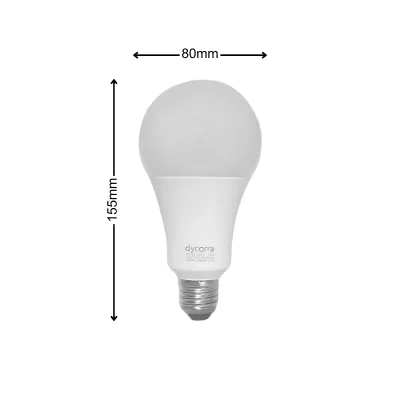
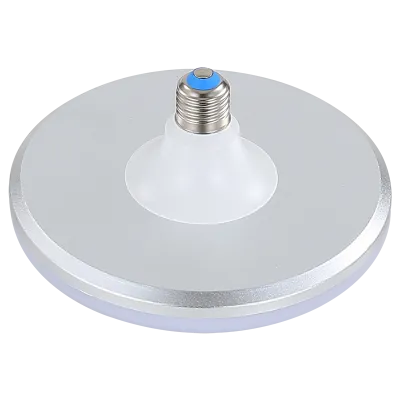
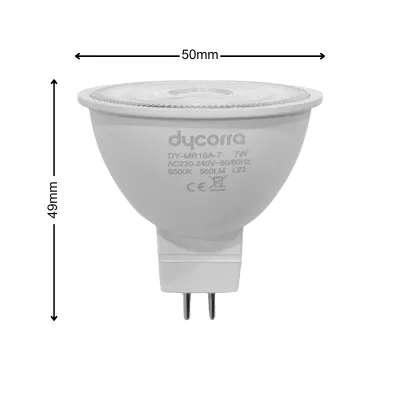
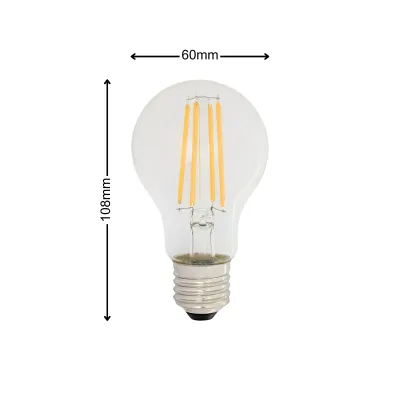
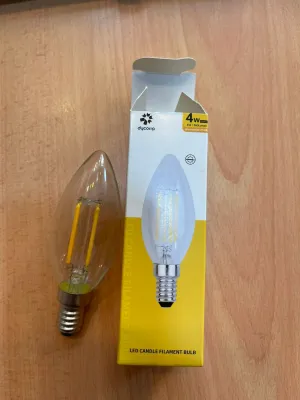
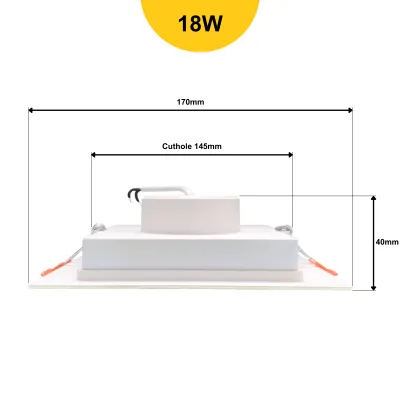
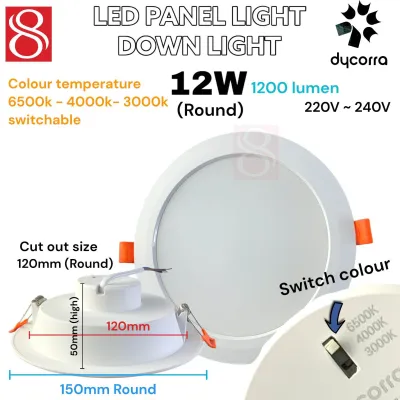
Prices are valid at publication and may change. Please refer to the product page for the latest price.
It is also vital to distinguish between actual wattage consumed and the marketed equivalent wattage. Many manufacturers prominently display equivalent ratings, such as “60W Equivalent,” to help consumers transition from legacy incandescent bulbs. However, this equivalent rating is merely a guide for brightness, not energy consumption. The actual power drawn by the LED—usually printed in smaller text as “Actual Power” or simply “Watts”—is the only number that determines your electricity costs. When comparing Dycorra to other brands, always use the actual wattage for your calculations rather than the equivalent rating.
Another often-overlooked metric is the power factor (PF), which measures how effectively the bulb’s internal driver converts incoming alternating current into usable direct current for the LED chips. A power factor ranges from 0.0 to 1.0, with 1.0 representing perfect efficiency. High-quality LED bulbs typically feature a power factor of 0.7 or higher, while cheaper, less sophisticated drivers may have a power factor as low as 0.5. While residential electricity meters in Singapore charge based on real power rather than apparent power, a low power factor indicates a less efficient driver design that generates more internal heat, potentially shortening the lifespan of the bulb.
Finally, you should familiarize yourself with standardized energy rating labels and packaging claims. In Singapore, the National Environment Agency regulates energy labeling for various household appliances to help consumers identify efficient products. While not all individual light bulb categories carry the mandatory tick-rating labels common to larger appliances, reputable brands will always provide clear, standardized tables on their packaging detailing lumen output, color temperature, and power consumption. Comparing these standardized tables directly is the most reliable way to verify efficiency claims before making a purchase.
Comparing Dycorra and Competitor Specifications
When shopping for LED bulbs at local hardware stores or browsing online marketplaces, you should locate the standardized technical specifications panel on the product packaging. This panel, often styled as a “Lighting Facts” label, provides the verified data needed for an accurate comparison. If this information is missing from a brand’s packaging or online product listing, it is highly advisable to choose an alternative brand that provides full transparency.

Beyond initial energy consumption, long-term efficiency depends on how well a bulb maintains its light output over time. This is known as lumen maintenance, often designated by an L70 rating. The L70 rating indicates the number of operating hours after which the bulb’s light output is expected to drop to 70% of its original brightness. For instance, a bulb rated for 15,000 hours at L70 will remain brighter for longer than a bulb rated for only 10,000 hours. When comparing Dycorra with other brands, check the claimed lifespan and the associated warranty terms. A longer warranty often reflects the manufacturer’s confidence in the durability of the internal driver, which is the component most prone to premature failure.
For those considering smart or Wi-Fi-enabled LED variants, standby power draw is a crucial factor to verify. Unlike standard LEDs that consume zero power when switched off, smart bulbs must maintain a continuous wireless connection to your home network. This means they draw a small amount of electricity even when the light is turned off via an app or voice command. When comparing smart bulbs from Dycorra and other brands, look for the standby power specification, which should ideally be below 0.5 watts. Over a year, a high standby draw across multiple bulbs can quietly erode the energy savings achieved during active use.
Lastly, always verify that the bulbs carry recognized electrical safety and performance testing marks. In Singapore, controlled electrical items must carry the Safety Mark, which indicates that the product has been tested and certified to meet local safety standards. Using uncertified bulbs not only poses a fire and electrical hazard but can also lead to inefficient power consumption due to poorly regulated internal circuitry. Before purchasing any Dycorra or competitor bulb, inspect the packaging or the bulb housing itself for this essential safety certification.
Real-World Conditions That Impact Actual Energy Savings
The theoretical efficiency printed on an LED bulb’s packaging can vary significantly once installed in your home. One of the most common factors affecting real-world performance is heat dissipation. LED chips and their drivers are highly sensitive to heat. If you install an LED bulb in an enclosed fixture, a recessed ceiling downlight, or a tight glass globe, heat can build up rapidly around the base of the bulb. In Singapore’s warm climate, this lack of ventilation can cause the internal driver to overheat, leading to a drop in efficiency, color shifting, or premature failure. Always check the bulb packaging to confirm if it is rated for use in enclosed fixtures.
Dimmer switch compatibility is another critical variable that influences both energy consumption and performance. If you install an LED bulb on a circuit controlled by an older dimmer switch designed for incandescent bulbs, you are likely to encounter issues such as flickering, buzzing, or a limited dimming range. This incompatibility occurs because legacy dimmers cut the electrical current in a way that modern LED drivers cannot process smoothly. This can cause the driver to operate inefficiently or fail entirely. To ensure optimal energy savings and smooth operation, verify that the LED bulb is explicitly labeled as dimmable and pair it with a compatible trailing-edge dimmer switch.
Voltage fluctuations within your home’s electrical system can also impact the efficiency and lifespan of your lighting. While modern LED drivers are designed to handle minor variations in voltage, persistent fluctuations can strain the internal components. This is particularly relevant in older residential estates where the electrical infrastructure may experience minor stability issues. A high-quality driver will regulate the current flowing to the LED chips smoothly, maintaining consistent brightness and efficiency even when the input voltage varies slightly.
For complex installations, high-ceiling setups, or damp environments such as bathrooms and outdoor balconies, DIY installation can introduce safety risks and performance issues. Moisture can easily penetrate standard LED bulbs, causing short circuits, corrosion, and rapid driver failure. If your installation involves fixed wiring, integration with high-load home automation systems, or placement in wet zones, you should stop and consult a licensed electrical worker in Singapore. A professional can ensure that the fixtures are properly sealed, grounded, and compatible with your chosen LED bulbs.
Decision Framework: Which Brand Fits Your Setup?
To choose the right LED bulb for your home, you can use a structured decision framework based on your specific installation environment, budget, and feature requirements.
First, consider Dycorra if the technical specifications on their packaging meet your target lumens-per-watt requirements and the upfront cost in S$ aligns with your household budget. If you are replacing standard bulbs in open, well-ventilated fixtures—such as pendant lights, table lamps, or track lighting—and do not require advanced smart home features, a high-efficacy standard LED from Dycorra can provide excellent energy savings at a competitive price point.
Second, opt for established alternative brands if your setup requires specialized smart home ecosystem integration or highly specific dimming profiles. If you rely on platforms like Google Home or Zigbee-based hubs for automated energy management, or if you require ultra-smooth dimming down to 1% brightness without flickering, you should verify if the Dycorra bulb explicitly supports these protocols. If the packaging does not list these certifications or compatibility profiles, an established smart lighting brand with a proven track record in ecosystem integration will be the more reliable choice.
Third, always verify the physical and environmental constraints of your fixture before making a purchase. If the bulb is destined for an enclosed ceiling fixture, a damp bathroom, or an outdoor balcony exposed to the elements, you must confirm that the specific model you choose—whether from Dycorra or a competitor—is rated for enclosed or damp locations. Installing a standard indoor bulb in these environments will lead to rapid degradation, negating any theoretical energy savings.
Finally, recognize that neither brand may perform efficiently if your home’s existing electrical infrastructure is fundamentally incompatible with modern LED technology. If your fixtures utilize old magnetic transformers, legacy low-voltage halogen tracks, or incompatible dimmer switches, even the most efficient LED bulb will struggle to perform correctly. In these scenarios, the most effective path to energy savings is to upgrade the underlying transformers or switches to LED-compatible models before selecting your bulbs.
Frequently Asked Questions (FAQ)
Do Smart LED Bulbs Consume More Electricity Than Standard LEDs?
Yes, smart LED bulbs consume slightly more electricity than standard LEDs because they require a continuous supply of power to maintain their wireless connection. This is known as standby power draw or vampire draw. While a standard LED bulb consumes absolutely zero electricity when the wall switch is turned off, a smart bulb must remain in a low-power standby mode so it can respond to commands from your smartphone, voice assistant, or automation schedules.
However, this standby power draw is typically very low, usually ranging between 0.2 and 0.5 watts per bulb. In the context of a typical household energy budget in Singapore, the cost of this standby power is negligible, amounting to only a few cents per bulb each month. Furthermore, the smart features of these bulbs—such as automatic scheduling, motion-sensing integration, and remote dimming—can often lead to net energy savings by ensuring that lights are never left running at full brightness in unoccupied rooms. To minimize standby consumption, always check the product packaging or manufacturer specifications to select smart bulbs with a certified low standby wattage.
Community discussion
Share your experience or ask a question. Comments are reviewed before publication.