
In Singapore, finding the most energy-efficient E27 LED bulb requires looking beyond a single brand name, as efficiency depends heavily on your specific lighting setup and whether you require smart features. Premium brands such as Philips and Panasonic generally lead the local market in raw luminous efficacy, which is measured in lumens per watt. These manufacturers consistently secure high ratings on the National Environment Agency (NEA) Energy Label, often achieving the maximum tick ratings available for consumer lamps.
However, the ideal choice for your home depends on the specific room and usage patterns. For high-traffic areas like your living room or kitchen, investing in a premium, highly efficient bulb pays off through long-term energy savings. Conversely, for low-traffic spaces like a bomb shelter, storeroom, or service yard, a budget-friendly local or value brand with a moderate efficiency rating may offer better overall value. When shopping in Singapore, comparing the NEA Tick rating on the packaging is the most reliable baseline for verifying real-world energy performance.
How to Measure True Energy Efficiency in E27 LED Bulbs
To make an informed decision, you must understand how modern LED efficiency is measured, moving away from the traditional habit of using wattage as a shorthand for brightness. In the era of incandescent bulbs, a higher wattage directly correlated with a brighter light. With LED technology, wattage simply indicates the amount of electrical power the bulb consumes, while the actual light output is measured in lumens.
Products mentioned in this guide
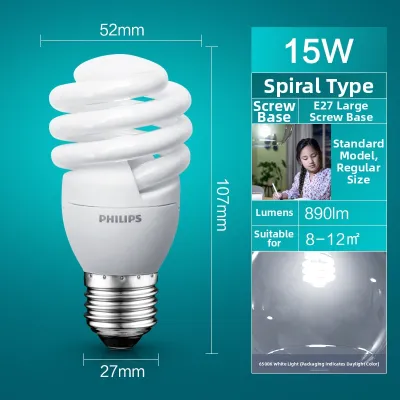
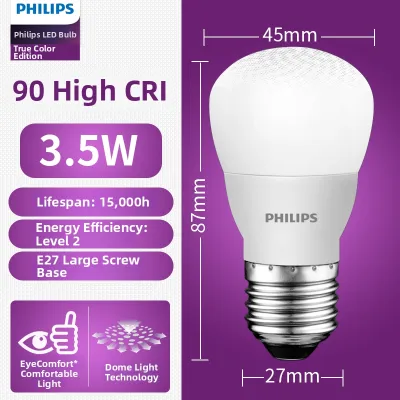
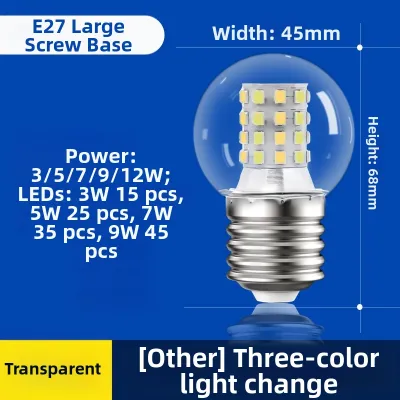
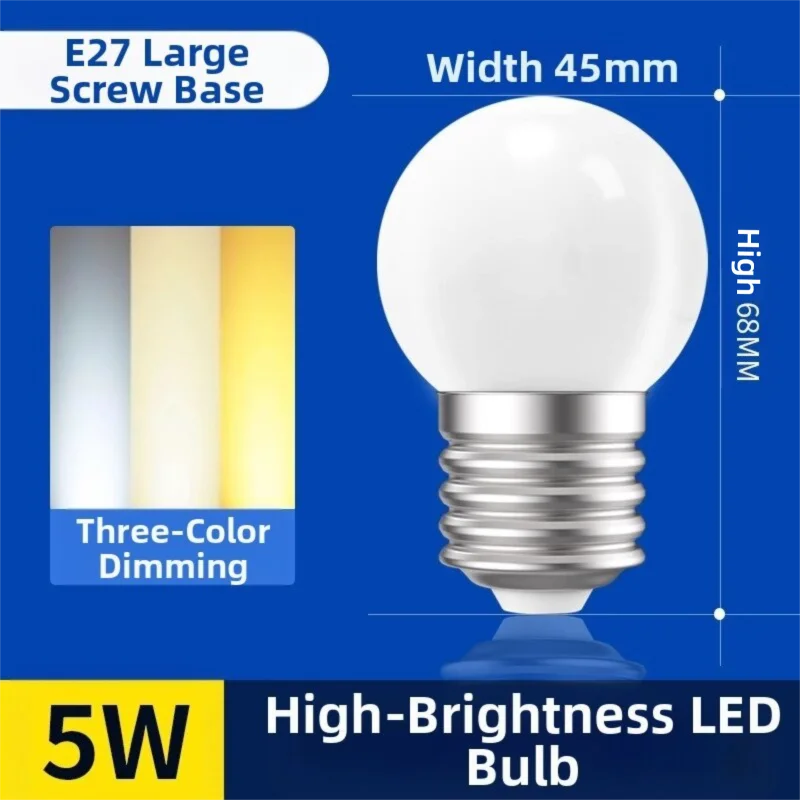
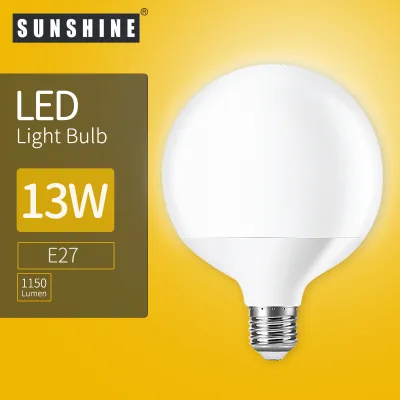
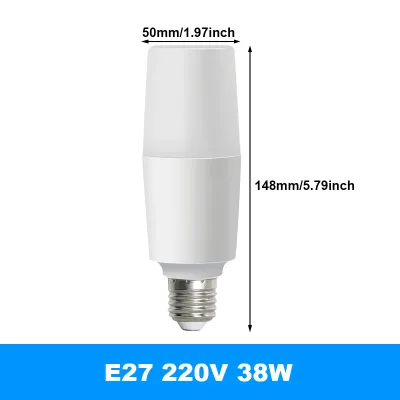
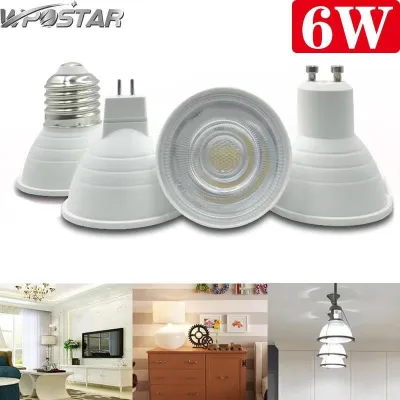
Prices are valid at publication and may change. Please refer to the product page for the latest price.
The true measure of energy efficiency is luminous efficacy, expressed as lumens per watt (lm/W). This ratio tells you exactly how much visible light a bulb produces for every watt of electricity it draws from your home’s electrical grid. For example, a highly efficient 8W or 9W E27 LED bulb from a premium manufacturer can produce 806 lumens of light, achieving an efficacy of approximately 90 to 100 lm/W. In contrast, a lower-quality or older 12W bulb might produce the exact same 806 lumens, resulting in an efficacy of only 67 lm/W. By choosing the higher-efficacy bulb, you receive the same level of brightness while reducing your energy consumption by up to 33 percent.
In Singapore, the National Environment Agency (NEA) simplifies this comparison through the Mandatory Energy Labelling Scheme (MELS). Under this scheme, registered lamps, including E27 LED bulbs, must display an Energy Label featuring a Tick rating system ranging from 1 to 5 ticks. The more ticks displayed on the label, the more energy-efficient the bulb is. When browsing local lighting shops or online marketplaces, always look for this label on the packaging or product description. It provides a standardized, verified metric of the bulb’s energy consumption, allowing you to compare different brands on an equal footing.
Another critical but often overlooked component of LED efficiency is the internal driver and its power factor. The driver is the built-in electrical device that regulates the power flowing to the LED chips. High-quality drivers waste very little energy as heat, ensuring that the maximum amount of electricity is converted into light. A low-quality driver not only wastes energy but also runs hotter, which can significantly shorten the lifespan of the LED chips. Additionally, a higher power factor indicates that the bulb uses municipal electricity more effectively, reducing overall strain on your home’s electrical system.
Before purchasing any bulb, always verify that its technical specifications match your home’s electrical parameters. In Singapore, the standard residential voltage is 230V at a frequency of 50Hz. Ensure the bulb is rated for this voltage range and features the standard E27 screw base, which has a 27mm diameter thread. You must also check the maximum wattage limit of your light fixture to prevent overheating or electrical hazards, and ensure the bulb carries appropriate safety certifications. Additionally, verify the dimming method of your fixture; standard LED bulbs are typically non-dimmable and can flicker or buzz if paired with a traditional wall dimmer switch, whereas dimmable LEDs or smart bulbs require compatible dimming systems.
Comparing Popular E27 LED Bulb Brands in Singapore
The Singapore market offers a wide range of E27 LED bulbs, spanning premium global giants to budget-friendly local options. Understanding how these brands position their products and manage energy efficiency will help you balance performance and cost.

Philips (Standard and Hue Lines)
Philips, managed globally by Signify, remains a dominant force in the Singapore lighting market, known for its technological innovation and high manufacturing standards. The brand’s standard, non-smart E27 LED bulbs consistently achieve top-tier luminous efficacy, often reaching 100 lm/W or higher. These standard bulbs frequently secure high NEA tick ratings, making them an excellent choice for households looking to minimize their monthly SP Group utility bills.
However, the efficiency equation changes when you transition to the Philips Hue smart lighting ecosystem. While the LED chips used in Hue bulbs are highly efficient, smart bulbs require a constant, low-level electrical current to maintain their wireless connection (via Zigbee or Bluetooth) to your home network or smart hub. This standby power consumption, often referred to as “vampire draw,” occurs even when the light is turned off via an app or voice command. If you leave the physical wall switch turned on to preserve smart functionality, the bulb will continuously draw a small fraction of a watt. While this standby draw is minimal, it does alter the overall energy footprint of the bulb over a year, meaning smart bulbs are inherently slightly less energy-efficient than their standard, non-smart counterparts.
Despite the premium price point of Philips bulbs, they offer strong value through long-term reliability. The brand provides robust warranty support in Singapore, typically covering their products for two to three years. This warranty ensures that if a bulb fails prematurely due to a manufacturing defect, you can secure a replacement, protecting your initial investment.
Panasonic and Osram / LEDVANCE
Panasonic and Osram (whose general lighting division now operates under the LEDVANCE brand) represent established legacy manufacturers that offer highly reliable, mid-to-premium E27 LED options in Singapore. Panasonic focuses heavily on engineering bulbs that prioritize eye comfort and stable light output. Their bulbs are designed to minimize invisible flicker, which can cause eye strain and headaches during prolonged exposure. Panasonic’s internal drivers are exceptionally stable, ensuring consistent energy efficiency and light quality over the bulb’s entire operating life. This makes them a preferred choice for study rooms, home offices, and reading corners where visual comfort is paramount.
Osram/LEDVANCE offers a highly competitive balance of robust build quality and practical efficiency. Their E27 LED bulbs are widely available across local hardware stores and lighting shops in Singapore. Osram bulbs are engineered with efficient heat sinks and durable polycarbonate shells, allowing them to deliver excellent lumens-per-watt ratios at a slightly more accessible price point than Philips. They are highly favored for general residential use, providing a dependable, flicker-free light source that holds up well under continuous daily operation.
Value and Local Brands (e.g., Megaman, Online Retailer House Brands)
For budget-conscious shoppers, local hardware stores and online marketplaces offer a variety of value-oriented brands, such as Megaman, along with various house brands. These options typically feature significantly lower upfront purchase prices compared to premium global brands. However, this lower initial cost often comes with a trade-off in luminous efficacy. A budget E27 bulb may require 10W or 12W of power to produce the same level of brightness that a premium bulb achieves with just 8W. Over several years of daily use, this higher energy consumption can offset the initial savings on the purchase price.
When considering these budget-friendly options, it is essential to inspect the packaging for the mandatory NEA Energy Label. Avoid any bulbs that carry low tick ratings or lack clear efficiency specifications. Additionally, pay close attention to user reviews regarding long-term lumen depreciation. Lower-quality LED chips and drivers tend to dim much faster over time, meaning a bulb that starts bright may lose a noticeable portion of its light output within twelve months, forcing you to replace it sooner than expected.
To maximize the value of these budget brands without sacrificing overall home efficiency, reserve them for low-usage areas. Spaces such as storerooms, bomb shelters, service yards, or infrequently used guest rooms are ideal candidates. Because these lights are only turned on for a few minutes at a time, the minor difference in energy efficiency will have a negligible impact on your monthly electricity bill, allowing you to benefit from the lower upfront cost.
Critical Factors Beyond Basic Energy Efficiency
While raw luminous efficacy is a vital metric, several real-world factors influence how efficiently and reliably an E27 LED bulb will perform in your home over the long term. Singapore’s specific environmental conditions play a major role in these dynamics.
Singapore’s tropical climate, characterized by high ambient temperatures and persistent humidity, presents a challenging environment for electronic devices, including LED bulbs. Although LEDs run much cooler than old incandescent bulbs, they still generate heat internally, particularly within the driver and the LED junction. If this heat is not dissipated effectively, the internal temperature of the bulb will rise rapidly. This is especially true when bulbs are installed in enclosed or semi-enclosed light fixtures, which trap hot air. High heat degrades both the LED chips and the internal driver components, leading to premature failure or a rapid decline in light output. When shopping, look for bulbs engineered with high-quality heat sinks—often made of aluminum or advanced thermal plastics—to ensure heat is drawn away from critical components.
Another important consideration is the relationship between light quality and energy efficiency. Light quality is primarily measured by the Color Rendering Index (CRI), which rates how accurately a light source reveals the true colors of objects compared to natural sunlight. Standard LED bulbs typically have a CRI of 80, which is perfectly adequate for general household tasks. However, high-CRI bulbs (CRI 90 or above) are designed to provide superior color accuracy, making them highly desirable for dining areas, vanity mirrors, and art displays. Achieving a higher CRI requires specialized phosphor coatings on the LED chips, which absorb a small amount of light to emit a broader, more natural spectrum. This process slightly reduces the bulb’s raw luminous efficacy. Therefore, you must decide whether to prioritize absolute energy efficiency or superior visual comfort and interior aesthetics based on the specific function of each room.
Furthermore, treat perceived color temperature—such as Warm White (2700K to 3000K), Cool White (4000K), or Daylight (6000K to 6500K)—as a matter of personal preference and spatial design rather than a performance metric. While some users perceive Daylight bulbs as “brighter” due to their cool, blue-toned light, a Warm White bulb of the same lumen rating delivers the exact same amount of visible light while consuming the same wattage.
Finally, pay close attention to manufacturer warranties and lumen maintenance. A high-quality LED bulb is designed to maintain at least 70 percent of its original brightness over its rated lifespan (often denoted as L70). If a cheap bulb dims significantly within its first year, its real-world efficiency drops because you are consuming the same amount of electricity for a fraction of the light. Premium brands typically offer a two- to three-year warranty in Singapore, providing a reliable safety net and serving as a strong indicator of the manufacturer’s confidence in their product’s durability.
For safety, always isolate the electrical power at the main distribution board or wall switch before attempting to install or replace any light bulb. If you are dealing with fixed wiring, installing fixtures in damp areas like bathrooms or outdoor balconies, working at heights, or handling heavy suspended loads, always consult a licensed electrical worker (LEW) in Singapore to ensure compliance with local electrical safety standards.
Decision Framework: Choosing the Right E27 LED Bulb
To simplify your purchasing decision, use this structured framework tailored to common household scenarios in Singapore:
- Choose Philips Standard if your primary goal is to maximize energy savings in high-use areas like living rooms, kitchens, and study rooms. These bulbs offer top-tier luminous efficacy, excellent NEA tick ratings, and long-term reliability backed by a strong manufacturer warranty.
- Choose Panasonic or Osram/LEDVANCE if you want a balanced combination of high energy efficiency, stable light quality, and excellent eye comfort at a slightly more accessible price point. Panasonic is highly recommended for task-oriented spaces like home offices, while Osram/LEDVANCE is an excellent all-rounder for bedrooms and corridors.
- Choose Value Brands (e.g., Megaman) if you are outfitting low-traffic areas such as storerooms, bomb shelters, or service yards. In these spaces, the lower upfront cost outweighs the minor difference in energy efficiency. Ensure any budget bulb you purchase carries at least a 3-tick NEA rating to guarantee a baseline level of efficiency and safety.
- Verify Smart Bulb Requirements First if you plan to install a smart lighting system like Philips Hue. Remember that these bulbs draw a small amount of standby power to maintain network connectivity. To preserve their smart features, you must leave the physical wall switch turned on, meaning they will continuously consume a minimal amount of electricity even when the light is off.
Frequently Asked Questions (FAQ)
Do smart E27 LED bulbs use more electricity than standard ones?
Yes, smart E27 LED bulbs consume slightly more electricity than standard bulbs because they require a continuous standby power draw to remain connected to your home’s wireless network. This standby power, typically under 0.5 watts, is consumed even when the light is turned off via an app or voice control. To eliminate this draw completely, you must turn off the physical wall switch, though doing so disables all smart functionalities until the switch is turned back on.
Is a higher wattage E27 LED bulb always brighter?
No, a higher wattage does not guarantee a brighter light. Wattage measures the amount of electrical power a bulb consumes, whereas lumens measure the actual brightness of the light emitted. Due to differences in luminous efficacy, a highly efficient 8W premium LED bulb can produce the same or greater light output (lumens) than a less efficient 12W budget bulb, while consuming significantly less electricity. Always compare the lumen output listed on the packaging to determine true brightness.
Community discussion
Share your experience or ask a question. Comments are reviewed before publication.