
When a power outage hits an HDB flat, a reliable light source is crucial for safety. Navigating dark hallways, locating the distribution board (DB) box, or keeping young children calm requires more than just a smartphone flashlight. Comparing emergency light torches involves looking past basic brightness numbers to evaluate beam patterns, battery chemistry, charging interfaces, and physical designs. By understanding how these technical specifications translate to the layout of a typical Singapore home, you can select a dependable tool that remains ready for any sudden blackout.
Defining Your HDB Emergency Lighting Needs
HDB apartments present specific spatial layouts that dictate your emergency lighting requirements. A standard flat features a mix of narrow corridors, enclosed household shelters, and open-plan living areas. To navigate these spaces safely during a power failure, you must balance localized task lighting with broader ambient illumination. For instance, a highly focused beam is excellent for inspecting a tripped circuit breaker in a dark utility closet, but it can create harsh shadows and intense glare if used to illuminate an entire living room.
Household demographics also play a significant role. Homes with elderly family members or toddlers require soft, diffused light sources to prevent tripping hazards without causing temporary blindness from direct glare. Identifying whether you need a light primarily for quick, hands-free navigation or for sustained, multi-hour room illumination will help you determine the ideal mix of torch types for your household emergency kit.
Products mentioned in this guide
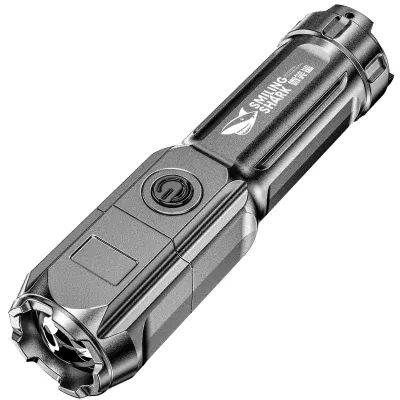
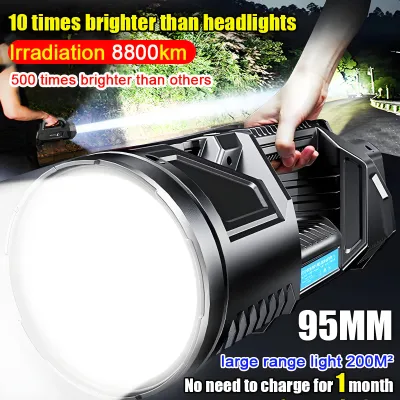
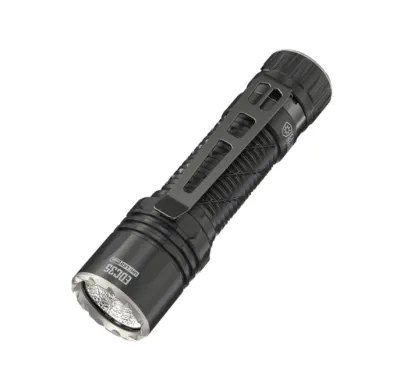
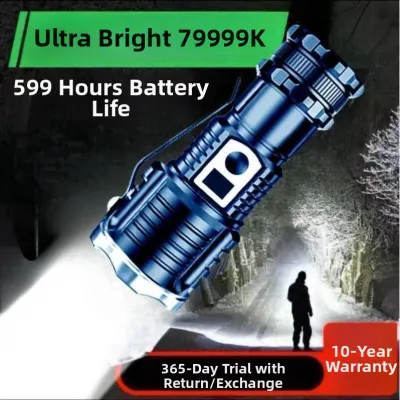
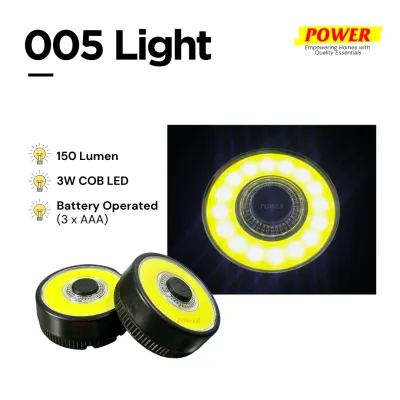
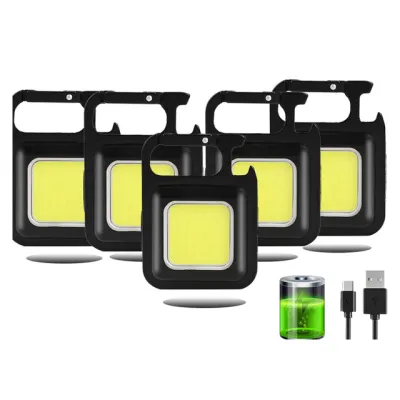
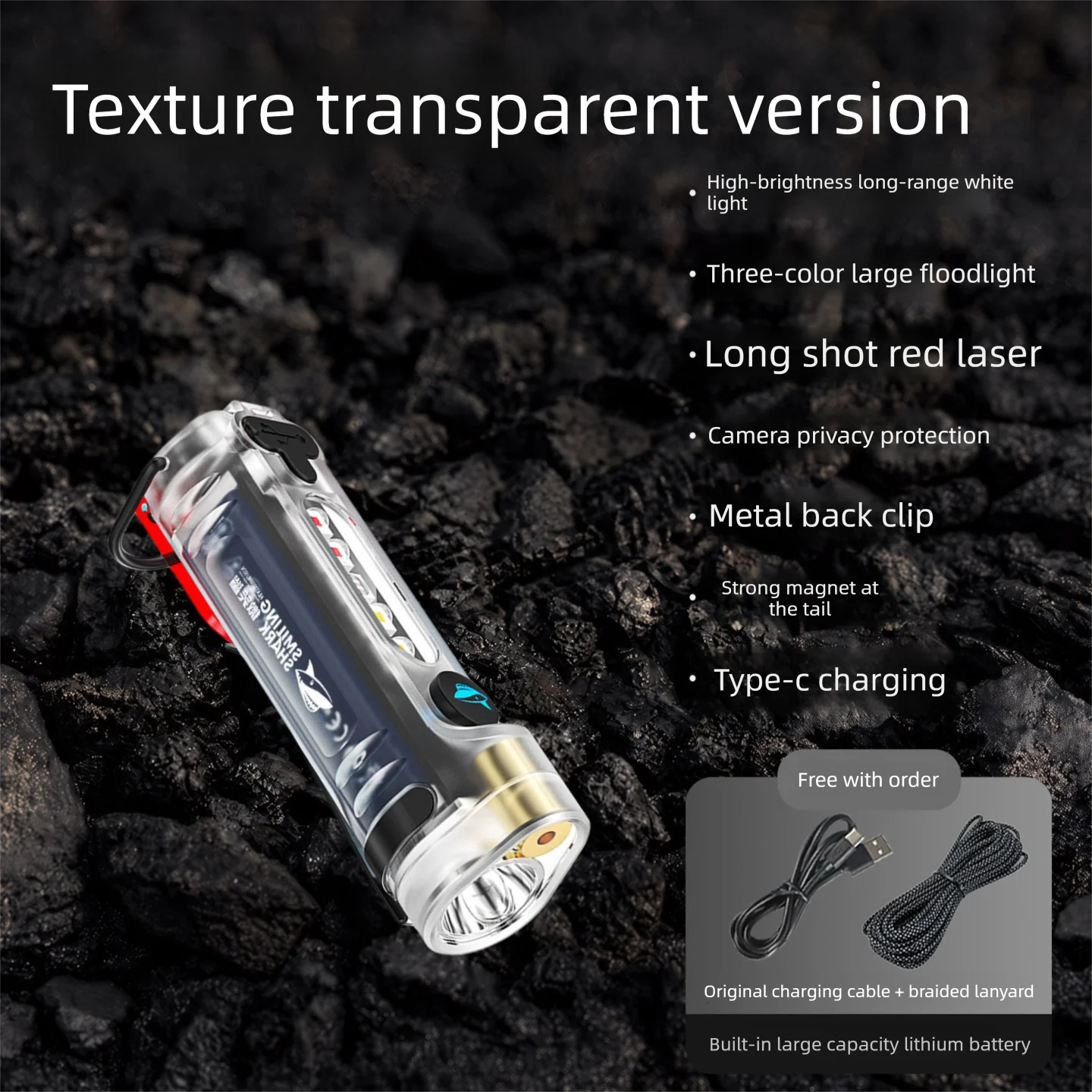
Prices are valid at publication and may change. Please refer to the product page for the latest price.
Key Comparison Dimensions for Light Torches
Selecting the right light torch requires a systematic comparison of technical specifications rather than relying on promotional packaging. To make an informed decision, you should evaluate three primary pillars: optical performance, power management, and physical design. Understanding how these factors interact allows you to read manufacturer specification sheets critically and choose a model that delivers consistent performance when primary power fails.

Brightness and Beam Patterns for Indoor Use
When comparing optical performance, look closely at the distinction between spot beams and flood beams. A spot beam projects a concentrated, narrow light path over a long distance, which is highly useful outdoors but less practical inside a compact HDB room. For indoor emergencies, a wide flood beam is generally superior because it distributes light evenly across a broader area, mimicking natural room lighting and reducing eye strain.
You should also prioritize torches that offer adjustable brightness levels, including a dedicated low-lumen or “moonlight” mode. High-brightness settings (often exceeding 1,000 lumens) generate significant heat and drain batteries rapidly, which is counterproductive during an extended blackout. A low-lumen setting of 5 to 15 lumens is usually sufficient for nighttime navigation while extending the battery life to several days. When comparing brands, verify if they use standardized testing metrics, such as the ANSI/PLATO FL 1 standard, which ensures that the stated lumen output and beam distance are measured consistently.
Battery Life and Recharging Methods
Power management is the most critical factor in determining whether a torch will function when needed. You must choose between built-in rechargeable lithium-ion batteries and user-replaceable alkaline or lithium cells. Built-in lithium-ion batteries offer high energy density and the convenience of recharging, but they require regular maintenance to prevent capacity loss over years of storage. Conversely, torches that accept standard AA or AAA batteries provide excellent shelf life, though they may suffer from lower peak performance and the risk of battery leakage if left unused.
For rechargeable models, prioritize universal charging interfaces like USB-C over proprietary magnetic connectors. In an emergency, being able to charge your torch using standard phone chargers or portable power banks ensures you are not left stranded by a misplaced custom cable. Additionally, look for torches equipped with clear battery level indicators and built-in low-voltage protection, which prevents the battery from discharging to a level that could permanently damage the cells.
Form Factor and HDB Storage Constraints
Space is a premium in many HDB flats, meaning your emergency gear must be compact enough to store easily yet accessible enough to find in pitch darkness. Ultra-compact everyday carry (EDC) torches are highly portable and can be kept in a bedside drawer, but they often compromise on battery capacity and heat dissipation. Larger, high-capacity torches offer longer runtimes and better grip, but they require dedicated storage space in a household shelter or utility cabinet.
Physical design features can greatly enhance a torch’s utility during a blackout. Look for models with flat tail caps that allow the torch to stand upright on a table, effectively turning the device into an impromptu candle by bouncing light off the ceiling. A sturdy pocket clip or an integrated lanyard loop prevents accidental drops when navigating dark stairwells. Furthermore, consider the durability of the body materials; anodized aluminum alloy construction offers excellent impact resistance, while high-quality rubber seals protect internal components from Singapore’s high humidity.
Evaluating Popular Torch Categories for Emergencies
The term “light torch” covers a wide variety of designs, each optimized for specific tasks. Understanding the strengths and limitations of different categories allows you to build a versatile emergency kit rather than relying on a single, general-purpose light.
Compact Handheld Torches vs. Lantern-Style Lights
Traditional handheld torches are designed for directional illumination, making them the ideal choice for targeted tasks. If you need to inspect your home’s DB box, check behind appliances, or guide someone through a dark corridor, a handheld torch provides the precise control required. However, their directional nature makes them poor choices for general room lighting, as they must be constantly held or propped up at awkward angles.
In contrast, lantern-style lights provide 360-degree ambient illumination, making them perfect for placing on a dining table or kitchen counter to light up an entire room. Many modern lanterns feature frosted diffusers that soften the light, creating a comfortable environment for the whole family during an extended outage. Hybrid models that combine a directional front beam with a diffused side-panel light offer the best of both worlds, allowing you to switch between a focused searchlight and an ambient lantern.
Headlamps and Hands-Free Magnetic Options
Hands-free lighting is invaluable when you need to perform tasks that require both hands, such as changing batteries, administering first aid, or preparing food. Headlamps are highly effective for this purpose, as they direct light wherever you turn your head. When comparing headlamps, look for models with adjustable elastic bands that distribute weight evenly across your forehead, and prioritize those with tilting mechanisms that let you angle the beam downward.
Another excellent hands-free option is a torch equipped with a strong magnetic tail cap or side magnet. These magnets allow you to secure the light to various metal surfaces commonly found in HDB flats, such as metal door frames, window grilles, refrigerator doors, or utility shelving. This simple feature instantly converts a standard handheld torch into a stationary wall light, freeing up valuable table space and providing elevated illumination that covers a larger floor area.
Multi-Function Emergency Tools
Many manufacturers offer multi-function emergency tools that combine a torch with additional features like integrated power banks, window breakers, seatbelt cutters, or loud distress sirens. While a built-in power bank can be incredibly useful for keeping your mobile phone charged during a prolonged blackout, other automotive-focused features like glass breakers offer little practical value inside a typical HDB apartment.
Be cautious of overly complex multi-tools that attempt to pack too many features into a single device. These products often compromise on the quality of the primary light source, utilizing cheap LEDs, fragile plastic housings, or inefficient battery drivers. For household emergencies, a dedicated, high-quality light source is almost always more reliable than a jack-of-all-trades tool.
How to Verify Brand Claims and Specifications
To avoid purchasing a subpar light torch, you must learn to critically evaluate manufacturer claims. One of the most common marketing tactics is advertising an extremely high maximum lumen output without disclosing how long the torch can actually maintain that brightness. Most high-power torches feature thermal regulation systems that automatically step down the brightness after just a few minutes to prevent overheating. When comparing brands, look for detailed runtime graphs that show how the light output behaves over time, rather than relying solely on the headline lumen figure.
You should also look for independent certifications and standardized testing marks on the product packaging. The ANSI/NEMA FL 1 standard is a widely recognized benchmark that defines how brightness, runtime, beam distance, impact resistance, and water resistance are measured. Brands that voluntarily submit their products for independent testing against these standards are generally more trustworthy than those making unverified claims.
Finally, take the time to read user reviews on reputable online marketplaces, focusing specifically on long-term reliability. Pay close attention to feedback regarding battery degradation over months of storage, the durability of the charging port, and the responsiveness of the power switch.
Decision Framework: Choosing the Right Setup
Building an effective emergency lighting setup for your HDB flat does not mean buying the most expensive torch on the market. Instead, it requires matching your choices to your household’s specific needs and existing infrastructure.
Choose a compact, high-quality handheld torch with a flat tail cap if your primary goal is simple, grab-and-go task lighting. This setup is ideal for single occupants or couples in smaller flats who need a reliable tool for quick navigation, inspecting utility boxes, or short-term power outages.
Choose a combination of a wearable headlamp and a dedicated ambient lantern if you have a larger household, particularly one with elderly residents or young children. This setup ensures that you can navigate safely and perform hands-free tasks while keeping common areas illuminated with soft, glare-free light.
Verify first whether your existing household devices can complement your emergency lighting before purchasing new gear. For example, if you already own several high-capacity portable power banks, you can pair them with simple, inexpensive USB-powered LED light bulbs to create a highly reliable, long-lasting emergency lighting system.
Ultimately, the most resilient strategy is to build a layered emergency lighting setup. Rather than relying on a single, high-powered device, distribute a few smaller, reliable light sources throughout your home—such as one in the master bedroom, one near the DB box, and one in the living room. This ensures that a safe and dependable light source is always within arm’s reach.
Frequently Asked Questions (FAQ)
How often should I check and recharge my emergency torch?
For torches powered by rechargeable lithium-ion batteries, you should perform a quick check and top-up charge every three to six months. Lithium-ion batteries slowly lose charge over time even when not in use, and storing them completely flat can permanently damage their capacity. Setting a recurring calendar reminder ensures your lights remain ready. If your torch uses disposable alkaline batteries, inspect them annually for signs of corrosion or leakage, and replace them according to the expiration date printed on the cells.
Can I use my everyday carry light torch for HDB emergencies?
Yes, an everyday carry (EDC) torch can serve as an excellent emergency light, provided it is kept in a designated, easily accessible location. EDC torches often feature high-quality construction, adjustable brightness levels, and reliable battery drivers. However, the primary risk is availability; if you carry the torch outside daily, it may not be in your apartment when a sudden blackout occurs. For maximum safety, it is best to keep dedicated emergency lights permanently stored in fixed locations around your flat, ensuring they are always exactly where you expect them to be.
Community discussion
Share your experience or ask a question. Comments are reviewed before publication.