
Quick Answer: Identifying the Most Energy-Efficient Plant Lights
When searching for the most energy-efficient plant light brands in Singapore, there is no single universal winner. The ideal choice depends on your specific cultivation goals, the scale of your indoor garden, and where the setup is located within your home.
Professional horticultural lighting brands generally deliver the highest raw photosynthetic efficacy, converting electricity into usable plant light with minimal waste heat. In contrast, consumer smart lighting brands prioritize aesthetic integration, convenient app-based scheduling, and living-space-friendly designs, though they typically offer moderate energy efficiency.
To find the most efficient option for your space, you must look past marketed wattage or vague “equivalent brightness” claims. Instead, focus on verified efficacy ratings measured in micromoles per joule (µmol/J). This metric tells you exactly how much usable light energy your plants receive for every watt of electricity drawn from the grid.
Products mentioned in this guide
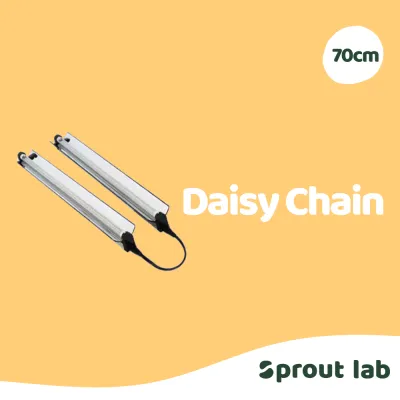
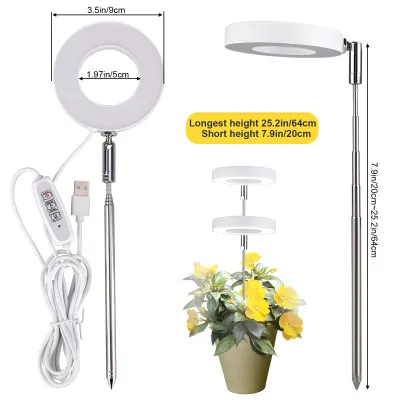
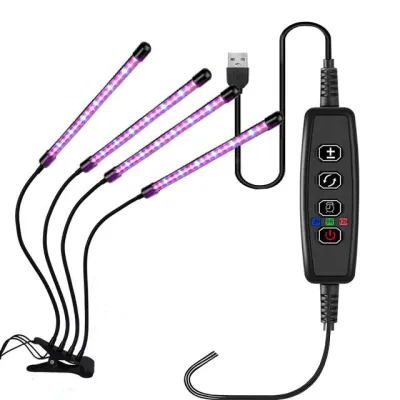
![[Ready Stock] Indoor Plant Grow Light Lamp 80 LED 4 Heads Dimmable Timer Grow Lamp Bulb Clip Lamp for Flower Succulent Plant Pot Plants CNY Gift Present](https://img.lazcdn.com/g/p/2d81082d1076f8b0290e4808b6f893bf.jpg_400x400q80.jpg_.webp)
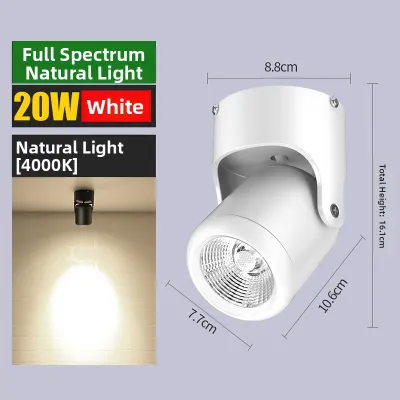
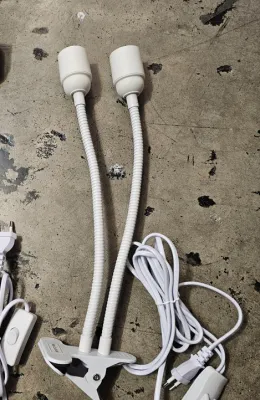
Prices are valid at publication and may change. Please refer to the product page for the latest price.
How to Read Energy Efficiency Specs for Plant Lights
Evaluating the energy efficiency of a plant light requires moving away from traditional lighting metrics. For decades, household light bulbs were selected based on wattage or lumens, but these measurements do not accurately reflect how a light fixture performs when growing plants.

Watts vs. PPF and PAR
Wattage measures electrical power consumption, not light output. A high-wattage light draws more electricity from your wall socket, but if the fixture uses low-quality components, a significant portion of that energy is wasted as ambient heat rather than being converted into light.
To understand what your plants actually receive, you must look at Photosynthetically Active Radiation (PAR), which represents the spectral waveband of light (400 to 700 nanometers) that plants use for photosynthesis. The actual volume of light emitted within this waveband is measured as Photosynthetic Photon Flux (PPF), expressed in micromoles per second (µmol/s).
Photosynthetic Photon Efficacy (PPE)
Photosynthetic Photon Efficacy (PPE) is the true standard for comparing energy efficiency across different brands. Calculated by dividing PPF by the electrical wattage drawn from the wall, PPE is expressed in micromoles per joule (µmol/J).
A higher PPE rating means the fixture is highly efficient at converting electrical energy into plant-usable photons. Modern, high-efficiency professional fixtures often achieve PPE ratings between 2.2 and 2.8 µmol/J, whereas standard household bulbs or low-end grow lights may fall well below 1.5 µmol/J.
Why Lumens and Lux Are Misleading
Lumens and lux are calibrated to the human eye’s sensitivity, which peaks in the green and yellow parts of the spectrum. Plants, however, rely heavily on blue and red wavelengths to drive photosynthesis. A light that appears incredibly bright to a human (high lumens) may lack the specific wavelengths your plants need, making it highly inefficient for indoor cultivation.
The Role of Spectrum Choices
The spectral output of a plant light directly influences its perceived and actual efficiency. Targeted spectrum lights, often called “blurple” lights due to their pinkish-purple glow, use dedicated red and blue diodes. Because these fixtures do not waste energy converting blue light into green or yellow wavelengths, they can achieve high electrical efficacy.
However, broad-spectrum white LEDs, which use specialized phosphor coatings over blue diodes, have advanced significantly. These full-spectrum lights provide a balanced, natural white light that is much easier on human eyes, allows for accurate plant inspection, and supports robust, healthy growth phases from seedling to flower.
Comparing LED Plant Light Brand Categories in Singapore
Navigating the indoor gardening market in Singapore reveals three primary tiers of brands, each offering distinct trade-offs in energy efficiency, build quality, and overall functionality.
Professional Horticultural Lighting Brands
Professional brands engineer fixtures specifically for commercial agriculture and serious home growers who prioritize yield and efficiency. These brands design lights with top-tier components, such as high-bin Samsung or Osram diodes and premium LED drivers from manufacturers like Mean Well or Inventronics.
- Efficacy Profile: These fixtures typically deliver the highest PPE ratings on the market, often exceeding 2.5 µmol/J.
- Thermal Management: They feature heavy-duty aluminum heatsinks and passive cooling designs, which dissipate heat efficiently without relying on noisy, power-consuming cooling fans.
- Trade-Offs: These lights carry a higher upfront cost and feature an industrial, utilitarian aesthetic. They are best suited for high-light crops like edible herbs, leafy greens, or fruiting plants grown in dedicated spaces.
Consumer Smart Home and Specialty Bulb Brands
Lifestyle-oriented brands focus on seamless integration into residential living spaces. These products often come in standard E27 screw-in bulb form factors, sleek linear bars, or complete tabletop smart garden kits.
- Efficacy Profile: The raw PPE of consumer smart lights is generally moderate, typically ranging between 1.2 and 1.8 µmol/J.
- Smart Features: These brands offer excellent convenience, featuring built-in Wi-Fi or Bluetooth connectivity, automated dimming schedules, and integration with broader smart home ecosystems.
- Trade-Offs: While less efficient than professional-grade panels, their low heat output and visually comfortable, high-CRI (Color Rendering Index) white light make them ideal for maintaining low-to-medium light houseplants in shared living areas.
Budget and Generic E-commerce Brands
Online marketplaces are flooded with low-cost, unbranded LED grow lights, often featuring adjustable goosenecks, clip-on mounts, or basic light strips.
- Efficacy Profile: These budget options rarely provide verified PPF or PPE data. Their actual energy efficiency is typically low due to cheap diodes and inefficient internal power supplies.
- The Wattage Trap: Many generic brands advertise inflated "equivalent" wattages (e.g., claiming 100W of output) while drawing only 10W to 15W from the wall.
- Thermal Risks: Poor thermal design in cheap fixtures allows heat to build up rapidly around the diodes. High operating temperatures cause the LEDs to degrade quickly, leading to a rapid drop in light output and an early shift in the spectral output, which negates any initial cost savings.
Adapting Light Efficiency to Singapore Indoor Environments
Growing plants indoors in Singapore presents unique environmental challenges, particularly regarding space constraints and climate control. Choosing a highly efficient plant light can significantly ease these pressures.
Space and Shelving Constraints
Many indoor gardeners in Singapore utilize multi-tier wire shelving units to maximize growing space in HDB flats and condominiums. Because vertical space between shelves is limited, plant lights must be mounted close to the plant canopy.
High-efficacy LEDs convert more electricity into light and less into heat, allowing you to position the fixtures closer to your plants without risking leaf scorch or drying out the soil too quickly. This close proximity also ensures the plants receive intense, direct light, promoting compact and healthy growth.
Hidden Cooling Costs
In Singapore’s tropical climate, home air-conditioning is often a major contributor to monthly utility bills. Inefficient grow lights act as small space heaters, releasing excess thermal energy into your living areas.
Every watt of waste heat generated by an inefficient plant light must be offset by your home air-conditioning system, which consumes additional electricity to cool the room back down. Investing in high-PPE fixtures minimizes this thermal output, keeping your utility bills manageable and reducing the overall environmental footprint of your indoor garden.
Aesthetics and Light Pollution
High-intensity grow lights can easily overwhelm a small living room or study. Harsh pink-purple “blurple” lights or intensely bright white fixtures can cause eye strain and disrupt the visual harmony of your home.
To balance high efficiency with living comfort, consider the following strategies:
- Use Physical Barriers: Install lightweight, opaque shelving covers or reflective Mylar sheets to contain the light within the growing area.
- Choose High-CRI White Diodes: Opt for fixtures that emit a warm, natural white light rather than a clinical cold blue or pink hue.
- Install Secondary Lenses: Select lights with directional lenses or shields that focus the light downward onto the plant canopy, preventing unwanted glare from spilling into the rest of the room.
Electrical Safety and Compatibility Checks
Operating high-intensity electrical equipment for 12 to 18 hours a day requires strict adherence to local safety standards to prevent electrical faults, overheating, or fire hazards.
Voltage and Frequency Compatibility
Always verify that the plant light’s power supply or LED driver is compatible with Singapore’s standard electrical grid, which operates at 230V and 50Hz. While many professional drivers are auto-ranging (supporting 100V to 277V), some imported fixtures are designed solely for 110V markets and will fail or pose a safety hazard if plugged directly into a local outlet.
Plugs and Adapters
Avoid using cheap, un-fused travel adapters to run high-wattage grow lights. For long-term safety, ensure the fixture is fitted with a fused, safety-certified UK-style 3-pin plug (Type G), or use a heavy-duty, fused adapter rated for continuous high-draw operation.
Checking for the Safety Mark
When purchasing power adapters, smart plugs, or complete lighting systems locally, look for the Safety Mark issued by Enterprise Singapore. This certification indicates that the product has been tested and declared safe for use under local electrical conditions, which is especially critical for fixed installations or setups that run unattended.
Clearance and Cooling
Passive cooling relies on natural convection to carry heat away from the aluminum heatsink. Always maintain at least 5 to 10 cm of clear space above and around the light fixture to allow warm air to rise and dissipate. Never cover the top of a running plant light, and avoid mounting high-power fixtures inside tightly enclosed, unventilated cabinets without installing active exhaust fans.
Decision Framework: Choosing the Right Light for Your Plants
To make your final decision, match your specific growing scenario to the most appropriate brand category:
- Choose Professional Horticultural Brands if: You are cultivating high-light crops like herbs, vegetables, or rare tropical plants, want to maximize your photosynthetic yield per dollar spent on electricity, and have a dedicated grow space where industrial aesthetics and high brightness are not an issue.
- Choose Consumer Smart Brands if: You want to maintain common houseplants in your main living areas, prefer a clean and stylish aesthetic, and value convenient features like automated app scheduling, dimming, and smart home integration.
- Verify First if: You are purchasing budget-friendly options from online marketplaces. Always check the actual wall wattage draw rather than the advertised "equivalent" wattage, look for safety certifications on the power supply, and ensure your setup has adequate ventilation to handle potential excess heat.
Frequently Asked Questions (FAQ)
Can I use regular energy-saving LED bulbs to grow plants?
While standard household LED bulbs can keep low-light foliage plants alive temporarily, they are not designed for long-term plant growth. Regular LEDs are optimized for human vision and lack the specific red and blue wavelengths, as well as the high photon density (PPF), required to support robust photosynthesis. Over time, plants grown under standard household bulbs will likely become weak, leggy, and pale.
Does a higher wattage always mean a better plant light?
No. Wattage only indicates how much electricity the fixture consumes, not how much usable light it delivers to your plants. An inefficient 100W light with poor-quality diodes may produce the same amount of plant-usable light as a highly efficient 50W fixture, while wasting the remaining energy as heat. When comparing lights, always prioritize the Photosynthetic Photon Efficacy (PPE) rating and the actual PPF output over the raw wattage.
Community discussion
Share your experience or ask a question. Comments are reviewed before publication.