
Finding the best GU10 3W LED bulb in Singapore requires looking beyond brand names to compare objective specifications like luminous efficacy, rated lifespan, and beam angle against the retail price. Because a 3W LED bulb is highly efficient by nature, the true value lies in matching these technical parameters to your specific spotlight or downlight applications while verifying compatibility with your existing home fixtures. By focusing on verifiable packaging data rather than marketing claims, you can secure reliable performance and long-term energy savings.
Evaluating these compact spotlights involves understanding how light output relates to power consumption. While many shoppers assume all 3W bulbs perform identically, variations in manufacturing quality and thermal design lead to noticeable differences in brightness and longevity. A systematic comparison of key metrics ensures you select a bulb that delivers optimal illumination without premature failure.
Core Metrics for Comparing GU10 3W LED Efficiency and Value
To determine the true energy efficiency of a GU10 3W LED bulb, you must look at its luminous efficacy. This metric measures how much visible light a bulb produces for every watt of electricity it consumes, expressed as lumens per watt (lm/W). You can calculate this by dividing the total lumen output listed on the packaging by the rated wattage of three watts. For example, a 3W bulb that produces 240 lumens has an efficacy of 80 lm/W, whereas a more efficient 3W bulb producing 300 lumens achieves 100 lm/W. A higher lumen-per-watt ratio indicates a more efficient bulb that converts more electricity into light rather than wasted heat.
Products mentioned in this guide
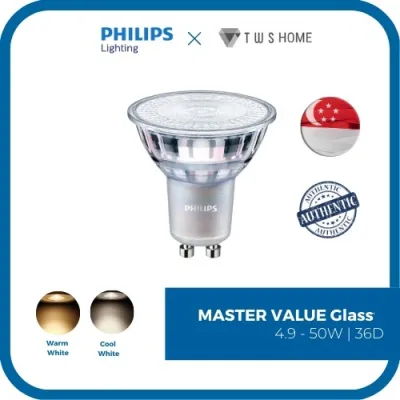
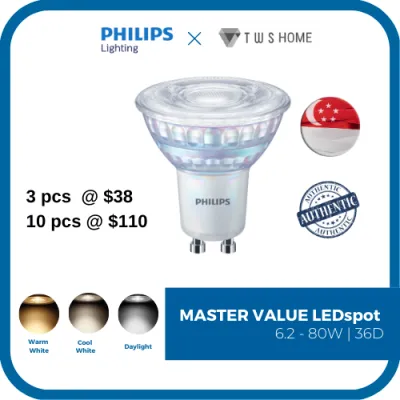
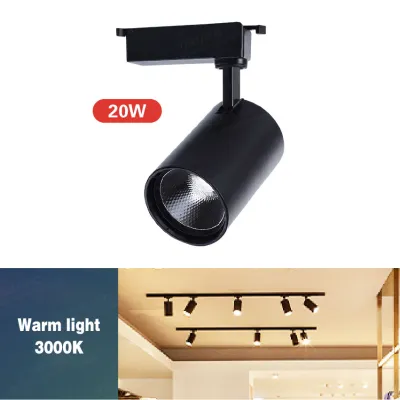
Prices are valid at publication and may change. Please refer to the product page for the latest price.
Another metric often found on packaging is the power factor (PF), which represents how efficiently the bulb uses the electrical current. A power factor closer to 1.0 is ideal, indicating that the bulb draws power in phase with the voltage. While a lower power factor has a negligible impact on residential electricity bills for a single 3W bulb, choosing bulbs with a higher power factor is a good indicator of overall electronic driver quality and reduces unnecessary load on your home’s electrical wiring.
Lifespan ratings are another critical factor in calculating the long-term value of your purchase. LED manufacturers typically rate bulb lifespan in hours, often ranging from 15,000 to 25,000 hours under optimal conditions. This rating is usually based on the L70 standard, which indicates the point at which the bulb’s light output drops to 70% of its original brightness. To translate this into practical terms, consider your daily usage patterns; a bulb used for four hours a day will last significantly longer calendar years than one installed in a commercial space operating twelve hours daily. Comparing these ratings helps you estimate the replacement cycle and avoid the inconvenience of frequent maintenance.
A complete cost analysis balances the initial purchase price in S$ against the projected energy savings over the bulb’s lifetime. While a cheaper bulb might seem attractive initially, a slightly more expensive option with higher efficacy and a longer rated lifespan often yields a lower total cost of ownership. By calculating the cumulative electricity consumption and factoring in the cost of replacement bulbs, you can make an informed financial decision that favors long-term utility savings over short-term discounts.
Essential Specifications to Check Before Buying
Before purchasing any GU10 3W LED bulb, you must verify its electrical compatibility with your home’s electrical system. In Singapore, the standard residential voltage is 230V at 50Hz, so ensure the bulb is rated for this voltage range to prevent electrical damage or safety hazards. Additionally, confirm that your fixture features the standard GU10 twist-and-lock base, which uses two pins spaced 10 millimeters apart, ensuring a secure mechanical and electrical connection.

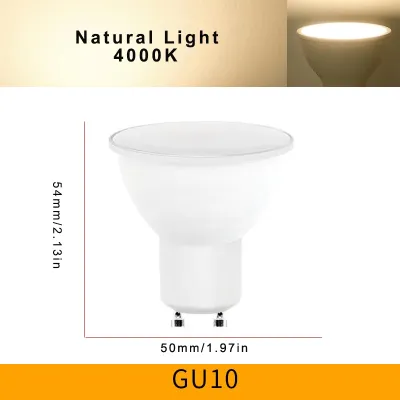
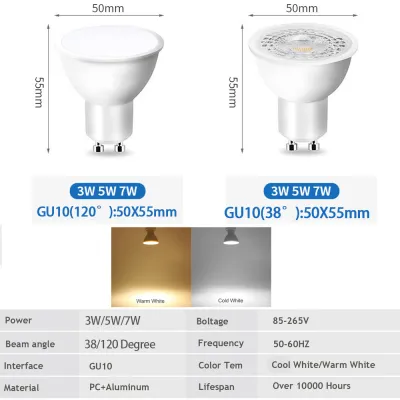
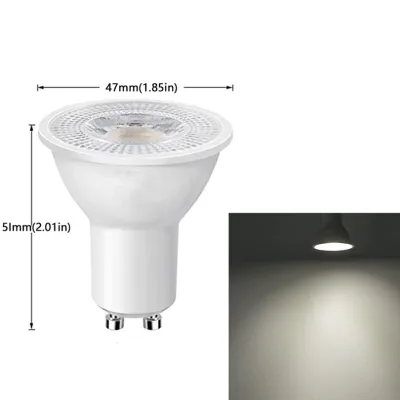
Physical dimensions can vary slightly between bulb manufacturers, making it essential to check the physical fit before buying. Standard GU10 bulbs typically measure 50 millimeters in diameter, but the overall length can vary depending on the lens design and heat sink configuration. Some dimmable 3W bulbs feature a slightly longer neck to accommodate the complex driver circuitry. Measure the depth of your existing downlight housing to ensure the new bulb will sit flush within the fixture rather than protruding awkwardly or failing to fit inside the trim.
Dimmability is a common source of compatibility issues in residential lighting setups. If your fixtures are connected to a dimmer switch, you must select a bulb explicitly labeled as dimmable on the packaging. Standard non-dimmable LED bulbs installed on dimming circuits can suffer from severe flickering, buzzing, or premature driver failure. Even when using a dimmable bulb, verify that your existing dimmer switch is rated for low-wattage LED loads, as older trailing-edge or leading-edge dimmers designed for halogen bulbs may not function correctly.
Safety certifications provide essential peace of mind and verify that the product has undergone rigorous testing. Look for recognized local safety marks, such as the Safety Mark in Singapore, which indicates compliance with applicable safety standards. For fixed wiring installations, working at heights, or mounting fixtures in damp areas like bathrooms, always isolate the power at the main distribution board, follow the manufacturer’s installation instructions, and consult a qualified professional to ensure a safe setup.
Matching Bulb Performance to Spotlight and Downlight Applications
Selecting the right beam angle is crucial for achieving your desired lighting effect in a room. GU10 bulbs are directional light sources, typically offering beam angles ranging from narrow spots of 24 degrees to wider floods of 60 degrees or more. A narrow beam angle is ideal for accent lighting, allowing you to highlight artwork, architectural features, or specific work surfaces. Conversely, a wider beam angle distributes light more evenly across a larger area, making it better suited for general ambient illumination in hallways or living spaces.
Color temperature, measured in Kelvin (K), defines the visual warmth or coolness of the light and should be chosen based on room function and personal preference. Warm white bulbs, typically rated between 2700K and 3000K, emit a cozy, yellowish glow that is highly suited for bedrooms and living areas. Cool white or daylight bulbs, ranging from 4000K to 6500K, provide a crisp, bluish-white light that enhances visibility and focus, making them excellent choices for kitchens, studies, and bathrooms.
When evaluating light quality, also consider the Color Rendering Index (CRI), which measures how accurately the bulb reveals the true colors of objects compared to natural light. A CRI of 80 or higher is standard for residential use, but for areas where color accuracy is critical, such as over a vanity mirror or dining table, looking for a bulb with a CRI of 90 or higher is recommended.
Effective heat management is vital for maintaining the performance and lifespan of a 3W LED bulb. Although LED bulbs generate far less heat than traditional halogen options, they are still sensitive to elevated temperatures. In Singapore’s warm climate, ambient temperatures in ceiling voids can rise significantly, especially under concrete roofs. When installing GU10 bulbs in enclosed or insulated ceiling fixtures, ensure there is adequate ventilation around the housing to allow heat to dissipate. Trapped heat can degrade the internal electronic driver, leading to a rapid decline in brightness or premature bulb failure.
Purchasing Channels and Verification Steps in Singapore
When sourcing GU10 3W LED bulbs, you have access to a variety of retail options ranging from specialized physical showrooms to online marketplaces. Visiting a physical lighting showroom allows you to observe the actual color rendering and brightness of the bulbs before purchasing. Alternatively, reputable ecommerce platforms and official brand online stores offer convenience and a wider selection, though you should prioritize official brand storefronts to ensure you receive genuine products.
Verifying the manufacturer’s warranty terms is an essential step in protecting your investment. Reputable brands typically offer a warranty period of one to three years, which serves as a strong indicator of product reliability. Carefully review the retailer’s return policy for defective units, keeping your purchase receipt or digital invoice safe, as you will need these documents to claim a replacement if a bulb fails prematurely.
To avoid the risks associated with counterfeit or substandard lighting products, perform basic authenticity checks before installation. Genuine bulbs feature clear, legible specification labels printed directly on the bulb body and packaging, detailing the wattage, voltage, lumen output, and safety certification logos. Avoid products with blurry printing, misspelled technical terms, or unusually lightweight construction, as these are common indicators of low-quality imitations that may pose electrical hazards.
Frequently Asked Questions (FAQ)
Can I use a 3W GU10 LED bulb in a fixture rated for higher wattage?
Yes, you can safely use a 3W GU10 LED bulb in a fixture rated for a higher wattage, such as one designed for 35W or 50W halogen bulbs. The wattage rating on a light fixture indicates the maximum electrical load and heat output the fixture can safely handle, so installing a lower-wattage LED bulb reduces energy consumption and heat generation. However, you must still verify that the bulb matches the fixture’s physical dimensions, base type, and voltage requirements before completing the installation.
Do all GU10 3W LED bulbs work with standard dimmer switches?
No, not all GU10 3W LED bulbs are compatible with standard dimmer switches. You must specifically purchase bulbs that are explicitly labeled as dimmable on their packaging. Standard LED bulbs lack the specialized internal driver circuitry required to interpret dimming signals, and using them with a dimmer switch can lead to persistent flickering, audible buzzing, or permanent damage to the bulb. For optimal performance, ensure your dimmer switch is specifically rated for low-wattage LED lighting.
How does the beam angle affect the lighting outcome in a room?
The beam angle determines how concentrated or spread out the light will be when it leaves the bulb. A narrow beam angle concentrates the light into a tight, intense cone, which is highly effective for spotlighting specific objects, creating dramatic shadows, or providing focused task lighting. A wide beam angle spreads the light over a broader area, reducing harsh shadows and creating a softer, more uniform wash of light that is ideal for general room illumination and downlight layouts.

Community discussion
Share your experience or ask a question. Comments are reviewed before publication.