
Quick Answer: Identifying the Most Efficient GU10 4000K Brand
When shopping for the most energy-efficient GU10 4000K LED bulb, there is no single brand that holds a permanent monopoly on efficiency. Energy performance varies significantly across different product lines, manufacturing batches, and specific model designs rather than just the brand name printed on the box. To find the most efficient bulb, you must look at the luminous efficacy, which is the ratio of light output to power consumption, measured in lumens per watt (lm/W).
For a standard GU10 4000K LED bulb, you should target models that deliver between 90 and 100+ lm/W. Choosing a 4000K (neutral white) color temperature is already a highly efficient decision. The physical properties of LED chips and their phosphor coatings mean that 4000K sits in an optimal performance bracket. It provides excellent visual clarity and high light output per watt, making it a highly practical choice for long-term energy savings compared to warmer or cooler color extremes.
The Metrics That Actually Define LED Energy Efficiency
To make an accurate comparison between different lighting brands, you must look past vague marketing terms like “eco-friendly,” “green technology,” or “energy-saving.” True efficiency is determined by precise physical metrics. The first step is understanding the difference between watts and lumens. Watts (W) measure the rate of electrical energy consumption—essentially, how much power the bulb draws from your electrical grid. Lumens (lm) measure the total amount of visible light emitted by the light source in all directions.
Products mentioned in this guide
![[SG Local Instock] FSL GU10 Led Bulb for track light (Cool White 4000k)](https://img.lazcdn.com/g/p/048201dffbab286aff8fcdf25f383f83.png_400x400q80.png_.webp)
![[757A] LAMPAOUS GU10 LED Bulbs Day White 5W GU10 50 Watt Halogen Bulbs Replacement Full Ceramic GU10 4000K Natural White LED Spot Lights for Ceiling Bulbs Recessed Downlights in Kitchen Bathroom 1 Pack [Energy Class A++]](https://img.lazcdn.com/g/p/036886a225b8ce9e5a90707b49b2116f.jpg_400x400q80.jpg_.webp)
![[Bundle of 4] GU10 LED Bulb 3000K 4000K 6500K | Goldberg Home](https://img.lazcdn.com/g/p/eae255948eaf8efda801a4cd3f57b0fb.png_400x400q80.png_.webp)
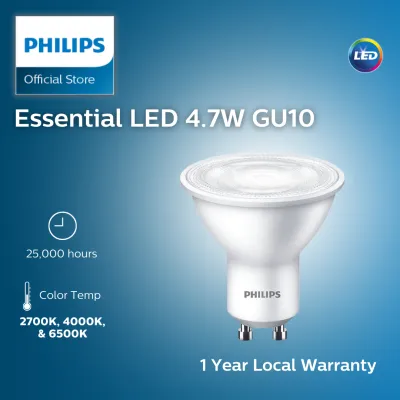
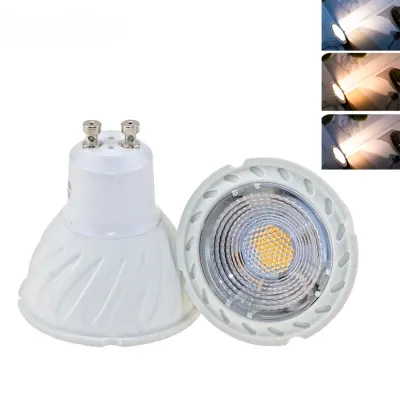
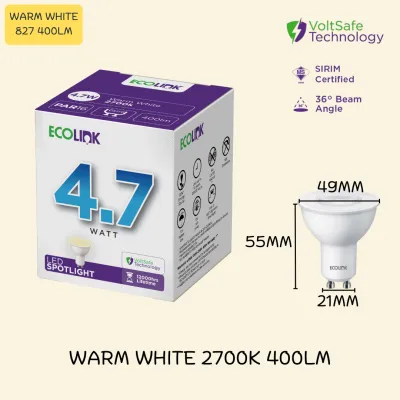
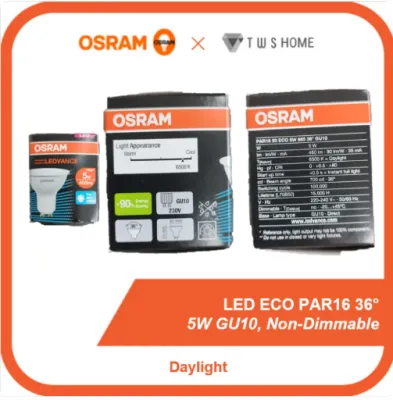
![[Bundle of 4] OSRAM LED GU10 4W 3000K 4000K 6500K](https://img.lazcdn.com/g/p/26532a0dbf8a80865882080a49bfdd0a.jpg_400x400q80.jpg_.webp)
Prices are valid at publication and may change. Please refer to the product page for the latest price.

Luminous efficacy, expressed in lumens per watt (lm/W), is the ultimate metric for comparing energy efficiency. Think of it as the fuel economy rating for your light bulbs. A bulb that produces 450 lumens while consuming 5 watts has an efficacy of 90 lm/W. If another brand’s bulb produces the same 450 lumens but draws 6 watts, its efficacy drops to 75 lm/W. Over thousands of operating hours, that small difference in power draw accumulates into noticeable differences on your utility bills.
The 4000K color temperature, often described as neutral white or cool white, inherently benefits from high LED phosphor efficiency. White LEDs are constructed using blue LED chips coated with a yellow-emitting phosphor layer. To create warmer light temperatures like 2700K or 3000K, manufacturers must apply a thicker, more complex phosphor coating to filter out more blue light. This thicker layer absorbs more energy and reduces the overall light output. Because 4000K requires less heavy filtering, it naturally achieves a higher luminous efficacy than warmer equivalents while avoiding the harsh, sterile blue cast of 6500K daylight bulbs.
However, achieving high efficiency in a GU10 bulb is challenging due to physical design constraints. The GU10 base features a bi-pin twist-lock design spaced 10mm apart, operating directly on mains voltage (230V in Singapore). Because these bulbs are incredibly compact, they have a very small surface area for heat dissipation. LEDs are highly sensitive to heat; if the internal driver or LED chips run too hot, their efficiency plummets, and their operational lifespan is drastically shortened. Because GU10 bulbs rely entirely on passive cooling within a cramped housing, their maximum wattage is typically capped around 5W to 7W. This thermal limitation makes high luminous efficacy absolutely critical, as you must extract the maximum possible brightness from a very limited power envelope.
Core Specifications to Compare Across Different Brands
When evaluating GU10 4000K bulbs from various brands, you need a standardized method to compare them. Relying on brand reputation alone is not enough, as high-end brands often offer multiple tiers of products ranging from basic budget lines to high-performance professional series.
Luminous Efficacy (lm/W) vs. Total Lumens
To find the true efficiency of any GU10 bulb, look at the technical specifications on the packaging and divide the stated lumen output by the rated wattage. However, you must carefully balance raw efficacy with your actual spatial brightness requirements. For example, a highly efficient 3W bulb delivering 300 lm achieves an impressive efficacy of 100 lm/W. While this bulb is highly efficient, it may not provide enough total light if installed in a high-ceiling kitchen or a spacious living room.
Conversely, a 6W bulb delivering 540 lm has a lower efficacy of 90 lm/W, but it provides the higher illumination level required for safe food preparation or reading. If you install underpowered bulbs simply because they have a high lm/W rating, you may end up needing to install more fixtures overall, which negates your energy savings. First, determine the total lumens required for your space, and then compare the lm/W ratings of bulbs that meet that specific brightness threshold.
Beam Angle and Usable Light Distribution
The beam angle of a GU10 bulb determines how the light is distributed across a room, which directly affects how bright a space feels. GU10 bulbs are directional spotlights, typically available in narrow spot angles (around 24° to 36°) or wider flood angles (60° or more). The choice of beam angle impacts your perceived energy efficiency.
A narrow beam angle concentrates the emitted lumens into a tight, intense cone of light. This makes a specific surface, such as a kitchen countertop or a study desk, appear exceptionally bright without requiring a high-wattage bulb. A wide flood angle spreads the same number of lumens over a much larger area, which lowers the intensity on any single spot. For task lighting, choosing a narrow beam angle allows you to use lower-wattage bulbs to achieve the desired brightness on your work surfaces, effectively maximizing your usable light and reducing overall energy consumption.
Color Rendering Index (CRI) and Efficiency Trade-offs
The Color Rendering Index (CRI) measures how accurately a light source reveals the true colors of objects compared to natural sunlight, rated on a scale up to 100. Standard LED bulbs typically have a CRI of 80, while high-fidelity bulbs offer a CRI of 90 or higher. While a higher CRI makes colors look richer and more natural, it comes with a hidden energy cost.
To achieve a CRI of 90+, manufacturers must use a more complex blend of phosphors, particularly those that emit red light. These dense phosphors absorb more of the raw light emitted by the blue LED chip, which reduces the bulb’s overall luminous efficacy by approximately 10% to 15% compared to a CRI 80 bulb. For areas where color accuracy is not critical, such as hallways, stairwells, and general storage areas, choosing CRI 80 bulbs will maximize your energy savings. For spaces like kitchens, dining areas, or vanity mirrors where representing accurate skin tones and food colors is important, accepting the minor efficiency penalty of a CRI 90+ bulb is a worthwhile trade-off.
Verifying Efficiency Claims and Energy Labels in Singapore
To protect yourself from exaggerated marketing claims, you must know how to verify a brand’s specifications using local standards and official certifications. Many generic or unbranded bulbs sold online make unrealistic performance promises that do not hold up under real-world testing.
In Singapore, lighting products are subject to strict regulatory oversight to ensure consumer safety and environmental sustainability. The National Environment Agency (NEA) administers the Mandatory Energy Labelling Scheme (MELS). Under this scheme, registered lamps must display an energy label featuring a tick rating system, ranging from 1 to 5 ticks. The more ticks a bulb has, the more energy-efficient it is. When shopping for GU10 bulbs locally, always look for the official NEA MELS label on the packaging or product listings, as this indicates the bulb’s efficacy has been independently verified.
Additionally, you should look for recognized international safety and quality certifications. For example, the Enterprise Singapore Safety Mark is a critical certification for electrical products operating on 230V mains power. This mark ensures the bulb’s internal driver has been tested against electrical faults, short circuits, and overheating risks.
Be highly skeptical of prominent packaging claims such as “replaces 50W halogen.” These comparisons are highly subjective and often misleading. A manufacturer might claim a 4W LED bulb replaces a 50W halogen, but if that LED only outputs 350 lumens, it will feel noticeably dimmer than a standard 50W halogen, which typically produces between 400 and 500 lumens. Always ignore the “equivalent” wattage claim and focus entirely on the actual lumen output and rated wattage printed in the technical specifications.
Decision Framework: Matching Brand Profiles to Your Lighting Needs
Because there is no single “best” brand for every scenario, choosing the right GU10 4000K bulb requires matching different brand profiles to your specific household priorities and installation environments.
- Choose premium, established lighting brands if: You prioritize long-term lumen maintenance, ensuring your bulbs do not dim significantly after a few thousand hours of use. You also require strict color consistency, meaning that if you replace a single bulb in a multi-light ceiling fixture, the new bulb's 4000K color will perfectly match the existing ones. Additionally, these brands offer reliable, smooth dimming compatibility without annoying flickering or buzzing. They invest heavily in high-quality electronic components, such as robust capacitors and advanced drivers, which justify their higher upfront cost by delivering stable performance and a long lifespan.
- Choose high-efficacy commercial or specialized brands if: Your primary goal is achieving the absolute lowest possible operating costs and the highest lm/W ratings. These are ideal if you are purchasing bulbs in bulk for high-usage environments, such as commercial offices, retail spaces, or home areas where lights remain turned on for more than 8 hours a day. In these scenarios, the rapid payback period from energy savings easily offsets any minor trade-offs in color rendering or premium dimming features.
- Choose smart or connected GU10 brands if: You want to integrate your lighting into a smart home ecosystem, allowing you to set automated schedules, use motion sensors, or dim lights automatically when rooms are unoccupied. However, you must be diligent about monitoring standby power consumption. Smart bulbs must maintain a continuous wireless connection (via Wi-Fi, Zigbee, or Bluetooth), which means they draw a small amount of standby power (typically 0.2W to 0.5W) even when the light is turned "off." If you have dozens of smart bulbs installed throughout your home, this cumulative standby draw can slowly eat into your active energy savings, so look for smart brands that minimize standby power draw.
- Verify first if: Your GU10 fixtures are fully enclosed or tightly recessed into insulated ceilings. Because of the compact size of GU10 bulbs, heat buildup can be severe in confined spaces. You must check the manufacturer's technical datasheets to confirm if the bulb is rated for use in enclosed fixtures. Installing a standard LED bulb in an unventilated, enclosed environment will trap heat, leading to rapid driver degradation, premature failure, and the voiding of your warranty.
Installation and Usage Tips to Maximize Real-World Savings
To ensure your new GU10 4000K LED bulbs operate safely and maintain their high energy efficiency throughout their rated lifespan, you must follow proper installation and maintenance practices.
- Safety First: GU10 bulbs operate on mains voltage (230V in Singapore), which poses a significant risk of electrical shock if handled improperly. Before installing, replacing, or cleaning any light bulb, always isolate the power. Turn off the wall switch and switch off the corresponding circuit breaker at your home's main distribution board (DB box). If your project involves modifications to fixed wiring, working at significant heights, or installing fixtures in damp areas like bathrooms, always stop and consult a licensed electrical worker (LEW) or a qualified professional.
- Heat Management: Ensure there is adequate ventilation clearance around your recessed downlight fixtures. Avoid packing thermal insulation directly over the top of non-IC (Insulation Contact) rated downlight canisters, as this traps heat and raises the bulb's operating temperature. Keeping your bulbs cool ensures they run at peak efficiency and prevents premature driver failure. Always verify the physical dimensions of the replacement bulb against your existing fixture to ensure there is enough space for heat dissipation.
- Dimmer Compatibility: If you plan to dim your GU10 bulbs, verify that the bulb is explicitly labeled as "dimmable." You must pair dimmable LED bulbs with a compatible LED-rated dimmer switch, typically a trailing-edge dimmer. Using an older leading-edge dimmer designed for incandescent or halogen bulbs can cause rapid flickering, audible buzzing, and electrical stress. This not only wastes energy but also rapidly destroys the bulb's internal driver. Always cross-reference the bulb manufacturer's approved dimmer compatibility list before completing your installation.
Frequently Asked Questions (FAQ)
Can I replace a 50W halogen GU10 with a 4000K LED for the same brightness?
Yes, you can easily replace a 50W halogen GU10 with a 4000K LED bulb. A standard 50W halogen bulb typically produces between 400 and 500 lumens of light. To match this brightness, look for a 4000K LED GU10 bulb that explicitly states a light output of 400 to 500 lumens on its packaging. A high-quality LED bulb will achieve this brightness while consuming only 4W to 6W of electricity. This represents an energy reduction of up to 90%, significantly lowering your electricity bills while producing far less heat.
Do 4000K LED bulbs consume more power than 2700K or 3000K bulbs?
No, 4000K LED bulbs do not consume more power than warmer alternatives. A bulb’s power consumption is determined solely by its rated wattage; a 5W 4000K bulb and a 5W 2700K bulb draw the exact same amount of electricity from your grid. However, due to the physical efficiency of the phosphors used in LED manufacturing, a 4000K (neutral white) bulb often produces slightly more lumens per watt than a 2700K (warm white) or 3000K bulb of the same wattage. This means you get a brighter space for the exact same energy cost.
Community discussion
Share your experience or ask a question. Comments are reviewed before publication.