
Finding the most energy-efficient and bright GU10 LED 3W bulb in Singapore requires looking beyond brand names and focusing on verified performance specifications. Because different manufacturers utilize varying chip technologies and thermal designs, two bulbs rated at the exact same 3W power consumption can deliver noticeably different brightness levels and lifespans. To make an informed decision, you must evaluate how effectively a bulb converts electricity into usable light, how safely it operates under local electrical standards, and how its physical design fits your existing fixtures.
Rather than searching for a single universal winner, the key is to understand how to read technical specifications and match them to your specific home environment. Whether you are highlighting a piece of art in your living room or installing recessed spotlights in a kitchen, the right balance of lumens, beam angles, and color rendering will determine the success of your lighting setup. This guide outlines the essential metrics, safety standards, and decision frameworks to help you compare available options and select the most efficient bulbs for your needs.
Understanding GU10 LED 3W Baseline Specifications
To compare GU10 LED 3W bulbs accurately, you must first understand the baseline technical specifications that define this category. The GU10 designation refers to the physical base of the bulb, which features a bi-pin connector with a twist-and-lock mount where the pins are spaced exactly 10 millimeters apart. Unlike low-voltage bulbs that require an external transformer, GU10 bulbs operate directly on mains voltage, which in Singapore is standard at 220V to 240V. This direct connection simplifies installation but makes verifying electrical compatibility and safety standards highly critical.
Products mentioned in this guide
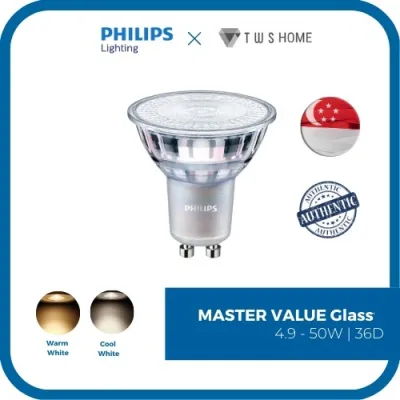
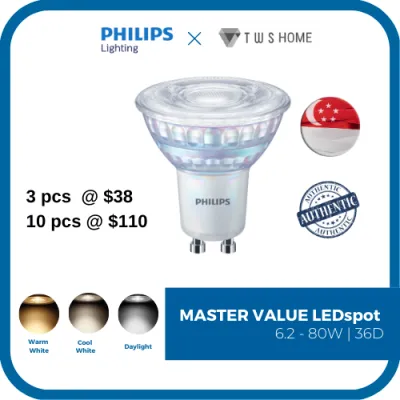
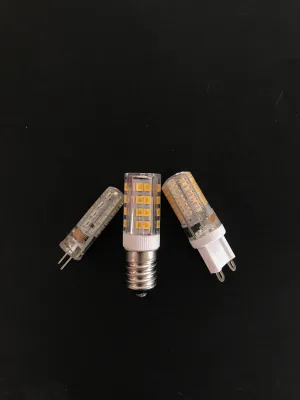
Prices are valid at publication and may change. Please refer to the product page for the latest price.
One of the most common misconceptions when buying light bulbs is equating wattage with brightness. Wattage measures the amount of electrical power a bulb consumes, not the amount of light it emits. A 3W LED bulb is designed to be a low-energy alternative to traditional halogen spotlights, but the actual light output is measured in lumens. When comparing different brands, you should look at the lumen rating printed on the packaging; a bulb that delivers more lumens at the same 3W rating is fundamentally more efficient at converting electricity into light.
The beam angle is another crucial specification that determines how the light behaves once it leaves the bulb. GU10 bulbs are directional spotlights, meaning they project light in a specific cone rather than distributing it in all directions like a standard globe bulb. A narrow beam angle, typically between 15 and 36 degrees, concentrates the light into a tight, intense spot, which is ideal for accent lighting. A wide beam angle, often 60 degrees or broader, spreads the light over a larger area, making it more suitable for general ambient illumination but reducing the perceived intensity of the light.
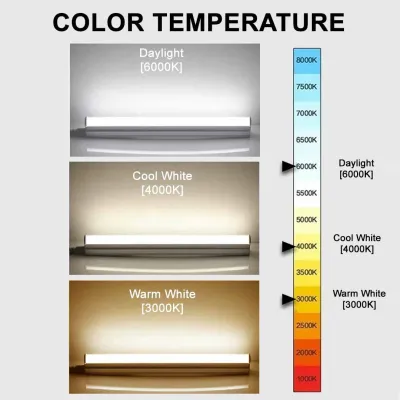
Color temperature is a conditional preference that affects the visual atmosphere of a room rather than the physical performance of the bulb. Measured in Kelvin (K), color temperature options generally fall into three categories: warm white (2700K to 3000K), cool white (4000K), and daylight (6000K to 6500K). Warm white provides a soft, yellow-toned glow that enhances relaxation in bedrooms and living areas. Cool white offers a neutral, crisp light that aids focus in study rooms and home offices, while daylight delivers a bright, blue-toned light that mimics natural outdoor conditions, often preferred for task-oriented spaces like kitchens and bathrooms.
Key Metrics to Compare Energy Efficiency and Brightness
When evaluating the energy efficiency of different GU10 LED 3W brands, the primary metric to calculate is luminous efficacy, expressed in lumens per watt (lm/W). You can easily determine this by dividing the bulb’s total lumen output by its rated wattage of three watts. For instance, a 3W bulb that produces 240 lumens has an efficacy of 80 lm/W, whereas a model that produces 300 lumens achieves 100 lm/W. When comparing brands in local retail stores or online marketplaces, prioritizing a higher lm/W ratio ensures you get the maximum possible brightness for your energy consumption.

In addition to calculating efficacy, you should look for verified energy labels and certifications on the product packaging. While energy labeling schemes can vary, reputable manufacturers voluntarily submit their products to independent testing bodies to verify their efficiency claims. These certifications provide assurance that the bulb actually performs at its stated wattage and lumen output, protecting you from exaggerated marketing claims often found on unbranded or generic products.
Another critical factor to consider is the Color Rendering Index (CRI), which measures how accurately a light source reveals the true colors of objects compared to natural sunlight. CRI is rated on a scale up to 100, with higher numbers indicating better color accuracy. However, there is a technical trade-off between high color rendering and maximum energy efficiency. Bulbs designed with a high CRI of 90 or above require specialized phosphor coatings that absorb more light, which slightly reduces the overall lumen output and efficacy. For general areas like hallways, a standard CRI of 80 is highly efficient and sufficient, while spaces where color accuracy is vital, such as dining tables or art displays, justify the slight efficiency trade-off of a high-CRI bulb.
Evaluating Brand Reliability and Safety Standards
Because GU10 bulbs connect directly to your home’s mains electrical system, verifying safety standards is far more important than chasing the lowest price. In Singapore, it is essential to check that the bulb or its official importer carries the mandatory Safety Mark. This certification, issued by Enterprise Singapore, confirms that the product has been tested and registered to meet stringent local electrical safety requirements. Using uncertified bulbs increases the risk of electrical short circuits, overheating, and potential damage to your home’s wiring.
Brand reliability can also be gauged by examining the manufacturer’s warranty and the rated lifespan of the bulb. Reputable brands typically offer a warranty of two to five years, which reflects their confidence in the product’s durability. When reviewing technical specification sheets, look for the rated lifespan expressed through the L70/B50 standard. An L70 rating of 15,000 hours indicates that after this period of use, the bulb is expected to retain at least 70% of its original brightness, while the B50 metric means that 50% of the tested batch may fall below this threshold. Clear disclosure of these metrics is a strong indicator of a reliable manufacturer.
The physical build quality and heat dissipation design of the bulb are direct indicators of its long-term reliability. Although a 3W LED bulb generates significantly less heat than an equivalent halogen, the internal electronic driver and LED chips are highly sensitive to thermal stress. High-quality brands design their bulbs with effective heat sinks made from ceramic, aluminum, or advanced thermally conductive polycarbonates. When handling bulbs, avoid those that feel exceptionally light or are constructed entirely of thin, cheap plastics, as poor heat dissipation will cause the bulb to dim prematurely or fail long before its rated lifespan.
Decision Framework: Matching Bulbs to Your Lighting Needs
To select the ideal GU10 LED 3W bulb for your home, you should apply a structured decision framework based on the specific requirements of each room. If your goal is to create focused accent lighting—such as highlighting artwork, decorative features, or specific task areas—you should select a bulb with a narrow beam angle of 24 to 36 degrees and a high CRI of 90 or above. This combination ensures that the light is concentrated precisely where you want it and that colors appear vibrant and natural.
For general ambient lighting in corridors, open-plan living areas, or kitchens, your priority should shift toward maximum light distribution. In these scenarios, choose a bulb with a wide beam angle of 60 degrees or more and a high lumen output of at least 250 to 300 lumens. This setup allows the light to overlap smoothly across the space, reducing harsh shadows and creating a more comfortable, evenly lit environment.
Before making any purchase, you must verify the physical and electrical compatibility of the bulb with your existing fixtures. Measure the depth and diameter of your spotlight housings, as some LED GU10 bulbs have slightly longer profiles than traditional halogens due to their integrated heat sinks. If you plan to install the bulbs in recessed fixtures within insulated ceilings, ensure the product is rated for enclosed environments to prevent heat buildup. Additionally, if you are upgrading a smart lighting circuit or a system with wall dimmers, verify that the bulb is explicitly labeled as dimmable and matches your dimmer type.
For any installation work that involves fixed wiring, damp environments like bathrooms, or working at heights on tall ceilings, safety must be your top priority. Always isolate the electrical power at the main distribution board before removing or installing bulbs. If you are replacing entire light fixtures, modifying the wiring, or are unsure about compatibility, always engage a qualified licensed electrician to perform the work in accordance with local safety regulations.
Frequently Asked Questions (FAQ)
Can I replace a 50W halogen GU10 with a 3W LED bulb?
Yes, you can directly replace a traditional 50W halogen GU10 with a 3W LED bulb, provided the physical dimensions and voltage match. A standard 50W halogen typically produces around 350 to 400 lumens of light. To achieve a comparable level of brightness, look for a high-efficiency 3W LED bulb that delivers at least 250 to 300 lumens. Making this switch will reduce your energy consumption for that fixture by over 90% and significantly lower the heat emitted into your living space.
Do all GU10 LED 3W bulbs work with dimmer switches?
No, not all GU10 LED 3W bulbs are compatible with dimmer switches. You must check the product packaging or specification sheet to ensure the bulb is explicitly labeled as dimmable. Furthermore, traditional dimmer switches designed for high-wattage halogen bulbs often do not function correctly with low-wattage LED bulbs, which can lead to flickering, buzzing, or premature component failure. For optimal performance, ensure your wall switch is a trailing-edge dimmer designed for LED loads, and check the bulb manufacturer’s compatibility list.
Community discussion
Share your experience or ask a question. Comments are reviewed before publication.