
Finding the most energy-efficient GU10 warm LED bulb in Singapore requires looking beyond brand marketing and focusing on verified performance metrics. While many brands promise high energy savings, the true efficiency of a warm-toned directional bulb depends on its luminous efficacy, driver design, and thermal management. By comparing technical specifications and local energy labels, you can identify which bulbs deliver the brightest warm light for every watt of electricity consumed.
Because GU10 bulbs are commonly used in recessed downlights and track lighting systems across Singaporean homes, selecting the right bulb can have a noticeable cumulative impact on your monthly utility bill. Evaluating these bulbs systematically ensures you do not sacrifice light quality or safety in pursuit of lower energy consumption.
Understanding Energy Efficiency in GU10 Warm LEDs
To accurately assess the energy efficiency of a GU10 warm LED bulb, you must look at luminous efficacy rather than wattage alone. Luminous efficacy is measured in lumens per watt (lm/W), representing the amount of visible light produced for every watt of electrical power consumed. A bulb with high efficacy delivers the same brightness as a lower-efficacy model while drawing less power from your electrical grid.
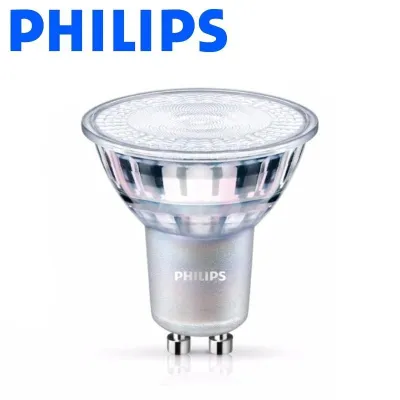
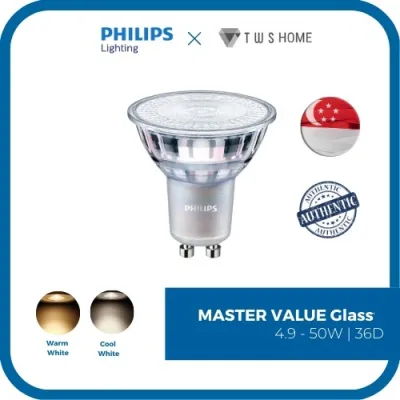
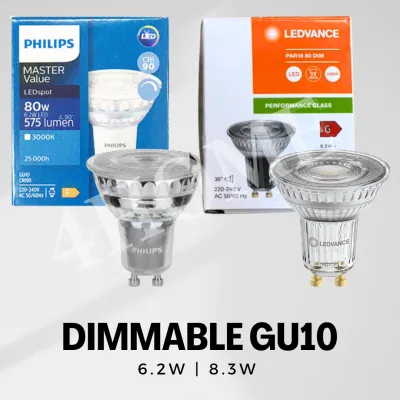
Products mentioned in this guide
![[HomeBox] 🇸🇬 MUYISO 6W | 8W LED bulb GU10 Spot Light / Track Light Bulb Cool White Nature White Warm White (6500K 4000K 3000K)](https://img.lazcdn.com/g/p/1675473c10c402e452f87ff60dd0a30a.png_400x400q80.png_.webp)
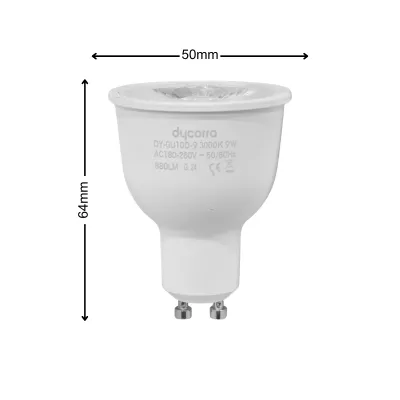
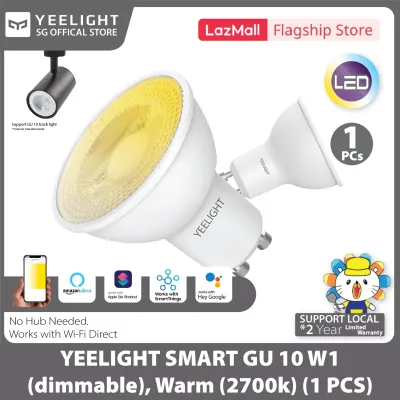
Prices are valid at publication and may change. Please refer to the product page for the latest price.
Color temperature and color rendering also play a significant role in how we perceive this efficiency. Warm white bulbs, typically rated between 2700K and 3000K, emit a cozy, yellowish glow that mimics traditional halogen lighting. To achieve this warm tone, manufacturers apply a phosphor coating over the blue LED chips inside the bulb. This coating filters the light, which can slightly reduce the overall lumen output compared to cool white or daylight bulbs of the exact same wattage. Consequently, a warm LED must have a highly efficient chip and driver design to maintain a high lm/W ratio.
Furthermore, the Color Rendering Index (CRI) affects perceived brightness. Bulbs with a high CRI (typically CRI 90 or above) render colors more accurately under warm light, making spaces feel brighter and more vibrant without requiring you to install higher-wattage bulbs. However, because denser phosphor coatings are needed to achieve high CRI, there is often a slight trade-off in raw luminous efficacy. Balancing these two factors is key to choosing a bulb that is both visually pleasing and energy-efficient.
In Singapore, the easiest way to verify these measurements is by checking the Mandatory Energy Labelling Scheme (MELS) label, which is regulated by the National Environment Agency (NEA). This label features a tick rating system designed specifically for lamps, including LED reflectors. A higher number of ticks indicates superior energy efficiency under standardized testing conditions, allowing you to quickly compare different brands on the shelf. Always look for this official label to verify that a manufacturer’s efficiency claims are backed by local regulatory standards.
Key Specifications to Compare Across Brands
When comparing GU10 warm LED bulbs across different brands, a standardized checklist of technical specifications will help you make an objective decision. The first step is to compare the actual lumen output against the rated wattage. Do not assume that a lower-wattage bulb is automatically more efficient. For example, a 4.5W bulb producing 400 lumens (approx. 89 lm/W) is more efficient than a 4W bulb that only produces 300 lumens (75 lm/W). Always calculate or look up the lm/W ratio to find the true efficiency leader.

Beam angle is another critical specification that influences how effectively a bulb uses its energy. GU10 bulbs are directional spotlights, and their beam angles typically range from a narrow 24 degrees to a wide 60 degrees. A narrow beam concentrates light into a tight, intense spot, which is ideal for accent lighting or highlighting specific design features. A wider beam spreads the light over a larger area, making it more suitable for general ambient illumination. Choosing the correct beam angle ensures that light is directed exactly where it is needed, preventing the energy waste associated with over-lighting a room.
Lifespan claims and lumen maintenance are also vital for long-term energy and cost savings. LED bulbs gradually dim over time rather than burning out suddenly. Reputable brands provide an L70 rating, which indicates the number of operating hours a bulb can run before its light output drops to 70% of its original brightness. A bulb rated for 25,000 hours under L70 conditions will maintain its energy-efficient brightness far longer than a cheaper alternative rated for only 15,000 hours, reducing the frequency and cost of replacements.
Finally, evaluate dimmability and driver efficiency. If you plan to use your GU10 bulbs with a dimmer switch, you must select a model explicitly labeled as dimmable. Non-dimmable LEDs installed on dimming circuits can suffer from severe flickering, buzzing, and premature driver failure. Additionally, check the bulb’s power factor (PF) on its technical datasheet. A power factor closer to 1.0 indicates that the internal driver converts AC power to DC power with minimal electrical waste, ensuring the bulb operates at peak efficiency without putting unnecessary strain on your home’s electrical wiring.
Choosing the Right Brand Tier for Your Needs
Selecting the right GU10 warm LED bulb often comes down to choosing between premium and value-oriented brand tiers. Premium brands generally invest heavily in advanced thermal management and high-quality internal components. Because Singapore’s tropical climate keeps ambient indoor temperatures relatively warm, heat dissipation is crucial. Premium bulbs often feature robust aluminum or ceramic heatsinks that draw heat away from the sensitive LED chips, preserving both driver efficiency and color consistency over years of continuous use.
These premium options also utilize strict color binning processes. This means that every warm white bulb you purchase from the same product line will emit the exact same shade of warm light, avoiding the distracting green or pink color shifts that can occur when mixing cheaper bulbs. If you are installing GU10 bulbs in highly visible areas, such as living room downlights, art features, or open kitchen tracks, the consistent color rendering and superior thermal design of a premium brand are highly beneficial.
On the other hand, reputable value brands are an excellent choice for general illumination in open fixtures where heat can escape easily. If you need to outfit a large number of track lights in a well-ventilated hallway or utility space, value-tier bulbs offer a much lower upfront cost in S$ while still delivering respectable energy savings. These brands provide standard warm white light that is perfectly adequate for everyday tasks, making them a practical option for budget-conscious homeowners.
Regardless of the brand tier you choose, always verify that the manufacturer provides accessible local warranty support and clear, standardized specification sheets. Avoid buying unbranded bulbs from online marketplaces that lack clear details on lumen output, beam angles, or safety certifications. In Singapore, electrical safety is paramount. Ensure any bulb you purchase carries the local Safety Mark, which indicates the product has been tested and approved for safe use on the local 230V electrical grid.
Safe Installation and Compatibility Checks
Before installing your new GU10 warm LED bulbs, you must perform several physical and electrical compatibility checks to ensure safe operation. First, verify the physical fit of the bulb. GU10 bulbs feature a distinct twist-and-lock base with two pins spaced 10mm apart. While the base is standard, the overall physical dimensions of the bulb—especially the length and diameter—can vary slightly between brands. Ensure the bulb fits comfortably within your existing downlight canisters or track heads without forcing it.
Next, confirm that the fixture’s maximum wattage limit is respected. Even though LED bulbs draw significantly less power than legacy halogen bulbs, the fixture itself still has physical and thermal limits that must not be exceeded. If you are retrofitting older 12V MR16 halogen systems to GU10 LEDs, keep in mind that GU10 bulbs operate directly on mains voltage (230V AC, 50Hz). This means you will need to bypass or completely remove any existing low-voltage transformers from the circuit, a process that involves modifying fixed electrical wiring.
Safety must always be your top priority when handling electrical installations. Before replacing any bulbs, modifying fixtures, or working on wiring, isolate the power completely at your home’s main distribution board (DB box) rather than relying solely on the wall switch. If your installation requires working at heights on a ladder, ensure the ladder is placed on a stable, level surface and that you have proper support. For installations in damp environments, such as bathrooms or outdoor balconies, ensure both the bulb and the fixture carry an appropriate Ingress Protection (IP) rating to prevent moisture ingress.
If you encounter complex wiring configurations, legacy dimmer switches that cause persistent flickering, or exposed wires during the installation process, stop immediately. Do not attempt to resolve these issues yourself. Consult a licensed electrical worker (LEW) or a qualified professional to handle the installation safely and ensure your home’s electrical system remains fully compliant with local safety regulations.
Frequently Asked Questions (FAQ)
Do warm white GU10 LEDs consume more power than cool white ones?
No, warm white GU10 LEDs do not inherently consume more electrical power (wattage) than cool white ones. However, because warm white bulbs require a thicker phosphor coating to convert blue LED light into warm tones, they can have a slightly lower luminous efficacy (lumens per watt). This means a warm white bulb might produce slightly fewer lumens than a cool white bulb of the exact same wattage. To achieve the exact same level of perceived brightness, you might need a fractionally higher wattage in a warm tone, though this difference is negligible on household utility bills.
Can I use a smart GU10 bulb to improve energy savings?
Yes, smart GU10 bulbs can help improve overall energy savings, but they come with a trade-off. Smart bulbs draw a tiny amount of standby power (often referred to as vampire draw, usually under 0.5W) even when turned off, as they must remain connected to your home network. However, they allow you to set automated schedules, use motion sensors, and dim the lights easily. By ensuring your lights are only turned on when needed and operate at lower brightness levels, the active energy saved typically far outweighs the minor standby power consumption.
Why do some GU10 LEDs flicker on my existing dimmer switch?
Flickering usually occurs because of a technical mismatch between modern LED drivers and legacy dimmer switches designed for older halogen bulbs. Halogen dimmers typically require a high minimum electrical load (often 40W or more) to operate smoothly. Because a single GU10 LED bulb draws only a fraction of that power (typically 4W to 7W), the legacy dimmer cannot detect the load properly, causing the light to flicker or buzz. To resolve this issue, you should replace your older dimmer switch with a modern trailing-edge dimmer specifically rated for LED compatibility.

Community discussion
Share your experience or ask a question. Comments are reviewed before publication.