
Scent longevity in a home aroma diffuser depends less on the brand name printed on the bottle and more on the underlying chemical formulation, reed material, and the specific indoor environment where it is placed. While premium brands often promise months of continuous fragrance, achieving lasting scent throw requires understanding how carrier liquids evaporate and how to calculate the true cost of refills. By evaluating these physical factors, you can accurately compare popular options in Singapore to find a diffuser that balances long-lasting performance with your budget.
Key Factors That Determine Reed Diffuser Longevity
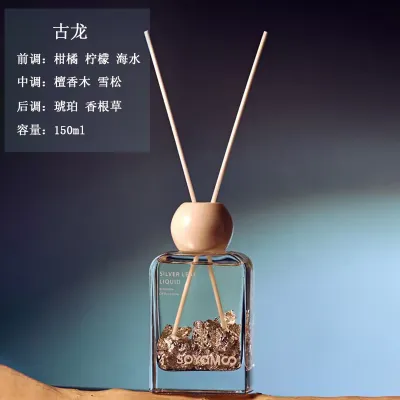
To understand why one home aroma diffuser outlasts another, it is essential to look past marketing claims and examine the physical and chemical variables at play. The primary driver of longevity is the base liquid composition. Diffusers generally use either an alcohol-based carrier or an oil-based solvent. Alcohol-based formulas evaporate rapidly, creating a powerful, immediate scent throw that quickly fills a room, but the liquid reservoir depletes much faster. Conversely, oil-based or water-soluble glycol formulas evaporate at a much slower, more controlled rate, providing a subtle but significantly longer-lasting fragrance.
The material and porosity of the reeds also dictate how quickly the fragrance is drawn up and dispersed into the air. Traditional natural rattan reeds contain microscopic vascular ducts that naturally siphon the liquid upward. However, because rattan is an organic material, these channels can vary in size and are prone to clogging over time as the heavier fragrance compounds settle. Modern synthetic fiber reeds are engineered with highly consistent, open-pore structures. These fiber reeds absorb and release liquid much faster than rattan, resulting in a stronger scent throw, though this accelerated capillary action draws down the liquid level more rapidly.
Products mentioned in this guide
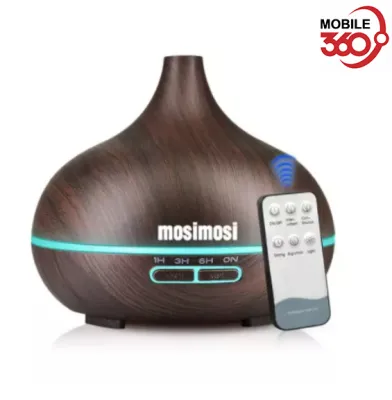
![[KIRONA SCENT] Dreams Aroma Diffuser 300ml | Minimalistic Design Ultrasonic Humidifier | 7 LED Mood Lights | Home Decor Fragrance Gifts](https://img.lazcdn.com/g/p/576cba30efdbae57aaf772acf532810b.png_400x400q80.png_.webp)
![[KIRONA SCENT] Luna Aroma Nebulizer (Beige) | Pure Essential Oil | Waterless Diffuser | Flameless & Heatless | Timer Option | Home Office Shop Aromatherapy Solutions](https://img.lazcdn.com/g/p/d7bba8062345b7943b9cd208cbeb8369.jpg_400x400q80.jpg_.webp)
![[KIRONA SCENT] Tower Nebulizer (Black) | Waterless Diffuser | FREE 100ml Pure Essential Oil](https://img.lazcdn.com/g/p/662b3b481e9c6b7a9fb3d4a2c7a21983.png_400x400q80.png_.webp)
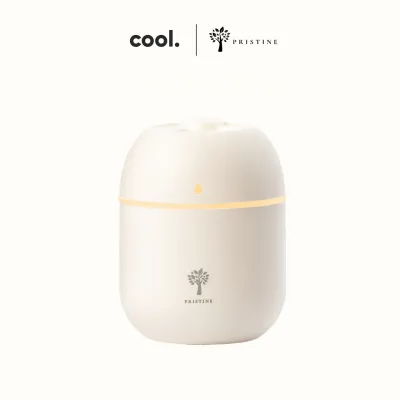
![[KIRONA SCENT] Spa White Reed Diffuser 110ml | Aromatherapy Home & Office Fragrances Decor Gifts | Luxurious Hotel Mall & Perfume Scents](https://img.lazcdn.com/g/p/5c602c185770fdadda7ba184536b27b6.png_400x400q80.png_.webp)
Prices are valid at publication and may change. Please refer to the product page for the latest price.
Environmental factors in Singapore homes play an equally critical role in how fast a diffuser evaporates. The tropical climate, characterized by high ambient humidity, can actually slow down the evaporation of water-soluble bases, but most households rely heavily on air conditioning and ceiling fans. Air conditioning cools the air and lowers humidity, which accelerates the evaporation of volatile organic compounds in the diffuser liquid. Furthermore, the constant air currents generated by ceiling fans or standing fans speed up the rate of evaporation across the exposed surfaces of the reeds. Placing a diffuser directly in the path of an air conditioner draft or a fan will dramatically shorten its lifespan, regardless of the brand’s quality.
How to Evaluate Brand Claims and Specifications
When shopping for a home aroma diffuser, manufacturers often advertise a specific number of weeks or months of continuous fragrance. To verify these claims, you can perform a simple baseline calculation using the net liquid volume listed on the packaging. For example, if a brand sells a 100ml diffuser and claims it lasts for two months, the implied daily evaporation rate is roughly 1.6ml. If another brand claims a 100ml bottle will last for four months, the daily evaporation rate must be much lower, around 0.8ml. A lower daily evaporation rate typically indicates a highly viscous, oil-based formula that will deliver a much milder, localized scent throw.

Examining the ingredient list on the product label or safety data sheet provides further clues about how a diffuser will perform. While proprietary fragrance blends are rarely fully disclosed, the carrier solvent is usually listed. If volatile solvents or alcohol derivatives appear near the top of the ingredient list, expect a fast-evaporating, high-intensity experience. If carrier oils, glycol ethers, or specialized low-volatility solvents dominate the formula, the liquid is designed for a slow, steady release. Brands that prioritize natural essential oils without synthetic stabilizers may also experience faster degradation when exposed to air and light, altering both the scent profile and the evaporation rate over time.
Additionally, check the manufacturer’s instructions regarding reed-flipping frequency and replacement schedules. Some brands recommend flipping the reeds every few days to maintain a strong scent throw, while others suggest doing so only once a week or when the fragrance fades. Every time you flip the reeds, you expose fully saturated material to the air, which temporarily spikes the evaporation rate. A brand that requires frequent flipping to remain noticeable will deplete its liquid volume much faster than advertised. Understanding these operational requirements allows you to estimate the realistic lifespan of the product under active use.
Comparing Value: Calculating the True Cost of Fragrance
Evaluating the true value of a home aroma diffuser requires looking beyond the initial retail price. A premium luxury diffuser might seem expensive upfront, but if it lasts significantly longer than a cheaper alternative, the long-term cost may actually be lower. To compare different brands fairly, calculate the estimated monthly cost in S$ using the initial purchase price and the verified lifespan. For instance, a starter set priced at S$90 that lasts for three months costs S$30 per month. A mass-market alternative priced at S$40 that only lasts for one month costs S$40 per month. By breaking down the cost to a monthly metric, you can make an objective financial comparison.
Another critical factor in the value equation is the availability and cost of refill options. Many reputable brands offer refill pouches or bottles alongside their decorative glass starter sets. These refills typically contain the same volume of fragrance liquid but are priced 30% to 50% lower because they omit the expensive glass vessel and decorative packaging. Before committing to a brand, verify whether they sell standalone refills locally in Singapore or if you must purchase an entirely new starter set each time. Opting for a brand with a robust refill system not only reduces your recurring monthly expenditure but also minimizes household waste.
Finally, do not overlook the recurring expense of replacement reeds. Reeds are a consumable component of any home aroma diffuser. Over time, they become saturated with heavy oil residues and clogged with airborne dust, which severely restricts their capillary action. When you purchase a refill liquid, you must also replace the reeds to ensure proper scent dispersion; reusing old, clogged reeds with fresh liquid will result in a weak scent throw. Some brands include a fresh set of reeds with every refill bottle, while others require you to purchase them separately. Factor the cost of these replacement reeds—which typically range from S$5 to S$15 per pack—into your overall budget calculations.
Decision Framework: Choosing the Right Home Aroma Diffuser
Selecting the right home aroma diffuser involves balancing your personal scent preferences, the physical characteristics of your living space, and your budget. If your primary goal is maximum longevity and a subtle, continuous background fragrance, look for oil-based or slow-release formulas. These are highly suited for smaller, enclosed spaces such as bedrooms, study rooms, or guest bathrooms where air circulation is minimal. In these environments, a slow-evaporating diffuser can easily last for several months without overwhelming the senses, making it a highly cost-effective choice.
If you need to fragrance a larger, open-plan area like a living room, dining room, or a well-ventilated entryway, an alcohol-based or high-throw formula is more appropriate. These formulas are designed to project scent across a wider radius, overcoming the diluting effects of open windows, ceiling fans, or active air conditioning units. However, you must accept the trade-off that these high-performance diffusers will consume liquid at a much faster rate, requiring more frequent refills and resulting in a higher ongoing monthly cost.
Before purchasing an expensive premium starter set, always verify the local availability of compatible refills and replacement reeds. In Singapore, some niche international brands may only be available through sporadic imports or high-shipping-fee online platforms, making continuous maintenance impractical. Choosing a brand with a reliable local retail presence or accessible online marketplaces ensures you can easily sustain your home fragrance routine without unexpected delays or excessive shipping costs.
Maintenance Steps to Maximize Scent Throw and Lifespan
Proper maintenance is essential to ensure your home aroma diffuser performs optimally throughout its lifespan while protecting your home’s interior. When flipping the reeds to refresh the scent, always perform this task over a sink, a piece of scrap paper, or a paper towel. Fragrance oils are highly concentrated and can act as solvents; if spilled on varnished wood, painted shelves, or plastic surfaces, they can cause permanent staining, peeling, or warping. If any oil accidentally drips onto a surface, wipe it up immediately with a damp cloth and mild soap.
The physical placement of your diffuser also directly impacts its evaporation rate and safety. Position the vessel on a flat, stable surface away from the edges of tables or shelves where it could be knocked over. Keep the diffuser away from direct heat sources, open flames, and electrical appliances to prevent accidental spills from contacting electrical components. Direct sunlight and heat not only accelerate the evaporation of the carrier liquid but can also degrade the delicate fragrance compounds, causing the scent to change or lose its complexity. Additionally, avoid placing the diffuser directly under air conditioning vents or next to drafty windows, as the excessive airflow will dry out the reeds prematurely.
Lastly, learn to recognize when your reeds have reached the end of their functional life. If you notice that the liquid level in the bottle has stopped dropping but the fragrance has completely faded, the reeds are likely clogged with household dust or fully saturated with heavy oil molecules. Simply flipping them will no longer resolve the issue. In this scenario, do not attempt to wash or boil the old reeds; instead, discard them and insert a fresh set of compatible reeds. This simple step restores the capillary action and ensures you get the full value out of the remaining liquid in the bottle.
Frequently Asked Questions (FAQ)
Can I use a different brand's refill liquid in my existing diffuser bottle?
Yes, you can reuse an existing glass diffuser bottle with a different brand’s refill liquid, but you must take precautions to ensure compatibility. Mixing different fragrance formulations—especially an oil-based liquid with an alcohol-based one—can cause the liquids to separate, turn cloudy, or fail to draw up the reeds properly. To prevent this, thoroughly clean the glass vessel with warm, soapy water, rinse it with rubbing alcohol to remove any residual oils, and allow it to dry completely before pouring in the new refill liquid. Always use a fresh set of reeds with the new liquid.
Why does my reed diffuser stop smelling even when there is still liquid left?
When a diffuser stops throwing scent despite having liquid left, the primary culprit is usually clogged reeds. Over several weeks, airborne dust, pet dander, and humidity settle on the exposed portions of the reeds, blocking the microscopic pores that allow the liquid to evaporate. Additionally, the reeds can become oversaturated with the heavier base oils while the lighter fragrance compounds have already evaporated. To resolve this, gently swirl the remaining liquid in the bottle to ensure the mixture is homogeneous, discard the old reeds, and insert a brand-new set of reeds to restore proper capillary action.

Community discussion
Share your experience or ask a question. Comments are reviewed before publication.