
Quick Answer: Matching Japandi Pendant Light Brands to Your Needs
Finding the perfect Japandi pendant light (吊灯) in Singapore requires balancing clean, minimalist aesthetics with practical considerations like material authenticity, structural safety, and local electrical standards. The ideal brand tier or sourcing channel for your home depends primarily on your budget, timeline, and the specific installation environment.
For temporary living spaces, rentals, or strict budget constraints, mass-market flat-pack brands offer highly accessible, trending silhouettes with immediate availability, though they often require self-assembly and utilize synthetic or lighter materials. If you seek a balance of authentic natural materials, reliable local warranties, and proportions tailored to standard Singaporean ceiling heights, local lighting boutiques and mid-tier brands provide the most practical solution. For those designing a long-term home and wishing to invest in an heirloom-quality centerpiece, premium imported designer brands offer unmatched artisanal craftsmanship, hand-woven natural fibers, and high-end hardware, though they require longer lead times and professional installation support.
How to Evaluate Design Quality in Japandi Pendant Lights
Japandi design—the elegant fusion of Japanese minimalism (wabi-sabi) and Scandinavian warmth (hygge)—relies heavily on organic textures, functional simplicity, and soft, indirect illumination. Because “Japandi” is frequently used as a loose marketing term by online retailers, understanding how to evaluate the physical components of a pendant light ensures you invest in a fixture that delivers both lasting visual appeal and structural durability.
Products mentioned in this guide
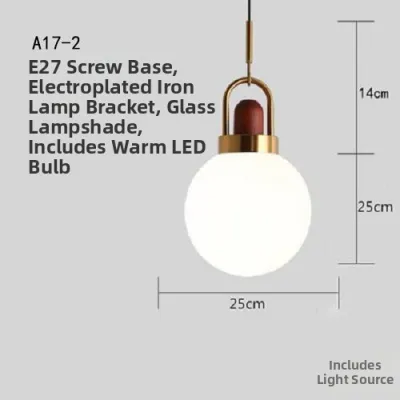
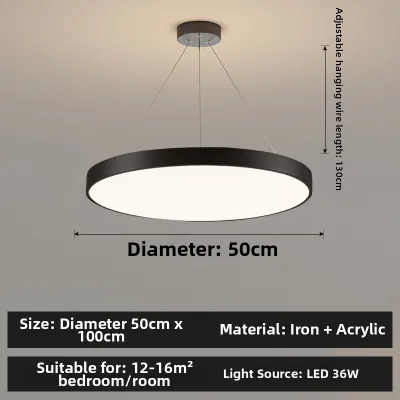
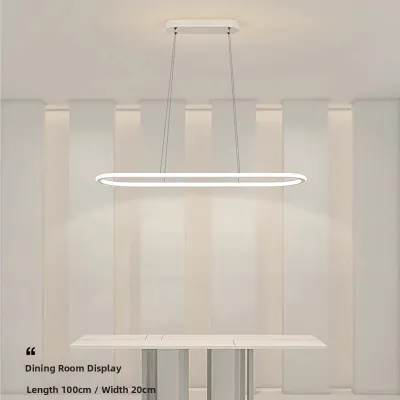
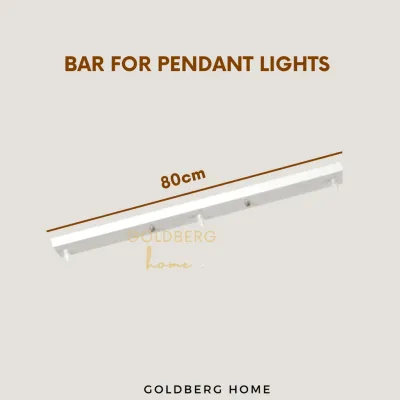
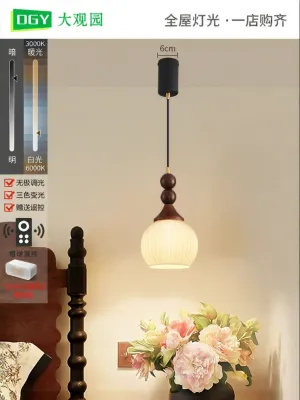
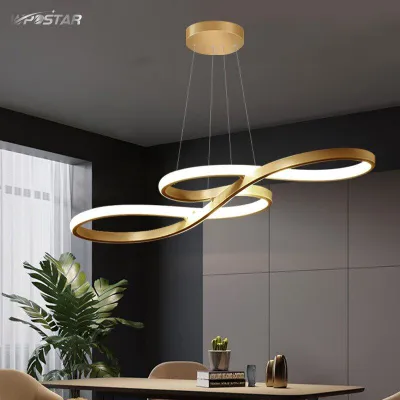
Prices are valid at publication and may change. Please refer to the product page for the latest price.

Material and Finish Integrity
Authentic Japandi fixtures prioritize natural, sustainably sourced materials that age gracefully and add tactile warmth to a space. When evaluating wood components, look for solid hardwoods such as white oak, ash, or walnut, which exhibit distinct grain patterns and structural resilience. Be cautious of cheap engineered wood, medium-density fibreboard (MDF), or paper veneers; these materials are highly susceptible to peeling, warping, or swelling under Singapore’s high tropical humidity, which regularly averages above 80% year-round.
For woven shades, natural rattan (derived from the Calamus rotang palm) and split bamboo offer superior flexibility and a rich, organic texture. Synthetic plastic rattan or paper twine imitations often look flat under direct light and can degrade or become brittle over time when exposed to the heat emitted by the bulb. Always inspect the joints and connections of the fixture; high-quality pieces utilize precise woodworking joints or flush-mounted metal fasteners, whereas lower-quality alternatives rely heavily on visible glue, staples, or flimsy plastic brackets that compromise the clean aesthetic.
Light Diffusion and Color Temperature Compatibility
The signature ambiance of a Japandi interior is defined by soft, glare-free, and shadowless illumination. To achieve this effect, high-quality pendant lights incorporate premium diffusers made from traditional washi paper, frosted hand-blown glass, or natural linen shades. Washi paper, crafted from mulberry bark, refracts light through its organic fibers to eliminate harsh hotspots, while high-thread-count linen shades prevent light from leaking in uneven, distracting streaks.
Before purchasing any fixture, verify its electrical specifications to ensure compatibility with your intended lighting design. Check the bulb base type—typically standard E27 or E14 screw bases—which offers the widest selection of compatible bulbs in the local market. It is critical to verify the manufacturer’s maximum wattage limits, particularly for enclosed paper, fabric, or wooden shades, as these materials are sensitive to heat and require low-wattage LED bulbs to prevent scorching or fire hazards.
To achieve the authentic warm, inviting feel characteristic of Japandi spaces, plan to install bulbs with a color temperature between 2700K and 3000K (warm white). Additionally, if you plan to integrate the fixture with dimmable switches or smart-home systems, verify whether the fixture’s internal wiring or integrated LED driver supports triac, trailing-edge, or wireless dimming protocols.
Price Tiers and Value Expectations in Singapore
Navigating the Singapore lighting market involves understanding the distinct price tiers and what each offers in terms of craftsmanship, safety compliance, and after-sales support. Setting a realistic budget helps narrow down your options while managing expectations regarding material quality and longevity.
Mass-Market and Flat-Pack Brands
Entry-level Japandi pendant lights are typically priced under S$100 to S$200 and are widely available across large home furnishing retailers and online marketplaces. These brands excel at replicating popular Japandi silhouettes using cost-effective, mass-production methods. You will frequently find lightweight metal frames wrapped in paper twine, thin wood veneers, or synthetic composites designed to mimic natural textures.
While these fixtures are highly budget-friendly and usually available for immediate pickup or fast local delivery, they typically require self-assembly and feature basic hardware. The electrical cords may be standard plastic rather than fabric-wrapped, and they can retain unsightly kinks from packaging. These options are best suited for temporary living situations, rental properties, or secondary rooms where the light fixture is not the main architectural focal point.
Local Lighting Boutiques and Mid-Tier Brands
Priced generally between S$200 and S$600, mid-tier options from local Singaporean lighting specialists bridge the gap between affordability and premium quality. These brands curate designs specifically proportioned for typical Singaporean residential layouts, such as HDB flats and condominiums with standard ceiling heights ranging from 2.6 to 2.8 meters. At this level, you can expect authentic materials like solid wood accents, genuine hand-woven rattan, and high-quality frosted opal glass.
Crucially, local boutiques typically ensure their products are rated for Singapore’s 230V electrical grid and offer local warranties, giving you recourse if a socket or driver fails prematurely. Many of these retailers also offer customization options, allowing you to specify the exact cord length so the fixture hangs perfectly over your dining table or kitchen island without requiring dangerous DIY modifications. They provide a reliable level of customer service and can often recommend trusted local installers.
Premium and Imported Designer Brands
For those seeking true design icons or artisanal masterpieces, premium imported brands command prices from S$600 to upwards of several thousand dollars. This tier features authentic Japanese or Scandinavian designer labels, showcasing hand-made washi paper shades from historic workshops, custom-blown glass, and solid timber frames hand-finished by master craftsmen. These fixtures utilize top-tier electrical hardware, including heavy-duty braided cords and premium solid brass canopy kits.
Purchasing from this tier requires advanced planning, as these exclusive pieces are often made to order and imported directly from Europe or Japan. This results in typical lead times of 8 to 16 weeks, along with additional international shipping fees and import taxes. However, the investment yields an heirloom-quality centerpiece with exceptional structural integrity, certified electrical safety, and a timeless aesthetic that retains its value.
Sourcing Channels and After-Sales Support in Singapore
Choosing where to buy your Japandi pendant light involves balancing the convenience of online shopping with the security of physical retail, alongside critical safety considerations.
Physical Showrooms vs. Online-Only Catalogs
Visiting a physical lighting showroom in Singapore is highly recommended when purchasing primary fixtures for your home. Seeing a pendant light in person allows you to evaluate its true scale, the exact texture of its natural materials, and how the light diffuses through the shade without relying on edited marketing photos. You can also visually assess the color temperature of the light and confirm that the wood tone matches your existing furniture.
Conversely, online-only catalogs and international e-commerce platforms offer an unparalleled variety of niche designs and competitive pricing. When buying online, mitigate risk by meticulously checking the detailed dimension diagrams, reading verified customer reviews for real-world photos, and reviewing the seller’s return and breakages policy, particularly for fragile glass or paper shades.
Electrical Compliance and Installation Support
Safety is paramount when integrating new lighting into your home’s electrical system. In Singapore, all electrical appliances and fixtures connected to the mains power must be compatible with the local standard of 230V at 50Hz. If the pendant light utilizes an integrated LED system or an external power adapter, verify that the driver carries the Enterprise Singapore Safety Mark, which ensures it has been tested and approved for safe local operation.
For installation, always isolate the power supply at your home’s distribution board (DB box) before attempting any electrical work. While simple, lightweight fixtures can sometimes be mounted easily, complex wiring, heavy fixtures, or installations on high ceilings require the expertise of a licensed electrical worker (LEW). Be sure to clarify whether your chosen retailer provides in-house installation services or if you will need to hire a qualified independent contractor.
Comparison Matrix: What to Expect from Each Brand Tier
To help streamline your decision-making process, the table below outlines the general characteristics, trade-offs, and expectations associated with each of the three primary brand tiers available to buyers in Singapore.
| Brand Tier | Design Authenticity | Material Quality | Relative Price Point | Availability & Lead Time | Installation Support |
|---|---|---|---|---|---|
| Mass-Market | Inspired designs; simplified shapes | Synthetic rattan, veneers, paper twine | Budget-friendly (Under S$200) | Immediate to 1 week; off-the-shelf | Self-assembly; DIY or independent electrician |
| Local Boutique | Curated Japandi styles; scaled for local homes | Solid wood accents, real rattan, frosted glass | Moderate (S$200 to S$600) | 1 to 4 weeks; some local stock | Often available through retailer-recommended installers |
| Premium Designer | Authentic designer originals; unique patents | Hand-woven washi, solid timber, premium brass | High-end (Above S$600) | 8 to 16 weeks; made-to-order imports | Requires professional installation (LEW recommended) |
This matrix serves as a general guide. Individual product specifications, warranties, and exact delivery timelines should always be confirmed directly with the specific retailer prior to finalizing your purchase.
Decision Framework: Choosing the Right Brand Tier for Your Home
To select the optimal brand tier for your specific living space and installation scenario, apply the following conditional rules:
- Choose Mass-Market if: You are working within a strict budget, require immediate delivery to complete a quick renovation or rental setup, and are comfortable with self-assembly and standard, mass-produced designs.
- Choose Local Boutique if: You prioritize authentic natural materials and a balance of quality and cost, need a fixture scaled specifically for standard HDB or condominium ceiling heights, and value the peace of mind that comes with local warranties and accessible customer support.
- Choose Premium Designer if: You are investing in a long-term statement piece for a prominent area (such as a dining room or high-ceiling foyer), demand exceptional artisanal craftsmanship, and have the flexibility to accommodate extended international shipping timelines.
- Verify first if: Your ceiling has structural weight limits (particularly false ceilings), your space requires complex rewiring or smart-home integration, or you plan to install the light in a high-humidity environment like a bathroom or semi-outdoor balcony. In these scenarios, always consult a qualified professional to assess the environment before purchasing.
Frequently Asked Questions (FAQ)
Do Japandi pendant lights require special bulbs?
Most Japandi pendant lights are designed with standard screw bases such as E27 or E14, allowing you to use widely available bulbs. However, the overall aesthetic depends heavily on your choice of bulb. To achieve the signature warm, soft glow of Japandi design, always select warm-white LED bulbs (2700K to 3000K). Avoid cool-white or daylight bulbs, which can make natural wood and paper elements look clinical or washed out. Additionally, check the shape of the bulb; if the shade is semi-transparent or open, a matte or frosted globe bulb is often preferred over clear glass to prevent visible hotspots and harsh glare.
Can I install a heavy rattan or wood pendant light in an HDB ceiling?
Yes, but the installation method must match your ceiling’s structural composition. Standard HDB ceilings consist of solid concrete slabs, which can support heavy solid-wood or large rattan fixtures when secured with appropriate concrete expansion anchors or heavy-duty rawlplugs. However, if your home has a false ceiling (gypsum board drop ceiling), it cannot support heavy suspended loads directly. In this case, the mounting bracket must be anchored through the false ceiling directly into the concrete slab above using threaded rods, or reinforced with structural timber support. Always check the weight specifications of the light fixture and consult a licensed electrician or structural contractor to ensure a safe, compliant installation.
Community discussion
Share your experience or ask a question. Comments are reviewed before publication.