
Selecting the ideal jelly fish lamp for your space depends on whether you prioritize immersive, room-filling visual projections, a realistic kinetic water tank, or a tactile, child-safe silicone design. The primary trade-offs lie in the balance between price, visual performance, and mechanical reliability. Budget-friendly models, typically priced between S$15 and S$40, offer basic localized color-cycling and simple structures, but they often suffer from noisy motors and limited light output. Conversely, premium brands, ranging from S$60 to over S$150, deliver whisper-quiet brushless motors, advanced optics, app connectivity, and superior durability.
Before purchasing any brand or model, consumers in Singapore must verify local electrical compliance and plug compatibility. Because these devices run continuously for hours, using uncertified imports or incompatible power configurations can lead to electrical failures, short circuits, or fire hazards. Ensuring your chosen lamp meets local voltage standards and safety protocols is the first and most critical step in finding a reliable, long-lasting decorative light.
Key Features to Compare Across Jellyfish Lamp Brands
When evaluating different brands of jellyfish lamps, understanding the underlying technology helps you distinguish between high-performing units and low-quality novelties. Comparing options requires a close look at visual performance, motor mechanics, power supply, and control interfaces.
Products mentioned in this guide
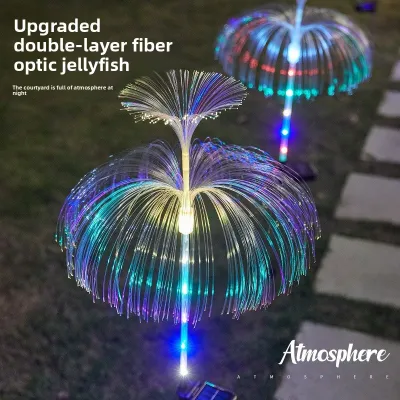
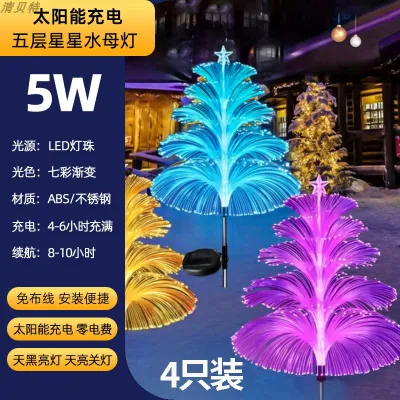
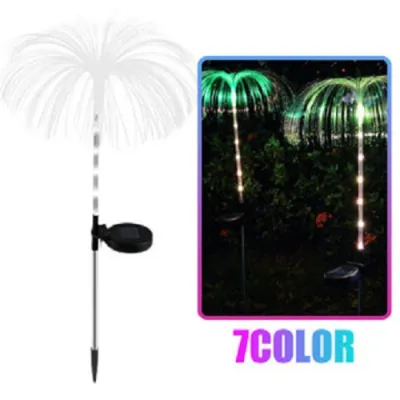
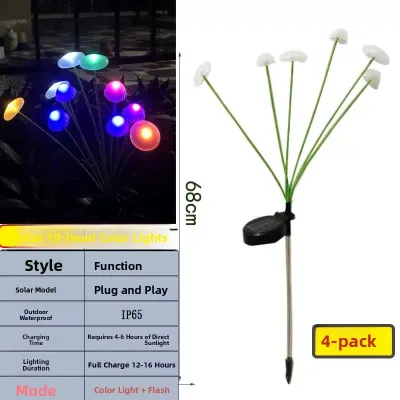

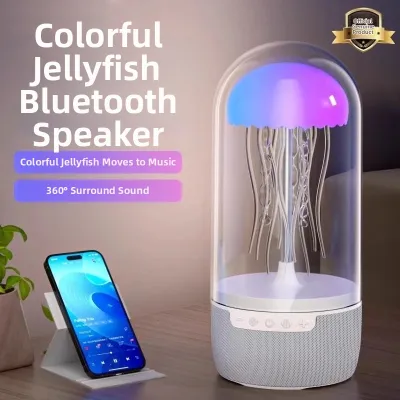
Prices are valid at publication and may change. Please refer to the product page for the latest price.
Projection Quality and Lighting Modes
To assess the visual performance of a projection-style jelly fish lamp, evaluate its light output, color accuracy, and transition smoothness. Look for models specifying light output in lumens or providing detailed LED specifications. High-quality projection lamps utilize multi-chip surface-mounted diode (SMD) LEDs that deliver vibrant, color-accurate spectrums without muddy color mixing. Furthermore, check if the lamp uses pulse-width modulation (PWM) dimming, which ensures smooth, flicker-free transitions between colors rather than abrupt, distracting jumps.
For kinetic tank-style lamps, visual appeal depends on motor performance and fluid dynamics. Low-cost brands often use cheap, brushed DC motors that emit a persistent, high-pitched hum and wear out within a few hundred hours. Premium brands utilize brushless, magnetic-drive water pumps. These magnetic pumps isolate moving parts from the water, reducing friction and keeping noise levels below 30 decibels—virtually silent in a typical bedroom environment.
Fluid dynamics dictate how realistically the synthetic jellyfish move. Cheap models often suffer from poor water circulation, causing the jellyfish to either sink or float statically. High-quality kinetic lamps feature engineered water flow channels that create gentle, chaotic currents, mimicking natural marine movement. To achieve this fluidity, fill the tank with distilled water and add a few drops of liquid dish soap. The soap acts as a surfactant, breaking the water’s surface tension and preventing air bubbles from clinging to the silicone jellyfish, which would otherwise cause them to float permanently at the top.
Finally, consider the lamp’s projection throw distance and brightness control. If you intend to use a projection lamp to cover an entire ceiling, verify the lens material and beam angle. Optical-glass lenses maintain clarity and resist thermal warping over years of use, whereas cheap acrylic lenses can yellow and distort light patterns under LED heat. A wide beam angle of 100 to 120 degrees is ideal for standard bedrooms. Additionally, adjustable brightness levels—ideally dimming down to 10% or 20%—are essential for nighttime use, allowing the lamp to serve as a soothing nightlight without causing glare.
Power Options and Smart Controls
Power delivery is another critical differentiator among jellyfish lamp brands. Devices are generally powered via a 5V USB connection or directly through AC mains power. USB-powered models offer excellent portability, allowing you to run the lamp from a study desk, a laptop port, or a portable power bank. However, USB power is limited by the current output of the source. If you plug a high-capacity kinetic lamp into an older USB-A port rated at only 0.5 amps, the motor may stall, the LEDs may flicker, or the control board may overheat. Ensure your USB power source matches the manufacturer’s required amperage, which is typically 1.5 to 2.0 amps.
Mains-powered models, often supplied with a dedicated 12V DC power adapter, provide stable, unregulated power that supports brighter LEDs and more robust circulation pumps. These units are ideal for continuous, high-brightness ambient lighting in living rooms or larger spaces. The trade-off is reduced placement flexibility, as the lamp must remain within reach of an electrical outlet.
Control interfaces vary from basic physical buttons on the lamp base to infrared (IR) remote controls, radio-frequency (RF) remotes, and smart app integration. Physical buttons are reliable but inconvenient if the lamp is placed on a high shelf. IR remotes require a direct line of sight to the receiver, whereas RF remotes work through walls and furniture.
Smart jellyfish lamps feature built-in Wi-Fi or Bluetooth modules, allowing you to control color schemes, brightness, and operating schedules via a smartphone app. When choosing a smart model, verify if the device requires a dedicated 2.4GHz Wi-Fi network, as many smart home chips are incompatible with 5GHz bands. If your home router in Singapore uses a unified dual-band network, you may need to temporarily separate the bands during setup. Additionally, check if the brand uses a well-maintained, universal smart home platform (such as Tuya or Smart Life) or a proprietary app. Proprietary apps from obscure brands are frequently abandoned, leaving you without access to smart features after a phone operating system update.
Evaluating Build Quality and Electrical Safety
Because jellyfish lamps combine electrical components, light sources, and—in the case of kinetic tanks—water, assessing build quality and safety is paramount. A failure in material integrity or electrical design can lead to water leaks, ruined furniture, or severe electrical hazards.

Material Durability and Heat Management
When examining a jelly fish lamp, check the product specifications for the materials used in the housing and the synthetic jellyfish. The transparent tank of a kinetic lamp should be constructed from high-grade, shatterproof acrylic (PMMA) or polycarbonate. Polycarbonate offers superior impact resistance, making it highly durable if accidentally knocked over, while acrylic provides exceptional optical clarity but is more susceptible to surface scratches. Avoid cheap polystyrene tanks, which are brittle, prone to cracking, and can yellow rapidly under UV exposure or ambient sunlight.
The synthetic jellyfish themselves are typically made of silicone or PVC. High-quality silicone is flexible, non-toxic, and chemically stable, allowing the tentacles to drift naturally in water without degrading. However, silicone has high surface friction, meaning it acts as a dust magnet when dry. If you purchase a soft, tactile silicone lamp designed for children’s bedrooms, expect to clean it regularly. These models should be rinsed under lukewarm water without harsh chemical detergents, which can dry out and crack the silicone over time.
Heat management is a critical factor for both safety and product lifespan. Although LEDs are highly efficient, they still generate localized heat at their junction points. High-power projection lamps require built-in aluminum heatsinks or heat-dissipating plastic casings to conduct heat away from the LED chips. Without adequate heat dissipation, the LEDs will suffer from rapid lumen depreciation—meaning they will lose their brightness and color accuracy within a few months. In kinetic lamps, poor heat management can transfer warmth from the motor to the water tank, raising the water temperature. Warm water accelerates the growth of algae and bacteria, turning the water cloudy and requiring frequent draining and cleaning. Ensure the lamp casing remains cool to the touch even after several hours of continuous operation.
Voltage Compatibility and Local Compliance
For consumers in Singapore, electrical safety and local compliance must not be overlooked. Singapore’s domestic power grid operates at a standard voltage of 230V AC at a frequency of 50Hz. Many jellyfish lamps sold online are imported from overseas markets, such as North America, which operate on 110V-120V at 60Hz.
Connecting a 110V appliance directly to a Singaporean 230V outlet will cause catastrophic failure, destroying the internal circuitry, burning out the motor, and posing an immediate risk of fire or electrical shock. Never rely on cheap, unbranded step-down transformers to bridge this voltage gap. These low-cost transformers often lack thermal overload protection, run extremely hot, and can fail unpredictably under continuous loads. Instead, always select a lamp that is natively rated for wide-voltage input (100V-240V) or one that includes a compatible power adapter designed for 230V systems.
To guarantee safe operation, look for recognized electrical safety certifications. In Singapore, regulated electrical appliances must carry the Enterprise Singapore Safety Mark on their power adapters or main units. This mark indicates that the product has been independently tested and certified to meet stringent safety standards, protecting your home from short circuits, overcurrent, and insulation failures. Furthermore, ensure the device is supplied with a standard Type G (three-pin) plug. Using loose, uncertified travel adapters to connect international plugs to Singaporean outlets creates poor electrical contact, which can lead to arcing, melting plastic, and electrical fires.
Assessing Value: Lifespan, Warranties, and Running Costs
Determining the true value of a jelly fish lamp requires looking beyond the initial purchase price to consider long-term operating costs, component lifespans, and warranty coverage. A low-cost lamp that fails after three months of use ultimately costs more than a premium, durable unit.
The primary failure points in jellyfish lamps are LED degradation, motor burnout, and fluid clouding. High-quality LEDs are rated for 20,000 to 50,000 hours of operation, which translates to several years of nightly use. In contrast, sub-standard LEDs used in generic brands can lose up to half their brightness within 1,000 hours. Similarly, high-end brushless pumps have a significantly longer operational lifespan than brushed motors, which are prone to mechanical wear and electrical failure as their internal brushes degrade.
When comparing brands, evaluate whether the lamp is designed as a sealed, disposable unit or if it features replaceable parts. Premium manufacturers often sell replacement parts, such as detachable power adapters, replacement silicone jellyfish, and even modular motor assemblies. If a component fails in a sealed, low-cost lamp, the entire unit must be discarded, creating electronic waste. Choosing a model with modular, replaceable parts extends the product’s lifespan and provides better long-term value.
Warranty support is another crucial factor. Purchasing a lamp from a local authorized distributor or an official brand store in Singapore provides access to local consumer protection laws, including the Consumer Protection (Fair Trading) Act (commonly known as the Lemon Law). This law protects consumers against defective products within six months of purchase, allowing for repairs, replacements, or refunds. Conversely, buying from cross-border e-commerce platforms often voids local warranty support. If a cross-border unit arrives defective or fails within a few weeks, returning the item can be difficult and expensive, as international shipping costs often exceed the value of the lamp itself.
Decision Framework: Which Jellyfish Lamp Type Suits Your Space?
To make your final purchase decision, consider how the lamp’s features align with your specific environment, budget, and usage patterns. Use the following conditional framework to guide your choice:
- Choose a premium projection or kinetic tank brand if: You want an elegant, realistic centerpiece for a living room, study, or master bedroom. These models offer whisper-quiet brushless motors, optical-grade glass lenses, and smart app scheduling that integrates seamlessly into your daily routine. They are ideal for continuous evening use where noise reduction and long-term durability are priorities.
- Choose a budget silicone or compact USB model if: You are selecting a lamp for a child's bedroom, a temporary desk accent, or a playful gift. These models are highly durable, tactile, and cost-effective. While they may have slightly louder motors or simpler manual controls, their lower price point and robust silicone builds make them excellent for casual, supervised use.
- Verify environmental limitations first: Standard indoor jellyfish lamps are rated IP20, meaning they have no protection against moisture ingress. If you plan to place a lamp in a high-humidity area, such as a bathroom, or on a semi-outdoor balcony, you must verify the device's Ingress Protection (IP) rating. Only lamps explicitly rated IP44 or higher are safe for damp environments. Placing an unrated lamp in a humid space will lead to internal corrosion, electrical short circuits, and premature component failure.
Finally, measure the physical footprint of the lamp before purchasing. Kinetic water tanks can be surprisingly heavy once filled. A medium-sized 4-liter tank weighs over 4 kilograms when full, requiring a stable, level, and sturdy surface. Ensure your chosen shelf, desk, or bedside table can support this weight and has sufficient overhead clearance to prevent accidental tipping, which could result in water damage to nearby electronics or furniture.
Frequently Asked Questions (FAQ)
Are jellyfish lamps safe to leave on overnight?
While high-quality LED jellyfish lamps generate minimal heat and are generally safe for overnight use, you should not leave kinetic models with mechanical water pumps running unattended for extended periods. Continuous operation can cause the motor to overheat if it lacks thermal protection, accelerating wear and reducing the pump’s lifespan. To ensure safety and conserve energy, select a lamp with a built-in auto-shutoff timer (typically 4 or 8 hours) or connect the device to a smart plug to schedule automatic power-offs during the night.
Can I use a jellyfish lamp in a bathroom or outdoor space?
Standard indoor jellyfish lamps are rated IP20 and must not be used in bathrooms, outdoor patios, or other damp environments. High humidity and airborne moisture can easily penetrate the unsealed casings of these lamps, leading to internal corrosion of the circuit board, motor failure, and electrical short circuits. If you wish to place a decorative lamp in a bathroom or outdoor area, you must verify that the manufacturer explicitly specifies an IP44 rating for damp indoor areas or an IP65 rating for wet outdoor locations. Always prioritize safety and adhere strictly to the manufacturer’s environmental guidelines.
Community discussion
Share your experience or ask a question. Comments are reviewed before publication.