
To keep children comfortable during warm Singapore nights, the ideal cooling blanket depends on their specific sleep environment and skin sensitivity rather than a single brand. Parents in Singapore typically choose between three primary material technologies: synthetic tech-fabrics for an instant icy touch, bamboo-blend fabrics for smooth moisture-wicking, and cotton-muslin weaves for lightweight, breathable durability.
If your child sleeps in a room cooled only by a ceiling fan, a highly breathable bamboo or cotton-muslin blanket is usually best because it prevents humidity from building up around their body. Conversely, if your child sleeps in an air-conditioned bedroom, a synthetic tech-fabric blanket can leverage the cool ambient air to lower their skin temperature quickly, though it requires a high-quality weave to avoid trapping sweat.
To help you make an immediate decision, you can follow a simple selection path:
Products mentioned in this guide
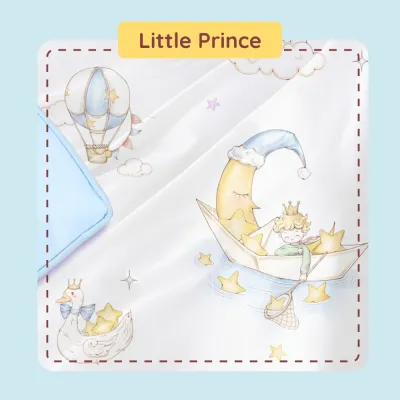
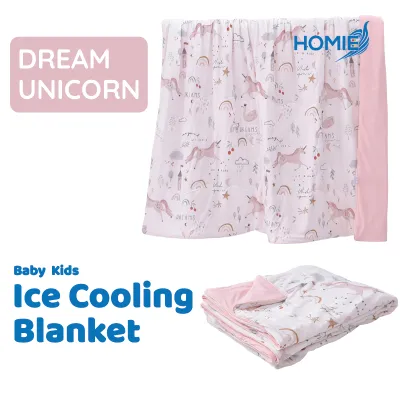
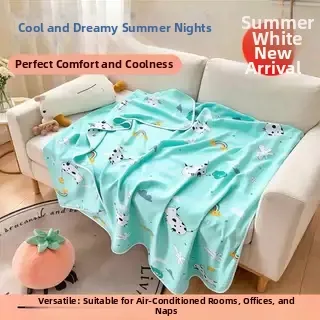
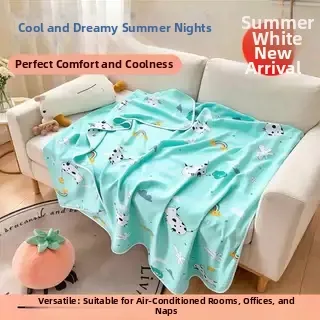
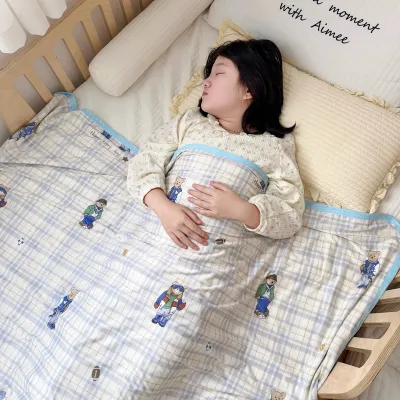
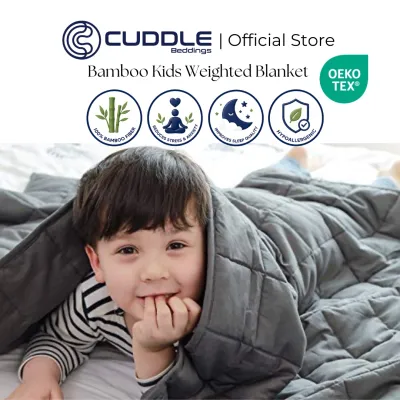
Prices are valid at publication and may change. Please refer to the product page for the latest price.
- Choose Tech-Fabric Brands (such as specialized nylon-mica blends) if your child loves an immediate, cold-to-the-touch sensation and sleeps in an air-conditioned room.
- Choose Bamboo-Blend Brands (including bamboo viscose or Tencel Lyocell) if your child has sensitive skin, sweats heavily, and needs a silky, moisture-wicking cover that drapes gently over the body.
- Choose Cotton-Muslin Brands (such as multi-layer gauze cotton) if you prioritize maximum airflow, easy machine washing, and a highly durable, traditional blanket that gets softer with every wash cycle.
What Matters Most: Safety, Cooling, and Durability Standards
When evaluating cooling blankets for children, generic bedding reviews often fall short because they ignore the unique physiological needs of growing kids. Children have a higher surface-area-to-mass ratio than adults and can struggle to regulate their body temperature, making them prone to overheating, night sweats, and heat rash in Singapore’s humid climate.
Cooling Effectiveness and Q-max Ratings
To measure how cold a fabric feels when it first touches the skin, manufacturers use a metric called the Q-max value, which represents the peak heat transfer rate in Watts per square centimeter. A Q-max rating of 0.2 is generally considered the baseline for a cool-touch fabric, while advanced synthetic cooling blankets often reach Q-max ratings of 0.4 or higher.
However, parents must distinguish between this initial cool-touch sensation and sustained breathability. While synthetic fibers like nylon or polyethylene excel at creating an instant chill by drawing heat away rapidly, they can trap body heat if the weave is too tight or if the room lacks active air circulation. For long-term cooling throughout an eight-hour sleep cycle, structural breathability—which allows warm air and body moisture to escape—is far more critical than a high initial Q-max rating.
Child-Safe Materials and Certifications
Safety must always come first when selecting children’s bedding, as kids spend a third of their day in direct, prolonged contact with these fabrics. Parents should look for independent textile certifications, such as the Oeko-Tex Standard 100, which guarantees that every component of the blanket has been tested for harmful substances and is safe for sensitive skin.
Beyond chemical safety, the physical structure of the blanket must minimize suffocation risks, particularly for toddlers. Lightweight, open-weave designs allow air to flow freely even if the blanket accidentally covers the child’s face. Additionally, parents should avoid blankets with loose decorative elements, long tassels, or low-quality zippers that could pose choking or scratching hazards.
Durability and Care Requirements
Children’s bedding requires frequent laundering to remove sweat, drool, spilled drinks, and allergens like dust mites. A cooling blanket that requires delicate hand-washing or dry cleaning is rarely practical for a busy household, so machine-washability is a non-negotiable feature for most parents.
The challenge is that some cooling blankets rely on temporary chemical finishes or surface coatings to achieve their cool feel, which can wash out after only a few cycles. High-quality blankets utilize inherently cooling fibers or specialized physical weaves that maintain their temperature-regulating properties permanently, even after dozens of hot-water washes. Furthermore, the fabric must resist pilling and shrinking, ensuring the blanket remains soft and comfortable against your child’s skin over years of use.
Comparing Popular Brand Technologies in Singapore
The Singapore market offers a wide variety of cooling blankets, ranging from local bedding specialists to international boutique brands. These products generally fall into three distinct technology categories, each offering unique benefits and trade-offs for children’s sleep routines.

Tech-Fabric Brands (Nylon or Arc-chill Blends)
Tech-fabric blankets utilize synthetic fibers engineered with microscopic minerals, such as jade or mica, which naturally conduct heat away from the body. Brands like Epitex (with their Exotic Cool series) and Akemi (offering specialized cool-touch bedding) are popular choices in Singapore for parents seeking an immediate, refreshing chill.
These blankets are highly effective in air-conditioned rooms because the synthetic fibers rapidly absorb the cold air, creating a refreshing surface for hot sleepers. The primary drawback of these synthetic blends is their limited natural moisture absorption; if your child sweats heavily in a room without air conditioning, the fabric can feel clammy or stick to the skin. Parents should verify that the tech-fabric blanket features a ventilated or mesh-like weave to ensure adequate airflow.
Bamboo-Blend Brands (Bamboo Viscose or Lyocell)
Bamboo-derived fabrics, including bamboo viscose and Tencel Lyocell, are highly favored by Singaporean parents for their luxurious softness and exceptional moisture-wicking capabilities. Local brands such as Sunday Bedding, Heveya, and Weavve Home offer premium bamboo and Lyocell blankets that cater directly to children with sensitive skin or eczema.
Bamboo fibers feature microscopic gaps that naturally absorb moisture and allow it to evaporate quickly, keeping your child dry even on humid nights. These blankets drape beautifully over the body, providing a comforting weight without trapping heat. However, bamboo fibers are more delicate than cotton or synthetics, meaning they require gentle wash cycles, mild detergents, and line drying to prevent pilling and maintain their structural integrity over time.
Cotton-Muslin or Gauze Brands
For parents who prefer traditional, natural materials, multi-layer cotton muslin or gauze blankets are an excellent choice. International brands like Aden + Anais, alongside various local boutique labels, offer lightweight cotton blankets that have been trusted by parents for generations.
Cotton muslin is incredibly breathable due to its open, plain-weave structure, which allows air to circulate freely around your child’s body. These blankets are exceptionally durable, withstand high-temperature washing, and actually become softer and more comfortable with age. While they lack the icy, high-Q-max sensation of synthetic tech-fabrics, they provide reliable, natural temperature regulation that is highly safe for toddlers and infants.
Comparison of Cooling Blanket Technologies
To help you compare these options side-by-side, the following table summarizes how each material technology performs across key criteria:
| Material Technology | Cooling Feel | Breathability | Wash Care Requirements | Best Sleep Environment |
|---|---|---|---|---|
| Tech-Fabric (Nylon/Mica) | High instant chill (Cool-touch) | Moderate (Depends on weave density) | Machine wash cold, gentle cycle, tumble dry low | Air-conditioned bedrooms (22°C to 25°C) |
| Bamboo-Blend (Viscose/Lyocell) | Gentle, silk-like coolness | High (Excellent moisture-wicking) | Machine wash cold, gentle cycle, line dry preferred | Fan-cooled or mildly air-conditioned rooms |
| Cotton-Muslin (Gauze Cotton) | Neutral, natural temperature | Maximum (Highly breathable open weave) | Machine wash warm, tumble dry medium, highly durable | Warm, fan-cooled rooms or as a light layer |
How to Verify Safety and Durability Claims on Labels
With many brands using terms like “cooling,” “hypoallergenic,” and “all-natural” on their packaging, parents must learn how to read physical tags and official product specifications to separate genuine performance from marketing hype.
Verifying Safety Claims
Do not rely solely on product titles or promotional descriptions on online marketplaces. Instead, look for physical tags or official product documentation that displays the Oeko-Tex Standard 100 certification logo. This certification ensures that the fabric has been rigorously tested for over 350 harmful chemicals, including formaldehyde, heavy metals, and allergenic colorants, which is crucial for children who may chew on their blankets or have highly sensitive skin.
Additionally, check the material composition label to verify the exact fiber percentages. A blanket marketed as a “bamboo blanket” may actually contain a high percentage of polyester or nylon with only a small fraction of bamboo fibers. For genuine moisture-wicking and skin-friendly properties, prioritize blankets that contain at least 70% natural bamboo viscose, Tencel Lyocell, or organic cotton.
Assessing Durability and Stitching
To determine if a cooling blanket will survive the rigors of childhood use, inspect the edge stitching and weave density. Look for double-stitched hems or reinforced piping along the borders, which prevent the blanket from fraying or unraveling in the washing machine. For multi-layer muslin or gauze blankets, ensure that the layers are securely quilted together at regular intervals to prevent the fabric from shifting or sagging.
Be cautious of blankets that claim to offer cooling benefits through “chemical finishes” or “cooling microcapsules.” These temporary surface treatments typically wash out after 10 to 20 laundry cycles, leaving you with an ordinary, non-cooling blanket. Instead, opt for blankets that achieve their cooling properties through inherent fiber characteristics—such as the natural heat conductivity of nylon-mica blends or the physical moisture-wicking structure of bamboo and Lyocell.
Allergy and Skin Sensitivity
Many cooling blankets are marketed as “anti-dust mite” or “hypoallergenic.” For children with severe eczema, asthma, or contact allergies, parents should verify whether these claims are backed by recognized testing bodies, such as the British Allergy Foundation (Allergy UK) or local dermatological assessments.
If your child has a diagnosed skin condition, consult their pediatrician or dermatologist before introducing new bedding materials. Synthetic tech-fabrics, while cooling, can sometimes irritate extremely sensitive skin if the fibers are coarse or if they retain sweat against the body. In contrast, organic bamboo or unbleached cotton muslin is generally gentler on compromised skin barriers due to its smooth fiber structure and chemical-free processing.
Final Decision Framework: Which Brand Route Should You Choose?
Selecting the right cooling blanket route involves matching your child’s personal sleeping habits, skin sensitivity, and the ambient temperature of your home in Singapore.
Your Actionable Decision Matrix
To simplify your final purchase decision, match your child’s needs to one of these three primary pathways:
- Choose Tech-Fabric Brands if your child sleeps primarily in an air-conditioned room, gets hot quickly when falling asleep, and loves an immediate, icy-cold feel. This route works best for older children who can communicate if they feel too cold during the night.
- Choose Bamboo-Blend Brands if your child has sensitive skin or mild eczema, sweats heavily during the night, and sleeps in a mix of air-conditioned and fan-cooled environments. This option provides a balanced, silky drape that actively manages humidity.
- Choose Cotton-Muslin Brands if you are buying for a toddler, prioritize natural organic materials, require an extremely durable blanket that can handle frequent hot-water washes, and want a lightweight, breathable cover for fan-cooled rooms.
Sizing and Dimension Verification
Before purchasing, always measure your child’s mattress and verify the blanket’s exact dimensions. Children’s bedding sizes are not universally standardized in Singapore; a “toddler size” or “single size” blanket can vary by up to 20 centimeters between different brands.
A blanket that is too small will slip off during the night as your child tosses and turns, while an oversized blanket can bunch up, trap heat, and create a safety hazard for younger children. For safety and comfort, choose a blanket that covers your child’s body comfortably with only a slight overhang on the sides of the mattress.
Environmental and Temperature Matching
In Singapore’s tropical climate, matching the blanket to the room’s cooling source is key to preventing sleep disruptions. If your home relies on air conditioning set to a cool 22°C to 24°C, a multi-layer bamboo or a light tech-fabric blanket will keep your child comfortable without letting them become chilled in the early morning hours.
If you prefer to use a ceiling fan or keep the windows open, a single-layer cotton muslin or a highly breathable bamboo lyocell blanket is the safest and most comfortable choice. This setup ensures that sweat is quickly wicked away from the skin and evaporated by the fan’s airflow, preventing the clammy, humid microclimate that often wakes children up in the middle of the night.
Frequently Asked Questions (FAQ)
Are cooling blankets safe for toddlers and infants?
Cooling blankets are safe for toddlers, provided they are lightweight, sized appropriately, and free from loose decorative elements. For infants under 12 months, safe sleep guidelines recommend avoiding any loose blankets in the crib to prevent the risk of suffocation or Sudden Infant Death Syndrome (SIDS). If you are considering a cooling blanket for an infant or young toddler, always prioritize highly breathable, open-weave cotton muslin, ensure it is securely tucked in, and consult your pediatrician to confirm it is safe for your child’s developmental stage.
Do cooling blankets lose their effect after washing?
Whether a cooling blanket loses its effectiveness depends entirely on how the cooling sensation is achieved. Blankets made from inherently cooling fibers, such as bamboo viscose, Tencel Lyocell, or mineral-infused nylon yarns, retain their cooling properties permanently because the effect is built into the physical structure of the material. However, blankets that rely on temporary chemical coatings or surface finishes will gradually lose their cooling ability after repeated washes. To preserve your blanket’s lifespan, always follow the manufacturer’s care label, use mild detergents, avoid fabric softeners, and wash in cold water.
Can I use a cooling blanket in an air-conditioned room?
Yes, cooling blankets perform exceptionally well in air-conditioned rooms, though you must select the appropriate weight and material to prevent your child from getting too cold. In a cooled bedroom, synthetic tech-fabric blankets absorb the cold ambient air, providing a refreshing surface that helps hot-sleeping children settle down easily. If you find your child shivering in the early morning, switch to a bamboo-blend or multi-layer cotton muslin blanket, which provides a gentle thermal buffer while still preventing the buildup of sweat and humidity.
Community discussion
Share your experience or ask a question. Comments are reviewed before publication.