
Direct Answer: Is There a Single Most Energy-Efficient Brand?
When searching for the most energy-efficient cooker hood bulb, there is no single brand that universally dominates the market. Energy efficiency is not a static brand attribute; instead, it depends entirely on the specific technical specifications of individual bulb models and how well they are designed to handle the unique, high-heat environment of a kitchen extractor unit.
To find the most efficient option, you must look at luminous efficacy, which is measured in lumens per watt (lm/W). A brand might produce an incredibly efficient bulb for standard living room lamps, but that same bulb may rapidly lose efficiency or fail entirely when subjected to the trapped heat, moisture, and grease of a cooker hood. True efficiency in a kitchen hood application requires a balance between low power consumption and robust thermal management, meaning the “best” brand is simply the one whose specific model matches your hood’s physical and environmental constraints while offering the highest verified lumens-per-watt rating.
Essential Compatibility Checks Before Comparing Brands
Before you begin comparing the energy credentials of various lighting brands, you must identify the physical and electrical limitations of your specific cooker hood. Installing an highly efficient bulb that does not fit or cannot handle the voltage of your appliance is a waste of resources. Your first step is to consult the manufacturer’s label, usually located inside the hood behind the grease filters, to verify the required specifications.
Products mentioned in this guide
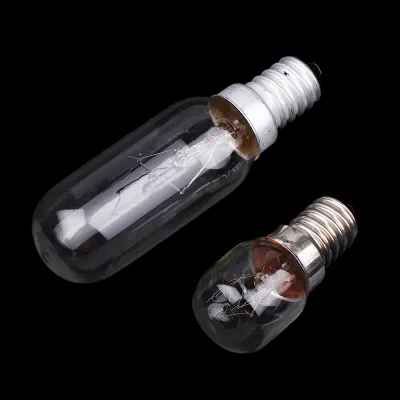
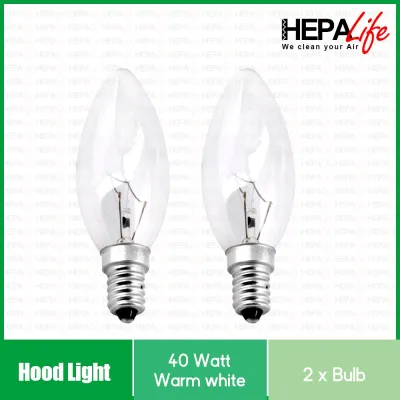
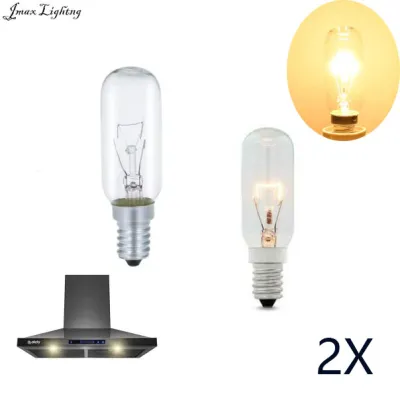
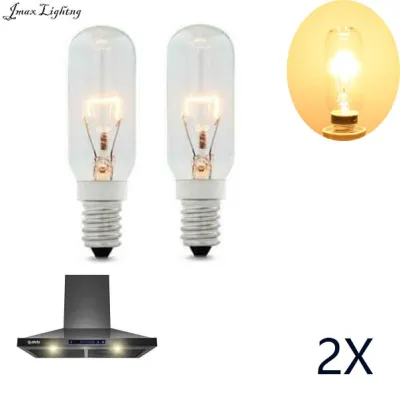
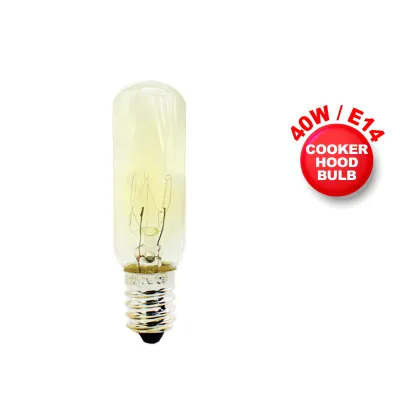
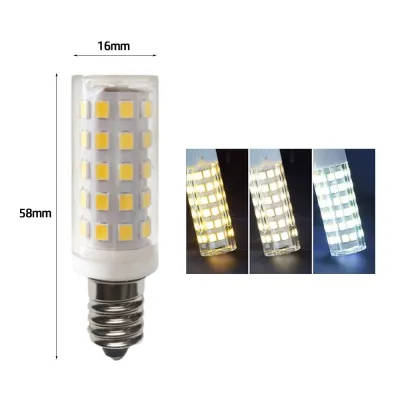
Prices are valid at publication and may change. Please refer to the product page for the latest price.

Start by identifying the exact base type and size constraint. Cooker hoods in Singapore commonly use small Edison screw bases (E14), standard screw bases (E27), or twist-lock bi-pin bases (GU10). Beyond the thread or pin type, you must measure the physical clearance inside the bulb housing. Many cooker hoods feature tight, recessed compartments protected by a glass or plastic cover. If you purchase an energy-efficient bulb that is even a few millimeters too long or wide, you will not be able to reattach the protective cover, exposing the bulb’s electrical contacts to steam and grease.
Next, verify the voltage requirements and maximum wattage limits. Most residential hoods in Singapore operate on standard 220V to 240V AC power, but some older or specialized models might use low-voltage halogen systems that require a transformer. Furthermore, the hood will have a maximum wattage rating printed on its internal label (for example, “Max 40W”). While LED bulbs draw a fraction of the power of older incandescent or halogen bulbs, staying well below this maximum limit is crucial for preventing electrical strain on the hood’s control board.
Finally, consider the environmental factors unique to cooker hoods. Unlike standard ceiling lights, a cooker hood bulb operates directly above a heat source. It is constantly exposed to rising steam, high ambient temperatures, and airborne grease particles. If a bulb lacks a sealed, moisture-resistant design, humidity can penetrate the casing, causing the internal circuitry to short-circuit. Grease accumulation also acts as an insulating blanket, trapping heat around the bulb and accelerating its decline.
How to Evaluate and Compare Energy Efficiency Metrics
To make an objective comparison between different bulb models on the market, you must look past marketing buzzwords like “eco-friendly” or “super-saving” and focus on verifiable technical metrics. Understanding how to read and calculate these figures allows you to identify the most cost-effective option for your kitchen.
The primary metric for evaluating energy efficiency is luminous efficacy. This is calculated by dividing the total light output (measured in lumens) by the power consumed (measured in watts). For example, if Brand A offers a cooker hood bulb that produces 250 lumens while consuming 3 watts of electricity, its efficacy is approximately 83.3 lumens per watt. If Brand B offers a bulb that produces 250 lumens but consumes 4 watts, its efficacy is 62.5 lumens per watt. In this scenario, Brand A is the more efficient choice, as it delivers the same level of brightness while drawing less power from your mains.
When shopping in Singapore, look for recognized electrical safety and energy certifications. Bulbs carrying local safety certifications, such as the Safety Mark regulated by Enterprise Singapore, have undergone rigorous testing to ensure they meet strict electrical safety standards. While these marks primarily denote safety rather than efficiency, they guarantee that the electrical consumption and performance figures printed on the packaging are accurate and verified.
Do not overlook the relationship between heat dissipation and actual lifespan. LEDs are highly efficient because they convert most of their energy into light rather than heat. However, the small amount of heat they do generate must be dissipated away from the sensitive light-emitting diodes and driver circuits. High-quality brands invest in robust heat sinks, often made of ceramic or high-grade thermal plastics, to draw heat away from the core. If a bulb has poor heat dissipation, the ambient heat from your cooking will cause the LED driver to degrade rapidly. This means a bulb with a claimed lifespan of 15,000 hours might fail after only a few hundred hours of exposure to stove heat, completely erasing any long-term energy savings.
Decision Framework: Choosing the Right Bulb for Your Needs
Selecting the right bulb requires matching your cooking habits and hood design to the correct product category. Use the following guidelines to determine which type of LED bulb will deliver the best performance and longevity in your kitchen.
If your cooker hood features an open, well-ventilated design where air flows freely around the light fixtures, and you primarily use the stove for light, low-heat cooking, you can safely opt for standard, high-efficacy LED bulbs. These bulbs generally offer the highest lumens-per-watt ratios at a lower initial purchase price. Because the operating environment remains relatively cool, standard thermal management is sufficient to protect the bulb’s internal electronics.
Conversely, if you have an enclosed hood with a sealed glass cover, or if your cooking style involves frequent high-heat frying, boiling, or heavy steaming, you should prioritize specialized heat-resistant or appliance-rated LED bulbs. These specialized models are engineered with heavy-duty components designed to withstand ambient temperatures that would quickly destroy standard household LEDs. While they may occasionally have a slightly lower luminous efficacy on paper compared to standard bulbs, their ability to survive in harsh conditions makes them far more efficient and cost-effective over time.
Before making a purchase, you must also verify if your cooker hood uses a dimming function. Many modern hoods allow you to adjust the light brightness across multiple levels. If your hood has this feature, you must explicitly choose a bulb labeled as “dimmable.” Installing a non-dimmable LED bulb into a dimming circuit will cause persistent flickering, buzzing, and rapid driver failure, regardless of how reputable the brand is.
To help organize your search, use the blank comparison framework below to evaluate options from different retailers or online marketplaces:
| Brand & Model | Base Type | Luminous Efficacy (lm/W) | Dimmable (Yes/No) | Max Operating Temp | Warranty Period |
|---|
Safe Installation and Maintenance Boundaries
Replacing a cooker hood bulb is a straightforward task, but it involves working with electrical appliances in close proximity to metal surfaces and moisture. Following strict safety protocols is essential to prevent electrical shocks or damage to your hood’s internal circuitry.
Before attempting to touch or replace a bulb, you must completely isolate the power supply. Do not rely solely on the light switch on the front of the cooker hood, as some control boards keep a live current running to the socket even when switched off. Instead, turn off the power at the main wall switch or unplug the cooker hood entirely from its electrical outlet. If the hood is hardwired into a junction box, switch off the corresponding circuit breaker at your home’s main distribution board. After isolating the power, wait at least ten minutes to allow the old bulb and the surrounding metal housing to cool down completely to avoid burns.
There are specific scenarios where you should stop and consult a qualified professional rather than attempting a DIY replacement. If you notice that the bulb socket is cracked, scorched, or showing signs of melting, do not install a new bulb. Similarly, if the wiring leading to the socket is exposed, or if accessing the bulb requires you to disassemble the hood’s motor housing or internal fan assembly, contact a licensed electrician or the appliance manufacturer’s authorized service center. Attempting complex electrical repairs yourself can void your appliance warranty and pose serious safety risks.
Once your new energy-efficient bulb is safely installed, routine maintenance is key to preserving its efficiency. Over time, a fine layer of grease and dust will accumulate on the bulb’s surface and the hood’s protective cover. This sticky film acts as an insulator, trapping heat around the bulb and reducing its light output, which may tempt you to turn on additional kitchen lights. Every few weeks, once the appliance is completely cool and switched off, wipe down the protective cover and the bulb casing with a damp microfiber cloth and a mild, grease-cutting detergent. Keeping these surfaces clean ensures maximum light transmission and optimal heat dissipation.
Frequently Asked Questions (FAQ)
Can I use a smart LED bulb in my cooker hood?
It is generally not recommended to use smart LED bulbs inside a cooker hood. Smart bulbs contain delicate internal components, including wireless microchips for Wi-Fi or Bluetooth connectivity, which are highly sensitive to heat and moisture. The trapped, high-temperature environment inside a cooker hood can easily cause these smart components to overheat and fail. Furthermore, because cooker hoods are controlled by physical switches that cut power to the socket, turning off the hood’s light switch will disconnect the smart bulb from your network, rendering its remote scheduling and smart features useless.
Do I need a special appliance-rated LED bulb for a cooker hood?
Whether you need a specialized appliance-rated bulb depends on your cooker hood’s design and your cooking habits. Appliance-rated LED bulbs are constructed with specialized solder, robust heat sinks, and high-temperature drivers that allow them to operate safely in hot, enclosed spaces. If your hood’s manual explicitly states that appliance-rated or heat-resistant bulbs are required, you must use them to maintain safety compliance and preserve your warranty. Even if not strictly mandated, choosing an appliance-rated bulb is highly advisable for enclosed hoods or kitchens that see heavy, daily cooking, as standard household bulbs are likely to fail prematurely under these conditions.
Community discussion
Share your experience or ask a question. Comments are reviewed before publication.