
Finding the most energy-efficient LED lightbulb brands for your home in Singapore involves looking past flashy marketing buzzwords and eye-catching packaging. While many manufacturers claim to offer the brightest or longest-lasting bulbs on the market, actual performance can vary significantly between product batches, model generations, and specific product lines. Instead of relying on static brand rankings that quickly become outdated as new technology emerges, smart consumers evaluate lighting products using standardized metrics and local regulatory benchmarks. By understanding how to analyze these specifications, verify local safety certifications, and calculate the true cost of ownership, you can make informed purchasing decisions that deliver genuine long-term value and lower utility bills.
How to Read Energy Efficiency Metrics on Lightbulb Packaging
To compare different lightbulb brands objectively, you must first understand the standardized labeling systems used in Singapore. The National Environment Agency (NEA) administers the Mandatory Energy Labelling Scheme (MELS), which features a distinctive tick rating system on registered household lamps. When shopping, look for this energy label on the packaging; a higher number of ticks indicates a more energy-efficient product, allowing you to quickly compare the relative efficiency of different brands on the shelf.
For a more precise comparison, you can calculate the luminous efficacy of any bulb, which is measured in lumens per watt (lm/W). Luminous efficacy represents the actual efficiency of the lightbulb by showing how much visible light it produces for every watt of electricity it consumes. To find this value, locate the total light output (measured in lumens) and the power consumption (measured in watts) printed on the product packaging, then divide the lumens by the watts. For example, a bulb that outputs 800 lumens while consuming 8 watts has an efficacy of 100 lm/W, whereas a less efficient bulb producing the same 800 lumens might require 10 watts, resulting in an efficacy of only 80 lm/W.
Products mentioned in this guide
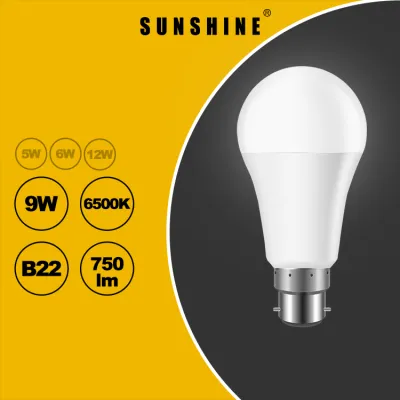
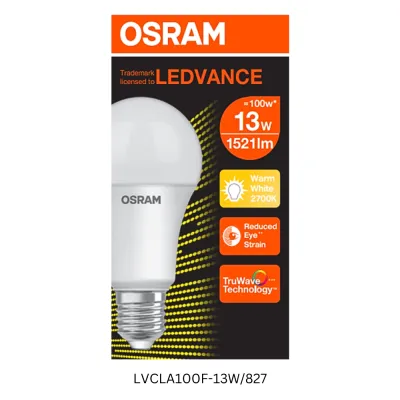
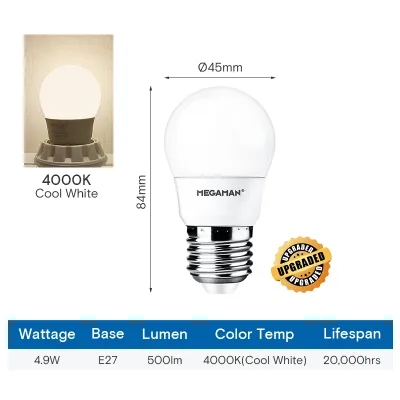
![[SG SELLER] LED Bulb E27 screw LED Flying Saucer Light High Brightness Energy-Saving Bulb for Household and Outdoor Use](https://img.lazcdn.com/g/p/29c242051805f539a812f8d2409e9ab4.png_400x400q80.png_.webp)
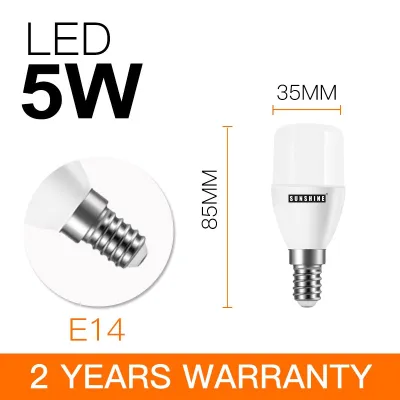
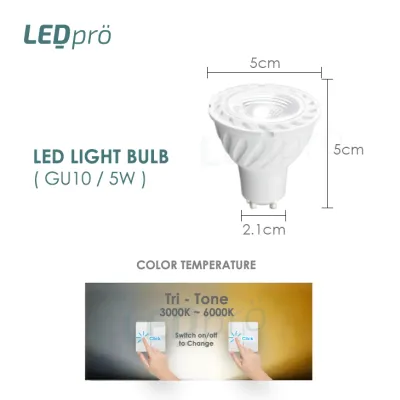
Prices are valid at publication and may change. Please refer to the product page for the latest price.
Distinguishing clearly between wattage and lumens is essential to avoiding common purchasing mistakes. Historically, consumers associated higher wattage with brighter light because traditional incandescent bulbs required more power to glow brighter. With modern LED technology, wattage only measures the rate of electricity consumption, while lumens measure the actual brightness emitted. When comparing brands, your goal should be to find a lightbulb that provides your desired lumen output at the lowest possible wattage, ensuring you do not pay for unnecessary energy consumption.
Calculating Long-Term Value Beyond the Initial Price Tag
Evaluating the true value of an LED lightbulb requires looking beyond the initial retail price to calculate the total cost of ownership over its operating lifespan. To estimate the annual energy cost of a bulb, you can use a straightforward formula based on its wattage, your average daily usage, and current local electricity tariffs. Multiply the bulb’s wattage by the number of hours it is used per day, multiply that by 365 days, and divide by 1,000 to convert the total into kilowatt-hours (kWh). Multiplying this annual consumption by the prevailing SP Group electricity tariff rate (expressed in cents per kWh) will give you the estimated annual operating cost in S$. Comparing these annual costs across different brands reveals how a slightly more expensive, high-efficacy bulb can easily offset its purchase price within the first year of use.

The rated lifespan of a bulb is another critical factor in determining its long-term value, and this is heavily influenced by the physical design of the product. While many brands advertise lifespans of 15,000 to 25,000 hours, these figures assume optimal operating conditions. LED chips are highly sensitive to heat, which degrades their internal components and dims their light output over time. High-quality brands invest in robust heat dissipation designs, often utilizing ceramic or aluminum heat sinks in the bulb’s base to draw heat away from the delicate electronics. When comparing brands, examine the construction of the bulb base; heavier, well-ventilated designs generally indicate better thermal management and a higher likelihood of reaching the advertised lifespan.
Manufacturer warranty terms serve as a practical indicator of a brand’s confidence in its product’s durability. A standard one-year warranty is common, but premium brands often offer two- to five-year warranties on their LED products. When evaluating these warranties, check the specific terms to see if they require you to keep the original receipt, register the product online, or cover the shipping costs for replacements. A robust, easily claimable warranty from an established brand provides peace of mind and protects your investment, ensuring that you do not end up out of pocket if a bulb fails prematurely due to manufacturing defects.
Verifying Local Certifications and Brand Specifications
Before purchasing any lightbulb brand in Singapore, it is vital to verify that the products comply with local safety and performance regulations. Electrical safety is paramount, and all household lightbulbs sold locally must carry the Safety Mark issued by the Consumer Product Safety Office (CPSO). This mark, accompanied by a unique certification number, indicates that the product has undergone rigorous testing and meets the safety standards required for Singapore’s electrical grid. Avoid purchasing unbranded or parallel-imported bulbs from online marketplaces that lack this mark, as they may pose electrical hazards, short-circuiting risks, or fire dangers in your home.
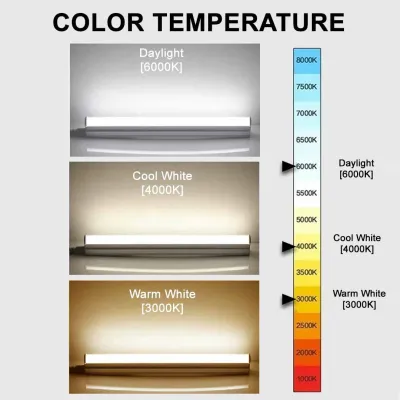
Beyond safety, you should verify the quality of the light itself by checking the Color Rendering Index (CRI) and color temperature specifications on the packaging. The CRI measures how accurately a light source reveals the true colors of objects compared to natural sunlight, with a score of 80 or higher being the standard for comfortable residential lighting. Color temperature, measured in Kelvin (K), determines whether the light is warm white (typically 2700K to 3000K), cool white (4000K), or daylight (6000K to 6500K). Ensuring these specifications are clearly printed and accurate prevents visual discomfort, eye strain, and mismatched lighting tones across your living spaces.
To protect yourself from misleading marketing, do not rely solely on the claims made in online product listings or promotional materials. It is common for low-cost, generic brands on e-commerce platforms to exaggerate their lumens-per-watt efficacy or lifespan ratings. To verify these specifications, cross-reference the details on the physical packaging with official product datasheets or compliance databases provided by the manufacturer. Reputable brands maintain transparent, publicly accessible technical documentation that details their testing methodologies and certification compliance, allowing you to verify their performance claims before making a purchase.
Standard vs. Smart LED Bulbs: Understanding Efficiency Trade-offs
As smart home technology becomes more popular, consumers must weigh the convenience of smart LED bulbs against their energy efficiency trade-offs. A standard LED bulb only consumes power when the physical wall switch is turned on, drawing zero electricity when switched off. In contrast, smart bulbs require a constant, low-level electrical current—known as standby power or “vampire draw”—to remain connected to your home’s Wi-Fi, Zigbee, or Bluetooth network. While this standby power is typically low (often under 0.5 watts per bulb), it runs continuously 24 hours a day, which can add up across a home with dozens of smart fixtures.
However, the smart features of these bulbs can sometimes offset their standby power consumption through more efficient usage patterns. For instance, you can program smart bulbs to turn off automatically when a room is unoccupied, dim them to lower wattages during the evening, or integrate them with motion sensors to ensure lights are only active when needed. In high-traffic areas or households where family members frequently forget to turn off lights, these automated energy-saving behaviors can result in a net reduction in overall electricity consumption compared to standard bulbs left running at full brightness.
When integrating smart bulbs, you must also consider fixture compatibility to prevent premature component failure. Many standard dimmer switches installed in Singapore homes are designed for older incandescent bulbs and are incompatible with the electronic drivers inside LED bulbs, especially smart ones. Using an incompatible dimmer can cause rapid flickering, buzzing noises, and severe thermal stress, which can dramatically shorten the lifespan of the bulb’s internal circuits. Always check the manufacturer’s instructions to ensure your chosen bulb is compatible with your existing switches, or opt for smart bulbs that are dimmed exclusively via a mobile app or dedicated smart wireless dimmers.
Decision Framework: Choosing the Right Bulb for Each Room
To maximize both energy efficiency and cost-effectiveness, you should apply a conditional decision framework that matches the specific lightbulb type to the usage patterns of each room. For high-traffic areas where lights remain turned on for several hours a day—such as the living room, kitchen, and main corridors—it is highly beneficial to invest in premium, high-efficacy standard LED bulbs. In these spaces, the higher initial cost of a bulb with a top-tier Singapore Energy Label tick rating and high lumens-per-watt efficacy is quickly recovered through significant, ongoing energy savings on your monthly utility bills.
Conversely, for occasional-use spaces where lights are only active for brief periods, you can opt for more budget-friendly, lower-efficacy bulbs. Areas like storerooms, bomb shelters, guest bathrooms, or infrequently used guest bedrooms do not accumulate enough operating hours to justify the premium price of ultra-efficient bulbs. In these zones, standard, entry-level LED bulbs from reputable brands provide sufficient brightness and safety without requiring a high upfront investment, as the potential energy savings from a more efficient model would take many years to realize.
Smart bulbs are best reserved for spaces where automated control, dimming, and color tuning directly enhance your lifestyle or productivity, such as bedrooms, home offices, and entertainment areas. In a home office, for example, you can program the bulb to transition from a cool, energizing daylight tone during working hours to a warm, relaxing white in the evening, supporting your natural circadian rhythm. By restricting smart bulbs to these specific rooms, you can enjoy the benefits of home automation where it matters most, while avoiding the unnecessary standby power draw and higher upfront costs of installing smart lighting in every single fixture of your home.
Frequently Asked Questions (FAQ)
Does a higher wattage LED bulb always mean it is less energy efficient?
No, a higher wattage does not automatically mean a bulb is less efficient. Efficiency is determined by the ratio of light output to power consumed, known as luminous efficacy (lumens per watt). A 12-watt LED bulb that produces 1,440 lumens has an efficacy of 120 lm/W, making it more energy-efficient than an 8-watt bulb that only produces 800 lumens (100 lm/W). Always compare the lumens-per-watt ratio rather than looking at the wattage in isolation to determine true efficiency.
Can I use a standard LED bulb in an enclosed fixture?
You should avoid using standard LED bulbs in fully enclosed fixtures unless the packaging explicitly states they are rated for enclosed use. Enclosed fixtures trap the heat generated by the bulb’s internal driver, causing temperatures to rise rapidly. This trapped heat degrades the LED chips and electronic components, leading to premature dimming, flickering, or complete bulb failure. For enclosed ceiling domes or tight outdoor fixtures, always verify that the bulb is certified for enclosed environments.
How do I properly dispose of old LED bulbs in Singapore?
LED bulbs contain electronic components, plastic, and metal parts, meaning they should not be thrown into your regular household trash. In Singapore, you should dispose of old LED bulbs at designated e-waste recycling bins or collection points managed by ALBA, the National Environment Agency’s appointed e-waste operator. These specialized bins can be found at various community centers, supermarkets, and retail malls across the island, ensuring that the electronic waste is processed safely and valuable materials are recovered.

Community discussion
Share your experience or ask a question. Comments are reviewed before publication.