
Choosing the right LED E14 bulb in Singapore requires matching the bulb’s physical dimensions, light output, and dimming compatibility with your specific home fixtures. Because there is no single brand that fits every scenario, the best value is found by comparing key specifications—such as lumens per watt, rated lifespan, and local safety certifications—directly on the product packaging. By focusing on these verifiable metrics rather than marketing promises, you can select a reliable bulb that fits your budget and lighting requirements.
The E14 bulb, commonly known as the small Edison screw bulb, is a staple in decorative lighting. It is frequently found in multi-arm chandeliers, wall sconces, bedside table lamps, and modern pendant lights. Because these fixtures often feature compact or intricate designs, selecting a replacement bulb is not as simple as grabbing the first option on the shelf. A systematic comparison of available brands ensures that your new bulbs will not only fit physically but also perform safely and efficiently over their intended lifespan.
To make an informed decision, consumers must look past brand names and evaluate the technical specifications printed on the packaging. This guide establishes a clear, step-by-step framework for comparing LED E14 bulbs in Singapore, focusing on physical compatibility, light quality, energy efficiency, and long-term financial value.
Products mentioned in this guide
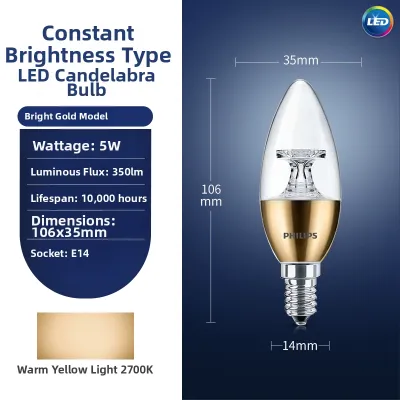
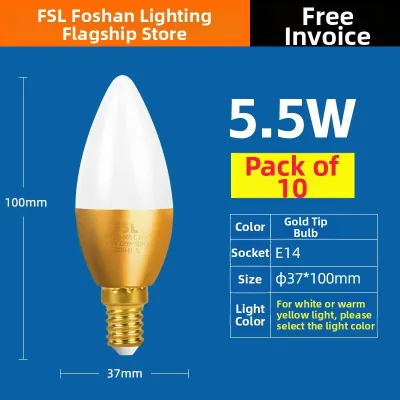
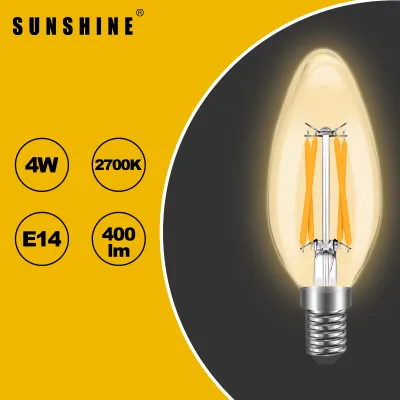
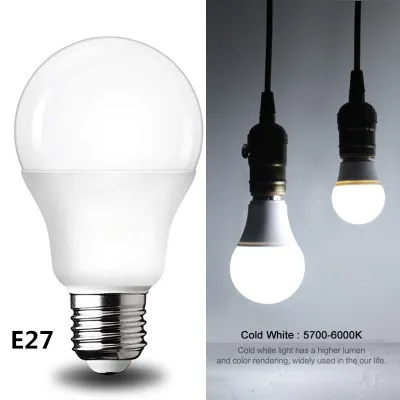
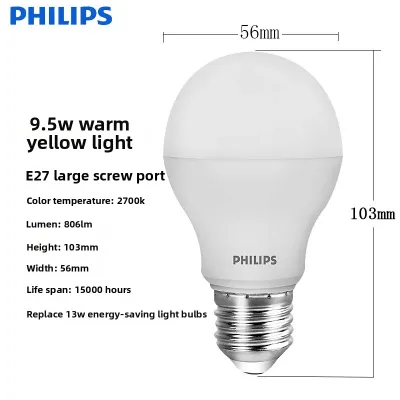
Prices are valid at publication and may change. Please refer to the product page for the latest price.
Key Specifications to Check Before Comparing Brands
Before comparing different brands, you must verify the physical and electrical compatibility of the bulb with your specific light fixture. The E14 designation indicates a screw base with a diameter of 14 millimeters. While the base size is standard, the physical shape and dimensions of the bulb body vary significantly. Common shapes include the classic candle (C35 or C37), the round golf ball (G45), and specialized tubular shapes. You must measure the physical clearance inside your fixture’s glass dome, shade, or decorative sleeve. A bulb that is too wide or too long may touch the enclosure, preventing proper installation or creating a localized heat trap that accelerates bulb failure.
Another critical factor is the difference between wattage equivalence and actual power consumption. Many manufacturers print large numbers on the box, such as “40W equivalent,” to help consumers transition from legacy incandescent bulbs. However, the actual power consumption of a modern LED E14 bulb typically ranges from 4W to 6W. When installing bulbs in delicate, vintage, or multi-bulb fixtures, always check the fixture’s maximum rated wattage. Exceeding this limit can damage the fixture’s internal wiring or socket materials.
Electrical safety is paramount when selecting lighting products for your home. Singapore’s electrical grid operates at a nominal voltage of 230V at a frequency of 50Hz. You must verify that any E14 bulb you purchase is rated for a 220V–240V AC input. Additionally, look for the Safety Mark on the packaging or the bulb itself. This certification indicates that the product has been tested and registered with the local safety authority, ensuring it meets Singapore’s stringent electrical safety standards. Avoid purchasing unbranded or uncertified bulbs from overseas online sellers, as they may lack essential safety features like short-circuit protection or flame-retardant housing.
Finally, always prioritize safety during installation. Before attempting to replace any bulb, isolate the power supply at the main switchboard or circuit breaker rather than relying solely on the wall switch. If your fixture is a heavy chandelier suspended from a high ceiling, ensure you use a stable, slip-resistant ladder, or consider hiring a qualified electrical professional to handle the replacement safely.
Matching Brightness and Color Temperature to Your Fixtures
To compare the performance of different E14 bulb brands accurately, you must evaluate their light output in lumens rather than relying on wattage. Lumens measure the total amount of visible light emitted by a source. Two different brands of 5W E14 bulbs may produce significantly different lumen outputs depending on the efficiency of their LED chips and optical diffusers. For subtle accent lighting or bedside reading, a bulb emitting 200 to 250 lumens is generally sufficient. For primary illumination in a dining room chandelier, look for high-output bulbs that deliver 400 lumens or more per bulb.

Color temperature is a subjective preference that dramatically influences the mood and aesthetic of a room. Measured in Kelvin (K), color temperature generally falls into three categories: warm white (2700K to 3000K), cool white (4000K), and daylight (6000K to 6500K). Warm white light provides a soft, yellowish glow that enhances the warmth of wooden furniture and fabric decor, making it ideal for bedrooms and living areas. Cool white offers a neutral, crisp light that aids concentration, suitable for study lamps or vanity mirrors. Daylight mimics natural outdoor light and is often preferred in utility spaces. When replacing bulbs in a multi-bulb fixture, ensure all bulbs share the exact same Kelvin rating to maintain visual consistency across the room.
Dimming compatibility is another crucial consideration that varies by brand and model. If your fixture is connected to a wall dimmer switch, you must purchase bulbs explicitly labeled as “dimmable.” Installing a non-dimmable LED bulb on a dimming circuit will lead to rapid component degradation, audible buzzing, or persistent flickering. Even when using dimmable bulbs, compatibility issues can arise if the existing wall dimmer is designed for older, high-wattage incandescent bulbs. Modern LED bulbs draw very little current, which may fall below the minimum load threshold of older dimmers, requiring an upgrade to an LED-compatible trailing-edge dimmer switch.
Assessing Lifespan, Energy Efficiency, and Warranty Terms
The long-term value of an LED E14 bulb is heavily dependent on its operational lifespan and energy efficiency. Most reputable brands rate their E14 bulbs for a lifespan of 15,000 to 25,000 hours. However, these ratings are determined under controlled laboratory conditions with optimal heat dissipation. In real-world applications, heat is the primary factor that degrades LED electronics. Singapore’s warm, humid climate can exacerbate heat buildup, particularly if the bulb is installed in a fully enclosed glass fixture or a tight metal shade. Without adequate ventilation, the heat generated by the LED driver cannot escape, leading to premature failure long before the rated hours are reached.
To compare energy efficiency across different brands, refer to the official energy labels required on consumer appliances. In Singapore, the Mandatory Energy Labelling Scheme (MELS), administered by the National Environment Agency (NEA), provides a clear tick rating system for lamps. Bulbs with a higher number of ticks are more energy-efficient, delivering more lumens of light for every watt of electricity consumed. When comparing two bulbs of equal brightness, choosing the one with more ticks will result in lower electricity consumption over time, helping to offset any difference in the initial purchase price.
Warranty terms offer a reliable indicator of a manufacturer’s confidence in their product’s durability. Standard E14 bulbs from established brands typically come with a warranty period ranging from one to three years. When comparing warranties, check the specific terms and conditions. Some manufacturers void the warranty if the bulb is used in commercial settings, fully enclosed fixtures, or outdoor environments exposed to moisture. To facilitate a smooth warranty claim in Singapore, always retain your physical purchase receipt and the original packaging, as local distributors and retailers usually require these documents to process a replacement.
Evaluating Upfront Price Versus Long-Term Value
When shopping for LED E14 bulbs, you will encounter a wide range of prices across different brands and product lines. Standard, non-dimmable E14 bulbs represent the entry-level tier, offering basic, reliable illumination at a lower upfront cost. Dimmable and high-lumen specialty bulbs occupy the mid-range tier, providing greater control over light levels and higher light output. Smart E14 bulbs, which feature wireless connectivity, color-changing capabilities, and integration with smart home ecosystems, sit at the premium tier.
To evaluate the true value of a bulb, you must calculate the total cost of ownership rather than focusing solely on the retail price. This involves estimating the energy savings over the bulb’s expected lifespan. You can calculate this by multiplying the bulb’s actual wattage by your average daily usage hours, converting this to kilowatt-hours, and applying the current electricity tariff in S$ per kilowatt-hour. A highly efficient bulb that costs slightly more upfront but consumes fewer watts and lasts twice as long as a cheaper alternative will ultimately deliver greater savings on your utility bills and reduce the hassle of frequent replacements.
To ensure you receive genuine products that perform according to their specifications, purchase your bulbs from authorized local retailers, official brand stores, or reputable online marketplaces. Be cautious of extremely cheap, unbranded bulbs sold on online platforms. These products often bypass local safety testing, use low-quality internal components that fail prematurely, and lack any verifiable warranty support, posing a potential safety risk to your home’s electrical system.
Decision Framework: Choosing the Right E14 Bulb Profile
To finalize your purchase, you can use a structured decision framework based on your specific lighting priorities and fixture characteristics. If you are outfitting a decorative fixture that is rarely used, such as a guest bedroom bedside lamp or an accent wall sconce, standard non-dimmable bulbs from a budget-friendly tier are highly practical. Because these fixtures are easily accessible and experience low daily usage, the lower upfront cost outweighs the need for premium durability or advanced features.
Conversely, if you are selecting bulbs for a primary light source that remains on for several hours each day—such as a living room chandelier or a study desk lamp—prioritize premium bulbs with high energy efficiency ratings and extended warranties. For fixtures mounted on high ceilings or in hard-to-reach locations, choosing a bulb with a proven, long-rated lifespan is essential to minimize the inconvenience and safety risks associated with climbing ladders for frequent replacements.
Before buying, always perform a final environmental check of the installation site. If the fixture is fully enclosed, select a bulb model that is explicitly rated for enclosed use to ensure proper thermal management. For fixtures located in damp environments, such as bathrooms or covered balconies, verify that both the bulb and the fixture carry an appropriate Ingress Protection (IP) rating to protect against moisture ingress. Finally, if you plan to integrate the bulbs into a smart home system, confirm that the bulb’s wireless protocol is fully compatible with your existing smart assistant or hub.
Frequently Asked Questions (FAQ)
Can I use an E14 bulb in an E27 socket with an adapter?
Yes, physical socket adapters are widely available to convert an E27 socket to accept an E14 bulb. However, this solution should be approached with caution. The adapter adds physical length to the assembly, which can cause the bulb to protrude past the edge of the lampshade or touch the fixture’s enclosure, creating an unsightly appearance or a potential heat hazard. Additionally, you must ensure that the combined weight of the adapter and the bulb does not exceed the structural limits of the socket, and never exceed the maximum wattage rating specified by the fixture manufacturer.
Why do my LED E14 bulbs flicker or buzz on a dimmer switch?
Flickering or buzzing typically occurs when a non-dimmable LED bulb is installed on a dimming circuit, or when a dimmable LED bulb is paired with an incompatible dimmer switch. Traditional wall dimmers are designed for high-wattage incandescent bulbs and often fail to operate correctly with the very low wattage drawn by LED bulbs. To resolve this, ensure the bulb packaging explicitly states it is dimmable, and verify that your wall dimmer switch is specifically rated for LED loads. If the issue persists, you may need to consult a qualified electrical professional to replace the dimmer switch with a compatible trailing-edge model.

Community discussion
Share your experience or ask a question. Comments are reviewed before publication.