
Finding a highly energy-efficient led light for plants in Singapore requires looking past basic electrical wattage and focusing on how effectively a fixture converts electricity into usable light for photosynthesis. In Singapore’s urban environment, where indoor gardening and vertical farming in apartments are rapidly growing, managing electricity consumption is a key priority for hobbyists and serious growers alike. While many brands claim high efficiency, true performance depends on verified metrics like Photosynthetic Photon Efficacy (PPE) and the specific needs of your indoor garden. By understanding these technical specifications and matching them to your setup, you can minimize electricity costs while maximizing plant health.
Selecting the right fixture involves evaluating not just the brand name, but the underlying components, thermal management systems, and safety certifications. Because electricity tariffs directly impact the long-term cost of running indoor lights, choosing a highly efficient system is often more cost-effective over time, despite a higher upfront purchase price. This guide provides a comprehensive framework to help you compare grow light specifications, understand key efficiency metrics, and select the suitable fixture for your home setup.
Understanding Energy Efficiency in LED Plant Lights
To accurately compare the energy efficiency of different grow light brands, you must first understand that electrical wattage only measures the amount of power a fixture draws from your wall outlet. It does not indicate how much usable light the fixture actually produces for your plants. A common mistake is assuming that a higher-wattage light is automatically more powerful or more effective, when in reality, an inefficient high-wattage light simply wastes energy as heat.
Products mentioned in this guide
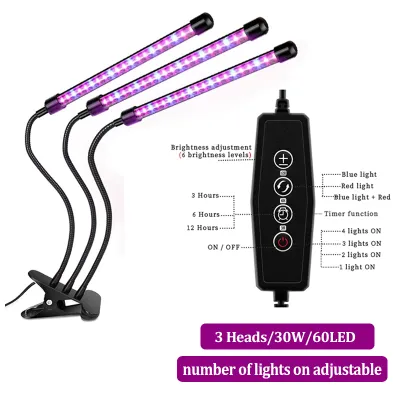
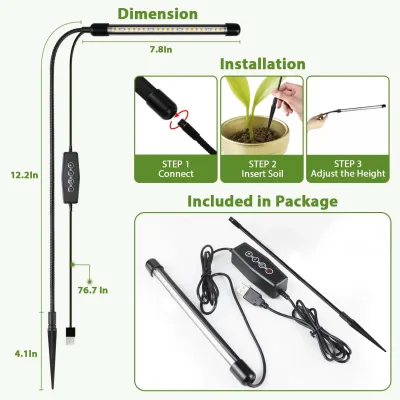
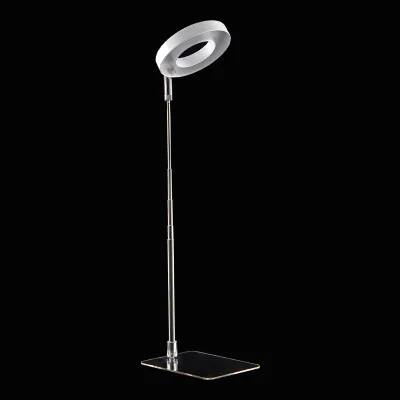
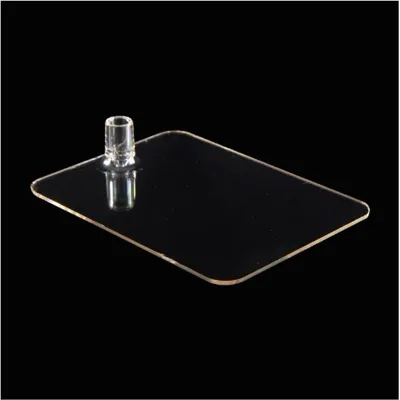
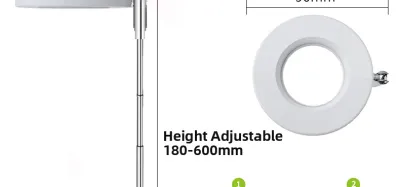
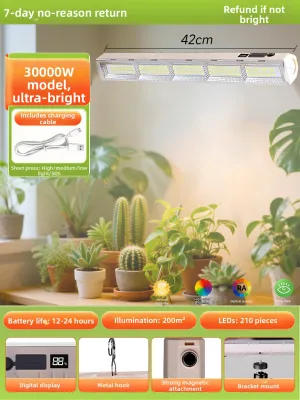
Prices are valid at publication and may change. Please refer to the product page for the latest price.
The primary standard for measuring grow light efficiency is Photosynthetic Photon Efficacy (PPE), which is expressed in micromoles per joule (µmol/J). This metric represents how many micromoles of photosynthetic light a fixture outputs for every single joule of electrical energy it consumes. When comparing brands, look for fixtures with a higher PPE rating; professional-grade lights often achieve ratings of 2.5 µmol/J to over 3.0 µmol/J, whereas lower-end consumer models may fall well below 1.5 µmol/J.
Another critical concept is Photosynthetically Active Radiation (PAR), which refers to the specific waveband of light (400 to 700 nanometers) that plants use to drive photosynthesis. Photosynthetic Photon Flux Density (PPFD) measures the intensity of this PAR light that actually reaches a specific area of your plant canopy per second, expressed as micromoles per square meter per second (µmol/m²/s). An efficient grow light brand will design its fixtures to distribute this light evenly across the target area, ensuring that minimal energy is wasted on empty space or concentrated in a single hot spot.
Be cautious of marketing terms like “high output,” “equivalent wattage,” or “1000W replacement” often found on online marketplaces. These terms are frequently unregulated and do not reflect the actual power consumption or light output of the fixture. Always verify the true power draw (actual wattage) and the rated PPE on the manufacturer’s official specification sheet rather than relying on promotional titles.
Key Specifications to Compare Across Brands
When evaluating different LED grow light brands, the specific components and design choices of the fixture play a massive role in its overall energy efficiency. The first major component to analyze is the spectrum type. Full-spectrum white LEDs, which mimic natural sunlight, are highly popular because they support all stages of plant growth and provide a pleasant, natural light for living spaces. In contrast, targeted red and blue “blurple” lights are highly efficient at driving photosynthesis directly but can be visually harsh and are often treated as a conditional preference depending on where your plants are located. Many modern high-efficiency brands combine high-quality full-spectrum white diodes with supplemental deep red diodes to maximize photosynthetic efficiency without sacrificing visual comfort.

Thermal management is another critical factor that directly influences long-term energy efficiency. LEDs generate heat at their junction points, and if this heat is not dissipated effectively, the diodes will degrade rapidly, leading to a drop in light output and a decrease in overall efficacy. High-quality brands utilize robust passive cooling systems, such as thick aluminum heat sinks, which dissipate heat silently and efficiently without drawing extra power. Active cooling systems, which use built-in fans, can also keep fixtures cool but introduce moving parts that can fail and consume additional electricity.
Finally, electrical safety and compliance are paramount when operating high-power lighting systems in Singapore. Ensure that any brand you consider uses high-quality, certified LED drivers, as the driver is responsible for converting alternating current (AC) from your wall into the direct current (DC) required by the LEDs. A low-quality driver can lose a significant amount of energy as heat, reducing the overall efficiency of the fixture. Look for products that carry recognized international safety certifications or local safety marks to ensure the fixture complies with local electrical standards and is safe for continuous indoor operation.
Matching Light Form Factors to Plant Needs
Selecting the most energy-efficient physical design, or form factor, for your grow light is essential to avoid wasting power on empty space. Quantum boards and panel lights are flat, wide fixtures that feature a large number of low-power diodes spread across a broad surface. This design allows for highly even light distribution and excellent passive heat dissipation, making quantum boards some of the highly energy-efficient options on the market. They are ideal for dense plant canopies, vertical shelving units, or dedicated grow tents where uniform coverage is required.
For supplemental lighting or smaller setups, standard LED grow bulbs and linear tubes offer a highly practical solution. Grow bulbs with standard E27 screw bases can be easily integrated into existing household lamps or adjustable fixtures, minimizing your initial investment. Linear LED tubes, such as T5 or T8 replacements, are excellent for long, narrow shelves housing microgreens, herbs, or leafy greens. While these form factors may have slightly lower PPE ratings than high-end quantum boards, they allow you to target light precisely where it is needed, preventing energy waste.
Ring lights and clip-on lamps are popular choices for small, single-plant setups, terrariums, or decorative displays. These fixtures are highly convenient and have very low absolute power consumption, often drawing less than 15 watts of electricity. However, their efficiency per watt is typically much lower than larger, professional-grade fixtures. They are well suited for low-light ornamental plants like pothos, snake plants, or ferns, but are generally insufficient for high-light crops like tomatoes or flowering plants.
Decision Framework: Choosing the Right Brand Profile
To choose the right LED grow light brand, you must balance your specific gardening goals, budget, and spatial constraints. If your primary objective is to maximize crop yield per watt of electricity consumed—such as when growing edible greens, herbs, or fruiting plants indoors—investing in professional-grade brands is highly recommended. These brands prioritize high-quality diodes, premium drivers, and robust thermal management, resulting in exceptionally high PPE ratings. Although the initial purchase price is higher, the long-term energy savings and enhanced plant yields make them a cost-effective choice for serious growers.
For casual houseplant enthusiasts or those who prioritize home aesthetics, consumer-grade or smart-home integrated brands are often the preferred choice. These fixtures are designed to blend seamlessly into living spaces and frequently feature built-in smart controls, such as automated scheduling, dimming capabilities, and mobile app integration. While their raw energy efficiency might be slightly lower than professional-grade models, their ability to be easily dimmed or scheduled ensures you only use power when necessary, helping to keep your electricity bills manageable.
Before making a final decision, always verify that the selected fixture is fully compatible with your existing electrical infrastructure and physical space. Check the physical dimensions of the light to ensure it fits comfortably within your growing area without touching walls or shelving. Additionally, verify the mounting requirements and weight limits of your setup, as larger, highly efficient panel lights can be heavy and require secure suspension systems.
Installation and Safety Checks for Indoor Grow Lights
Proper installation and safety practices are crucial to maintaining the energy efficiency of your grow lights and preventing potential hazards in your home. First, always verify the voltage compatibility of your chosen fixture. Singapore’s standard residential power supply operates at 230V and 50Hz. Ensure that any imported grow light is rated for this voltage range to prevent damage to the driver or electrical components. Avoid overloading power strips or extension cords, especially when running multiple high-wattage fixtures, and use high-quality surge protectors to safeguard your investment.
Maintaining safe clearance distances is another essential step. Even highly efficient LEDs generate some heat, and placing fixtures too close to your plants can cause leaf scorch or heat stress, while placing them too far away reduces the intensity of the light reaching the canopy, wasting valuable energy. Follow the manufacturer’s guidelines for hanging heights, which typically range from 15 to 30 centimeters for low-power lights and 45 to 90 centimeters for high-power panels. Ensure there is adequate ventilation around the fixture’s heat sinks to allow warm air to rise and dissipate safely.
For complex installations, such as those involving fixed wiring, integration into high-moisture hydroponic systems, or heavy suspended loads, do not attempt a DIY installation. Always isolate the power source at the main circuit breaker before making any adjustments to your electrical setup. If your installation requires modifying your home’s electrical wiring or mounting heavy fixtures to concrete ceilings, consult a qualified licensed electrician to ensure the work is completed safely and in compliance with local building and safety codes.
Frequently Asked Questions (FAQ)
Do smart LED grow lights save more energy?
Smart features like automated scheduling and dimming can contribute to energy savings by ensuring lights are only active when needed. For example, dimming the lights during early growth stages or automating a 12-hour cycle prevents wasted electricity. However, keep in mind that smart modules (Wi-Fi or Bluetooth receivers) consume a small amount of standby power continuously, though this is usually negligible compared to the savings from optimized runtimes.
How do I calculate the electricity cost of my grow light?
To estimate the monthly operating cost of your led light for plants, use this simple formula: (Fixture Wattage × Daily Run Hours × 30 Days) / 1000 × Electricity Tariff per kWh. For example, if you run a 100-watt fixture for 12 hours a day, it consumes 1.2 kWh daily, or 36 kWh per month. Multiplying 36 kWh by a sample Singapore electricity tariff of S$0.32 per kWh gives a monthly cost of approximately S$11.52. Adjust this calculation if you use dimming features, as running a light at 50% intensity will roughly halve its power consumption.
Community discussion
Share your experience or ask a question. Comments are reviewed before publication.