
To find the most energy-efficient LED light tubes in Singapore, you must look beyond brand marketing and focus on verifiable technical specifications, local certification marks, and your specific installation setup. While major lighting brands offer highly efficient options, the actual energy savings you achieve depend on selecting tubes with the highest luminous efficacy (lumens per watt) and choosing a direct-wire installation that eliminates ballast power draw. By understanding how to evaluate these factors, you can make an informed decision that minimizes your electricity bills and reduces long-term maintenance costs.
Selecting the right LED tube requires a systematic approach to comparing product specifications. Rather than relying on brand reputation alone, verifying the electrical compatibility, physical dimensions, and energy certifications of each option ensures you invest in a safe, high-performing lighting solution for your home or business.
Key Specifications to Check for Energy Efficiency
Luminous efficacy is the primary metric that determines an LED tube’s actual energy efficiency. Measured in lumens per watt (lm/W), this ratio tells you how much visible light a tube produces for every watt of electricity it consumes. When comparing different models, always look for the efficacy rating on the product specification sheet; a tube with an efficacy of 140 lm/W will deliver the same brightness as a 100 lm/W tube while drawing significantly less power from your electrical grid.
Products mentioned in this guide
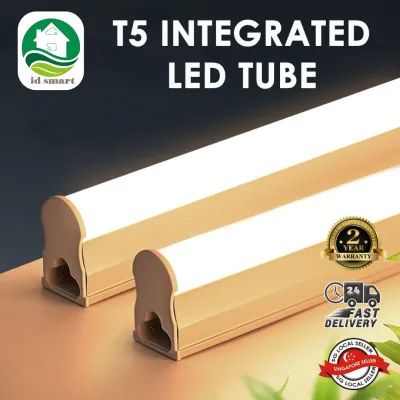
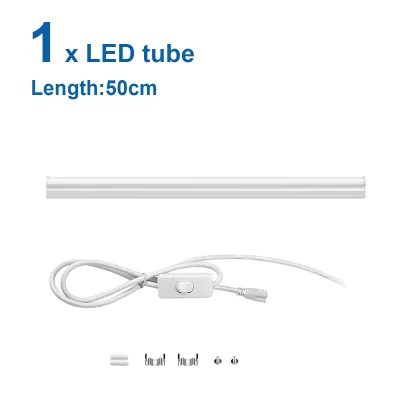
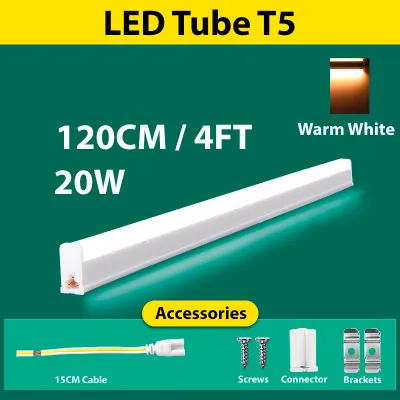
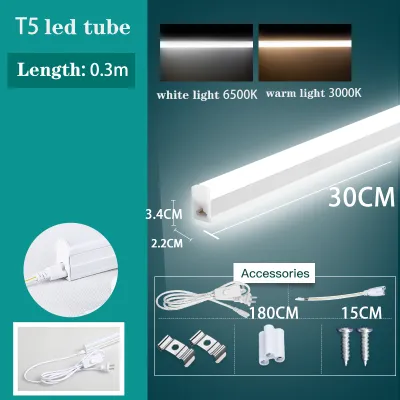
![LED PRO LED LIGHT Led T5 Led Tube/ Led Tube Tri-Tone Daylight/Cool White/Warm White [300mm/600mm/900mm/1200mm]](https://img.lazcdn.com/g/p/88326b36ba15a5b70e2b9bb596605a3d.jpg_400x400q80.jpg_.webp)
Prices are valid at publication and may change. Please refer to the product page for the latest price.
To avoid over-lighting your space and wasting energy, you must evaluate wattage in relation to actual brightness rather than using wattage as a measure of light output. In traditional fluorescent lighting, higher wattage directly correlated with brighter light, but LED technology breaks this link. When replacing old tubes, identify the lumen output of your current setup and select an LED tube that matches that brightness level with the lowest possible wattage.
Power factor and driver quality are critical components of a stable, energy-efficient lighting system. The LED driver converts incoming alternating current (AC) to the direct current (DC) required by the light-emitting diodes. A high-quality driver with a power factor close to 1.0 (ideally 0.9 or higher) ensures that the tube utilizes electrical power efficiently, minimizing reactive power waste and reducing the overall load on your building’s electrical wiring.
Thermal management features play a vital role in preventing efficiency drops and lumen depreciation over time. Although LEDs generate far less heat than fluorescent lamps, the heat they do produce must be dissipated away from the sensitive LED chips and driver components. Look for tubes designed with aluminum backings, advanced thermal plastics, or dedicated heat sinks, as superior heat dissipation preserves both the energy efficiency and the operational lifespan of the tube.
Navigating Energy Labels and Certifications in Singapore
In Singapore, the National Environment Agency (NEA) regulates energy-consuming appliances, including lamps, under the Mandatory Energy Labelling Scheme (MELS). When shopping for LED light tubes, look for the national energy tick label printed on the packaging. This label displays a rating of up to five ticks; a higher number of ticks indicates a more energy-efficient product, allowing you to compare the relative efficiency of different brands at a glance.

Safety must always be your top priority when selecting electrical products. Ensure that any LED light tube you purchase carries the Safety Mark issued by Enterprise Singapore as the Safety Authority. This certification confirms that the product has undergone rigorous testing and complies with local electrical safety standards, protecting your property from risks such as short circuits, overheating, or electrical fires.
Verify tested lifespan claims on the packaging rather than relying on generalized marketing estimates. Manufacturers often advertise lifespans of 50,000 hours or more, but these figures should be backed by standardized industry testing reports, such as LM-80 or TM-21 certifications. Checking for these verified standards ensures that the tube will maintain its brightness and efficiency throughout its promised operational life.
Calculating Long-Term Cost Savings and Total Ownership
To estimate the financial return on your investment, you can calculate the annual electricity cost of an LED tube using a straightforward formula. Multiply the tube’s wattage by your average daily usage hours, divide by 1,000 to convert the value to kilowatt-hours (kWh), and then multiply by the current Singapore SP Group electricity tariff (expressed in S$ per kWh). Comparing this result against your existing fluorescent setup will reveal the direct savings on your monthly utility bill.
Your total cost of ownership calculation must factor in the initial purchase price, potential installation labor, and ballast modification costs. While highly efficient LED tubes may carry a higher upfront price tag, their lower energy consumption and reduced replacement frequency often offset the initial cost within the first year or two of operation. If you require professional assistance to modify your fixtures, include the service fees of a licensed electrical worker in your initial budget.
Evaluating the manufacturer’s warranty terms provides an extra layer of financial protection. A robust warranty of three to five years indicates that the manufacturer has confidence in the durability of their drivers and LED chips. Choosing a product with a comprehensive warranty ensures that you will not face premature replacement costs that could otherwise erase your projected energy savings.
Evaluating Installation Types and Their Impact on Efficiency
LED light tubes are generally available in two main configurations: direct-wire (ballast bypass) and plug-and-play (ballast-compatible). The installation method you choose has a direct impact on the overall energy performance, safety, and maintenance requirements of your lighting system.
Direct-wire tubes require you to bypass the existing ballast and connect the mains voltage directly to the tube sockets. This method is highly efficient because it completely eliminates the ballast from the circuit, preventing any secondary energy loss. Because this process involves modifying fixed electrical wiring, you must isolate the power supply at the main distribution board before starting, follow the manufacturer’s wiring instructions precisely, and engage a qualified professional to perform the installation safely.
Plug-and-play tubes are designed to fit directly into existing fluorescent fixtures without any rewiring. While this approach offers a quick and simple retrofit, the old magnetic or electronic ballast remains active in the circuit. This ballast continues to draw phantom power, which can add several watts of wasted energy per fixture, reducing the overall efficiency of your new LED setup and leaving an aging component that will eventually fail and require replacement.
Consider how form factor differences and diffuser materials affect light transmission and required wattage. Frosted polycarbonate diffusers distribute light evenly and reduce glare, making them ideal for residential spaces, but they block a small percentage of light. Clear diffusers allow maximum light transmission, which may enable you to use a lower-wattage tube to achieve the same level of illumination in task-oriented environments.
Decision Framework: Matching LED Tubes to Your Usage Scenario
For high-usage commercial spaces, such as retail shops, offices, or common corridors where lights remain on for twelve or more hours a day, direct-wire LED tubes are the most cost-effective choice. The maximum energy reduction achieved by bypassing the ballast quickly offsets the initial cost of hiring a licensed electrical worker, resulting in substantial long-term savings on both electricity and maintenance.
For residential settings or small offices where lights are used moderately, plug-and-play tubes offer a convenient, low-disruption retrofit. This option allows you to upgrade your lighting immediately without the need for complex rewiring, though you should plan to transition to direct-wire setups when the old fixtures or ballasts eventually fail.
Before purchasing any LED tube, always verify the compatibility of your existing fixtures. Check the physical dimensions (such as T8 or T5 standards), the base type (G13 or G5), the voltage compatibility (typically 220V–240V in Singapore), and whether the fixture has a wattage limit that accommodates the new tube. If you are installing lights in damp areas, such as bathrooms or outdoor balconies, ensure the tubes and fixtures carry the appropriate IP (Ingress Protection) rating for wet environments.
Frequently Asked Questions (FAQ)
Do I need to remove the old fluorescent ballast when installing LED tubes?
It depends on the type of LED tube you purchase. Ballast-compatible (plug-and-play) tubes work with your existing ballast, but keeping the ballast in place results in continuous energy loss and introduces a secondary point of failure. Ballast-bypass (direct-wire) tubes require you to remove or bypass the ballast entirely. For safety and maximum energy savings, bypassing the ballast is highly recommended. Always turn off the main power at the circuit breaker and consult a qualified electrician before attempting any wiring modifications.
How does color temperature affect perceived brightness and energy use?
Color temperature, measured in Kelvin (K), does not directly affect the electrical wattage or the actual lumen output of an LED tube. However, cooler light temperatures (such as daylight at 6500K) often appear brighter to the human eye than warmer temperatures (such as warm white at 3000K). In task-oriented areas like kitchens or home offices, choosing a cooler color temperature can allow you to select a slightly lower-wattage tube while maintaining excellent visibility, thereby saving energy without sacrificing visual comfort.
Community discussion
Share your experience or ask a question. Comments are reviewed before publication.