
Finding the most energy-efficient LED strip lighting for your home in Singapore requires looking beyond marketing claims and examining the technical specifications of each brand. Because no single brand holds a universal monopoly on efficiency, the best option depends on how effectively a product converts electricity into light, how much standby power it draws, and how well its power supply operates. Homeowners planning cove lighting in HDB flats or task lighting in condominiums must evaluate these factors alongside local installation conditions to achieve genuine energy savings.
How to Evaluate Energy Efficiency in LED Strip Lighting
To accurately compare the energy efficiency of different LED strip lighting options, you must first understand how manufacturers measure and report energy performance. The primary metric to look for is luminous efficacy, which is expressed in lumens per watt (lm/W). This value tells you exactly how much visible light the strip produces for every watt of electricity it consumes. High-efficiency strips typically deliver more light with less power, whereas lower-quality alternatives may draw the same wattage but produce a dimmer, less usable glow.
Another critical specification is the wattage per meter. This figure allows you to estimate the total power consumption of your installation based on the exact length of the run. For instance, a five-meter run of a strip rated at 14.4 watts per meter will draw significantly more power than one rated at 4.8 watts per meter. However, you must compare this wattage directly to the lumen output per meter; a lower wattage strip is only more efficient if it still provides the brightness required for your specific space.
Products mentioned in this guide
![[SG seller] Premium COB LED Light Strip 5M 12V Cove light | Goldberg Home](https://img.lazcdn.com/g/p/5ff63324e2c6835fa2ed4000e285da60.png_400x400q80.png_.webp)
![[SG] 5M/10M LED Neon Rope Light USB Bluetooth & Remote LED Strip Lights with Music Sync DIY RGBIC Dream color Chasing Strip Tape for Home Decor Lighting](https://img.lazcdn.com/g/p/6bc32ec7191bb2c19ee45c35cd547006.png_400x400q80.png_.webp)
![[SG STOCK] LED Strip light RGB Fairy light USB Power Plug With Remote WiFi Waterproof Tape Adhesive 2m 5m 10m 15m 20m](https://img.lazcdn.com/g/p/49d1fb391659afa03781b6c38e6c8cde.jpg_400x400q80.jpg_.webp)
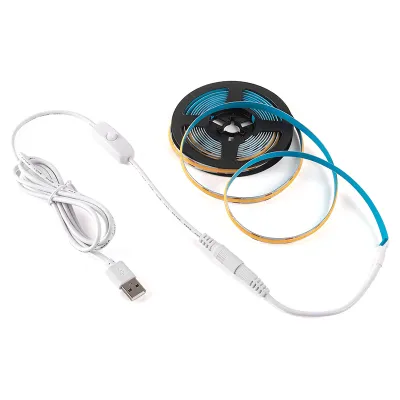
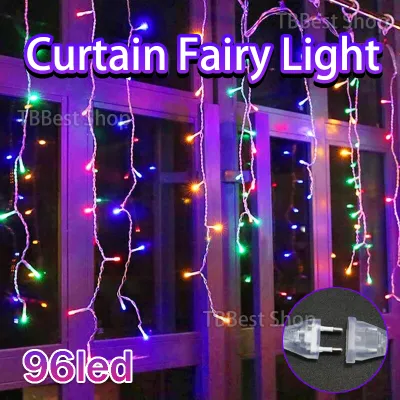
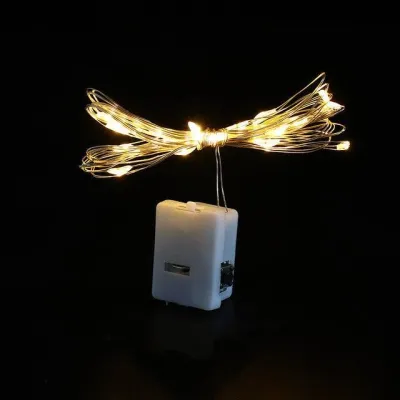
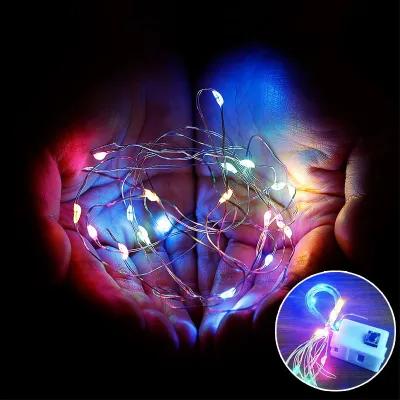
Prices are valid at publication and may change. Please refer to the product page for the latest price.
Finally, the overall efficiency of your LED strip lighting system is heavily influenced by the external power adapter, also known as the LED driver. Even if the LED strip itself is highly efficient, an inefficient driver will waste energy as heat before the electricity ever reaches the lights. When comparing brands, look for power supplies that carry recognized efficiency certifications, such as a Level VI efficiency rating. A high-quality driver ensures that the power drawn from your wall socket is effectively transmitted to the LEDs with minimal conversion loss.
Comparing Brand Categories by Efficiency and Use Case
The market for LED strip lighting in Singapore is broadly divided into three categories, each offering distinct trade-offs in terms of energy efficiency, features, and upfront costs. Understanding these categories helps you narrow down your choices based on how and where you plan to install the lights.

Professional architectural brands focus heavily on raw performance, high luminous efficacy, and long-term durability. These brands typically design their strips with high-quality copper traces and advanced LED chips that deliver superior lumens per watt. They also prioritize thermal management, ensuring the strips run cooler and maintain their efficiency over years of continuous use. While these professional-grade options often require a higher initial investment and separate drivers, they are highly suited for primary lighting applications where the lights remain on for extended periods.
Smart home ecosystem brands prioritize seamless integration, wireless control, and automated scheduling. These systems allow you to adjust brightness, change colors, and set timers directly from your smartphone or smart home hub. However, when evaluating the efficiency of smart LED strips, you must account for standby power consumption. Because these strips must remain connected to your Wi-Fi or Zigbee network even when turned off, they continuously draw a small amount of standby power. To maximize efficiency, verify the standby wattage in the manufacturer’s specifications and utilize automated schedules to ensure the lights are only active when needed.
General consumer and budget brands are widely available on online marketplaces and local hardware shops, offering a low-cost entry point for decorative lighting. While these options are highly accessible, they often require the most careful verification. Budget brands may not always provide detailed luminous efficacy data, and their actual power draw can sometimes deviate from the stated specifications. When considering these options, look for clear product labeling, verify that the package includes recognized electrical safety markings, and avoid running them continuously for long periods without adequate heat dissipation.
Balancing Energy Savings with Light Quality and Durability
While maximizing energy efficiency is a worthy goal, focusing solely on low power consumption can lead to compromises in light quality and product lifespan. A truly efficient lighting system must deliver comfortable, high-quality illumination that lasts for years without requiring premature replacement.
One of the most common trade-offs of high-efficiency LED strips is a reduction in the Color Rendering Index (CRI). CRI measures how accurately a light source reveals the true colors of objects compared to natural sunlight. Standard high-efficiency strips sometimes achieve their low power draw by limiting the spectral output, resulting in a lower CRI (often below 80) that can make home interiors look dull or washed out. For living areas, kitchens, and vanity mirrors, it is generally preferable to choose a strip with a CRI of 90 or higher, even if it means a minor sacrifice in raw lumens per watt.
Durability is another factor that directly impacts long-term efficiency. LEDs are highly sensitive to heat; operating them at high temperatures accelerates lumen depreciation, meaning the lights will dim permanently over time while still drawing the same amount of electricity. To preserve efficiency and extend the lifespan of your LED strip lighting, you should install the strips inside aluminum channels or profiles. These profiles act as heat sinks, drawing warmth away from the delicate diodes and dissipating it into the surrounding air—a crucial consideration in Singapore’s warm, humid climate.
Additionally, you must verify dimming compatibility to ensure your energy-saving efforts are not undermined by electrical issues. Dimming your LED strips is an excellent way to reduce power consumption, but using incompatible dimmers can lead to visible flickering, buzzing, or even premature driver failure. Before purchasing, check whether the LED strip and its driver support your preferred dimming method, whether it is a traditional phase-cut (TRIAC) wall dimmer, a 0-10V system, or a smart pulse-width modulation (PWM) controller.
Decision Framework: Matching the Brand to Your Lighting Needs
To select the right LED strip lighting category for your Singapore home, you can use a structured decision framework based on your primary usage scenarios and installation environments.
If your goal is to install primary task lighting—such as under-cabinet illumination in a busy kitchen or bright workspace lighting in a home office—prioritize professional-grade architectural brands. These environments require high, consistent brightness and excellent color accuracy. Look for strips that offer a high CRI (90+) and a luminous efficacy of at least 100 lm/W. Ensure the installation includes dedicated aluminum profiles to handle the heat generated during long hours of continuous operation.
If you are looking to install accent or decorative lighting—such as cove lighting in an HDB living room ceiling or under-bed nightlights—smart ecosystem brands are often the most practical choice. The ability to dim these lights to low levels or automate them to turn off when a room is unoccupied can easily offset their minor standby power draw. When choosing a smart brand, verify that the system integrates smoothly with your existing smart home platform to avoid the need for multiple hubs, which would consume additional standby energy.
If you are working on a temporary project or low-use decorative accent, budget-friendly consumer brands may be suitable, provided you verify their safety and performance characteristics first. Avoid using unbranded strips that lack clear electrical safety certifications or detailed technical specifications. Always check that the power adapter carries the appropriate safety markings for use in Singapore, and do not install high-wattage budget strips in enclosed spaces without proper ventilation.
Power Supply and Installation Factors That Affect Total Efficiency
The final energy performance and safety of your LED strip lighting system depend heavily on how the components are configured and installed. Even the most efficient LED strip can underperform or fail prematurely if paired with an incorrect power supply or installed poorly.
When selecting an LED driver, you must calculate the total wattage of your strip run and add a safety margin, commonly referred to as the “80% rule.” This means your total LED wattage should not exceed 80% of the driver’s maximum rated capacity. Operating a power supply at or near its absolute limit causes it to run hot, reducing its operating efficiency and shortening its lifespan. For example, if your LED strip run calculates to a total draw of 80 watts, you should pair it with a driver rated for at least 100 watts to ensure cool, efficient, and safe operation.
Voltage drop is another critical factor that affects both brightness and efficiency in longer installations. As electrical current travels along the thin copper traces of an LED strip, resistance causes the voltage to decrease gradually. This voltage drop results in the far end of the strip appearing noticeably dimmer than the end closest to the power supply. To compensate for this, some systems may draw excess current, leading to uneven heating and efficiency losses. To prevent voltage drop, limit your continuous runs to the manufacturer’s recommended maximum length (typically 5 meters for 12V systems and 10 meters for 24V systems) or plan for power injection points where power is fed to both ends of the strip.
Proper physical installation is also essential for maintaining thermal efficiency. Before adhering your LED strips, thoroughly clean the mounting surface to ensure strong, permanent adhesion. In Singapore’s humid climate, standard adhesive backings can degrade over time if applied to dusty or uneven surfaces, causing the strip to peel away and lose direct contact with its heat-dissipating aluminum channel. For any installation involving fixed mains wiring, working at heights (such as high false ceilings), or mounting in damp environments like bathrooms, always isolate the power supply before starting work, follow the manufacturer’s detailed safety instructions, and consult a qualified licensed electrical worker to ensure compliance with local electrical standards.
Frequently Asked Questions (FAQ)
Do smart LED strip lights consume power when turned off?
Yes, smart LED strip lights draw a small amount of standby power even when they are turned off via an app or voice command. This standby power, often referred to as vampire draw, is necessary to keep the strip’s internal wireless receiver active so it can listen for your next command. While this standby draw is typically very low—often under 1 watt—it is continuous. To minimize this energy use, you can check the manufacturer’s specifications for standby wattage before purchasing, or use a physical wall switch to cut power completely when you are away for extended periods.
How does the length of the LED strip affect its energy efficiency?
The length of an LED strip directly impacts its energy efficiency due to electrical resistance along the circuit. As the strip gets longer, the voltage drops, which can lead to uneven brightness and increased heat generation near the power source. Running a strip beyond its recommended maximum length forces the system to operate inefficiently and can strain the power supply. To maintain optimal efficiency and uniform brightness across the entire run, you should adhere to the manufacturer’s maximum length guidelines and utilize power injection or parallel wiring configurations for longer installations.
Community discussion
Share your experience or ask a question. Comments are reviewed before publication.