
Finding the most cost-effective LED tube lights for your home or office in Singapore requires looking far beyond the initial price tag on the shelf. While a low purchase price is always appealing, true value is determined by a combination of long-term energy savings, product durability, installation compatibility, and local safety certifications. By evaluating key technical specifications and understanding your existing electrical setup, you can make an informed decision that lowers your monthly utility bills and minimizes maintenance hassle.
To secure the highest return on your investment, you must compare the cost of operation against the initial purchase price, verify the tube’s specifications against your space’s requirements, and ensure the product is certified for safe use in our tropical climate. Taking a systematic approach to these factors will help you identify which lighting solutions offer genuine, lasting value.
Defining "Value" Beyond the Initial Price Tag
When shopping for lighting in Singapore, the upfront cost of an LED tube is only the first part of the financial equation. Because electricity tariffs fluctuate based on global fuel costs and local market conditions, the energy consumption of your household lighting has a direct, ongoing impact on your monthly utility bills. A slightly more expensive, highly efficient LED tube can quickly pay for itself by drawing significantly less power than a cheaper, less efficient alternative.
Products mentioned in this guide
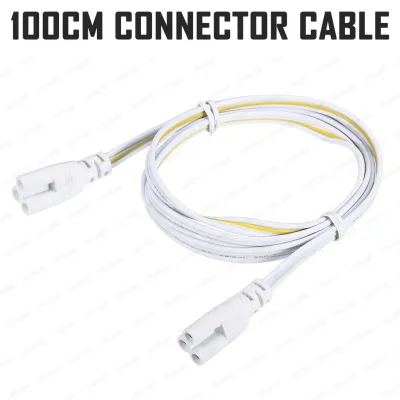
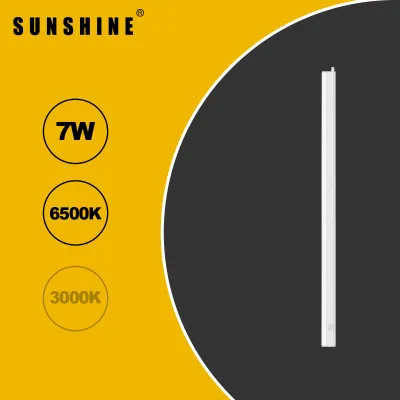
![LED PRO LED LIGHT Led T5 Led Tube/ Led Tube Tri-Tone Daylight/Cool White/Warm White [300mm/600mm/900mm/1200mm]](https://img.lazcdn.com/g/p/88326b36ba15a5b70e2b9bb596605a3d.jpg_400x400q80.jpg_.webp)
![[SG STOCK]High Grade LED T5 Tube Light Drop Curve Ceiling Light Lampu Plaster Siling Mentol T5](https://img.lazcdn.com/g/p/a2ad1752d35f6b5e9207ddb8cccebcd6.jpg_400x400q80.jpg_.webp)
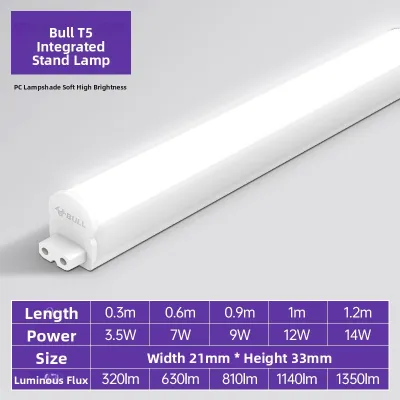
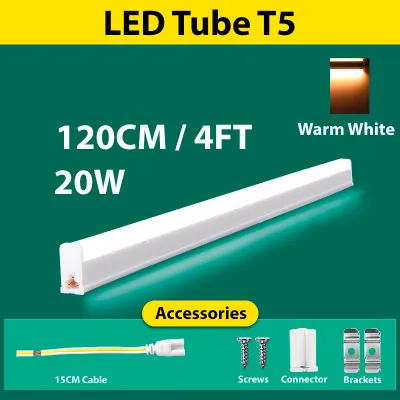
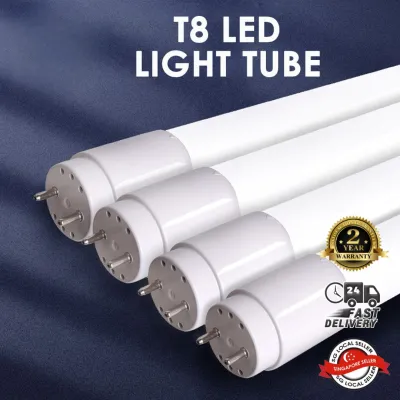
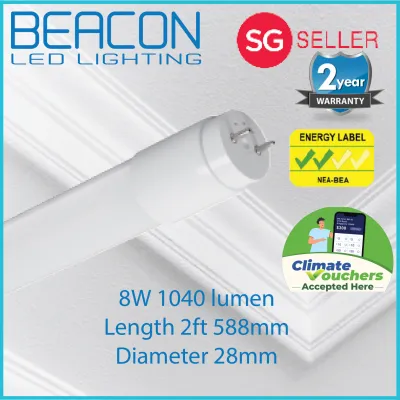
Prices are valid at publication and may change. Please refer to the product page for the latest price.
Build quality and heat dissipation are critical factors that determine how long an LED tube will actually last in a tropical environment. Singapore’s high ambient temperatures and humidity can accelerate the degradation of internal electronic components, particularly the driver. Tubes constructed with aluminum backings or advanced thermal plastics dissipate heat much more effectively than basic all-plastic models, preventing premature dimming or total component failure.
To calculate the practical break-even point of upgrading, you can compare your current fluorescent setup with a proposed LED alternative. A standard four-foot fluorescent tube typically consumes 36 watts of power, but the magnetic ballast associated with it can draw an additional 8 to 10 watts of waste energy. Replacing this setup with a 16-watt LED tube cuts power consumption by more than half, allowing you to recover the purchase price within a matter of months depending on your daily usage patterns.
Essential Specifications to Compare Across Brands
To compare different lighting brands effectively, you must look at luminous efficacy, which is measured in lumens per watt (lm/W). This ratio tells you exactly how much light the tube produces for every watt of electricity it consumes. A tube with an efficacy of 120 lm/W is far more efficient than one rated at 90 lm/W, allowing you to achieve the same brightness level while keeping your energy consumption to a minimum.

Color temperature and the Color Rendering Index (CRI) are essential specifications for visual comfort and spatial aesthetics. Color temperature is measured in Kelvin (K), ranging from warm yellow tones (3000K) to crisp daylight (6500K). CRI indicates how accurately the light reveals the true colors of objects, with a score of 80 or higher being the standard for comfortable residential living and accurate color perception.
Physical compatibility is another critical checkpoint before making a purchase. Most residential fixtures in Singapore use either T8 tubes with G13 bi-pin bases or slimmer T5 tubes with G5 bases. You must measure the length of your existing tubes—typically two feet or four feet—to ensure the replacement fits perfectly into the brackets without requiring physical modifications to the housing.
You also need to determine the ballast compatibility of the LED tube you are considering. Some tubes are designed as “plug-and-play” options that work directly with existing magnetic ballasts, while others require a direct-wire installation. Direct-wire tubes bypass the ballast entirely, which eliminates ballast power draw but requires minor rewiring of the fixture to connect the mains power directly to the tube sockets.
Evaluating Warranty Terms and Brand Reliability
A manufacturer’s warranty is a strong indicator of product reliability and build quality. Reputable lighting brands in Singapore typically offer warranties ranging from one to three years, with some commercial-grade options extending even longer. A longer warranty period demonstrates that the manufacturer has tested the product’s driver and LED chips to withstand prolonged operation under standard household conditions.
However, you must carefully read the warranty terms to understand what is covered and what might void the protection. Common exclusions include installing the tube in an incompatible fixture, operating it under extreme temperatures, or failing to bypass an incompatible electronic ballast. Improper installation is one of the leading causes of denied warranty claims, making it vital to follow the manufacturer’s instructions precisely.
Local customer support is invaluable when you need to claim a replacement or seek technical advice. Brands with established local distributors or service centers in Singapore make the exchange process straightforward and hassle-free. If you purchase unbranded tubes from overseas sellers, claiming a warranty can be nearly impossible due to high return shipping costs and a lack of local customer service representation.
Choosing the Right Tube for Your Specific Space
Different rooms in your home demand different lighting characteristics to function optimally. In kitchens, study rooms, and home offices, prioritizing high brightness and neutral or cool white tones (4000K to 6500K) is highly beneficial. These color temperatures help reduce eye strain during detailed tasks, keep the workspace feeling energetic, and ensure high visibility for food preparation or reading.
For living areas and bedrooms, the focus shifts toward relaxation and visual comfort. Warm white tones (2700K to 3000K) create a cozy, inviting atmosphere that helps your body wind down in the evening. It is also wise to look for flicker-free drivers in these spaces, as imperceptible light flickering can cause headaches, eye strain, and general fatigue over time.
Utility rooms, service yards, and corridors require durable, low-maintenance lighting solutions. For these areas, consider shatterproof polycarbonate tubes that can withstand accidental impacts during household chores or laundry handling. A wide beam angle of 240 degrees or more is also ideal for these spaces to ensure even light distribution without leaving dark, unlit corners.
Purchasing Safely and Verifying Compatibility
Electrical safety should always be your top priority when buying lighting products. In Singapore, look for the Enterprise Singapore Safety Mark on the product packaging or the driver itself. This certification indicates that the product has undergone rigorous testing to meet local safety standards, significantly reducing the risk of short circuits, electrical shocks, or electrical fires.
Before installing any new tube, you must verify your existing fixture’s condition and isolate the power supply. Turn off the main circuit breaker at your distribution board (DB box) rather than relying solely on the wall switch. Inspect the existing lamp holders for signs of heat damage, cracking, or loose contacts, as degraded sockets can cause electrical arcing and damage your new LED tube.
Buying unbranded or uncertified LED tubes from general online marketplaces carries significant risks. These products often bypass local safety regulations, utilizing cheap internal drivers that lack overcurrent and thermal protection. Investing in certified products from reputable local retailers ensures both physical safety and long-term performance, protecting your home and your family.
Frequently Asked Questions (FAQ)
Can I replace a fluorescent tube with an LED tube without changing the fixture?
Yes, but compatibility depends entirely on the type of ballast installed in your existing fixture. If your fixture has an older magnetic ballast (identifiable by the presence of a small starter), you can usually use a compatible plug-and-play LED tube along with an LED dummy starter. If your fixture uses a modern electronic ballast, you will likely need to bypass the ballast and wire the fixture directly to the mains power. Because modifying fixed electrical wiring involves safety risks, you should always isolate the power and consult a licensed electrical worker to perform the rewiring.
Do LED tube lights require a starter?
LED tube lights do not require a traditional high-voltage starter to ignite gas, as they operate on solid-state semiconductor technology. However, if you are retrofitting a magnetic ballast fixture with a compatible LED tube, you must replace the old fluorescent starter with a specialized LED dummy starter. This dummy starter is actually a safety fuse that completes the electrical circuit safely. If your fixture has been rewired to bypass the ballast entirely, no starter of any kind is required.
Community discussion
Share your experience or ask a question. Comments are reviewed before publication.