
Finding the right home fragrance in Singapore involves balancing scent longevity, ingredient safety, and cost-effectiveness. When comparing Lynk room sprays to other popular brands in the local market, the decision often comes down to how well a formulation performs in humid tropical conditions and compact residential layouts. Rather than relying on subjective claims of the “best” scent, a systematic comparison of ingredient concentrations, nozzle designs, and price-per-milliliter metrics will help you identify the most suitable option for your living space.
In a tropical climate characterized by high humidity and compact living spaces, such as HDB flats and condominiums, the performance of a room spray can vary dramatically. Some formulations disperse quickly without leaving a trace, while others might linger too intensely in unventilated areas. To find the right balance of scent quality, safety, and value, you must compare these products across several objective dimensions, focusing on ingredient composition, mist delivery, and cost-effectiveness.
Key Dimensions for Comparing Room Sprays
To establish a fair comparison between Lynk and other prominent home fragrance brands, you should first understand the technical aspects of how room sprays are formulated and delivered. The most critical factor is the fragrance concentration, which refers to the ratio of pure fragrance oils to the carrier base (usually alcohol or water). Brands that use a higher concentration of fragrance oils typically deliver a more robust scent that requires fewer sprays to fill a room, though this often comes with a higher initial price tag.
Products mentioned in this guide

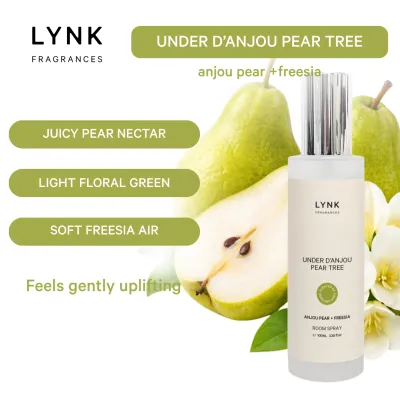
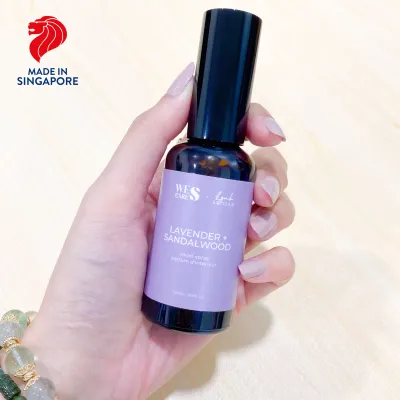
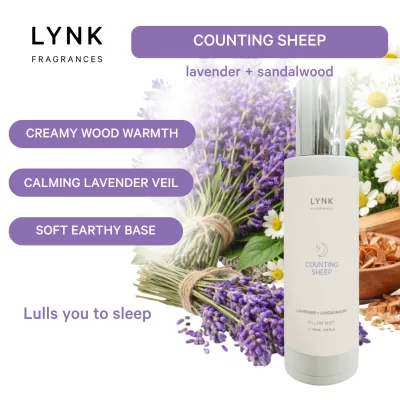
Prices are valid at publication and may change. Please refer to the product page for the latest price.
Another key element is the note structure of the fragrance, which is typically divided into top, middle, and base notes. Top notes, such as citrus or light herbs, provide the immediate scent impression but evaporate rapidly. Middle notes, often floral or spicy, form the core of the fragrance, while base notes, such as cedarwood, amber, or musk, provide the lasting foundation. When comparing brands, examine the product labels or descriptions to see if they offer a complex, multi-layered note structure or a simple, single-note profile, as this directly influences how the scent evolves in your home over time.
The physical design of the spray bottle also plays a significant role in performance. A high-quality nozzle mechanism should produce a fine, dry mist that suspends fragrance particles in the air for as long as possible. Cheaper spray mechanisms often produce heavy, wet droplets that fall quickly to the floor or furniture, leading to wasted product and potential slip hazards or surface damage. When evaluating different brands, pay close attention to user feedback regarding nozzle durability and mist consistency.
Finally, always calculate the price per milliliter to determine the true value of a room spray. A larger bottle that seems expensive upfront may actually be more economical than a smaller, cheaper bottle. For example, a 100ml bottle priced at S$35 costs S$0.35 per milliliter, whereas a 50ml bottle priced at S$22 costs S$0.44 per milliliter. Keeping this metric in mind prevents you from overpaying for smaller volumes packaged in deceptive containers.
Assessing Scent Quality and Space Compatibility
Scent preference is highly personal, but space compatibility is a matter of physics and design. Different scent families are naturally suited to specific room functions and sizes. For instance, bright citrus and fresh herbal scents are excellent for kitchens and study areas because they promote alertness and mask cooking odors without overpowering the space. On the other hand, rich woody, warm amber, or soft floral scents are better suited for living rooms and bedrooms, where the goal is to create a cozy, relaxing environment.

When comparing Lynk to other brands, consider how their scent profiles align with your home’s layout. In compact Singaporean apartments, a heavy, highly concentrated woody scent can easily become overwhelming if sprayed in a small study or bathroom. Conversely, a delicate floral mist might get lost in a spacious, open-concept living and dining area. Checking the manufacturer’s description of the scent throw—how far the fragrance travels—can help you match the right bottle to the right room.
The choice of ingredients also dictates scent quality and how the fragrance behaves in your home. Room sprays generally fall into three categories: those made purely with natural essential oils, those using synthetic fragrance oils, and those utilizing a hybrid blend. Essential oils offer a natural, therapeutic aroma but can be highly volatile, meaning they may evaporate quickly in warm environments. Synthetic fragrances are engineered for stability and longevity, allowing for unique scent combinations that do not exist in nature, though they lack the aromatherapy benefits of natural oils. Hybrid blends attempt to offer the best of both worlds by combining the complexity of natural oils with the staying power of synthetics.
Ambient moisture and temperature in Singapore’s tropical climate also affect fragrance evaporation. High humidity can cause fragrance molecules to bind with water vapor in the air, making them heavier and causing them to settle faster. When comparing brands, look for formulations that are specifically noted for their performance in humid conditions, or plan to adjust your application method by spraying near soft furnishings that can absorb and slowly release the scent.
Evaluating Performance and Ingredient Safety
While a pleasant aroma is desirable, indoor air quality and household safety should always be your top priorities. When comparing room sprays, closely review the ingredient lists for transparency. Reputable brands should clearly state whether their products are free from harmful additives such as phthalates, parabens, and formaldehyde. Phthalates are often used to extend the life of fragrances, but they have been linked to endocrine disruption, making phthalate-free formulations highly desirable for health-conscious households.
If you share your home with infants, elderly family members, or individuals with respiratory conditions like asthma, you must exercise extra caution. Even natural essential oils can trigger allergic reactions or respiratory irritation when aerosolized in enclosed spaces. Look for brands that offer allergen-free or sensitive-skin certified options, and always ensure that the room is well-ventilated during application. Avoid spraying room mists directly onto lighting fixtures, warm light bulbs, or electrical outlets, as moisture can cause short circuits or damage delicate finishes.
Pet owners must be particularly vigilant when selecting home fragrances. Many common essential oils, including tea tree, eucalyptus, peppermint, pine, and various citrus oils, are highly toxic to dogs and cats, who cannot metabolize these compounds efficiently. When comparing Lynk with other brands, check if the manufacturer provides explicit pet-safety guidelines or offers specific pet-safe lines. If a brand does not clearly state its safety parameters regarding pets, it is best to err on the side of caution and avoid using that spray in rooms where your pets spend significant time.
Surface safety is another critical factor to evaluate before committing to a brand. Many room sprays contain alcohol or solvents that can dissolve varnishes, strip paint, or stain delicate fabrics like silk, leather, and suede. Before spraying any product over carpets, curtains, or upholstery, always perform a spot test on a small, hidden area. Spray a tiny amount, wait for it to dry completely, and check for any discoloration, stiffness, or residue.
Value and Purchasing Considerations
To determine which brand offers the best long-term value, you should look beyond the initial purchase price and consider the cost per use. This is determined by the spray volume delivered per pump and the frequency of application required to maintain the desired scent level. A highly concentrated spray that only requires one or two pumps to fragrance a room for several hours will last significantly longer than a weaker spray that requires multiple applications throughout the day, making the concentrated option more cost-effective over time.
Accessibility and purchasing convenience are also important factors in the Singapore market. Some boutique brands are only available through their official websites, which may incur shipping fees or require minimum spend thresholds for free delivery. Other brands have established a presence in local physical retail stores, department stores, or specialty home decor boutiques, allowing you to experience the scents in person before buying. Additionally, check if the brands are available on authorized e-commerce platforms, which often offer seasonal promotions or loyalty points.
Because scent is highly subjective, “blind buying” a room spray online without smelling it first can lead to disappointment. When comparing brands, review their return, exchange, or satisfaction guarantee policies. Some customer-centric brands offer discovery sets containing small sample vials, allowing you to test multiple scents at a lower cost before investing in a full-sized bottle. Other brands may allow exchanges of unopened bottles if you find the scent profile does not suit your preferences upon arrival.
Decision Framework: Which Room Spray Fits Your Home?
To help you decide between Lynk and other popular home fragrance options, consider your specific household priorities and environmental conditions.
Choose Lynk if you appreciate modern, minimalist packaging that complements your home decor, prefer a curated selection of contemporary scent profiles, and find that their price-per-milliliter ratio aligns with your household budget. This option is well-suited for those who want a reliable, everyday room spray that balances aesthetic appeal with consistent scent delivery.
Choose alternative brands if you require highly specialized formulations, such as USDA-certified organic ingredients, completely synthetic-free compositions, or products specifically engineered with active odor-neutralizing technology to combat pet smells or dampness. You may also want to look elsewhere if you prefer traditional, single-note botanical scents or require heavy-duty industrial deodorizers.
Verify first if anyone in your household suffers from severe allergies, asthma, or chemical sensitivities. In these cases, consult the full ingredient list of any room spray and perform a controlled test in a single, well-ventilated room before widespread use. Additionally, if you live in an exceptionally humid or unventilated space, ensure you have adequate air circulation—such as a ceiling fan or open window—to prevent the fragrance mist from settling too quickly or creating damp spots on your floors.
Frequently Asked Questions (FAQ)
How does high humidity affect room spray longevity?
In Singapore’s humid climate, the air is heavily saturated with water vapor. When you spray a room mist, the fragrance droplets can bind with this airborne moisture, making them heavier and causing them to fall to the ground or settle on surfaces much faster than they would in a dry environment. To maximize longevity in humid conditions, avoid spraying directly into the open air of a highly humid room. Instead, mist the spray from a safe distance of at least 30 centimeters onto soft, absorbent home textiles such as curtains, fabric sofas, or rugs, which will trap the fragrance molecules and release them slowly over time.
What precautions should be taken when using room sprays around pets?
When using room sprays in a home with pets, always ensure the space is well-ventilated by opening windows or turning on a fan to prevent the buildup of airborne particles. Avoid spraying in the immediate vicinity of your pet’s bed, food and water bowls, or litter boxes, and never spray directly onto or near the animal. Because pets have a much more sensitive sense of smell and different metabolic pathways than humans, monitor them closely after introducing a new room spray; if you notice signs of respiratory distress, such as coughing, sneezing, watery eyes, or unusual lethargy, discontinue use immediately and consult a veterinarian.
Community discussion
Share your experience or ask a question. Comments are reviewed before publication.