
Direct Answer: Balancing Efficiency and Brightness
To find the most efficient and bright MR16 LED bulbs in Singapore, you must look beyond brand names and focus on verifying specific technical metrics, local safety certifications, and system compatibility. The true measure of an LED bulb’s efficiency is its luminous efficacy, calculated by dividing the total light output (lumens) by the power consumed (watts). A highly efficient bulb delivers more brightness while drawing less electricity, directly lowering your monthly utility bills.
However, the optimal bulb is not a one-size-fits-all choice. Perceived brightness is heavily influenced by beam angle and color temperature, which must be matched to your specific room layout and design goals. Furthermore, because MR16 bulbs operate on different voltages and require specific electronic components, ensuring compatibility with your existing transformers and dimmer switches is critical to achieving stable, flicker-free performance.
Key Specifications to Compare Across Brands
When comparing MR16 LED bulbs from different manufacturers, understanding the technical specifications on the packaging is essential for making an informed decision.
Products mentioned in this guide
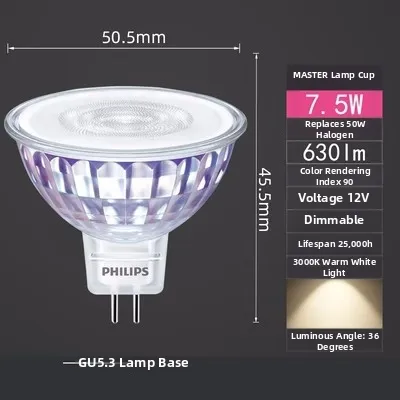
![[HomeBox] 🇸🇬 MUYISO 6W | 8W LED bulb GU5.3 / MR16 220V-240V Spot Light / Track Light Bulb Warm White (6500K 4000K 3000K)](https://img.lazcdn.com/g/p/468442400daa7f02044c6edb029e4239.png_400x400q80.png_.webp)
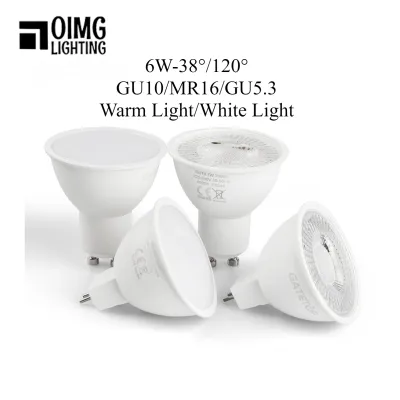
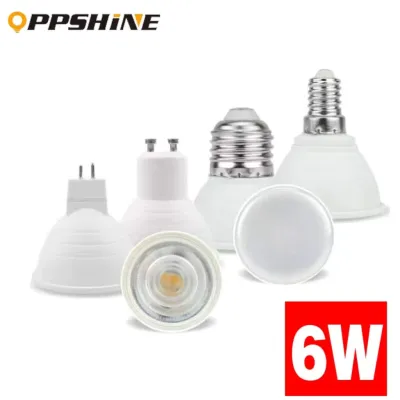
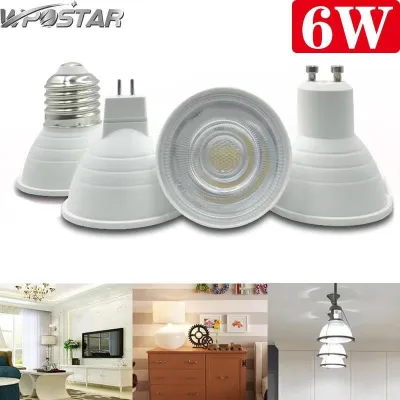
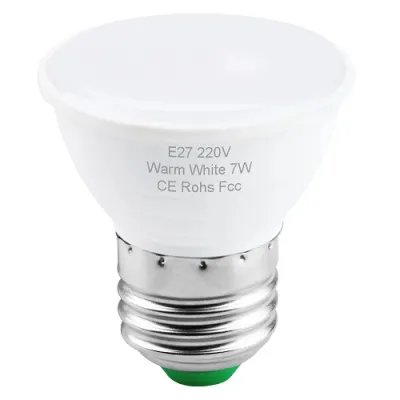
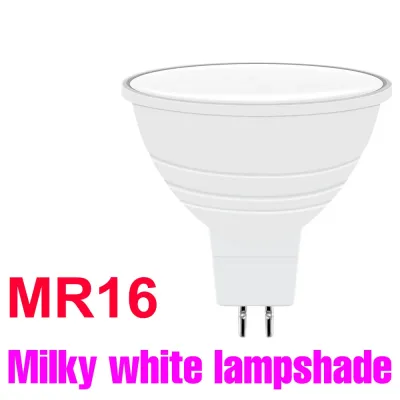
Prices are valid at publication and may change. Please refer to the product page for the latest price.

Lumens vs. Wattage (Luminous Efficacy) Historically, consumers relied on wattage to estimate a bulb’s brightness. With LED technology, wattage only indicates energy consumption, while lumens measure the actual light emitted. To compare energy efficiency across different brands, calculate the luminous efficacy by dividing the lumens by the wattage (lm/W). For example, a bulb that produces 450 lumens using 5 watts has an efficacy of 90 lm/W, making it more energy-efficient than a bulb that produces the same 450 lumens using 7 watts (64 lm/W). Choosing bulbs with higher luminous efficacy ensures you maximize brightness while minimizing energy consumption.
Beam Angle and Light Distribution The beam angle determines how wide or narrow the light spread will be, which directly affects how bright the light appears on a surface. Narrow beam angles, typically between 15 and 24 degrees, concentrate the light into a tight, intense spotlight. This is ideal for accent lighting, highlighting artwork, or creating dramatic focal points. Wide beam angles, ranging from 36 to 60 degrees, distribute the light over a broader area, making them more suitable for general ambient lighting in living rooms or corridors. A narrow beam will always appear brighter at its center than a wide beam of the same lumen rating, so select the angle based on your spatial requirements.
Color Temperature and Color Rendering Index (CRI) Color temperature, measured in Kelvin (K), dictates the visual warmth or coolness of the light. Warm white (2700K to 3000K) creates a cozy, inviting atmosphere suitable for bedrooms and living areas, while cool white (4000K) or daylight (6000K to 6500K) provides a crisp, energizing light ideal for kitchens, study rooms, and workspaces. Perceived color temperature is a matter of personal preference and interior design style rather than a measure of bulb quality. Alongside color temperature, evaluate the Color Rendering Index (CRI), which measures how accurately the light reveals the true colors of objects compared to natural light. A CRI of 80 is standard for general residential use, but a CRI of 90 or higher is recommended for spaces where color accuracy is critical, such as vanity mirrors or art displays.
Evaluating MR16 LED Brands Available in Singapore
Navigating the local lighting market requires a systematic approach to verify product quality, safety compliance, and manufacturer support.
Warranty and Manufacturer Support Reputable lighting brands typically offer comprehensive warranties ranging from one to three years, reflecting confidence in their product’s lifespan. When purchasing MR16 LED bulbs, check the manufacturer’s warranty terms, return policies, and the availability of local customer support. Brands with established local distributors in Singapore provide a reliable point of contact should you encounter premature bulb failure or compatibility issues, saving you the hassle of dealing with overseas sellers on online marketplaces.
Safety Certifications and Energy Labels Electrical safety is a paramount consideration when installing lighting fixtures in Singapore homes. Look for recognized safety marks and certifications on the product packaging. For mains-voltage bulbs and external LED drivers, the Enterprise Singapore Safety Mark is a key indicator that the product has undergone rigorous testing and complies with local safety standards. Additionally, check for international certifications such as CE, RoHS, or local green building product labels, which verify that the bulbs are free from hazardous materials and meet strict energy efficiency guidelines.
Specialized Features and Ecosystems Consider whether you require advanced features such as smooth dimming capabilities or smart-home integration. Not all MR16 LED bulbs are dimmable, and attempting to dim a non-dimmable bulb can lead to persistent flickering, buzzing, or permanent damage to the internal driver. If you plan to integrate your lighting into a smart-home ecosystem, verify whether the brand offers smart MR16 variants that connect via Wi-Fi, Bluetooth, or Zigbee protocols, and ensure they are compatible with your existing smart hubs or voice assistants.
Crucial Compatibility and Installation Checks
Upgrading to MR16 LED bulbs involves navigating specific electrical and physical requirements that differ significantly from traditional halogen setups.
Base Types and Voltage Configurations The term “MR16” refers to the physical shape of the reflector, but these bulbs are available in two distinct base types and voltage configurations. The GU5.3 base features two thin pins spaced 5.3 millimeters apart and operates on low-voltage 12V AC or DC power. The GU10 base features two thicker, twist-lock pins spaced 10 millimeters apart and operates directly on 240V AC mains voltage. Verifying the base type of your existing fixtures is the first step to avoiding incorrect purchases, as these two configurations are physically and electrically incompatible.
Transformer and LED Driver Compatibility If you are replacing low-voltage 12V halogen MR16 bulbs with LED versions, the existing transformer is a common source of compatibility issues. Halogen transformers are designed for high-wattage loads, often requiring a minimum load of 20W to 50W to operate correctly. Because a single MR16 LED bulb typically draws only 4W to 8W, the total load of your new bulbs may fall below the transformer’s minimum threshold. This mismatch can cause the bulbs to flicker, strobe, hum, or fail to light up entirely. To resolve this, you may need to replace the old halogen transformer with a dedicated constant-voltage LED driver designed to handle low-wattage loads.
Dimmer Switches and Thermal Management Dimming LED bulbs requires precise control over the electrical current. Traditional dimmer switches designed for incandescent or halogen bulbs often use leading-edge phase control, which can cause compatibility issues with the electronic drivers inside LED bulbs. For smooth, flicker-free dimming, ensure both the MR16 LED bulb and your dimmer switch are rated for LED compatibility, preferably utilizing trailing-edge dimming technology. Additionally, pay close attention to the installation environment. LEDs are highly sensitive to heat; installing them in tightly enclosed, recessed downlight canisters common in Singapore’s false ceilings can trap heat, accelerating the degradation of the internal driver and drastically shortening the bulb’s lifespan. Ensure there is adequate ventilation space around the fixture.
Safety and Professional Boundaries For any installation involving fixed electrical wiring, replacing transformers, or working at height to access high ceilings, safety must be your top priority. Always isolate the mains power at the distribution board (DB box) before handling any electrical components. Follow the manufacturer’s installation instructions meticulously. If you are unsure about transformer compatibility, wiring configurations, or if your installation requires modifying the fixed electrical infrastructure, always engage a licensed electrical worker (LEW) or a qualified professional to perform the work safely and in compliance with local regulations.
Decision Framework: Which MR16 Bulb Fits Your Setup?
To finalize your purchase, use this structured decision framework to match the right MR16 LED bulb to your specific home environment and lighting goals.
Identify the Primary Lighting Purpose
- For Accent and Feature Lighting: Select a low-wattage, high-efficacy MR16 LED bulb with a narrow beam angle (15 to 24 degrees), a high CRI of 90 or above, and a warm white color temperature (2700K to 3000K) to highlight artwork, architectural features, or decorative niches.
- For General Ambient Lighting: Choose a high-lumen MR16 LED bulb (400 lumens or more) with a wide beam angle (36 to 60 degrees) to ensure even light distribution across living rooms, kitchens, or hallways.
Assess the Existing Electrical Infrastructure
- If Upgrading from 12V Halogen: Check the minimum load requirement of your existing transformer. If the total wattage of your new LED bulbs is below this limit, plan to replace the transformer with a compatible LED driver, or consult a qualified electrician to convert the fixtures to a 240V GU10 system.
- If Installing in Enclosed Fixtures: Verify that the bulb packaging explicitly states it is rated for use in enclosed fixtures. If the brand does not guarantee performance in heat-trapping environments, avoid using them in sealed downlights to prevent premature failure.
Frequently Asked Questions (FAQ)
Can I replace 12V halogen MR16 bulbs directly with LED versions?
While direct physical replacement is possible because the GU5.3 pins match, a direct electrical swap often leads to performance issues due to transformer incompatibility. Older electronic or magnetic transformers designed for halogen bulbs require a minimum wattage load to function stably, which highly efficient LED bulbs fail to meet. If you install LED bulbs on an incompatible halogen transformer, you may experience persistent flickering, buzzing, or a complete lack of light. To ensure reliable operation, check the specifications of your existing transformer or consult a qualified electrician to determine if upgrading to a dedicated LED driver is necessary.
Do higher wattage MR16 LEDs always produce more brightness?
No, higher wattage does not automatically guarantee a brighter light when comparing different LED brands. Wattage measures electrical power consumption, whereas lumens measure the actual light output visible to the human eye. Due to differences in manufacturing quality, thermal management, and LED chip efficiency, a high-quality 5W LED bulb from a reputable manufacturer can produce more lumens than a lower-quality 7W generic bulb. Always compare the lumen rating and calculate the luminous efficacy (lumens per watt) on the product packaging to identify the bulb that offers the best balance of high brightness and low energy consumption.
Community discussion
Share your experience or ask a question. Comments are reviewed before publication.