
Quick Answer: How to Compare Solar Lamp Efficiency and Brightness
Comparing outdoor solar lamp brands requires looking beyond marketing promises like “ultra-bright” or “super-efficient” and evaluating three objective, verifiable technical specifications: lumen output, solar panel conversion efficiency, and battery capacity. There is no single “best” brand; the right choice depends on matching the energy-to-brightness ratio to your specific outdoor environment and lighting requirements.
True efficiency is a balance: a high lumen output is useless if the solar panel cannot charge the battery fully during the day, or if the battery capacity cannot sustain that brightness throughout the night. To find the best value option, you must examine how effectively a brand’s fixture converts sunlight into stored energy and manages that energy during nighttime operation.
Decoding Brightness: Lumens, Beam Angles, and LED Types
In traditional lighting, wattage indicated brightness. For a modern solar lamp outdoor, wattage only measures power consumption, while lumens (lm) measure actual visible light output. Comparing brands solely by wattage is misleading because different LED chips have varying luminous efficacy (lumens per watt). Always look for the rated lumen output on the product specification sheet to gauge true brightness.
Products mentioned in this guide
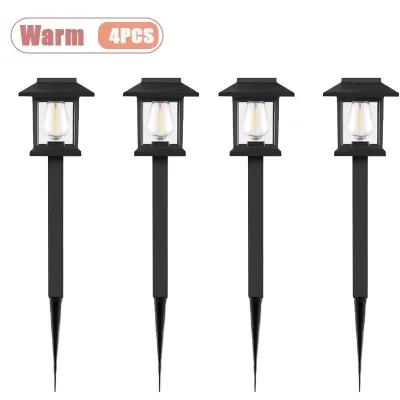
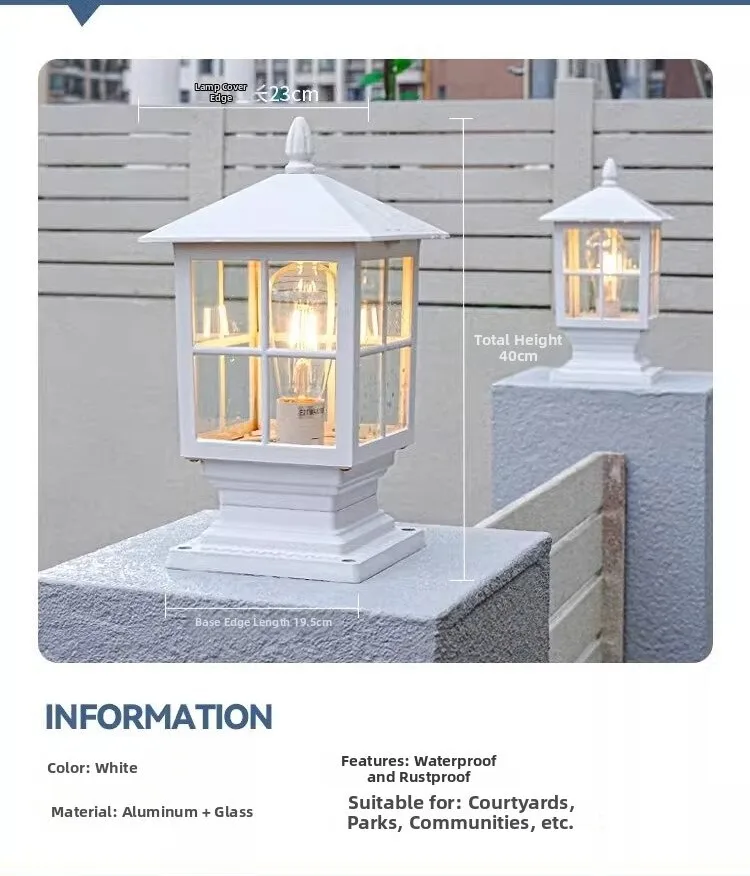
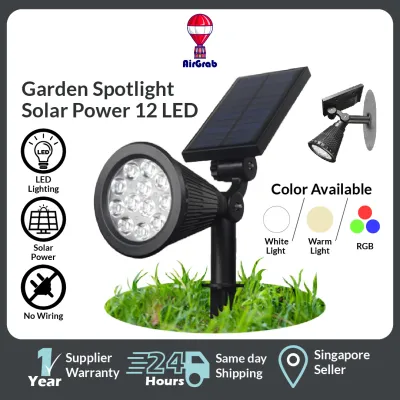
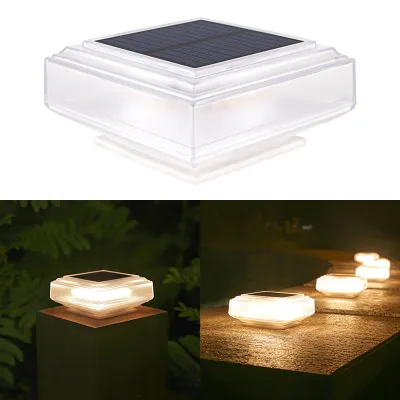
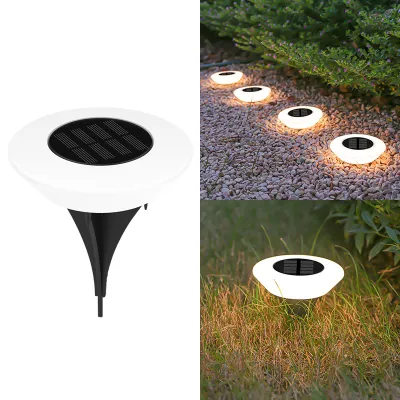
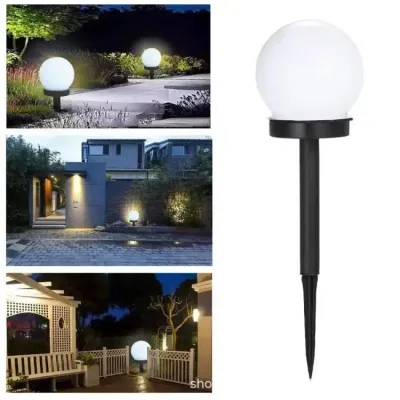
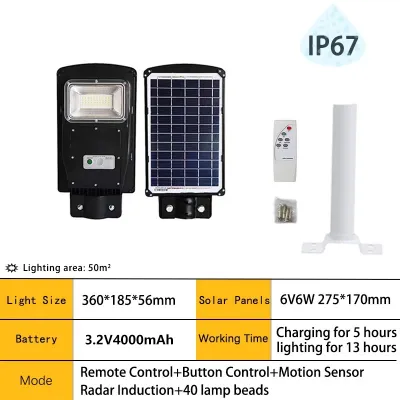
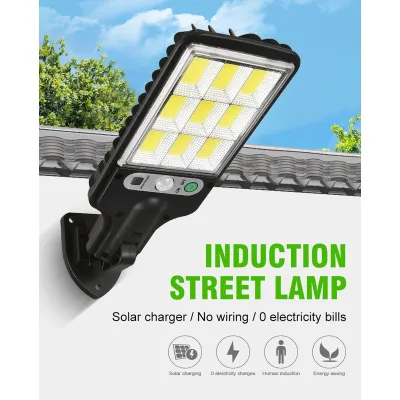
Prices are valid at publication and may change. Please refer to the product page for the latest price.

The spread of light determines how bright an area feels. A wide beam angle (120 degrees or more) is typical for floodlights, dispersing light over a broad area, which reduces perceived intensity but covers more ground. A narrow beam angle (15 to 45 degrees) concentrates light into a focused spotlight, creating high-intensity accent lighting. When comparing brands, verify the beam angle to ensure the light distribution matches your spatial goals.
Color temperature affects both visibility and atmosphere. Warm white light (typically 2700K to 3000K) is preferred for cozy garden paths and decorative patios, though it may offer slightly lower perceived contrast. Cool white light (5000K to 6500K) provides high-contrast, crisp visibility, making it the standard choice for security lighting and driveways. Note that perceived color temperature is a conditional aesthetic preference rather than a measure of a lamp’s technical performance.
To protect yourself from inflated marketing claims, check the manufacturer’s official technical data sheets rather than relying on promotional graphics. Look for verified testing standards, such as those from the Illuminating Engineering Society (IES) or local electrical safety certifications. Verify that the listed lumens represent the continuous output rather than a temporary “peak” or “flash” brightness mode.
When conducting a thorough label verification, check several critical compatibility and safety specifications. Verify the operating voltage, base or interface type (especially if the LEDs or batteries are replaceable), and the maximum wattage limit of the fixture. Pay close attention to physical dimensions to ensure the unit fits your mounting space, and check the supported dimming methods—whether the lamp uses step-dimming, continuous dimming, or motion-activated dimming. Finally, verify that the installation environment matches the product’s design, and look for recognized electrical certifications (such as CE, RoHS, or local safety marks) to ensure the fixture is safe for continuous outdoor use.
Energy Efficiency: Solar Panels, Batteries, and Runtime
The solar panel is the engine of your solar lamp outdoor. Monocrystalline silicon panels offer the highest conversion efficiency (often between 15% and 22%), allowing them to generate more power in a smaller footprint and charge faster under partial sunlight. Polycrystalline panels are more affordable but have lower efficiency (typically 12% to 15%), requiring a larger surface area to produce the same energy. For properties with limited direct sunlight or compact installation spaces, monocrystalline panels are highly recommended.
The battery determines how much energy can be stored for nighttime use. Lithium iron phosphate (LiFePO4) batteries are the premium choice, offering excellent thermal stability, safety, and a long lifespan of up to 2,000 charge cycles. Lithium-ion (Li-ion) batteries provide high energy density in a compact size but are more sensitive to extreme heat. Nickel-metal hydride (NiMH) batteries are common in budget-friendly path lights but have lower energy density and a shorter overall lifespan.
You can calculate a solar lamp’s theoretical runtime by comparing battery capacity with LED power draw. First, find the battery’s capacity in Watt-hours (Wh) by multiplying its Ampere-hours (Ah) by its voltage (V). Next, divide this capacity by the LED’s power consumption in Watts (W). For example, a 3.2V battery with 6Ah capacity provides 19.2Wh of energy; if it powers a 2W LED, the theoretical maximum runtime is 9.6 hours under ideal conditions. When comparing brands, look for those that provide these exact electrical specifications rather than vague hourly promises.
Integrated smart features are critical for managing energy efficiency. Passive Infrared (PIR) motion sensors allow a lamp to remain at a low, energy-saving dim level (e.g., 10% brightness) and only boost to 100% brightness when motion is detected. Dusk-to-dawn sensors automatically turn the light on at sunset and off at sunrise, preventing daytime battery drain. Some advanced brands offer programmable timers or adaptive brightness controls that automatically dim the light as the battery level drops, ensuring the lamp remains lit until dawn.
Climate Durability: Managing Heat, Humidity, and Heavy Rain
Outdoor fixtures must withstand harsh environmental conditions, especially in tropical climates like Singapore’s. The Ingress Protection (IP) rating consists of two digits: the first measures protection against solid objects (0 to 6), and the second measures protection against liquids (0 to 9). For a standard garden solar lamp outdoor, a minimum rating of IP65 is required to protect against dust and low-pressure water jets from heavy rain. For highly exposed areas or ground-level path lights prone to temporary pooling, look for IP67-rated fixtures, which can withstand temporary immersion in water.
High ambient temperatures and direct sunlight can cause significant heat buildup inside a solar lamp’s housing. Excessive heat accelerates the chemical degradation of lithium-based batteries and reduces the luminous efficiency of LED chips. To mitigate this risk, compare the physical construction of different brands. Look for fixtures designed with dedicated aluminum heat sinks, ventilated battery compartments, or thermal management circuitry that automatically regulates power to prevent overheating.
The materials used in a lamp’s body determine how well it resists weathering over time. Low-grade plastics quickly degrade, yellow, and become brittle under constant ultraviolet (UV) exposure. High-quality brands utilize UV-stabilized polycarbonate, powder-coated marine-grade aluminum, or 316 stainless steel. These materials resist fading, cracking, rust, and corrosion, ensuring the structural integrity of the fixture in humid, coastal, or high-rainfall environments.
Decision Framework: Matching Specifications to Your Outdoor Space
To choose the right solar lighting setup, you must match the product specifications to the physical characteristics and lighting goals of your outdoor space. Consider the following scenarios to guide your decision:
- High-Lumen, Wide-Beam Scenarios: If your goal is to illuminate large, open areas such as driveways, expansive patios, or primary walkways, prioritize high-lumen models (typically 800 to 1,500+ lumens) featuring wide-beam floodlight optics. These models require large, high-efficiency monocrystalline solar panels and high-capacity LiFePO4 batteries to sustain their bright output throughout the night. Ensure the mounting structure can support the weight of these larger integrated fixtures.
- Motion-Activated, Low-Lumen Scenarios: For security pathways, garden borders, or areas where you want to minimize light pollution, choose motion-activated models with lower baseline lumens (100 to 300 lumens). These fixtures rely on smart sensors to provide bright light only when needed, allowing them to use smaller batteries and panels while still offering reliable, all-night performance. This setup is highly efficient and prevents unnecessary glare into neighboring properties.
- Sunlight Verification: Before purchasing any solar lighting system, verify that your intended mounting location receives adequate, unshaded, direct sunlight for at least 4 to 6 hours daily. Shaded areas under roof eaves, trees, or tall buildings will severely limit the solar panel's ability to charge the battery. No matter how advanced or efficient a brand's technology is, a solar panel placed in the shade cannot generate enough power to meet its performance specifications.
- Alternative Lighting Options: If your outdoor space is heavily shaded by dense foliage or tall buildings, solar-powered fixtures may not be a viable primary light source. In these scenarios, consider installing low-voltage wired LED systems or hardwired outdoor lighting. These alternatives provide reliable, consistent brightness regardless of weather or shading, and they eliminate the risk of battery degradation over time.
Installation and Maintenance for Optimal Performance
When installing your solar lamp outdoor, position the solar panel where it will receive maximum solar exposure, ideally facing south or clear of overhead obstructions. Avoid placing the fixture near existing artificial light sources, such as streetlights or porch lamps. These external light sources can confuse the integrated dusk-to-dawn photoelectric sensors, preventing the solar lamp from turning on automatically at night.
To maintain charging efficiency, establish a regular cleaning schedule for the solar panels. Dust, bird droppings, pollen, and water spots can accumulate on the glass surface, blocking sunlight and reducing energy conversion by up to 20% or more. Gently wipe the panel with a soft, damp microfiber cloth and clean water; avoid using abrasive scrubbers or harsh chemical cleaners that could scratch the protective coating. Periodically check the housing seals for any signs of moisture ingress or debris accumulation.
Over years of continuous charge and discharge cycles, rechargeable batteries will naturally lose their capacity. When you notice a significant drop in runtime despite sunny weather, it is likely time to replace the battery. Always refer to the manufacturer’s instructions for the correct battery chemistry, voltage, and capacity specifications. Before opening the battery compartment, ensure the power is isolated, and always dispose of old lithium or NiMH cells at an authorized local recycling facility.
Ensure all outdoor fixtures are securely fastened to their mounting surfaces using appropriate, corrosion-resistant hardware. This is particularly important for wall-mounted or post-top solar lamps that must withstand strong winds and heavy storms. Never mount solar fixtures near highly flammable materials, and ensure that any electrical wiring for models with detached solar panels is properly routed, protected from pests, and secured out of reach.
For installations involving fixed electrical wiring (such as hybrid solar-grid systems), work at height, suspended loads, or mounting in highly damp areas, prioritize safety. Always isolate the power supply before beginning any electrical work. Follow the manufacturer’s installation instructions precisely. If the installation requires hardwiring to the mains power grid, working on high ladders, or securing heavy suspended fixtures, hire a qualified professional electrician to ensure compliance with local electrical safety standards.
Frequently Asked Questions (FAQ)
Do higher lumens always mean a better outdoor solar lamp?
No, higher lumens do not automatically make a solar lamp superior. A high-lumen output requires a proportionally larger solar panel and a higher-capacity battery to sustain that brightness. If a brand pairs a high-lumen LED with a small battery or an inefficient solar panel, the light will drain rapidly and fail to stay lit through the night. A well-balanced system with moderate lumens, efficient energy storage, and smart power management is often a much better long-term investment.
How long do solar lamp batteries typically last before needing replacement?
The lifespan of a solar lamp battery depends primarily on its chemistry and environmental conditions. High-quality Lithium iron phosphate (LiFePO4) batteries typically last between 3 to 5 years (roughly 1,500 to 2,000 charge cycles) before showing significant capacity loss. Standard Lithium-ion (Li-ion) batteries generally last 2 to 3 years, while budget Nickel-metal hydride (NiMH) batteries may need replacement within 1 to 2 years. Continuous exposure to high ambient temperatures and deep discharges can accelerate battery degradation, so checking the manufacturer’s warranty and care guidelines is highly recommended.
Can outdoor solar lights charge on cloudy or rainy days?
Yes, outdoor solar lights can still charge on cloudy or rainy days, but their efficiency is significantly reduced. Solar panels rely on light spectrum wavelengths to generate electricity, meaning they can collect diffuse sunlight through cloud cover, though they will only produce a fraction of their normal power output (often 10% to 25% of full capacity). To bridge the gap during extended periods of poor weather, look for brands that feature high-capacity batteries and energy-saving smart modes to maximize runtime when solar charging is limited.
Community discussion
Share your experience or ask a question. Comments are reviewed before publication.