
Choosing the right painting by numbers kit involves balancing canvas texture, paint opacity, and the precision of the printed template. Because independent, standardized testing data across all brands is limited, finding the ideal kit requires looking past marketing buzzwords and evaluating concrete material specifications. Your choice should align with whether you prioritize a heavy, gallery-ready canvas, highly opaque paints that cover numbers in a single coat, or an intricate design that matches the original artwork.
By understanding how to read product listings, verify material grades, and assess user-submitted photos, you can avoid common pitfalls like dried-out paints or blurry guidelines. This guide establishes a practical framework to help you compare kits available in Singapore, ensuring your finished project looks professional and stands up to display over time.
Core Criteria for Comparing Paint-by-Numbers Kits
Before purchasing a kit from an online marketplace or a local craft retailer, you should establish a baseline checklist of specifications. Many listings rely on attractive digital mockups of the finished painting rather than actual photos of the completed canvas. To get an accurate picture of what you are buying, you must learn to identify key material indicators hidden within the product descriptions.
Products mentioned in this guide


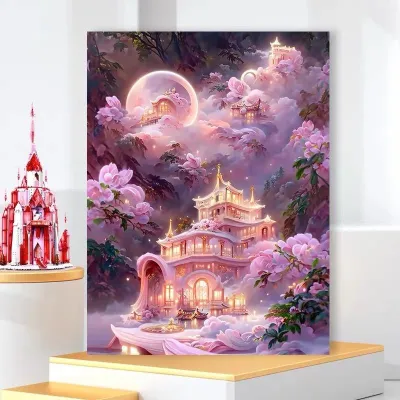


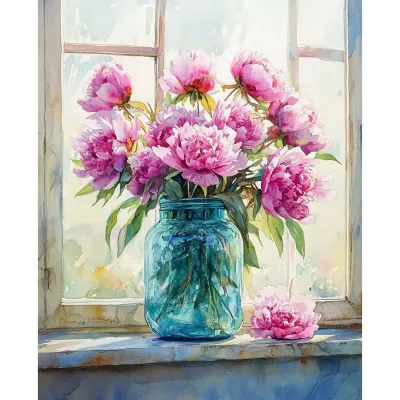
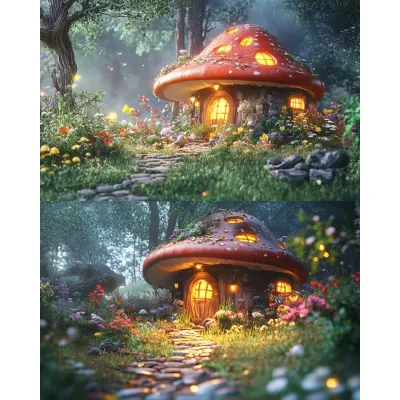
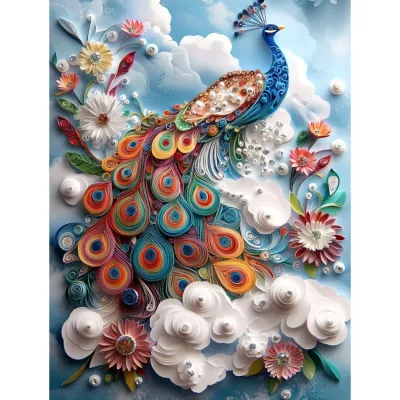
Prices are valid at publication and may change. Please refer to the product page for the latest price.
The primary specifications to check include canvas weight (measured in grams per square meter or GSM), the type of paint formulation provided, and the printing method used for the numbered grid. A high-quality kit typically features a canvas weight of at least 280 to 350 GSM, which provides enough structural integrity to hold multiple layers of acrylic paint without sagging.
You should also look closely at how the canvas is packaged and shipped. Budget-friendly kits are often folded into small packages, resulting in deep creases that require careful ironing before you can begin painting. Premium kits are usually rolled around a rigid cardboard tube or pre-stretched over a wooden frame, preserving the smooth surface of the canvas.
Finally, never rely solely on the main product images. Scroll down to the customer review section to inspect real-world photos of the printed canvas and the finished paintings. These images reveal whether the printed lines are too dark to cover with light paint colors, if the numbers are clearly legible, and if the actual paint colors match the vibrancy of the digital advertisement.
How to Evaluate Canvas Quality and Frame Options
The canvas serves as the foundation of your artwork, and its material composition directly affects how the paint behaves. Most kits use either pure cotton, pure linen, or a polyester-cotton blend. Cotton is highly absorbent and offers a classic texture, while linen is prized for its durability, smooth surface, and resistance to expansion under humid conditions.

If you choose a budget-friendly folded cotton canvas, you must prepare the surface before painting. Ironing the back of the canvas on a low, dry heat setting can remove major creases, but stubborn wrinkles may still persist. In contrast, a rolled linen or thick cotton blend canvas arrives free of creases, allowing you to start painting immediately without risk of surface distortion.
Another critical factor is whether the canvas is pre-primed. Unprimed canvas absorbs paint like a sponge, requiring multiple coats of paint just to achieve basic coverage and causing colors to look dull. Look for kits that specify a pre-primed surface, usually coated with a thin layer of gesso, which seals the fabric fibers and ensures the paint sits vibrantly on top of the canvas.
You must also decide between a loose canvas and a framed option. Loose canvases are easier to store and ship, but they must be taped flat to a hard board while painting to prevent curling. If you plan to hang your finished artwork, you can choose between DIY wooden stretcher bars or a pre-stretched canvas.
DIY stretcher bars require you to manually wrap and staple the canvas, which demands patience and a bit of physical effort to achieve even tension. Pre-stretched canvases are mounted on a sturdy wooden frame at the factory, providing excellent structural stability and a ready-to-hang format, though they carry a higher price tag and require more storage space during the painting process.
How to Assess Paint Vibrancy, Coverage, and Safety
The quality of the paint determines both the ease of application and the final appearance of your wall art. Most painting by numbers kits include water-based acrylic paints, which are favored for their fast drying times, low odor, and easy cleanup with water. However, the concentration of pigment and the quality of the binder can vary dramatically between brands.
Standard acrylic paints in budget kits often have a high water content and low pigment density. This results in a translucent finish, meaning you will need to apply three or four layers of paint to completely hide the printed numbers and lines, especially when using light colors like yellow, white, or pale pink. Premium kits provide high-pigment acrylics that offer superior opacity, allowing you to achieve full coverage in a single, smooth stroke.
Because acrylic paint dries quickly when exposed to air, the design of the paint pots is incredibly important. Look for kits that package paint in tightly sealing, connected plastic pots. The lids should snap shut securely with a distinct click, preventing air from entering and drying out the paint during the weeks or months it takes to complete the project.
You should also verify that the kit includes an adequate volume of paint. Complex designs with large areas of a single color require more paint, and running out mid-project can be highly frustrating. Reputable brands often provide extra pots of the most frequently used background colors to ensure you do not run short.
Safety is another crucial consideration, particularly if you are painting in enclosed indoor spaces or working on a project with children. Check the product specifications for non-toxic certifications, such as ASTM D-4236 or EN71 compliance. These labels verify that the paints have been tested by independent laboratories and do not contain harmful heavy metals or volatile organic compounds (VOCs).
How to Check Design Accuracy and Printing Clarity
A beautifully printed canvas is useless if the underlying numbered guide is blurry, misaligned, or impossible to read. High-definition printing is essential for a frustration-free painting experience. The lines should be thin and crisp, and the numbers must be centered perfectly within their respective color blocks, even in the smallest, most intricate sections of the design.
In complex designs, look for kits that use multi-colored printing for the guidelines. Some brands print the lines and numbers in light gray or light blue rather than stark black. This subtle design choice makes it much easier to cover the guide lines with light-colored paints, preventing the dark outlines from showing through the finished artwork.
Accurate color mapping is another hallmark of a high-quality kit. The brand should provide a clear, printed reference guide on a separate sheet of paper, allowing you to check the numbers if you accidentally paint over a section. The color legend on this reference sheet must correspond exactly to the numbers on the paint pots and the canvas.
Be on the lookout for red flags in product listings that indicate poor design translation. Some low-quality brands use automated software to convert photographs into paint-by-numbers grids without any manual refinement. This often results in chaotic, pixelated patterns with hundreds of tiny, meaningless shapes, or conversely, overly simplified designs that lose all the detail and depth of the original artwork.
To avoid these issues, look for brands that showcase actual photos of the completed painting rather than just the original digital artwork. A well-designed kit will have balanced color transitions and a logical layout that preserves the artistic integrity of the image while remaining manageable for the painter.
How to Match Kit Features to Your Skill Level and Budget
Choosing the right kit requires matching the product’s features to your personal experience level, available time, and budget. If you are a beginner or are purchasing a kit as a casual weekend activity, a budget-friendly option may be the most practical choice. These kits typically feature simpler designs with larger numbered areas, pre-mixed colors, and a folded cotton canvas that keeps costs low.
For experienced painters or those who want a piece of wall art worthy of permanent display, investing in a premium kit is highly recommended. These kits offer high-GSM rolled linen canvases, complex designs with fine details that mimic professional brushwork, and rich, high-pigment paints. While they require a larger time commitment and a higher upfront investment, the finished result is significantly more polished and durable.
If you are ordering kits to Singapore, you must also consider the impact of shipping and local climate conditions. The high humidity and warm temperatures during transit can sometimes cause acrylic paints to thicken or dry out prematurely if they are not sealed perfectly.
When your kit arrives, inspect the paint pots immediately. If you notice any minor thickening, adding a single drop of distilled water and stirring thoroughly can often restore the paint to a smooth, workable consistency. Store your unused kit in a cool, dry place away from direct sunlight to maintain the tension of the canvas and the freshness of the paints until you are ready to begin.
Frequently Asked Questions (FAQ)
Do I need to seal my finished paint-by-numbers canvas?
Applying a clear acrylic sealer to your finished canvas is highly recommended if you plan to display the artwork long-term. A sealer protects the acrylic paint from dust, moisture, and UV fading, which is especially important in humid tropical climates. You can choose between a matte, satin, or gloss finish depending on your aesthetic preference, but always ensure the paint is completely dry for at least 24 to 48 hours before applying the sealant.
How should I store unused paint pots for future touch-ups?
To keep your leftover paint fresh for future touch-ups, ensure the lids of the plastic pots are pressed down firmly until they click shut. Wipe away any excess paint from the rims of the pots before closing them, as dried paint on the edges can prevent an airtight seal. Store the paint pots in a cool, dark drawer or cupboard away from heat sources and direct sunlight to prevent the water content from evaporating.
Can I use my own acrylic paints if the kit runs out?
Yes, you can use your own acrylic paints if you run out of a specific color, as standard acrylics are chemically compatible with the paints provided in most kits. However, matching the exact shade and opacity of the original color can be challenging. To ensure a seamless look, mix your custom shade on a palette, apply a small test patch to a scrap piece of paper, and let it dry completely to check the color match before painting directly onto the canvas.
Community discussion
Share your experience or ask a question. Comments are reviewed before publication.