
Selecting a paint by numbers kit in Singapore requires looking beyond attractive cover images. Because inventory on major ecommerce platforms shifts rapidly and brand names frequently change, finding a high-quality kit depends on your ability to evaluate physical specifications. The tropical climate in Singapore, characterized by high humidity and warm temperatures, directly impacts how acrylic paints behave and how canvases stretch over time. By learning to assess canvas materials, paint formulations, and design complexities, you can select a kit that is both enjoyable to paint and durable enough to display on your walls.
Rather than searching for a single universal brand, the most reliable approach is to compare kits based on their component specifications. A kit that works well for a casual weekend activity may not meet the standards required for a permanent piece of home decor. Understanding the differences in canvas weave, paint pigmentation, and design mapping allows you to make an informed decision that matches your skill level and aesthetic goals.
Key Quality Markers to Check Before Buying
The physical components of a paint by numbers kit dictate the entire painting experience, from how smoothly the brush glides to how easily the paint covers the printed guidelines. Evaluating these components before purchasing prevents common frustrations like patchy colors, sagging canvases, and shedding brushes.
Products mentioned in this guide
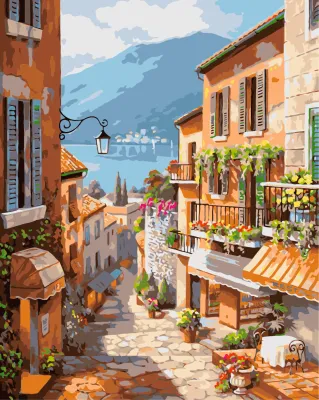
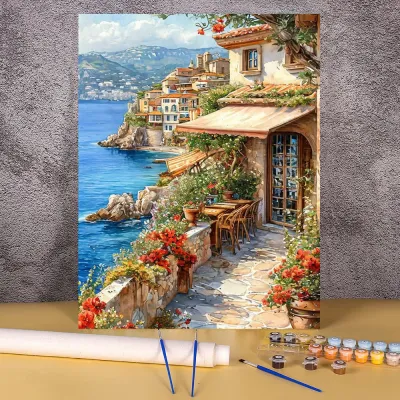
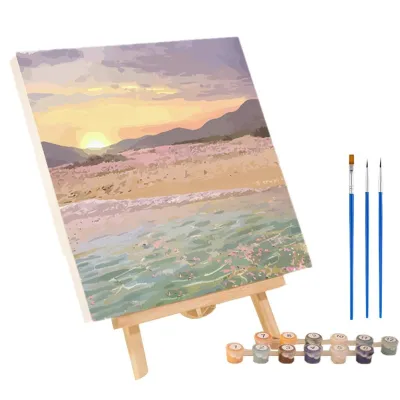
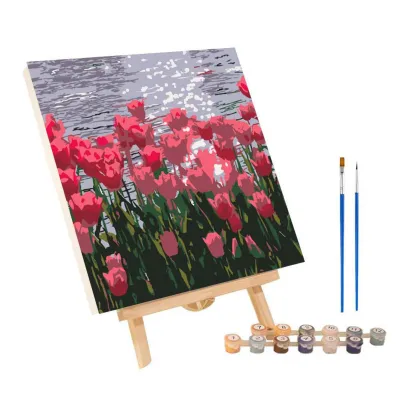


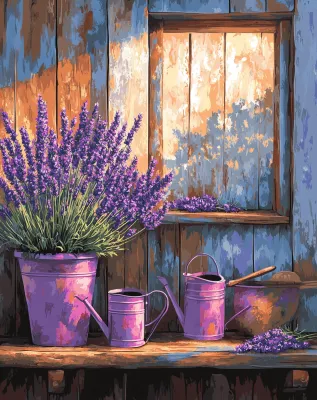
Prices are valid at publication and may change. Please refer to the product page for the latest price.
Canvas material and weight are the foundation of any painting project. Most budget-friendly kits use synthetic polyester or cotton-polyester blends, which offer a smooth surface but can stretch unevenly or sag over time, especially in humid environments. Premium kits typically feature heavy linen canvases. Linen has a distinct, textured weave that holds primer exceptionally well and resists warping under changing humidity levels. When browsing listings, look for terms like “pre-primed” or “double-primed” canvas. A well-primed canvas prevents the acrylic paint from sinking into the fabric fibers, ensuring the colors remain vibrant and do not require excessive layering.
Paint consistency and pigmentation determine how easily you can cover the printed numbers and lines. High-quality kits provide thick, creamy acrylic paints with high pigment density. These paints offer excellent coverage, meaning even light colors like yellow and white can obscure the printed numbers in a single coat. In contrast, low-pigment paints are watery and translucent, requiring multiple tedious coats that can ruin the texture of the finished piece. Always check product descriptions for safety certifications, such as ASTM D-4236 or EN71, which verify that the acrylic paints are non-toxic and safe for indoor use.
Brush quality and number clarity are often overlooked but are critical to achieving clean lines. Standard kits usually include basic blue-handled nylon brushes. While functional, these brushes can shed bristles or lose their shape quickly. Look for kits that specify secure metal ferrules—the metal band holding the bristles—to prevent shedding. Additionally, examine product photos to assess the readability of the printed numbers. The lines and numbers should be printed in a light gray or faded blue ink. Stark, dark black lines are incredibly difficult to cover, even with high-quality paint, and often show through the finished artwork.
Evaluating Design Variety and Artistic Styles
The design you choose should not only match your personal taste but also align with the amount of time and effort you are willing to invest. Modern paint by numbers catalogs have expanded far beyond simple cartoon illustrations to include sophisticated artistic styles.

Categorizing design styles helps you narrow down options that complement your home decor. If your home features a minimalist or Scandinavian design, look for abstract line art, geometric patterns, or neutral-toned botanicals. For more traditional or eclectic spaces, classic landscape reproductions, detailed portraits, or vibrant floral designs work well. Some local online sellers also offer regional scenery, allowing you to paint familiar landmarks or tropical flora that fit naturally into a Singapore-themed living space.
Assessing complexity is crucial to avoiding a project that is either too tedious or too simplistic. Complexity is generally determined by the number of paint pots included (typically ranging from 12 to 36 colors) and the size of the individual paint cells. Beginners should look for designs with larger, clearly defined regions and a lower color count. These kits allow you to practice brush control and complete the project relatively quickly. Advanced painters may prefer highly detailed kits with tiny, intricate cells. While these require a steady hand and significant patience, they result in a much more realistic, mosaic-like finish that looks less like a paint by numbers project and more like a professional painting.
Custom photo options are widely available on ecommerce platforms, allowing you to upload a personal photograph to be converted into a custom paint by numbers canvas. While this makes for a highly personalized gift or keepsake, it comes with quality trade-offs. The software used to generate these patterns can sometimes create an overwhelming number of tiny cells or assign unnatural colors to skin tones and backgrounds. To ensure a successful custom project, choose high-contrast photos with simple backgrounds, and verify if the seller provides a digital proof of the paint map before printing the canvas.
Comparing Brands on Online Marketplaces
Shopping on online marketplaces requires a strategic approach to filter out low-quality products and verify seller claims. Because many sellers use identical promotional images, you must look closely at the finer details of each listing.
Reading user reviews is the most effective way to gauge the actual quality of a kit. Do not rely solely on the overall star rating; instead, filter reviews to show those with customer-uploaded photos. This allows you to see the actual colors of the finished painting, which often differ slightly from the digital mockups provided by the seller. Pay close attention to written feedback regarding the state of the paint pots upon arrival. In warm climates, paint pots stored in warehouses for extended periods can dry out or cure completely before they reach your doorstep. Frequent complaints about dried paint are a major red flag.
Verifying seller specifications against the actual kit contents prevents unexpected surprises. Many listings display images of beautifully framed canvases hanging on walls, but the fine print may reveal that the canvas is shipped rolled in a tube without a frame. Check whether the kit is described as “frameless,” “DIY frame” (which includes wooden strips you must assemble yourself), or “pre-stretched” on a wooden frame. Pre-stretched canvases are highly recommended because they eliminate wrinkles and creases, providing a sturdy, rigid surface that is ready to paint immediately.
Identifying red flags in product listings can save you from a frustrating crafting experience. Avoid listings that use vague material descriptions, such as simply stating “high-quality materials” without specifying whether the canvas is linen or synthetic, or whether the paint is acrylic. A lack of clear safety labels or certifications for the paint is another reason to choose a different seller. Finally, be cautious of listings with extremely low prices that seem too good to be true, as these almost always compromise on paint volume, brush quality, and canvas thickness.
Decision Framework: Choosing the Right Kit
To finalize your purchase, use this conditional framework to match your specific priorities with the right type of kit.
If your primary goal is to create a lasting piece of wall art to frame and display in your home, prioritize material longevity. Choose kits that feature heavy linen canvases, pre-stretched wooden frames, and high-pigment acrylic paints. These materials resist sagging in humid conditions and maintain their color vibrancy over time, ensuring your hard work remains a beautiful focal point on your wall.
If you are looking for a casual, low-stakes weekend activity or a creative outlet to relieve stress, prioritize design variety and ease of use. Budget-friendly kits with synthetic or cotton-blend canvases and trendy, modern designs are excellent for this purpose. They allow you to enjoy the therapeutic process of painting without a significant financial investment, though they may not hold up as well over several years of display.
Avoid purchasing any kit that lacks clear specifications regarding canvas material, paint safety, or frame inclusion. If a seller cannot confirm that their paints are non-toxic or if the listing description is filled with vague marketing jargon, it is best to look for an alternative product that offers transparent specifications.
Before checking out, always verify the framing situation. If you choose a frameless canvas to save on shipping costs, ensure the dimensions match standard frame sizes available in local retail stores. Alternatively, be prepared to purchase a separate wooden stretcher bar kit and stretch the canvas yourself once the painting is complete and fully dry.
Frequently Asked Questions (FAQ)
How do I fix dried-out acrylic paints in my kit?
If the paint in your kit feels slightly thick, gummy, or viscous, you can easily rehydrate it. Add one or two drops of warm water or a dedicated acrylic flow improver to the paint pot and stir thoroughly with a toothpick. Repeat this process drop by drop until the paint reaches a smooth, creamy consistency. However, if the paint has cured into a solid, rubbery block, the chemical binder is permanently broken. In this state, the paint cannot be salvaged with water or solvents, and you must discard it or contact the seller for a replacement pot.
Should I seal my finished paint by numbers artwork?
Sealing your finished painting is highly recommended, especially in humid climates where dust, moisture, and UV exposure can degrade acrylic paint over time. A clear acrylic varnish acts as a protective barrier, preventing dust from settling into the paint texture and making the surface easy to wipe clean. Before applying a varnish, allow the painting to cure completely for at least one week. Choose a water-based acrylic varnish in a matte, satin, or gloss finish, depending on your preference, and apply it in thin, even coats using a wide, soft brush to prevent smearing.
Community discussion
Share your experience or ask a question. Comments are reviewed before publication.