
Quick Answer: Identifying the Most Efficient PLC LED Brands
When searching for the most energy-efficient PLC LED bulb brands in Singapore, premium global manufacturers like Philips and Ledvance (formerly Osram) lead the market in raw luminous efficacy, often delivering over 110 to 120 lumens per watt. However, declaring a single “best” brand is highly conditional. The actual energy savings you achieve depend heavily on your existing fixture’s ballast type, pin configuration, and whether you choose a plug-and-play retrofit or a ballast bypass installation.
To maximize efficiency, you must match the bulb’s electrical requirements with your ceiling downlight’s existing control gear. Selecting a high-efficiency bulb that is incompatible with your current setup can lead to electrical instability, flickering, or premature driver failure. True energy efficiency is a combination of high luminous efficacy, a high Power Factor, and minimizing the hidden parasitic power drawn by legacy ballasts.
How to Measure True Energy Savings in PLC LEDs
To make an informed comparison between PLC LED brands, you must look beyond nominal wattage. Traditional compact fluorescent lamps (CFLs) typically consume 18W to 26W, whereas their LED equivalents operate between 7W and 11W. Comparing two different LED brands requires analyzing specific performance metrics that dictate long-term savings on your SP Group utility bills.
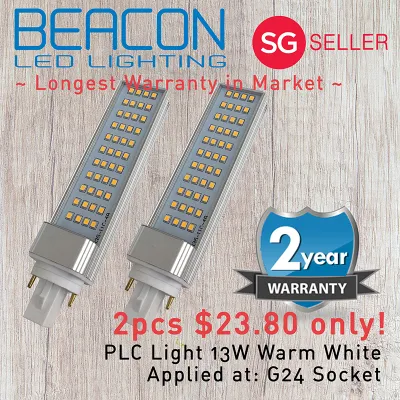
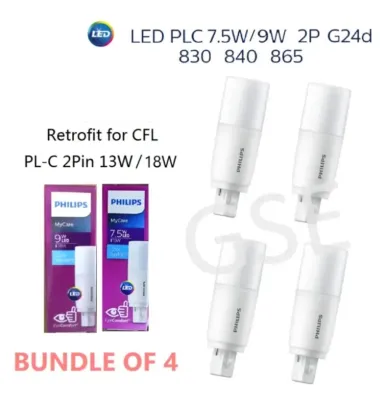
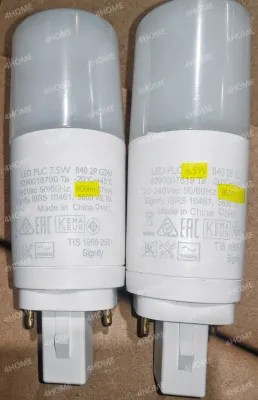
Products mentioned in this guide
![[3 Year Warranty] Philips LED Horizontal PLC PL-C G24D Light Bulb Warm White Cool Daylight](https://img.lazcdn.com/g/p/2fe8906209ba7110d1b35db39943eaf4.png_400x400q80.png_.webp)
Prices are valid at publication and may change. Please refer to the product page for the latest price.

Luminous Efficacy (lm/W) Luminous efficacy measures how effectively a bulb converts electrical power into visible light. It is expressed in lumens per watt (lm/W). For example, a 9W PLC LED bulb that produces 1,000 lumens has an efficacy of approximately 111 lm/W. In contrast, a 10W bulb from another brand producing the same 1,000 lumens operates at 100 lm/W. Over thousands of hours of operation—especially in commercial spaces or common residential corridors with long runtimes—the higher efficacy bulb will yield lower cumulative energy consumption.
Singapore NEA Tick Rating The National Environment Agency (NEA) administers the Mandatory Energy Labelling Scheme (MELS) in Singapore to help consumers identify energy-efficient electrical appliances, including lamps. When purchasing PLC LED bulbs, check the energy label for the tick rating. Bulbs with 4 or 5 ticks represent the highest tier of energy efficiency under local regulatory standards. Choosing NEA-registered bulbs ensures that the manufacturer’s performance claims have been verified against standardized testing protocols.
Power Factor (PF) Power Factor is a measure of how effectively electrical current is converted into useful work output, expressed as a decimal between 0 and 1. A high Power Factor (greater than 0.9) indicates that the bulb draws power efficiently with minimal reactive power waste. While residential users in Singapore are billed based on active power consumption (kWh), commercial properties can face penalties from SP Group if their overall power factor drops below 0.85 lagging. Furthermore, bulbs with a low Power Factor (often below 0.5 in budget brands) put more stress on building wiring and circuit breakers, potentially reducing the overall reliability of your electrical system.
Key Comparison Dimensions for PLC LED Replacements
Upgrading your traditional CFL downlights to LED alternatives involves navigating several technical and practical variables. Understanding these dimensions allows you to choose a PLC LED bulb that not only lowers your energy consumption but also integrates seamlessly into your existing fixtures without compromising safety or light quality.
Ballast Compatibility (Plug-and-Play vs. Ballast Bypass)
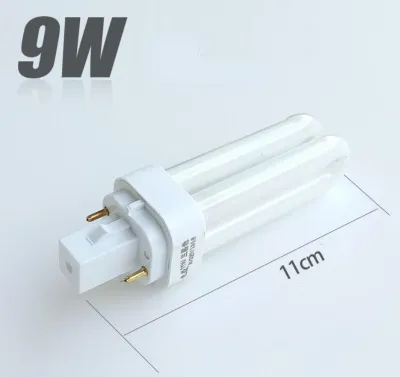
PLC LED bulbs are designed as either plug-and-play (direct retrofit) or ballast bypass (direct-wire) models. Plug-and-play bulbs allow you to insert the LED directly into the existing CFL fixture without altering the wiring. While this minimizes installation labor, the existing magnetic or electronic ballast remains in the circuit, consuming an additional 1 to 3 watts of hidden parasitic power.
Conversely, ballast bypass models require you to disconnect and bypass the existing ballast, wiring the 230V mains power directly to the lamp socket. This direct-wire method eliminates ballast power loss entirely, ensuring maximum energy savings and removing a common point of electrical failure. However, it requires modifying the fixture’s internal wiring, which must be approached with caution.
Thermal Management and Lumen Maintenance
PLC bulbs are typically installed in recessed, enclosed downlight canisters. These tight spaces trap heat, creating a challenging environment for LED components. High operating temperatures accelerate the degradation of the LED chips and the integrated driver, leading to rapid lumen depreciation—where the light output dims significantly long before the bulb’s rated lifespan ends.
When comparing brands, examine the construction of the bulb’s heat sink. Premium brands utilize robust materials such as aluminum cores, ceramic substrates, or advanced thermal plastics to draw heat away from the sensitive electronics. Budget-oriented brands frequently rely on basic plastic housings with minimal thermal conductivity, which can lead to early failure in Singapore’s warm tropical climate, where ceiling voids often trap ambient heat.
Beam Angle and Light Distribution
Legacy CFL bulbs emit light in a 360-degree omnidirectional pattern. Because much of this light is directed upward and sideways, it relies on the downlight’s internal reflector to bounce downward, resulting in a “reflector loss” of up to 30% to 40%.
Modern PLC LED bulbs are highly directional, typically offering beam angles between 120 and 180 degrees. Many models feature rotatable bases, allowing you to align the light output precisely with the opening of the downlight. This directional distribution ensures that almost all generated lumens are directed onto the work plane below, allowing you to achieve the same perceived brightness with a lower-wattage LED than would be required with an omnidirectional source.
Electrical Safety and Certifications
Operating electrical equipment in Singapore requires strict adherence to safety standards. While integrated PLC LED bulbs running on mains voltage or compatible ballasts do not always require a local SAFETY Mark (which primarily applies to external adapters and drivers under the Consumer Protection Scheme), verifying safety credentials remains essential.
Look for reputable international certifications such as CE, RoHS, and TUV SUD on the product packaging. These markings indicate that the bulb has undergone rigorous testing for electromagnetic compatibility, insulation resistance, and thermal safety. Installing uncertified bulbs increases the risk of short circuits, driver meltdowns, or electrical interference with other household appliances.
Evaluating Top PLC LED Brands Available in Singapore
The Singapore lighting market features a diverse array of brands catering to different project scales, budgets, and technical requirements. Evaluating these brands by market segment helps clarify the trade-offs between upfront purchasing costs and long-term operating efficiency.
Premium Global Brands
Premium global brands, such as Philips (Signify) and Ledvance (formerly Osram), represent the high-performance tier of the market. Their PLC LED lines—such as the Philips CorePro LED PLC series—are engineered with advanced driver technology and high-grade LED chips that consistently deliver luminous efficacies exceeding 110 lm/W.
These manufacturers provide extensive, regularly updated compatibility matrices detailing exactly which electronic and magnetic ballasts work with their plug-and-play models. They also design highly efficient thermal management systems that ensure their bulbs maintain their light output (lumen maintenance) over lifespans exceeding 30,000 hours. While these bulbs carry a higher initial price tag, they are the preferred choice for commercial offices, retail spaces, and high-ceiling residential installations where long-term energy savings and minimal maintenance overhead are critical.
Reliable Asian Brands
Reliable Asian brands, such as Megaman, Opple, and Panasonic, offer a compelling middle ground for consumers in Singapore. These brands are widely distributed across local hardware stores and lighting showrooms, providing excellent availability and straightforward local warranty support.
Their PLC LED offerings generally deliver competitive luminous efficacy, typically ranging from 90 to 110 lm/W, and often feature robust heat sinks tailored for tropical climates. They provide reliable performance for typical HDB flats, condominiums, and small retail shops. By balancing solid build quality, reliable local customer service, and moderate pricing, these brands offer an attractive payback period for residential users looking to upgrade multiple downlights.
Budget and House Brands
Budget and generic house brands, frequently found on online marketplaces or in neighborhood discount DIY shops, appeal directly to price-sensitive buyers. These bulbs represent the lowest upfront cost option for replacing a failed CFL.
However, these budget options often involve significant trade-offs. They frequently utilize low-cost internal drivers with a Power Factor below 0.5, which increases electrical system stress and reactive power draw. Additionally, their thermal management is often limited to basic plastic housings, which can lead to rapid lumen decay and premature failure when installed in enclosed downlights. Over a multi-year period, the cost of replacing these bulbs more frequently can easily wipe out any initial savings on the purchase price.
Decision Framework: Matching the Right PLC LED to Your Setup
Selecting the ideal PLC LED bulb for your specific environment requires balancing your budget, installation constraints, and energy-saving goals. Use the following guidelines to match the right brand and configuration to your setup:
- Choose a Premium Global Brand if: You are retrofitting a large commercial office, a retail store, or common corridors where lights remain on for 12 to 24 hours a day. These brands provide the verified high Power Factor, superior thermal design, and extensive ballast compatibility lists necessary to avoid widespread installation failures and maximize long-term return on investment.
- Choose a Reliable Asian Brand if: You are upgrading downlights in an HDB flat, condominium, or small office space. These brands offer a highly cost-effective balance of energy savings, solid thermal management, and accessible local warranty support, ensuring peace of mind without premium brand pricing.
- Choose Ballast Bypass (Direct Wire) if: Your primary goal is absolute maximum energy savings and long-term reliability. Removing the old ballast eliminates its parasitic power draw (1 to 3 watts per fixture) and removes a common point of failure. This is highly recommended for older fixtures where the existing ballasts are already humming, buzzing, or showing signs of age.
- Choose Plug-and-Play if: You require a fast, simple, drop-in replacement that does not involve altering the fixture's wiring. This option is ideal if you are renting a property or want to avoid the immediate cost of professional electrical work, provided you have verified that your existing ballast is fully compatible with the new LED bulb.
- Verify First if: Your existing CFL fixture utilizes an electronic ballast (common in newer buildings and 4-pin setups). Many plug-and-play PLC LED bulbs are designed strictly for magnetic ballasts (which use a starter) and will fail or flicker if connected to an incompatible electronic ballast. Always check both the physical pin layout (2-pin G24d vs. 4-pin G24q) and the ballast compatibility list before making a purchase.
Safe Installation and Compatibility Checks
Upgrading your lighting fixtures involves working with mains electricity, which carries inherent risks. To ensure a safe, compliant, and successful installation in Singapore, always adhere to the following safety protocols and technical checks:
Before inspecting, removing, or replacing any PLC bulb, always isolate the power. Turn off the corresponding circuit breaker at your home or building’s main distribution board (DB box), rather than relying solely on the wall switch. If the fixture is located in a damp environment (such as a bathroom or balcony), at a height requiring a ladder, or near sources of heat, take extra precautions to secure your footing and ensure the area is dry before beginning work.
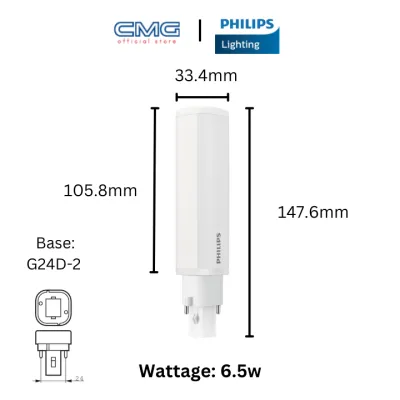
Examine the base of your existing CFL bulb to identify its precise interface. PLC bulbs typically use G24 bases, which are divided into 2-pin (G24d-1, G24d-2, G24d-3) and 4-pin (G24q-1, G24q-2, G24q-3) configurations. The small plastic notches on the base must align perfectly with the socket. Never attempt to force a bulb into a mismatched socket, as this can crack the casing, damage the internal driver, or create a loose electrical connection that poses a fire hazard.
Check the voltage and wattage limits marked on the fixture housing. While LED replacements draw significantly less power than the original CFLs, the physical dimensions of the new LED bulb must fit comfortably within the downlight canister without touching the glass cover or restricting airflow, which could lead to overheating. Note that decorative style, perceived color temperature, and spatial light effects are conditional preferences and do not dictate electrical compatibility.
If your upgrade path involves a ballast bypass (direct-wire installation), this constitutes fixed electrical wiring work. In Singapore, such modifications must be carried out in accordance with local wiring standards (SS 638). To ensure compliance and safety, you should engage a Licensed Electrical Worker (LEW) or a qualified professional electrician to perform the rewiring. If the manufacturer’s installation instructions conflict with local regulations or if you are unsure of the existing wiring configuration, stop immediately and consult a professional.
Frequently Asked Questions (FAQ)
Can I use a 2-pin PLC LED in a 4-pin CFL fixture?
No, you cannot directly swap them. 2-pin (G24d) and 4-pin (G24q) bases have different physical configurations and completely different internal electrical designs. A 2-pin bulb features an integrated starter designed to work with older magnetic ballasts, whereas a 4-pin bulb is designed to operate with high-frequency electronic ballasts or external drivers. Attempting to force a 2-pin bulb into a 4-pin socket, or vice versa, can damage the socket, ruin the bulb’s internal driver, and create a serious electrical hazard. Always purchase the exact pin configuration that matches your existing fixture, or have a professional rewire the socket for a direct-wire LED.
Does removing the ballast really save that much energy?
Yes, removing the ballast yields measurable long-term energy savings and reliability benefits. While a single legacy ballast may only draw 1 to 3 watts of parasitic power, this waste occurs continuously whenever the light is turned on. In a home or office with 20 downlights, this translates to 20 to 60 watts of completely wasted power. Over years of operation, this cumulative draw increases your electricity bill. Bypassing the ballast simplifies the electrical circuit, improves the system’s Power Factor, and extends the lifespan of your new PLC LED bulb.
Why is my new PLC LED flickering even though it fits the socket?
Flickering is almost always a symptom of an electrical compatibility issue between the new PLC LED bulb and the existing fixture’s ballast. This is particularly common in plug-and-play installations where a new LED bulb is connected to an older, deteriorating magnetic ballast or an incompatible high-frequency electronic ballast. The electronic ballast may output a frequency or voltage range that the LED’s internal driver cannot stabilize. To resolve this permanently and ensure optimal energy efficiency, the most reliable solution is to have a qualified electrician bypass the ballast entirely and install a direct-wire (ballast bypass) PLC LED bulb.
Community discussion
Share your experience or ask a question. Comments are reviewed before publication.