
When comparing popular aroma diffuser brands, there is no single universal winner; the best choice depends on your preferred diffusion technology, room size, and maintenance willingness. By evaluating core technical specifications, safety certifications, and material durability, you can identify the brand that offers the optimal balance of features, build quality, and value for your specific environment. In Singapore’s tropical and humid climate, choosing the right type of diffuser is particularly important to avoid adding unnecessary moisture to your living spaces while still achieving an effective scent profile.
Core Dimensions for Comparing Aroma Diffuser Brands
To make an informed comparison between different aroma diffuser brands, you must first understand the two primary diffusion technologies available on the market: ultrasonic and nebulizing (also known as cold-air) systems. Ultrasonic diffusers require water to function. They use high-frequency electronic vibrations to break down a mixture of water and essential oil into a fine, cool mist that is dispersed into the air. This process adds a mild amount of humidity to the room, which can be highly beneficial in air-conditioned spaces where the air tends to dry out your skin and respiratory passages.
In contrast, nebulizing or cold-air diffusers operate without water. They use a pressurized air stream to atomize pure essential oil directly into microscopic particles, releasing a highly concentrated and potent fragrance. Because they do not introduce any moisture into the environment, nebulizing brands are highly favored for Singapore’s naturally humid climate when used in non-air-conditioned rooms. The scent throw from a nebulizer is significantly stronger and covers larger areas more rapidly than an ultrasonic counterpart.
Products mentioned in this guide
![[KIRONA SCENT] Dreams Aroma Diffuser 300ml | Minimalistic Design Ultrasonic Humidifier | 7 LED Mood Lights | Home Decor Fragrance Gifts](https://img.lazcdn.com/g/p/fd9ba42fbf5901fb682c184d71406aa7.jpg_400x400q80.jpg_.webp)
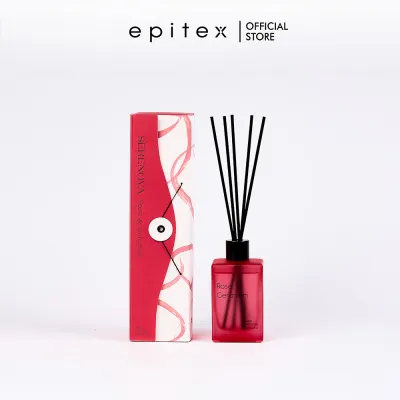
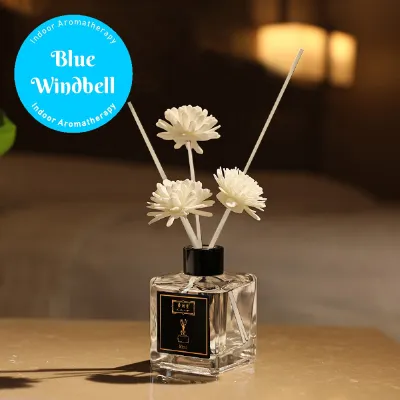
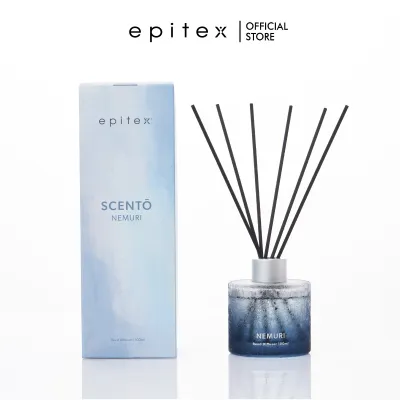
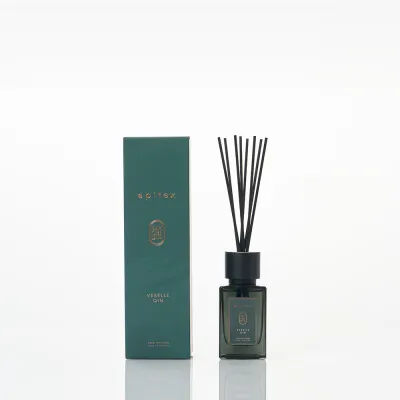
Prices are valid at publication and may change. Please refer to the product page for the latest price.
When evaluating coverage area, do not rely solely on the manufacturer’s maximum square footage claims. You must verify these specifications against your actual room dimensions, ceiling height, and local airflow patterns. A standard HDB living room with high ceilings or an open-plan layout will require a diffuser with a higher output rate or a nebulizing system to maintain a consistent scent. Conversely, a small, enclosed bedroom is often better served by a compact ultrasonic unit that disperses fragrance more gently.
Runtime and reservoir capacity are also critical comparison metrics that dictate daily convenience. Ultrasonic models typically feature water reservoirs ranging from 100ml to over 500ml, with larger capacities offering continuous runtimes of up to ten hours or more. However, a larger tank requires you to balance the convenience of fewer refills against the hygiene risks of leaving standing water in a humid environment. Nebulizing models, which draw oil directly from 10ml or 15ml glass bottles, measure runtime based on customized mist interval settings rather than water volume.
Assessing Build Quality and Electrical Safety
The longevity of an aroma diffuser depends heavily on the materials used in its construction, particularly those in direct contact with concentrated essential oils. Pure essential oils, especially citrus-based varieties like lemon or bergamot, are highly corrosive to standard plastics. High-quality diffuser brands construct their water tanks and oil reservoirs from medical-grade polypropylene (PP) plastic, glass, or ceramic. When comparing brands, always check the product specifications to ensure the internal components are explicitly labeled as oil-resistant PP or glass to prevent chemical degradation and cracking over time.

Electrical safety is another paramount consideration, especially for devices designed to run continuously or unattended. In Singapore, you must verify that the diffuser’s power adapter is compatible with the local 230V, 50Hz electrical grid. Look for recognized local safety certifications, such as the Safety Mark, on the power adapter or packaging to ensure the device has undergone rigorous testing for electrical safety. Avoid using unbranded or uncertified adapters, as they pose risks of overheating or short-circuiting during extended operation.
Additionally, inspect the physical design for robust leak prevention and reliable auto-shutoff mechanisms. For ultrasonic models, a highly sensitive water-level sensor is essential to automatically cut power to the ultrasonic plate when the reservoir runs dry, preventing the heating element from burning out. For nebulizing models, look for secure, threaded bottle attachments or magnetic seals that prevent oil from leaking if the unit is accidentally bumped or tilted on a bedside table.
Feature Trade-offs: Smart Controls vs. Simplicity
Modern aroma diffusers offer a wide array of features, but it is important to weigh the convenience of advanced technology against long-term reliability. Built-in timers and intermittent mist modes are highly practical features that help prevent olfactory fatigue—the phenomenon where your nose becomes accustomed to a scent and stops detecting it. By choosing a brand that offers customizable intervals, such as 30 seconds of diffusion followed by 30 seconds of rest, you can maintain a consistent sensory experience while significantly conserving your essential oils.
Smart home integration, including Wi-Fi connectivity, Bluetooth control, and dedicated mobile applications, allows you to schedule diffusion times and adjust mist intensity from your smartphone. While highly convenient, these smart features also introduce potential points of failure, such as connectivity drops or outdated app software that is no longer supported by the manufacturer. For many users, a simpler model with intuitive physical buttons offers greater long-term reliability and ease of daily use without the hassle of troubleshooting network connections.
Ambient lighting is another common feature, with many brands incorporating adjustable LED lights that cycle through various colors or emit a warm, steady glow. While these lights can enhance the visual appeal of a room or serve as a gentle nightlight, their value is entirely subjective and depends on your personal decorative preferences. If you plan to use the diffuser in a bedroom, ensure the brand allows you to turn the lighting off completely while the mist function remains active, so your sleep environment is not disrupted by unwanted glare.
Decision Framework: Matching Brand Profiles to Your Needs
To choose the right aroma diffuser brand, you must align your specific environmental conditions and lifestyle preferences with the appropriate category of device. If your primary goal is to scent a small to medium-sized air-conditioned bedroom, an ultrasonic-focused brand is often the most suitable choice. These models provide a gentle, localized scent throw, introduce a comfortable touch of moisture to counteract dry air-conditioned air, operate with minimal fan noise, and generally feature lower upfront purchase costs, often starting under S$50 for reliable entry-level units.
If you need to scent a large, open-plan living area or prefer a highly concentrated, pure fragrance experience without adding any moisture to Singapore’s humid air, a nebulizing or cold-air diffuser brand is the superior option. While these premium systems typically carry a higher price tag—often exceeding S$100 or S$150—and produce a slight mechanical hum during operation, their efficiency in dispersing pure oil across expansive spaces is unmatched by water-based models.
For those considering commercial-grade HVAC scenting systems that connect directly to central air conditioning ducts, it is crucial to verify structural compatibility and installation requirements first. These advanced systems require professional installation, precise calibration, and ongoing maintenance contracts to ensure the oil does not condense inside the ductwork. Always consult a qualified professional to assess your home’s ventilation system before investing in a whole-house scenting solution, ensuring that power-isolation and safety protocols are strictly followed.
Frequently Asked Questions (FAQ)
Do all aroma diffuser brands work with any essential oil?
No, compatibility depends on the diffuser’s technology and materials. Nebulizing diffusers require pure, thin essential oils and cannot handle thick carrier oils (like jojoba or coconut oil) or water-soluble blends, which can clog the delicate micro-nozzles. Ultrasonic diffusers are more versatile and work well with water-soluble essential oils and standard blends. However, if the ultrasonic water tank is made of low-grade plastic instead of corrosion-resistant polypropylene (PP), highly acidic or pure citrus oils can chemically degrade and crack the tank over time. Always check the manufacturer’s guidelines regarding oil compatibility.
How do I clean an aroma diffuser to maintain its performance?
Regular cleaning is essential to prevent oil buildup, mold, and mineral deposits from clogging your diffuser. For ultrasonic models, empty any remaining water after every few uses, wipe the tank with a soft cloth, and clean the ultrasonic plate using a cotton swab dipped in a mild white vinegar or rubbing alcohol solution, following the manufacturer’s instructions. For nebulizing models, run a small amount of high-percentage rubbing alcohol through the system for a few minutes to clear any oil residue from the nozzles. Always ensure all components are thoroughly dry before storing the device to prevent bacterial growth.
Community discussion
Share your experience or ask a question. Comments are reviewed before publication.