
Selecting the ideal aroma diffuser brand for your home requires looking past aesthetic designs and marketing buzzwords to evaluate core technical specifications. Because different brands target different room sizes, noise tolerances, and aesthetic preferences, the right choice depends entirely on matching your specific household needs to verified product data.
When comparing brands in Singapore, prioritize models that offer verified electrical safety marks, clear ultrasonic frequency ratings, and local warranty support. Rather than relying on vague marketing terms like “premium quality” or “ultra-strong mist,” buyers should focus on measurable performance metrics such as milliliter-per-hour output, tank material composition, and decibel ratings. This analytical approach ensures you invest in a safe, durable device that effectively humidifies and scents your living space.
Key Features to Compare Across Aroma Diffuser Brands
To make an objective comparison between different diffuser brands, you must understand the technical specifications listed on product packaging and instruction manuals. These metrics directly influence how well the device will perform in your specific living environment.
Products mentioned in this guide
![[KIRONA SCENT] Tower Nebulizer (Black) | Waterless Diffuser | FREE 100ml Pure Essential Oil](https://img.lazcdn.com/g/p/5e82a240f87282eff7e1bc1b611dc5a9.png_400x400q80.png_.webp)
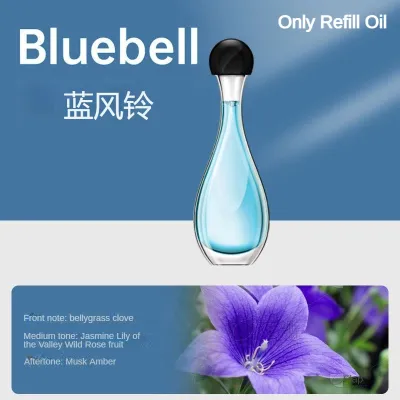
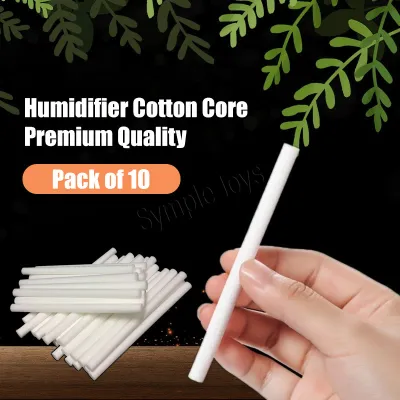
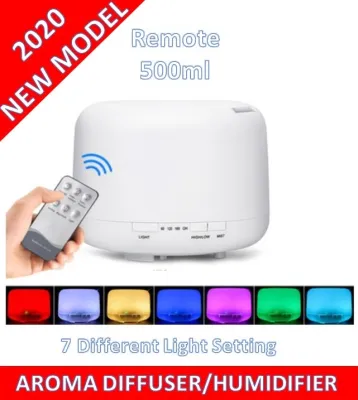
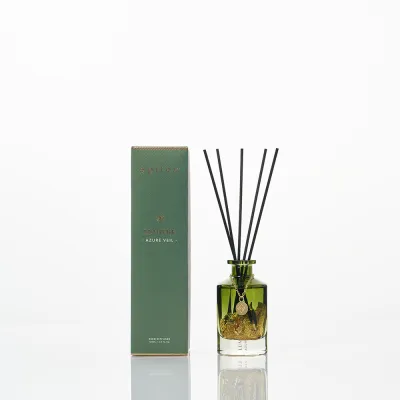
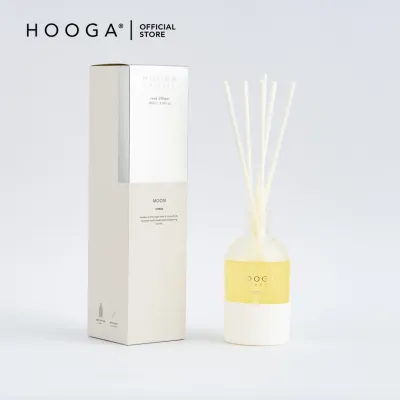
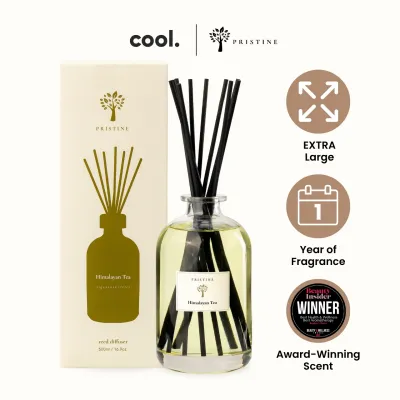
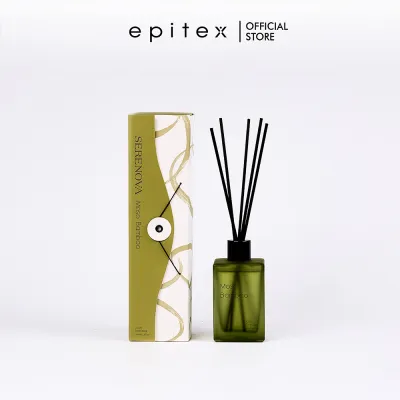
Prices are valid at publication and may change. Please refer to the product page for the latest price.
Mist Output and Coverage Area
Mist output is typically measured in milliliters per hour (ml/h) and indicates how much water and essential oil mixture the device disperses into the air. A higher ml/h rating translates to a stronger scent and greater coverage, making it suitable for larger rooms. When comparing brands, look for those that explicitly state their mist output alongside their recommended coverage area in square meters.
For a standard HDB bedroom measuring approximately 10 to 12 square meters, a modest mist output of 20 to 30 ml/h is generally sufficient. However, for open-concept living and dining areas that span 30 square meters or more, you will need a brand that offers a high-output model capable of dispersing 50 to 80 ml/h. Matching the device’s output to your room size prevents the air from becoming overly damp or remaining under-scented.
Tank Capacity vs. Runtime
Water tank capacity, measured in milliliters (ml), determines how long a diffuser can operate before requiring a refill. However, tank capacity must always be evaluated in tandem with the mist output rate. A large tank does not automatically guarantee a longer runtime if the device disperses water at an exceptionally high rate.
To calculate the expected runtime, divide the total tank capacity by the hourly mist output. For example, a diffuser with a 100ml tank operating at a continuous output of 30 ml/h will run for approximately three hours. Many reputable brands offer intermittent misting modes, which cycle the mist on and off at set intervals (such as 30 seconds active and 30 seconds idle), effectively doubling the runtime without requiring a larger water reservoir.
Noise Level
Because aroma diffusers are frequently used in quiet environments like bedrooms, studies, or home offices, operating noise is a critical comparison point. The noise produced by an ultrasonic diffuser stems from two sources: the internal fan that pushes the mist upward, and the physical dripping of water inside the tank. Brands that prioritize quiet operation will specify their noise levels in decibels (dB).
For bedroom use, look for brands that guarantee a noise level below 30 dB, which is equivalent to a soft whisper. Devices operating between 30 and 40 dB are acceptable for living rooms or active household areas but may prove distracting in a silent room. If a brand does not list a decibel rating, look for design features like specialized splash guards or angled water chambers, which are engineered to minimize dripping sounds.
Build Quality and Materials
The materials used in a diffuser’s construction dictate its durability and resistance to chemical degradation. Essential oils, particularly citrus oils like lemon, orange, and bergamot, contain highly corrosive compounds that can break down cheap plastics over time, leading to cracking, clouding, and leaking.
High-quality diffuser brands construct their internal water reservoirs from medical-grade Polypropylene (PP), a thermoplastic polymer highly resistant to chemical corrosion. The outer shell can be made of Acrylonitrile Butadiene Styrene (ABS) plastic, ceramic, glass, or natural wood for aesthetic appeal. When comparing brands, always verify that the water-contact parts are explicitly labeled as BPA-free and made of high-grade PP plastic.
How to Verify Brand Specifications and Safety Claims
Marketing materials often exaggerate product performance, making it essential to know how to verify a brand’s claims using objective sources and local safety standards.

Reading the Product Manual and Specification Sheet
Before purchasing, download the digital user manual or specification sheet from the manufacturer’s official website. These documents contain precise technical data that is often omitted from promotional graphics. Check the exact power consumption (measured in watts), the ultrasonic vibration frequency (typically between 1.7 and 2.4 MHz), and the presence of an automatic shutoff mechanism.
An automatic shutoff feature is a non-negotiable safety component for any ultrasonic diffuser. This sensor detects when the water level drops below a safe threshold and immediately cuts power to the ultrasonic plate. Verifying this feature in the technical specifications prevents the device from running dry, which can overheat the motor and pose a fire hazard.
Identifying Legitimate Safety Certifications
In Singapore, portable electrical appliances must meet strict safety standards to prevent electrical shocks, short circuits, and fires. When evaluating diffuser brands, check if the power adapter carries the local Safety Mark issued by the Consumer Product Safety Office (CPSO). This mark indicates that the adapter has been independently tested and certified safe for use with Singapore’s 230V/50Hz electrical grid.
If you are purchasing a brand online, be cautious of cross-border sellers whose products may only carry foreign certification marks. While certifications like CE (Europe) or FCC (United States) indicate compliance with international standards, they do not guarantee that the plug configuration or voltage compatibility matches local household outlets without unsafe adapters.
Cross-Referencing Verified Purchaser Reviews
To understand how a diffuser performs over months of daily use, analyze verified customer reviews on reputable online marketplaces and local home decor forums. Pay close attention to recurring complaints regarding mechanical reliability, as these highlight potential engineering flaws in specific brands.
Look for patterns in user feedback, such as reports of the ultrasonic plate failing after a few months, water leaking from the base seals, or the fan motor developing a loud buzzing noise over time. Conversely, consistent praise for easy cleaning, responsive customer service, and accurate runtime claims indicates a reliable brand that stands behind its products.
Which Aroma Diffuser Profile Fits Your Home?
No single aroma diffuser brand is universally perfect for every household. Selecting the right model requires matching the device’s specific profile to your room’s layout, usage habits, and aesthetic preferences.
Large, Open-Concept Living Spaces
If you intend to scent a spacious living room, dining area, or open-plan apartment, prioritize high-capacity brands. Look for models with a water reservoir of 300ml to 500ml and a mist output of at least 50 ml/h. These robust specifications ensure the mist can disperse effectively across a wide area without dissipating immediately.
- Key Requirements: High mist output (50+ ml/h), large tank capacity (300ml–500ml), and a strong internal fan.
- Best Suited For: Living rooms, open-plan offices, and high-ceiling spaces.
Bedrooms, Nurseries, and Quiet Study Areas
For sleeping quarters or workspaces where concentration is key, prioritize low-noise operation and customizable ambient settings. Look for compact brands with a tank capacity of 100ml to 200ml, which provide sufficient runtime for a night’s sleep when paired with an intermittent misting mode.
- Key Requirements: Noise levels below 30 dB, dimmable or completely turn-offable LED lights, and a reliable auto-shutoff sensor.
- Best Suited For: Bedrooms, children's rooms, and home offices.
Frequent Users of Pure and Corrosive Oils
If you plan to diffuse essential oils daily, especially citrus, pine, or thick resinous oils like patchouli and frankincense, invest in a premium brand that prioritizes chemical-resistant materials. Avoid budget brands that use thin, low-grade plastics for their water tanks.
- Key Requirements: 100% BPA-free Polypropylene (PP) water reservoirs, ceramic or glass outer covers, and easily accessible ultrasonic plates for deep cleaning.
- Best Suited For: Dedicated aromatherapy enthusiasts and daily users.
Local Warranty and Support Considerations
Before finalizing your purchase, verify if the brand offers local warranty support in Singapore. Many budget-friendly diffusers sold by overseas sellers lack local representation, meaning a defective unit must be shipped back internationally at your own expense. Choosing a brand with a local distributor ensures you can easily obtain replacement power adapters, spare parts, or a replacement unit if a malfunction occurs within the warranty period.
Electrical Safety, Placement, and Maintenance
To ensure your aroma diffuser operates safely and efficiently throughout its lifespan, you must adhere to proper electrical practices, strategic placement, and routine maintenance protocols.
Voltage Compatibility and Power Adapters
Always use the original power adapter supplied by the manufacturer. Even if a third-party adapter has a matching barrel plug, it may deliver incorrect voltage or amperage, leading to electrical instability, overheating, or permanent damage to the diffuser’s internal circuit board. Ensure the adapter is plugged directly into a wall socket or a certified, fused extension outlet.
Strategic Placement Guidelines
Because ultrasonic diffusers release a cool, moisture-laden mist, proper placement is vital to protect your home’s interior. Avoid placing the device directly on solid wood furniture, veneered surfaces, or near paper products, as localized condensation can warp wood, peel veneers, and encourage mold growth. Instead, place the diffuser on a flat, water-resistant surface such as ceramic tile, glass, or sealed stone.
Maintain a clearance of at least one meter from walls, curtains, and electrical appliances. Ensure the area surrounding the diffuser has adequate airflow so the mist can disperse upward and mix with the room’s air currents rather than settling immediately onto nearby surfaces.
Routine Cleaning and Maintenance Protocols
Mineral deposits from water and oil residues will inevitably accumulate on the ultrasonic transducer plate, reducing mist output and harboring bacteria if left uncleaned. Establish a strict cleaning routine every three to five days of active use:
- Power Off and Unplug: Always disconnect the power adapter from the wall outlet and the device base before cleaning.
- Empty the Reservoir: Pour out any remaining water from the side opposite the air outlet to prevent water from entering the internal electronics.
- Clean the Ultrasonic Plate: Gently wipe the small ceramic disc at the bottom of the tank using a cotton swab dipped in white vinegar or rubbing alcohol to dissolve mineral scale and oil buildup.
- Wipe the Tank: Clean the interior walls with a soft, damp cloth. Avoid using abrasive scrubbers or harsh chemical detergents, which can scratch the plastic and degrade the ultrasonic components.
- Dry Thoroughly: Allow all parts to air dry completely before reconnecting the power and refilling the tank.
If you notice any signs of electrical damage, such as a frayed power cord, a cracked adapter casing, or a burning smell during operation, immediately stop using the device and contact the manufacturer or a qualified professional.
Frequently Asked Questions (FAQ)
Can I use tap water in my ultrasonic aroma diffuser?
Whether you can use tap water depends largely on the manufacturer’s guidelines. Many brands recommend clean tap water because the natural minerals help the water conduct electricity and atomize efficiently on the ultrasonic plate. However, in areas with hard water, tap water can lead to rapid mineral buildup, creating a fine white dust on nearby furniture and clogging the transducer. If your tap water has high mineral content, using filtered or distilled water can prolong the life of your device, though you should always check your user manual first to ensure distilled water will not void the warranty.
Why is my diffuser producing less mist over time?
A reduction in mist output is usually a reversible issue caused by routine wear or improper filling rather than a permanent mechanical failure. The most common cause is a buildup of essential oil residue and mineral scale on the ultrasonic transducer plate, which dampens the vibrations necessary to atomize the water. Cleaning the plate gently with white vinegar will often restore full performance. Additionally, ensure you have not filled the water tank past the designated maximum fill line; overfilling restricts the movement of the water column above the ultrasonic plate, preventing mist from forming.
Community discussion
Share your experience or ask a question. Comments are reviewed before publication.