
Choosing the right aroma nebulizer in Singapore depends on matching the device’s output capacity to your specific room size and daily habits. For compact spaces like HDB bedrooms or study rooms, prioritizing quiet motor operation and precise interval timers will prevent the scent from becoming overpowering. Conversely, open-plan living rooms and high-ceiling condominiums require high-output models with larger reservoirs to ensure consistent scent distribution. Keep in mind that there is an inherent trade-off: higher coverage and stronger scent intensity will always result in faster essential oil consumption. By focusing on premium materials like glass and aluminum over cheap plastics, you can secure a durable setup that withstands the corrosive nature of pure essential oils.
Comparing Coverage Area and Output Volume
When shopping for an aroma nebulizer, the coverage area listed on the packaging is the first specification you should verify. Manufacturers typically rate these devices in square meters or square feet, but these estimates assume standard ceiling heights and minimal draft. In Singapore’s typical residential layouts, factors like open windows, active ceiling fans, and air conditioning units will significantly alter how scent disperses. A strong cross-breeze can sweep the atomized micro-droplets out of the room before they have a chance to settle, while closed, air-conditioned spaces will retain the aroma much longer.
To maintain a comfortable environment, look for nebulizers that offer adjustable output settings. Because nebulizers disperse pure, undiluted essential oil rather than a diluted water mist, they can easily overwhelm a small room and cause olfactory fatigue, commonly known as nose blindness. Having multiple intensity levels allows you to dial back the output once the initial scent is established, preserving both your comfort and your oil supply.
Products mentioned in this guide
![[KIRONA SCENT] Zen Aroma Nebulizer | Free 10ml Pure Essential Oil | Aromatherapy Diffuser | Waterless & Wireless | Compact for Work and Study Desk Bedrooms Bathroom | Hotel & Shopping Mall Fragrances](https://img.lazcdn.com/g/p/dd423b2626f24f6202aa463c697a356b.png_400x400q80.png_.webp)
![[KIRONA SCENT] Bullet Aroma Nebulizer | Titanium Black | Compact & Portable | 9 LED Lights | Free Pure Essential Oil](https://img.lazcdn.com/g/p/561b86de3ab0ce9aee7fb83689720058.jpg_400x400q80.jpg_.webp)
![[KIRONA SCENT] Titan Aroma Nebulizer | Space Black | Wireless & Waterless | For Car Home Office](https://img.lazcdn.com/g/p/8988731608b40fa29d2e586fb18a9c62.jpg_400x400q80.jpg_.webp)
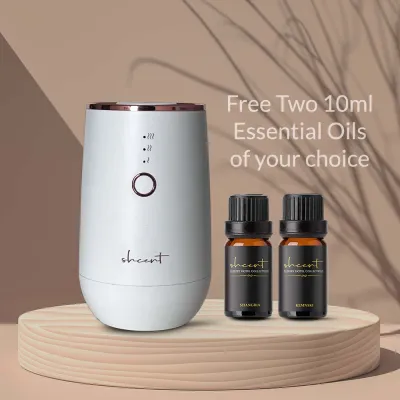
![[NEW Launch] shcent Aether Aroma Nebulizer Diffuser | Waterless | Rechargeable | Quiet | Ambient Night Light | For Home | Bundled with two 10ml Hotel Essential Oil](https://img.lazcdn.com/g/p/117a69963009c4e1a3febf9df023d4ba.png_400x400q80.png_.webp)
Prices are valid at publication and may change. Please refer to the product page for the latest price.
Another critical feature to compare is the diffusion mechanism itself, specifically continuous versus interval-based misting. Continuous diffusion runs the pump constantly, which is ideal for quickly scenting a large open-plan living and dining area. For daily use in standard rooms, however, interval-based misting—where the device diffuses for a set number of seconds and then pauses—is far more practical. This cycle keeps the scent level consistent and subtle without saturating the air.
Evaluating Oil Consumption and Efficiency
Because aroma nebulizers operate without water, they offer an incredibly pure and therapeutic scent experience, but they also consume essential oils at a faster rate than ultrasonic diffusers. To manage your long-term running costs, it is essential to evaluate the oil efficiency of different brand profiles before purchasing. Start by checking the manufacturer’s stated consumption rate in the product manual, which is usually expressed in milliliters per hour (ml/h).

Reservoir capacity is another key factor in daily convenience. Compact, portable nebulizers often feature small 5ml or 10ml reservoirs, which are highly efficient for short sessions but require frequent refills. Larger, plug-in models can accommodate 50ml or even 100ml bottles directly. While a larger reservoir does not inherently mean higher oil consumption, it allows the device to run for weeks without intervention, provided you use efficient timer settings.
To prevent unnecessary oil waste, prioritize models equipped with programmable timers, auto-shutoff features, or smart sensors. A built-in timer that automatically powers down the device after one, two, or four hours ensures you do not leave the nebulizer running in an empty room. Some advanced models even feature light or motion sensors that only activate the pump when someone is present in the space.
Ultimately, you must remember that oil consumption is directly tied to your chosen output settings. No matter how efficient a brand claims its motor is, running a nebulizer at maximum intensity or on a continuous cycle will rapidly deplete your oil. Adjusting the interval settings to match your actual sensory needs is the most effective way to control ongoing costs.
Assessing Build Quality, Materials, and Noise Levels
Pure essential oils, particularly citrus-based varieties like bergamot, lemon, and sweet orange, are highly corrosive to standard plastics. Over time, exposure to these concentrated oils can cause cheap plastic reservoirs to cloud, crack, or leach chemical residues into the air. When comparing brands, look for premium materials such as hand-blown glass, medical-grade aluminum, solid wood, or high-quality ceramics. These materials not only resist chemical degradation but also elevate the aesthetic appeal of your home decor.
Stability is another practical consideration for household safety. Because nebulizers often feature delicate glass components, a lightweight or top-heavy design is highly vulnerable to tipping over. Look for models with a wide, heavy base made of solid wood, marble, or metal. A low center of gravity and non-slip rubber feet are essential features, especially in active households with pets or young children who might accidentally bump into side tables.
Because nebulizers rely on an internal air pump to atomize the oil, they naturally produce more sound than silent ultrasonic diffusers. This acoustic footprint can be a major distraction in quiet environments like bedrooms or home offices. Always check the decibel (dB) rating in the product specifications before buying. For sleeping areas, aim for a model rated under 35 dB, and look for designs that incorporate internal silicone dampeners or rubberized base pads to absorb motor vibrations.
Decision Framework: Choosing the Right Brand Profile for Your Room
To simplify your search, it helps to categorize popular nebulizers into distinct brand profiles based on their design strengths and intended environments. Matching these profiles to your specific spatial layout and lifestyle habits will ensure you get the best performance without overspending.
Choose a high-output, large-reservoir model if you need to scent an expansive, open-concept living area, a multi-story landed home lobby, or a commercial space. These robust units are designed to run for extended periods, often accommodating large 100ml oil bottles directly. They feature powerful pumps capable of dispersing scent across wide areas, though they tend to have a slightly louder acoustic footprint and a more industrial aesthetic.
Choose a compact, interval-timed model if you are looking to scent a bedroom, a study, or a personal workspace. These models prioritize quiet operation, aesthetic integration, and oil conservation. They often feature elegant glass-and-wood designs that double as decorative accents, and they rely on highly customizable interval timers to keep the scent subtle and relaxing.
Verify first if the imported brand you are considering matches local electrical standards and fits your budget, as premium models in Singapore typically range from S$80 to over S$200. In Singapore, household appliances must operate safely on a 230V supply. Ensure the device comes with a compatible Type G 3-pin plug, or opt for a modern USB-C powered model that can run off any standard mobile charger. Additionally, check if the seller offers a local warranty and responsive customer support, as parallel-imported models can be difficult to repair if the pump fails.
| Room Type | Recommended Coverage | Ideal Timer Settings | Target Noise Level | Recommended Materials |
|---|---|---|---|---|
| HDB Bedroom / Study | 10 – 20 m² | 1h / 2h auto-off, high interval | Under 35 dB | Glass, Ceramic, Wood |
| Open-Plan Living Room | 30 – 60 m² | Continuous or low interval | Under 45 dB | Aluminum, Solid Wood |
| Home Office / Desk | Personal zone (< 10 m²) | Short intervals, USB-powered | Under 30 dB | Aluminum, Compact Glass |
Maintenance, Cleaning, and Safety Checks
Regular maintenance is the single most important factor in extending the lifespan of your aroma nebulizer. Because these devices force pure oil through microscopic tubes, any leftover residue can quickly dry, thicken, and clog the nozzle. This buildup strains the motor and eventually causes the pump to fail entirely.
To prevent clogs, establish a routine flushing procedure using high-proof isopropyl alcohol (90% or higher) or a manufacturer-approved cleaning solution. Simply pour a small amount of alcohol into an empty reservoir or a dedicated cleaning bottle, and run the nebulizer for 10 to 15 minutes in a well-ventilated room. The alcohol will dissolve any sticky resinous buildup and clear the micro-nozzles. Perform this flush every two weeks, or whenever you switch to a different essential oil scent.
Always observe basic electrical safety boundaries when handling your nebulizer. Isolate the power supply by unplugging the device before refilling the oil, cleaning the components, or moving the unit. Never immerse the motor base, power cord, or electrical ports in water or any other liquid. Additionally, keep the nebulizer on a flat, level surface away from direct heat sources, open flames, or direct sunlight, as excessive heat can alter the chemical properties of your essential oils.
If you encounter persistent issues, know when to stop DIY troubleshooting. If the device makes unusual grinding noises, fails to produce mist after a thorough alcohol flush, or shows signs of electrical cord wear, do not attempt to open the motor housing yourself. Doing so can void your warranty and pose safety risks. Instead, contact the manufacturer or a qualified technician to inspect the internal pump and electrical connections.
Frequently Asked Questions (FAQ)
Can I use carrier oils or synthetic fragrances in a nebulizer?
No, you should never use carrier oils, water, or thick synthetic fragrances in an aroma nebulizer. Nebulizers rely on pressurized air to atomize liquid through extremely narrow micro-tubes. Carrier oils like jojoba, sweet almond, or coconut oil are far too viscous and will instantly clog these delicate tubes, potentially burning out the motor. Similarly, synthetic fragrances often contain heavy chemical binders that leave sticky residues. To protect your device, use only 100% pure, undiluted essential oils.
Do aroma nebulizers require replacement filters or wicks?
Unlike ultrasonic diffusers or evaporative humidifiers, aroma nebulizers do not use consumable parts like cotton wicks, sponges, or paper filters. The atomization process is entirely mechanical, relying on air pressure rather than a capillary delivery system. This design makes nebulizers highly sustainable and cost-effective over time, as you will not need to purchase recurring replacement parts. Your only ongoing maintenance task is keeping the internal glass or metal nozzle clean.
Community discussion
Share your experience or ask a question. Comments are reviewed before publication.