
Choosing the right ceramic diffuser requires balancing visual appeal with technical performance, as no single brand or model dominates every category. The ideal choice depends on whether you prioritize sculptural, artisan aesthetics, high-volume mist output for larger rooms, or budget-friendly simplicity for a bedside table.
In Singapore’s urban living environments—where compact, air-conditioned bedrooms sit alongside open-plan living areas—matching a diffuser’s tank capacity, mist runtime, and noise levels to your specific space is the most critical step in making a lasting purchase. By understanding how different brand categories handle these specifications, you can select a device that integrates seamlessly into your daily routine and home decor.
To help navigate the market, ceramic diffusers can generally be grouped into three primary segments:
Products mentioned in this guide
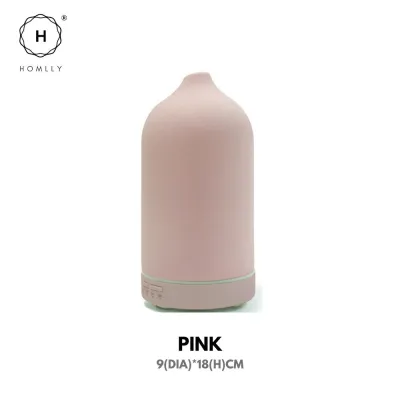
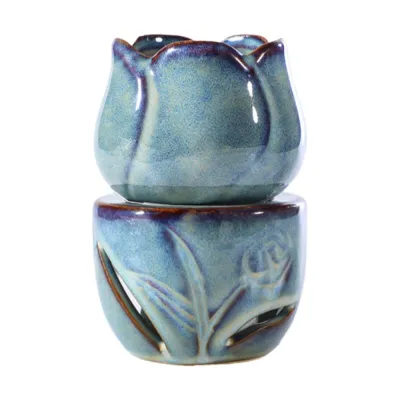

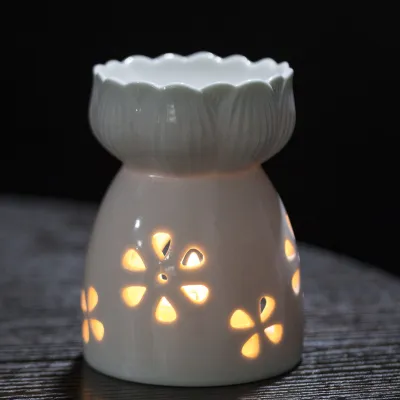
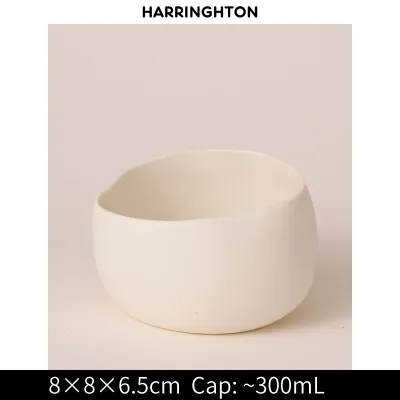
Prices are valid at publication and may change. Please refer to the product page for the latest price.
- Premium Decor Brands: These focus on high-quality, sculptural ceramic housings, textured finishes, and whisper-quiet operation. They are designed to double as elegant home decor pieces but often carry a higher price tag and feature smaller water reservoirs.
- Performance-Focused Brands: These prioritize maximum mist volume, expansive coverage areas, and large water tanks. While their designs are clean, they favor functional utility over artisanal craftsmanship.
- Minimalist Everyday Brands: These offer straightforward, compact, and highly affordable options. They are ideal for smaller rooms or offices where basic, reliable diffusion is preferred over premium materials or advanced programming.
Core Performance: Comparing Mist Output, Tank Capacity, and Runtime
When evaluating different ceramic diffusers, the primary function to analyze is how effectively the device vaporizes water and essential oils. Mist output directly dictates how quickly and widely a scent disperses throughout a room. Brands that focus on high-performance models typically engineer their ultrasonic plates to generate a dense, high-volume mist capable of circulating throughout open-concept living rooms or high-ceilinged spaces. Conversely, premium decor brands often design their units to emit a more delicate, subtle plume of mist. This lower output is intentional, preventing over-saturation in smaller, intimate spaces like home offices or bedrooms. Rather than relying on vague marketing terms like “strong mist” or “deep dispersion,” always check the manufacturer’s technical specifications for the estimated coverage area, typically listed in square meters.
Water tank capacity shares a direct, physical relationship with both the physical footprint of the diffuser and its continuous runtime. A larger water reservoir—typically 300ml to 500ml—allows the device to run continuously for 8 to 12 hours. This is highly convenient for overnight use in air-conditioned bedrooms, where the cool air can dry out nasal passages, or for all-day scenting in a home office. However, a larger tank requires a wider base and a taller silhouette, resulting in a bulkier presence on your tabletop. On the other hand, compact diffusers with 90ml to 100ml tanks offer a highly discreet, elegant footprint that easily fits on narrow shelves or crowded nightstands. The trade-off is runtime; these smaller units generally require refilling every 3 to 5 hours of continuous operation.
To bridge the gap between tank size and runtime, advanced and premium brands frequently incorporate smart intermittent mist settings. An intermittent mode—such as 30 seconds of active diffusion followed by 30 seconds of rest—effectively doubles the runtime of a smaller water tank. More importantly, this cycling helps prevent olfactory fatigue, a natural phenomenon where your senses become desensitized to a constant aroma. By pulsing the scent into the air, the fragrance remains noticeable and pleasant without overwhelming the room. Basic, budget-friendly brands often omit these programming options, providing only a single continuous-on setting that runs until the water reservoir is completely depleted.
Acoustic Performance: Evaluating Noise Levels and Operational Mechanics
Because essential oil diffusers are frequently used during sleep, meditation, or focused work, acoustic performance is a vital differentiator between low-end and high-end brands. All ultrasonic diffusers operate by using a small ceramic disc that vibrates at an incredibly high frequency—usually between 1.7 and 2.4 MHz. This vibration creates rapid pressure waves in the water, turning the liquid and essential oils into a fine, cool mist. While this process is highly efficient, the high-frequency vibration naturally generates a faint mechanical hum.

Premium brands invest heavily in structural engineering to minimize this acoustic resonance. They utilize heavy, dense ceramic outer shells, internal sound-dampening baffles, and soft silicone or rubberized feet on the base of the unit to absorb mechanical vibrations before they transfer to your wooden table or nightstand. In contrast, budget-conscious brands often use thinner, lightweight plastic internal housings with a thin ceramic veneer. Lacking proper dampening, these units can act as resonance chambers, amplifying the internal mechanical buzz into a highly noticeable hum that can disrupt a quiet room.
In addition to the mechanical hum of the motor, the physical movement of water inside the tank creates distinct dripping, trickling, or splashing sounds as the mist condenses and falls back into the reservoir. For some users, this gentle water sound acts as soothing white noise; for others, particularly light sleepers, it can be a source of irritation. Premium manufacturers often design specialized internal lids or directional funnels that guide condensing water smoothly down the inner walls of the tank, virtually eliminating splashing sounds. When shopping, look closely at user reviews for specific mentions of “dripping sounds” or “motor hum” to gauge how well a specific model manages its acoustics.
Finally, control interfaces and light indicators play a significant role in bedroom usability. Many ceramic diffusers feature built-in LED rings or glowing bases designed to serve as ambient nightlights. However, a light that cannot be turned off is a major drawback for dark-room sleepers. High-quality brands typically separate the mist control from the light control, allowing you to run the diffuser in complete darkness or dim the indicator lights. Budget models sometimes link these functions together or feature bright, unshielded power lights that remain illuminated as long as the device is operating.
Design and Build: Matching Ceramic Finishes to Your Interior Aesthetics
The choice of ceramic material is not merely functional; it is a major design statement that influences how the device blends with your home interior. Brands generally utilize either glazed or unglazed (textured) ceramics for their outer covers, and each material presents distinct aesthetic and practical trade-offs:
- Unglazed, Matte, or Textured Ceramics: These finishes offer a highly tactile, organic, and earthy appearance. They fit perfectly within minimalist, Japandi, or Scandinavian interior styles, mimicking the look of raw stone or artisan pottery. However, because unglazed ceramic is naturally porous, it is highly susceptible to staining. If dark essential oils drip down the side of the cover during refilling, the porous surface can absorb the oil, leaving permanent, unsightly discoloration.
- Glazed or Polished Ceramics: These covers feature a smooth, protective glass-like coating. They offer a sleek, modern aesthetic that reflects light beautifully, making them excellent additions to contemporary or classic spaces. Practically, glazed ceramic is completely non-porous. Any accidental oil drips or water splashes can be effortlessly wiped away with a damp cloth, preventing stains and keeping the diffuser looking pristine over years of use.
Beyond the surface texture, the physical form factor and silhouette of the diffuser dictate its visual prominence. Tall, sculptural, or tear-drop shapes serve as striking visual anchors on console tables, entryways, or living room sideboards. Low-profile, dome-shaped, or cylindrical designs are much more understated, blending quietly into the background of a bookshelf or office desk.
Weight and physical stability are also key indicators of build quality. Genuine, thick-walled ceramic covers add substantial weight to the diffuser. This weight is highly beneficial; it lowers the device’s center of gravity, making it highly resistant to being accidentally knocked over by pets, children, or a misplaced hand. Lower-end models often use incredibly thin ceramic shells or plastic covers painted to look like ceramic. These lightweight units are easily tipped, risking water spills that can damage nearby electronics or delicate furniture surfaces.
Safety, Electrical Compliance, and Maintenance in Singapore
Operating an electrical appliance that combines water and high-frequency vibration requires careful attention to safety standards, especially when localized to Singapore’s specific electrical environment. Singapore operates on a 230V/50Hz electrical grid. When purchasing a ceramic diffuser, always verify that the power adapter supplied with the unit is rated for this voltage and frequency. Crucially, look for models that come with a certified 3-pin Type G plug or a local power adapter that has been registered and certified under the Consumer Protection (Safety Requirements) Registration Scheme, displaying a recognized safety mark. Using uncertified, direct-import models with cheap, flimsy travel adapters poses a genuine risk of short-circuits, electrical fires, or damage to the device’s internal circuitry.
To ensure safe operation and prevent electrical hazards, always isolate the power supply by completely unplugging the adapter from the wall outlet before removing the ceramic cover, refilling the water tank, or performing any cleaning. Never attempt to fill the reservoir directly from a running tap while the unit is plugged in.
Furthermore, while ultrasonic diffusers produce a cool mist rather than hot steam, they still introduce moisture into the immediate surrounding air. In Singapore’s naturally humid tropical climate, this localized moisture can easily condense on nearby surfaces. If a diffuser is placed directly on a solid wood table, a teak console, or laminate flooring, the persistent moisture—combined with trace amounts of essential oils—can warp the wood, peel laminates, or strip away varnishes and finishes. To protect your furniture, always place the ceramic diffuser on a water-resistant coaster, silicone mat, or glass tray that can catch any stray condensation or accidental drips during refilling.
Proper maintenance is essential to keep your diffuser operating safely and hygienically. Because the water tank remains damp, it can quickly become a breeding ground for mold, bacteria, and mineral scale if left uncleaned. The cleaning method depends heavily on the finish of your ceramic cover:
- Porous, Unglazed Ceramic Covers: Clean the exterior gently using only a soft, damp microfiber cloth and a tiny amount of mild, unscented dish soap. Never submerge the outer cover in water, and avoid harsh chemical cleaners, bleach, or abrasive scrubbing sponges, which can permanently scratch, erode, or discolor the natural texture.
- Glazed Ceramic Covers: These can be wiped down more firmly with a damp cloth and mild soap. The smooth surface resists scratching, but abrasive scouring pads should still be avoided to protect the glossy sheen.
- The Internal Water Tank: Regardless of the exterior finish, the plastic internal reservoir and the delicate ultrasonic plate must be cleaned regularly. Unplug the unit, empty any remaining water from the side opposite the air outlet, and gently wipe the interior with a soft cloth. To remove stubborn oil residues or mineral scale, dip a cotton swab in white vinegar or rubbing alcohol and gently wipe the small ultrasonic disc at the bottom of the tank. Rinse thoroughly with clean water and dry with a soft towel before restarting the device.
Decision Framework: Choosing the Right Ceramic Diffuser for Your Space
To finalize your decision, match your specific living space, lifestyle habits, and aesthetic preferences against the following practical guidelines:
- Choose Premium Decor Brands if: Visual aesthetics, tactile natural materials, and near-silent operation are your absolute priorities. These brands are perfect for creating a serene, spa-like atmosphere in bedrooms, meditation spaces, or formal living areas where the diffuser serves as a key decorative element, and you do not mind paying a premium or refilling a smaller tank more frequently.
- Choose Performance-Focused Brands if: You need to effectively scent a large, open-plan living room, dining area, or high-traffic space. These models are ideal if you require long, continuous runtimes (such as all-day or all-night operation) and prioritize high mist volume and robust programming over artisanal ceramic finishes.
- Choose Minimalist Everyday Brands if: You want a simple, highly functional, and cost-effective entry point for a small bedroom, guest room, or home office. These are perfect for users who want standard, reliable diffusion without paying extra for designer styling or premium ceramic materials.
- Verify First if: The product listing explicitly states the water tank capacity in milliliters (ml), the estimated runtime in hours, and the coverage area in square meters. Most importantly, ensure the device includes a certified local power adapter with a proper 3-pin Type G plug to guarantee safe, reliable operation in your home.
Frequently Asked Questions (FAQ)
Do ceramic diffusers use heat to disperse essential oils?
No, modern ceramic diffusers use ultrasonic technology rather than heat to disperse essential oils. Inside the water tank, a small electronic disc vibrates at an extremely high ultrasonic frequency. These rapid vibrations break down the mixture of water and essential oils into an ultra-fine, cool mist that is gently released into the air. Because this process does not use heat, it preserves the chemical integrity and therapeutic properties of the essential oils, making it a much safer and more effective method than traditional candle-lit oil burners.
Can I use tap water in a ceramic ultrasonic diffuser?
While many manufacturers state that clean tap water is acceptable, using distilled, purified, or filtered water is highly recommended. Tap water contains dissolved minerals, such as calcium and magnesium, which vary by region. Over time, these minerals accumulate inside the diffuser, forming a hard white scale on the water tank walls and directly on the delicate ultrasonic vibrating plate. This mineral buildup restricts the plate’s vibrations, leading to a noticeable drop in mist output and potentially shortening the overall lifespan of the device.
Why is my ceramic diffuser producing less mist over time?
A gradual decrease in mist output is almost always caused by a buildup of mineral scale or a clog of thick essential oil residue on the ultrasonic vibrating plate. To resolve this, first isolate the power by completely unplugging the diffuser from the wall outlet and emptying any remaining water. Dip a cotton swab in white vinegar or isopropyl rubbing alcohol and very gently wipe the small ceramic disc at the bottom of the water tank to dissolve the buildup. Avoid using metal tools or sharp objects, as scratching the disc can permanently damage the ultrasonic mechanism. Rinse the tank with clean water, dry it with a soft cloth, and test the mist output again.
Community discussion
Share your experience or ask a question. Comments are reviewed before publication.