
Choosing a wall light indoor fixture is not about finding a single “best” brand, but matching your design requirements, installation environment, and budget to the right market tier. The market is broadly divided into three tiers: premium designer brands, mid-range commercial fixtures, and budget-friendly online marketplace options. Each offers distinct trade-offs in light quality, material longevity, and ease of maintenance.
For a high-traffic living room or a formal dining area, investing in a premium fixture with superior color rendering and solid metal construction ensures long-term aesthetic appeal. Conversely, a mid-range fixture provides the ideal balance of reliability and cost for corridors and bedrooms, while budget options serve well for temporary setups or low-visibility utility spaces. Evaluating these tiers systematically allows you to make an informed decision that balances upfront costs with long-term performance and safety.
Core Criteria for Evaluating Indoor Wall Light Quality
Before comparing specific brand tiers, it is essential to understand the objective standards that define lighting quality and overall fixture value. Evaluating these technical specifications prevents common pitfalls such as poor color representation, premature fixture failure, or excessive glare.
Products mentioned in this guide
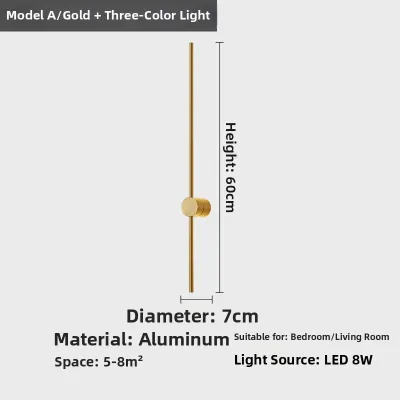
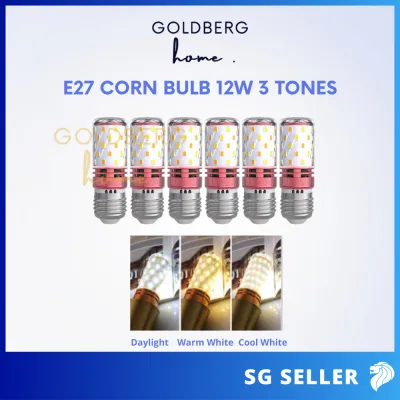
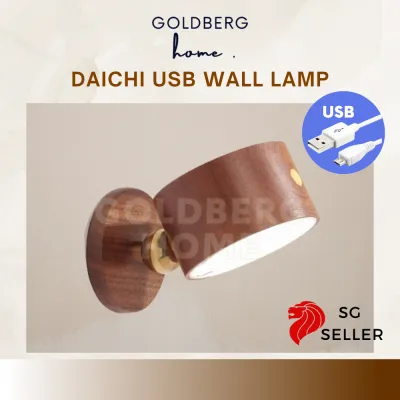
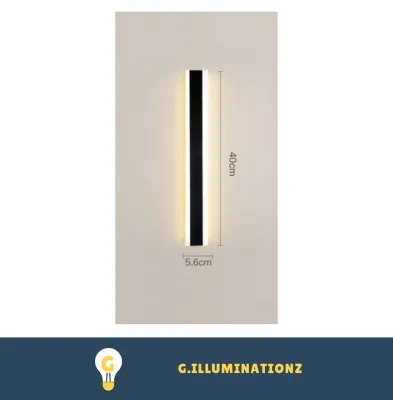
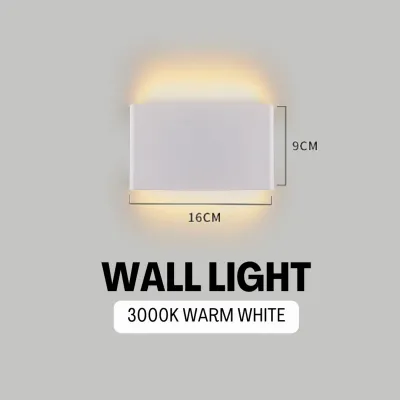
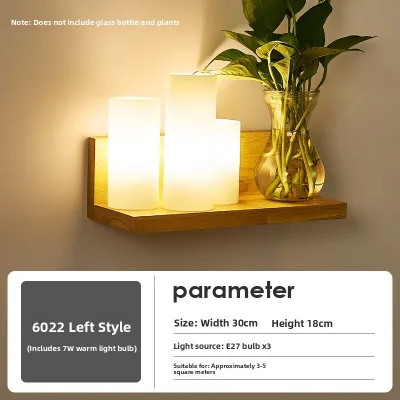
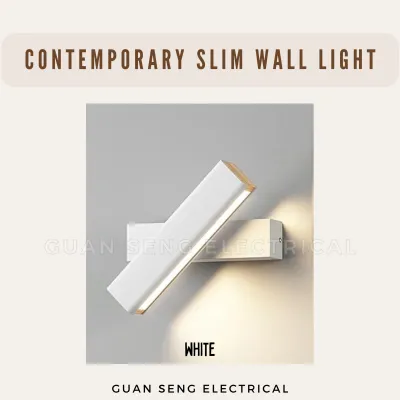
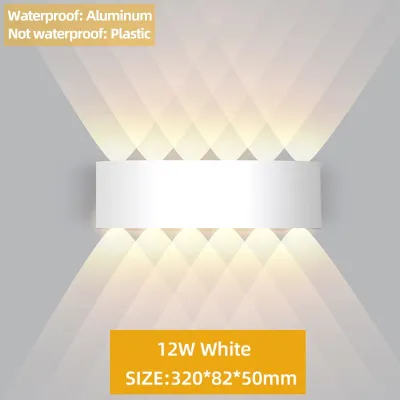
Prices are valid at publication and may change. Please refer to the product page for the latest price.
Light Quality and Optical Performance
- Color Rendering Index (CRI): The CRI measures how accurately a light source reveals the true colors of objects, walls, and furniture compared to natural daylight. For indoor residential spaces, a CRI of 80 is the bare minimum, but a CRI of 90 or higher is strongly recommended. High-CRI lighting prevents spaces from looking flat or washed out, which is particularly important when illuminating artwork, textured wallpapers, or dining areas.
- Correlated Color Temperature (CCT): Measured in Kelvins (K), color temperature dictates the visual warmth of the light. Warm white (2700K to 3000K) creates a cozy, inviting atmosphere suitable for bedrooms, living rooms, and corridors. Cool white (4000K) offers a crisper, more modern look that is highly functional for task-oriented areas, home offices, or transitional spaces. Selecting a fixture with a consistent CCT prevents jarring visual mismatches across adjacent rooms.
- Beam Angle and Light Distribution: Wall lights serve different optical purposes. Accent lights and spotlights feature narrow beam angles (15 to 30 degrees) to highlight specific architectural features or art. Wall washers and ambient sconces utilize wider beam angles (over 80 degrees) or diffused lenses to distribute light evenly across the wall surface, minimizing harsh shadows and reducing eye strain.
Build Quality and Material Science
- Solid Brass and Copper: These premium materials offer exceptional durability and a heavy, high-quality structural feel. Over time, unlacquered brass and copper develop a natural patina that adds character, though they can also be polished to maintain their original luster. They are highly resistant to structural degradation in humid environments.
- Anodized or Powder-Coated Aluminum: Aluminum is the industry standard for mid-range and high-quality commercial fixtures. It is lightweight, highly resistant to corrosion, and possesses excellent thermal conductivity. Effective heat dissipation is critical for LED fixtures, as excessive heat is the primary cause of premature LED diode and driver failure.
- Glass vs. Acrylic Diffusers: High-quality glass diffusers (such as frosted, opal, or hand-blown glass) distribute light softly without yellowing or degrading over time. Acrylic (PMMA) diffusers are lightweight and shatter-resistant, making them excellent for modern, slim-profile fixtures, provided they are UV-stabilized to prevent discoloration from ambient sunlight.
Value Metrics and Maintenance Lifespan
- Replaceable Bulbs vs. Integrated LED Modules: This is one of the most critical decisions affecting long-term value. Fixtures with standard sockets (such as E14, E27, or GU10) allow you to replace the bulb easily if it fails or if you wish to change the color temperature. Integrated LED modules allow for incredibly slim, innovative fixture designs because they do not require a bulky socket. However, if an integrated LED or its internal driver fails, you must typically replace the entire wall fixture unless the manufacturer sells proprietary replacement modules.
- Warranty and Driver Reliability: The lifespan of an LED fixture is heavily dependent on the quality of its electronic driver, which regulates the electrical current. High-quality drivers resist voltage fluctuations and prevent invisible high-frequency flicker, which can cause headaches and eye fatigue. Look for brands offering a solid 2-to-5-year warranty on the integrated electronics.
How Popular Wall Light Brand Tiers Compare
Understanding how the market is segmented helps you align your budget with your performance expectations. Wall light brands generally fall into three distinct tiers based on materials, optical engineering, and electrical reliability.

| Feature / Dimension | Premium & Designer Brands | Mid-Range & Commercial Brands | Budget & Online Marketplace Brands |
|---|---|---|---|
| Typical Price Range | S$200 to S$600+ per fixture | S$50 to S$200 per fixture | Under S$50 per fixture |
| Primary Materials | Solid brass, copper, artisan glass | Die-cast aluminum, steel, PMMA acrylic | Thin steel alloys, basic plastics, polycarbonate |
| Light Source Type | High-CRI integrated LEDs or premium sockets | Standardized LED modules or replaceable sockets | Low-cost integrated LEDs or basic sockets |
| Warranty Period | 3 to 5+ years (often with local support) | 2 to 3 years manufacturer warranty | 0 to 1 year (often difficult to claim) |
| Optical Performance | Exceptional glare control, CRI >90, stable CCT | Consistent light output, CRI 80-90, reliable drivers | Variable CRI, potential flicker, risk of color shifting |
| Best Suited For | Focal points, luxury living areas, art lighting | Hallways, bedrooms, general residential spaces | Rental properties, temporary lighting, utility zones |
Premium and Designer Lighting Brands
Premium and designer brands prioritize artistic expression, exclusive materials, and advanced optical engineering. These fixtures are often designed by renowned architects or industrial designers, making them distinct visual statements even when turned off.
From a technical standpoint, premium brands utilize high-grade components, such as solid brass housings that provide excellent structural integrity and natural aging properties. They feature advanced optical systems with deep-set light sources or specialized baffles that eliminate glare, directing light precisely where it is needed. Integrated LED modules in this tier consistently deliver a CRI above 90, ensuring that interior paint colors, fabrics, and wood grains appear vibrant and true to life.
While the upfront cost is high, the value proposition lies in design exclusivity, exceptional material longevity, and highly reliable electronic drivers that are built to last for decades. These fixtures are ideal for luxury homes, formal dining rooms, and any space where the lighting serves as a primary decorative element.
Mid-Range and Commercial Lighting Brands
Mid-Range and commercial brands focus on delivering reliable, highly functional lighting solutions without the high cost of designer labels. These brands are the workhorses of residential lighting, offering clean, modern designs that integrate seamlessly into contemporary interiors.
Fixtures in this category typically feature die-cast aluminum or high-quality steel construction with durable powder-coated finishes. They utilize standardized LED modules or common bulb sockets (such as GU10 or E27), making long-term maintenance straightforward and cost-effective. The light quality is highly consistent, generally offering a CRI between 80 and 90, which is more than adequate for daily residential activities. Drivers are engineered to comply with international safety standards, ensuring stable, flicker-free operation and compatibility with standard dimming systems.
For most homeowners, this tier offers the best balance of price, performance, and peace of mind. With reliable 2-to-5-year warranties and readily available replacement parts, these fixtures are highly recommended for high-use areas such as corridors, kitchens, and family bedrooms.
Budget and Online Marketplace Brands
Budget brands, primarily found on global e-commerce platforms and online marketplaces, appeal to price-sensitive buyers, renters, or those looking for quick, low-cost aesthetic updates. These fixtures often replicate high-end designer trends at a fraction of the cost.
To achieve these low price points, manufacturers typically use lighter, less durable materials, such as thin sheet metal alloys, painted plastics, or basic polycarbonate diffusers. Many budget fixtures rely on low-cost integrated LEDs with basic drivers that are highly sensitive to voltage fluctuations. This can lead to visible flickering, buzzing, or premature failure of the light source. Furthermore, the color rendering index is often lower (CRI <80), which can make indoor spaces feel clinical or unnaturally yellow, and color consistency across multiple purchased fixtures can vary significantly.
While the initial investment is minimal, the long-term cost can be higher if the entire fixture must be uninstalled, discarded, and replaced due to a failed internal driver. These products are best suited for low-traffic utility rooms, short-term rental properties, or situations where the light is rarely used.
Designing Corridor and Hallway Lighting with Wall Lights
Corridors and hallways are transitional spaces that require careful lighting planning to ensure safe passage while creating a welcoming atmosphere. Wall lights are an excellent choice for these narrow areas, but their placement and specification must be handled precisely.
Spacing and Placement Guidelines
To avoid a disjointed “hotspot” effect where some areas are brightly lit and others remain in deep shadow, wall lights must be spaced evenly along the length of a corridor. As a general rule, space fixtures approximately 1.5 to 2.5 meters apart. The exact spacing depends on the light output (lumens) of the fixture and the width of the hallway.
For shorter corridors, placing fixtures offset from one another on opposite walls can create a sense of depth and visual interest. In longer, straight hallways, aligning the fixtures symmetrically on one side of the wall creates a clean, structured perspective. Always ensure that fixtures are not placed too close to door frames or structural corners where they might interfere with movement or door swings.
Glare Control and Beam Direction
Because hallways are narrow, you are constantly viewing the wall lights from a close, parallel angle. Direct glare from an exposed bulb can cause significant eye strain and visual discomfort. To prevent this, select fixtures that incorporate shielding, such as frosted glass diffusers, fabric shades, or solid metal covers that direct light upward, downward, or back against the wall.
Up-and-down wall sconces are particularly effective in corridors. By casting light onto both the ceiling and the floor, they make narrow passages feel taller and more spacious. The reflected light off the wall surfaces provides soft, glare-free ambient illumination that is highly comfortable to walk through.
Profile Depth and Spatial Safety
In narrow corridors, the physical depth of the wall light is a critical safety factor. Fixtures that protrude too far from the wall can easily be bumped into by occupants carrying groceries, laundry, or moving furniture.
To maintain safe clearance, look for slim-profile or “ADA-compliant” wall lights that have a maximum depth of 10 centimeters (4 inches) from the wall surface. These low-profile designs hug the wall closely while still delivering effective lateral or vertical illumination. Save larger, more sculptural statement pieces for spacious foyers or wide stairwell landings where physical clearance is not an issue.
Applying Brand Tiers to Hallways
For high-traffic main corridors, mid-range commercial fixtures are highly recommended. Their durable finishes resist accidental bumps, and their reliable drivers ensure the lights can remain on for extended periods without overheating. If you are lighting a secondary, low-use utility corridor or a basement hallway, budget-friendly fixtures with replaceable LED bulbs offer a practical, low-cost solution that is easy to maintain over time.
Electrical Safety and Installation Requirements in Singapore
Installing electrical fixtures in Singapore requires strict adherence to local safety standards and building regulations to prevent electrical fires, shocks, or premature equipment failure.
Voltage and Compatibility Verification
Singapore’s electrical grid operates at a standard voltage of 230V AC at a frequency of 50Hz. When purchasing wall lights—especially when importing them from international online marketplaces—you must verify that the fixture’s internal LED driver or ballast is explicitly rated for this voltage.
Fixtures designed solely for the North American market (110V/120V) will fail immediately and can pose a severe fire hazard if connected directly to a Singaporean mains supply. Always check the product label or specification sheet for a rated input voltage of “220V–240V” or a universal range of “100V–240V.”
Safety Certifications and the Safety Mark
For peace of mind and legal compliance, prioritize electrical products that carry the Enterprise Singapore Safety Mark. This mark indicates that the product, particularly the LED driver or transformer, has been tested and certified to meet Singapore’s stringent safety standards (such as SS 638, the Code of Practice for Electrical Installations).
Using uncertified electrical components can void your home insurance policy in the event of an electrical fire. If you purchase a designer fixture from overseas that does not carry the local Safety Mark, consult with a qualified professional to determine if the internal driver can be replaced with a certified, locally compliant driver before installation.
Professional Installation Boundaries
In Singapore, safety regulations dictate clear boundaries between DIY-friendly tasks and those requiring professional expertise:
- Plug-In Wall Lights: Homeowners can safely mount and plug in wall sconces that utilize a pre-fitted cable and three-pin plug connected to an existing wall socket.
- Hardwired Fixtures: Any installation requiring direct connection to the home's fixed electrical wiring, modifying existing wall boxes, running new cables behind drywall, or altering the electrical consumer unit must be performed by a Licensed Electrical Worker (LEW). Attempting to wire fixtures yourself without a license is illegal and highly dangerous.
Before any installation work begins, ensure the main power supply to the relevant lighting circuit is completely isolated at the main distribution board (MCB). A qualified LEW will use appropriate voltage testers to verify the circuit is dead before handling any wires.
Installation in Damp and Wet Areas
If you plan to install wall lights in en-suite bathrooms, powder rooms, or near indoor water features, you must pay close attention to Ingress Protection (IP) ratings. The bathroom is divided into distinct electrical zones based on proximity to water sources:
- Zone 1 (Directly above the bath or shower): Requires a minimum rating of IP65 (dust-tight and protected against water jets).
- Zone 2 (Within 0.6 meters of the bath or shower edge): Requires a minimum rating of IP44 (protected against solid objects over 1mm and splashing water from any direction).
- Outside Zones (Dry areas): Standard indoor fixtures are acceptable, but choosing an IP20 or IP44 rated fixture ensures better resistance to high ambient humidity and steam.
Never install a standard indoor wall light in a high-humidity zone without verifying its IP rating, as moisture ingress will quickly corrode the electrical contacts and cause the driver to short-circuit.
Decision Framework: Choosing the Right Wall Light
To finalize your purchase decision, evaluate your specific project requirements against these clear, condition-based rules.
Choose Premium/Designer if:
- The wall light will be installed in a prominent, high-visibility area (such as a living room, dining room, or main foyer) where it serves as a visual focal point.
- You require exceptional color rendering (CRI >90) to illuminate high-end artwork, textured wall coverings, or architectural details.
- You have a flexible budget and prioritize exclusive designs, artisan materials (like hand-blown glass or solid brass), and advanced optical glare control.
- You want a long-term investment backed by robust manufacturer warranties and local service support.
Choose Mid-Range if:
- You are lighting high-use transitional spaces like corridors, stairwells, or bedrooms where reliable, daily performance is the priority.
- You want clean, modern aesthetics that blend easily with your interior design without paying a premium for designer branding.
- You prefer a straightforward maintenance path, such as standard bulb sockets or widely compatible LED drivers that are easy to service.
- You require certified, flicker-free performance with a solid 2-to-5-year warranty at an accessible price point.
Choose Budget if:
- You are furnishing a temporary rental property, staging a home for sale, or updating a space on a highly restricted budget.
- The fixture will be installed in a low-traffic, utility area (such as a storeroom, pantry, or walk-in closet) where lighting quality and design are secondary to basic functionality.
- You are comfortable with the trade-off of a shorter product lifespan and the potential need to replace the entire fixture if an integrated LED fails.
Verify First if:
- The fixture is to be installed in a bathroom or damp environment; verify that the IP rating matches the specific zone requirements (e.g., IP44 for Zone 2).
- The wall light is imported from overseas; verify that the rated voltage is compatible with Singapore's 230V, 50Hz grid, and check for a recognized safety certification.
- The installation involves fixed hardwiring; ensure you engage a Licensed Electrical Worker (LEW) to handle the connection safely and legally.
Frequently Asked Questions (FAQ)
Can I replace the LED module in most modern wall lights?
In most modern wall lights featuring an integrated design, the LED module cannot be easily replaced by the homeowner. These modules are typically soldered directly to the fixture’s internal circuit board. If the light fails, it is usually the internal driver that has broken rather than the LED diodes themselves.
To avoid replacing the entire fixture upon failure, look for wall lights that utilize standard replaceable bulbs (such as E14, E27, or GU10 sockets). Alternatively, verify with the manufacturer if they supply replaceable proprietary LED gear trays or drivers that can be swapped out by a professional.
What is the ideal height to install indoor wall lights?
As a general guideline, indoor wall lights should be installed at eye level to prevent you from looking directly down into an exposed bulb. This typically equates to a mounting height of 1.5 to 1.8 meters (approximately 60 to 72 inches) from the finished floor level to the center of the fixture.
This height should be adjusted based on your space’s specific dimensions. If you have exceptionally high ceilings (over 3 meters), you can mount the fixtures slightly higher (around 2 meters) to maintain visual balance. For bedside reading lights, the fixture should be positioned lower, typically 60 to 75 centimeters above the mattress level, so you can easily reach the switch while seated.
Do I need a dimmer switch for hallway wall lights?
While not strictly mandatory, installing a dimmer switch for hallway wall lights significantly enhances comfort and functionality. Hallways are often used during the middle of the night; a dimmed wall light provides a soft, low-level guide path that ensures safety without disrupting your sleep cycle or straining your eyes.
If you decide to use a dimmer, you must verify that both the wall light (specifically its LED driver) and the dimmer switch are explicitly labeled as compatible. Combining non-dimmable LEDs with standard dimmer switches will cause annoying flickering, buzzing, and can permanently damage the fixture’s electronics.
Community discussion
Share your experience or ask a question. Comments are reviewed before publication.