
When shopping for a reed diffuser to elevate your home’s atmosphere, scent longevity is often the deciding factor. While many popular brands promise months of continuous fragrance, the actual duration of an aroma diffuser depends far more on verifiable physical specifications than on marketing claims. Finding the best value-for-duration option is not about choosing a single, universally superior brand. Instead, it requires matching a brand’s specific oil formulation, reed material, and long-term cost-per-week to your unique indoor environment.
By understanding the science behind evaporation and capillary action, you can look past attractive packaging and make an objective, data-driven choice. This guide breaks down the technical specifications that govern fragrance lifespan, explains how to analyze product labels, and provides a practical framework to calculate the true cost of keeping your home beautifully scented over time.
Key Specifications That Determine Aroma Longevity
The longevity of any reed diffuser is primarily dictated by the chemistry of its carrier liquid. Aroma oils cannot evaporate on their own; they require a carrier solvent to help them travel up the reeds and disperse into the air. Alcohol-based carriers, such as ethanol, evaporate rapidly, offering a powerful initial scent throw but depleting the bottle quickly. In contrast, glycol-based carriers or specialty synthetic solvents like Dowanol or Augeo evaporate at a much slower, more controlled rate, providing a steadier release of fragrance over a longer period.
Products mentioned in this guide
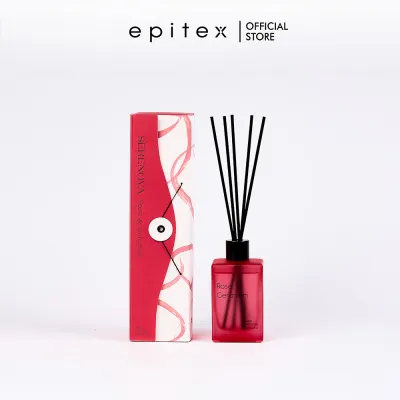
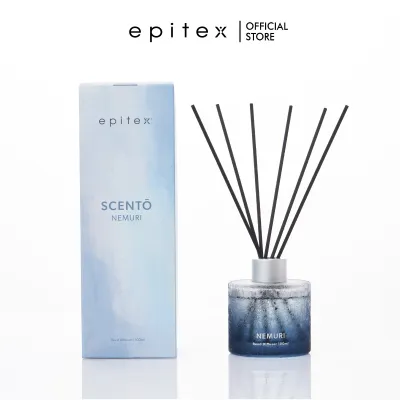
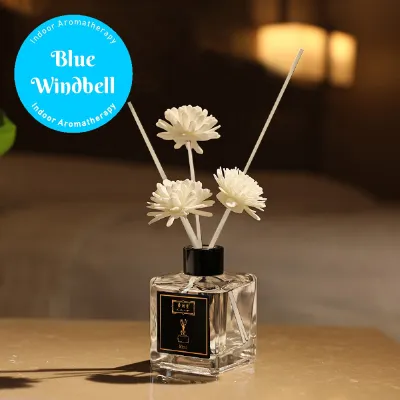
Prices are valid at publication and may change. Please refer to the product page for the latest price.
Reed material plays an equally critical role in how quickly the oil is consumed. Traditional rattan reeds contain natural vascular bundles (small open channels) that draw the oil upward via capillary action. While rattan is excellent for lighter, alcohol-based formulations, it can clog over time when paired with dense, natural essential oils, leading to a sudden drop in scent throw. Modern synthetic fiber reeds, made from polyester threads, are engineered with uniform porosity. They absorb and release oil much more rapidly and consistently than rattan, which provides a stronger aroma but can cause the liquid to deplete faster if the oil concentration is high.
Finally, the physical design of the diffuser bottle itself acts as a mechanical throttle on evaporation. A bottle with a wide neck exposes a larger surface area of the liquid directly to the air, accelerating evaporation regardless of the reed type used. Conversely, a narrow-necked bottle minimizes direct air contact, ensuring that the liquid can only escape by traveling through the reeds. When comparing brands, look for bottles with narrow openings or those that include a collar or cap designed to seal the space around the reeds.
How to Extract Comparable Data from Product Labels
To make an accurate comparison between brands, you must learn to read between the lines of standard product packaging. Brands frequently display optimistic longevity claims, such as “lasts up to 12 weeks,” without disclosing the testing conditions. To verify these claims, start by comparing the total liquid volume in milliliters (ml) against the stated duration. As a general industry baseline, a standard 100ml diffuser typically lasts between 4 to 8 weeks under average household conditions; any brand claiming a 100ml bottle will last 16 weeks is likely assuming an environment with zero airflow and very few reeds.

It is also important to determine whether the brand’s lifespan estimate assumes active maintenance. Many manufacturers base their longevity figures on undisturbed bottles where the reeds are rarely flipped. If you prefer a stronger scent throw and plan to flip the reeds weekly, you will introduce more oil to direct air exposure, which can reduce the actual lifespan of the product by 20% to 30% compared to the label’s estimate.
Another critical factor in long-term value is the availability of standalone refills and replacement reeds. High-quality fragrance oils eventually degrade the capillary structure of the reeds, and dust accumulation will inevitably clog them after a few months. If a brand does not sell replacement reeds and liquid refills separately, you will be forced to purchase a completely new decorative glass set every time the oil runs dry. Brands that support a circular system of refills are almost always more cost-effective over a twelve-month period.
Calculating the True Cost-Per-Week in S$ for Value Comparison
To find the true financial value of a reed diffuser, you should look past the initial retail price and calculate the cost-per-week of active scenting. A high upfront cost can sometimes mask a highly efficient, long-lasting product, while a cheap bottle may deplete so quickly that it becomes expensive to maintain.
You can calculate the initial cost-per-week using this straightforward formula:
Initial Cost-Per-Week = Initial Purchase Price (S$) / Claimed Lifespan (Weeks)
For example, if Brand A sells a complete diffuser set for S$45 with a claimed lifespan of 8 weeks, the initial cost-per-week is S$5.63. If Brand B sells a set for S$65 but claims a lifespan of 16 weeks due to a slower-evaporating glycol base, the initial cost-per-week is S$4.06, making the premium option more economical from the start.
However, the calculation changes significantly when you factor in subsequent refills. Because you do not need to buy a new glass vessel each time, the long-term cost drops if the brand offers refills. Use this formula for ongoing use:
Refill Cost-Per-Week = (Refill Oil Price (S$) + Replacement Reeds Price (S$)) / Refill Lifespan (Weeks)
If Brand A offers a 100ml refill for S$25 and a pack of replacement reeds for S$5, your ongoing cost-per-week drops to S$3.75. If Brand B does not offer refills, you must continue paying the full S$65 retail price (S$4.06 per week) every time. Over a year of continuous use, choosing a brand with a robust refill system can save you a substantial amount of money, even if the initial entry price is slightly higher.
Environmental Factors That Alter Brand Performance
No matter how premium a brand’s formulation is, local environmental conditions will drastically alter how long the fragrance lasts. In tropical climates or homes where air conditioning and ceiling fans run continuously, the rate of evaporation increases significantly. High airflow draws moisture and volatile organic compounds out of the reeds at an accelerated rate, meaning a diffuser placed directly in the path of a fan or AC vent will deplete much faster than one placed in a stagnant corner.
Room size and layout also dictate how you perceive the scent and how quickly you consume the product. A large, open-plan living area with high ceilings will dilute the fragrance quickly. To achieve a noticeable aroma in a large space, you will need to use more reeds, which increases the rate of oil absorption and shortens the lifespan of the liquid. In contrast, a small, enclosed space like a bathroom or study retains the scent easily, allowing you to use fewer reeds and extend the bottle’s life.
Your personal maintenance habits also play a major role. Flipping the reeds upside down provides an immediate burst of fresh fragrance because it exposes the fully saturated ends of the reeds directly to the air. However, frequent flipping accelerates oil consumption. Additionally, household dust settling on the exposed tops of the reeds will block the microscopic pores over time, hindering capillary action. If you notice the scent fading even though the bottle is still half-full, the issue is likely clogged reeds rather than a failure of the oil itself.
Decision Framework: Selecting the Best Value for Your Space
To choose the right reed diffuser for your home, match the product’s technical specifications to the specific room you want to scent.
For large, open-plan living areas or spaces with high airflow, prioritize brands that use high-concentration oils paired with synthetic fiber reeds. The synthetic fibers will ensure a strong, consistent throw that can compete with active ventilation, though you should expect a faster evaporation rate. Look for brands that offer large-volume bottles (200ml or more) and affordable refills to keep your weekly costs manageable.
For small, enclosed spaces such as bathrooms, bedrooms, or home offices, opt for standard rattan reeds paired with smaller bottle volumes (50ml to 100ml). Rattan reeds provide a gentler, more subtle scent throw that prevents the space from becoming overwhelmingly fragrant, reducing the risk of olfactory fatigue. This setup also minimizes unnecessary oil waste in areas where a high evaporation rate is not required.
If a brand does not disclose its carrier oil type, reed material, or ingredient safety on the packaging or official website, it is best to avoid it. Without these details, it is impossible to verify longevity claims or ensure the product is safe for your household.
Finally, always perform a safety check if you share your home with pets or individuals with respiratory sensitivities. Many common essential oils used in diffusers—such as eucalyptus, tea tree, and certain citrus oils—are highly toxic to cats and dogs when dispersed into the air. Ensure the brand you select provides a clear ingredient list so you can verify that the formulation is safe for every member of your household before making a purchase.
Community discussion
Share your experience or ask a question. Comments are reviewed before publication.