
Finding the right study table light in Singapore requires looking past flashy marketing terms like “eye-safe” or “natural light.” With many homes featuring compact study corners or shared home offices, the ideal lamp must balance effective illumination with physical space constraints. Rather than searching for a single, universally superior brand, you should evaluate how different models align with your specific study habits, desk layout, and budget. This guide establishes a practical framework to compare popular brands available locally, focusing on verifiable specifications, structural durability, and long-term value.
Key Features to Compare Across Study Light Brands
When comparing brands, the first point of evaluation is illumination performance. Do not rely on vague marketing labels. Instead, examine the technical specification sheet for Lux values, which measure the actual intensity of light hitting your desk surface. A high-quality study lamp should provide sufficient illumination over your primary reading area, with uniform distribution to prevent high-contrast dark spots that cause eye strain. Checking the manufacturer’s beam angle and coverage maps will give you a clearer picture of how well the light spreads across your workspace.
Color temperature and brightness control are equally critical. Look for brands that offer step-less dimming or multiple preset brightness levels rather than simple on-and-off switches. Adjustable color temperature allows you to switch between cool daylight (around 5000K to 6500K) for high-focus tasks and warm white (around 2700K to 3000K) for relaxed evening reading. Remember that color temperature preference is highly subjective; there is no single “correct” setting for everyone, so having the flexibility to adjust is key to long-term comfort.
Products mentioned in this guide
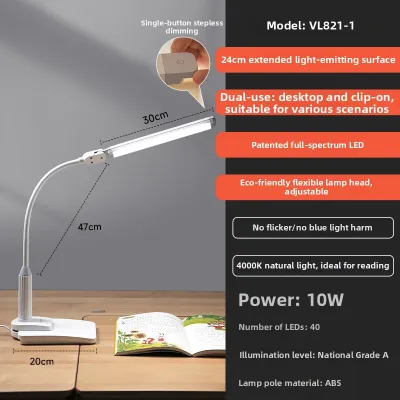
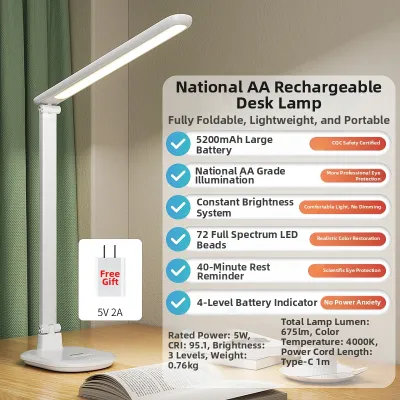
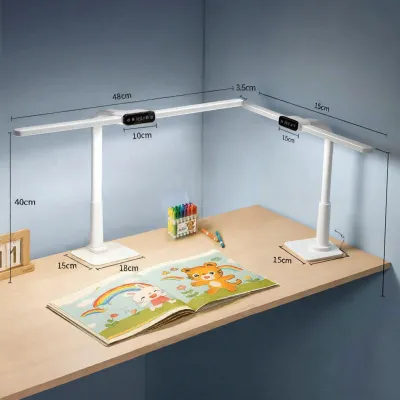
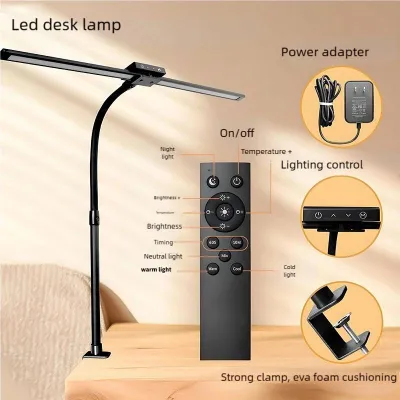
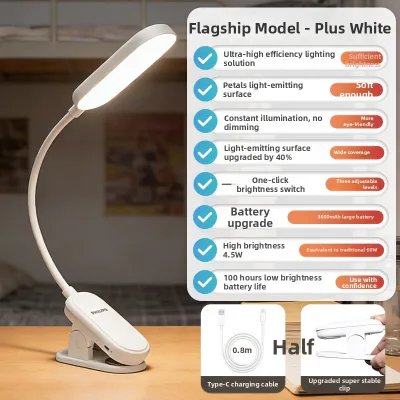
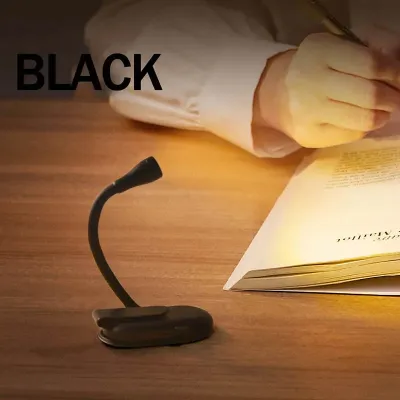
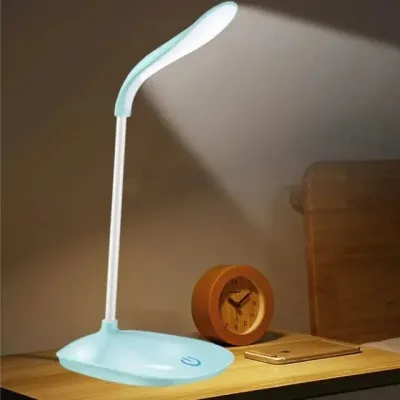
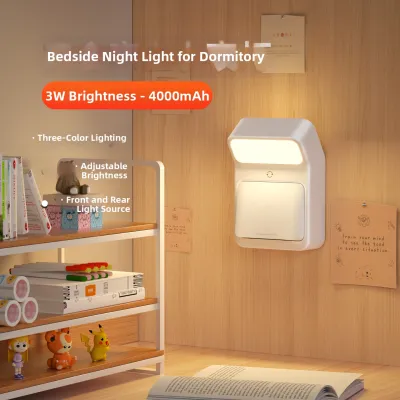
Prices are valid at publication and may change. Please refer to the product page for the latest price.
Flicker and glare mitigation must also be verified. High-frequency flicker, though often invisible to the naked eye, can lead to headaches and fatigue during long study sessions. Look for brands that carry recognized international certifications for flicker-free performance, such as IEEE standards or TÜV Rheinland certification. Additionally, check the physical design of the lamp head; a well-designed diffuser or an asymmetric optical design will direct light onto your workspace while keeping direct glare out of your eyes.
Evaluating Build Quality and Ergonomic Design
The physical construction of a study table light directly impacts its lifespan and usability. Examine the joints and suspension arms carefully. Premium brands often utilize aluminum or high-grade steel for these moving parts, ensuring the lamp remains in position without sagging over time. Lower-cost options may rely heavily on plastic joints, which can wear down, crack, or lose tension, especially when adjusted frequently by multiple family members.

Base weight and desk footprint are vital considerations for typical study setups. A freestanding lamp requires a heavy, stable base to prevent tipping when the arm is fully extended. If your desk space is limited, look for brands that offer clamp-on bases or space-saving grommet mounts. These designs secure the lamp directly to the edge of the table, freeing up valuable surface area for books, laptops, and writing materials.
Consider how the lamp handles heat dissipation and material aging. High-power LEDs generate heat at the driver and diode level; without adequate heat sinking, this heat can degrade the LEDs rapidly, leading to premature dimming or color shifting. Metal housings generally dissipate heat more effectively than plastic ones. Furthermore, in warm and humid climates, low-quality plastics are prone to yellowing and becoming brittle over time, making robust material selection a key factor in long-term reliability.
Assessing Price and Long-Term Value
When comparing costs, weigh the initial purchase price against the actual utility of premium features. Some brands command a higher price in S$ due to advanced additions like ambient light sensors, automatic dimming, or smart home integration. While these features offer convenience, they may not improve the core lighting quality. Determine whether these high-tech additions justify the extra cost for your daily routine, or if a simpler, manual model provides better value.
Energy consumption and light source lifespan are crucial for long-term budgeting. Most modern study lamps use integrated LEDs, which are highly energy-efficient but cannot be replaced by the user once they fail. Check the rated lifespan on the product packaging—typically ranging from 25,000 to 50,000 hours. If a lamp features an integrated light source, a longer rated lifespan is essential to ensure you do not have to discard the entire unit prematurely.
Local warranty policies and customer support are indispensable when buying electronic appliances. Always verify that the brand or authorized distributor provides a local warranty, typically covering one to three years. A local warranty ensures you can easily obtain a replacement or repair without dealing with expensive international shipping. Additionally, ensure the product carries the Enterprise Singapore Safety Mark, which certifies that the power adapter and electrical components are safe for use with the local 230V, 50Hz electrical grid.
Decision Framework: Matching Brands to Your Study Needs
To narrow down your choices, match the lamp’s design to your primary study activities. If your routine involves a mix of physical textbooks and digital screens, prioritize brands that feature asymmetric optical designs or advanced anti-glare diffusers. These models project light at an angle to illuminate your desk without reflecting off your computer screen, reducing visual discomfort.
For shared family desks or children’s study areas, prioritize physical stability and ease of adjustment. Choose brands that feature heavy, anti-tip bases or secure clamp-on mechanisms, along with robust, counterbalanced joints. These features ensure the lamp can withstand frequent adjustments by different users without tipping over or losing its structural integrity.
If you are working with a compact desk in a cozy bedroom, focus on space-saving designs. Brands offering slim profiles, folding arms, or clamp-on mounts are ideal for maximizing your usable workspace. Ensure the physical dimensions of the lamp, including its maximum height and arm reach, fit comfortably within your desk alcove or shelving units.
Finally, always verify the manufacturer’s technical specifications before finalizing your purchase. Ensure the voltage matches the local 230V standard and that the plug type is compatible with your outlets. If you plan to integrate the lamp into a complex smart home system, route cables through fixed wall trunking, or require custom mounting solutions, stop and consult a qualified professional to ensure safe installation and electrical compatibility.
Frequently Asked Questions (FAQ)
Do I need a smart study table light with app control?
For most users, smart app control is a luxury rather than a necessity. While apps allow you to schedule lighting times, adjust color temperatures remotely, or sync the light with other smart home devices, physical buttons or touch panels on the lamp base are usually much faster and more intuitive to use during active study sessions. If you prefer a simple, distraction-free environment, a traditional plug-and-play model with physical controls is often the more reliable and cost-effective choice. Furthermore, smart lamps require ongoing software updates and stable Wi-Fi connectivity, which can introduce potential points of failure that traditional lamps avoid.
How can I verify if a desk lamp is truly flicker-free?
While professional testing requires specialized equipment, you can perform a basic visual check using your smartphone camera. Open your camera app, set it to video or slow-motion mode, and point it directly at the illuminated light source. If you see dark, moving bands or rapid strobing on your screen, the lamp may suffer from low-frequency pulse-width modulation (PWM) flicker. However, because some high-frequency flicker cannot be captured by standard phone cameras, the most reliable method is to look for official certification labels on the product packaging. Look for recognized standards such as the IEEE 1789-2015 recommendation for flicker reduction or certifications from independent testing bodies like TÜV Rheinland.
Community discussion
Share your experience or ask a question. Comments are reviewed before publication.