
Choosing the right table lamp brand in Singapore requires balancing structural build quality, optical adjustability, and long-term value against your specific spatial and functional needs. Rather than relying on marketing buzzwords, a successful comparison involves verifying physical specifications, electrical certifications, and material choices. By understanding the key engineering differences and functional features across various brand categories, you can select a model that offers the best long-term value for your specific environment.
The right choice depends heavily on how a lamp balances structural integrity with lighting performance. A high-quality table lamp should not only complement your interior decor but also provide stable, flicker-free illumination tailored to your daily activities. Evaluating these factors systematically ensures that your investment supports both productivity and visual comfort over years of daily use.
Defining Your Table Lamp Needs Before Comparing Brands
Before comparing different manufacturers, you must define the primary role the table lamp will play in your space. Task lighting for focused reading or writing requires a highly adjustable arm and a concentrated beam that minimizes shadows on your work surface. In contrast, ambient lighting for a living room or bedroom relies on diffused, warm light that softens the surrounding environment rather than focusing on a single spot. For screen-adjacent work, such as home office setups, the lamp must provide balanced illumination that reduces eye strain without casting reflections or glare onto your monitor.
Products mentioned in this guide
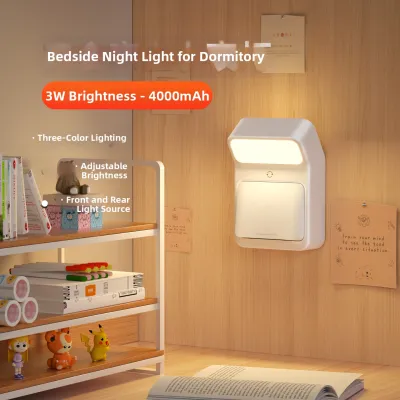
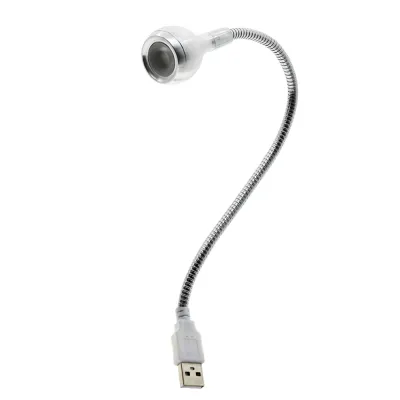
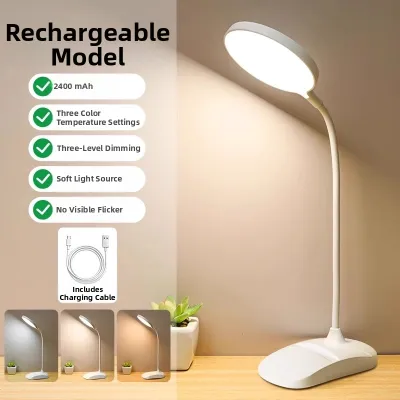
![[SG Local Stock] 2000mAh LED Table Lamp Study Foldable Desk Light Bedroom Bedside Touch Control Dimmable USB Rechargeable 台灯 CNY Gift Present](https://img.lazcdn.com/g/p/254b9aa79170e7ac80d5ab37505c1212.jpg_400x400q80.jpg_.webp)
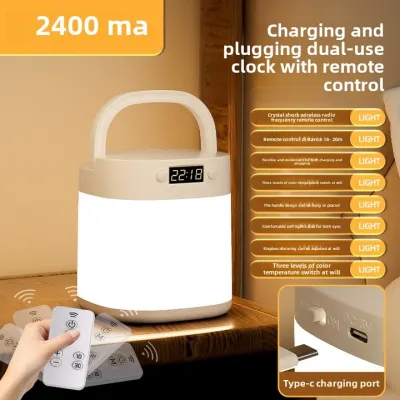
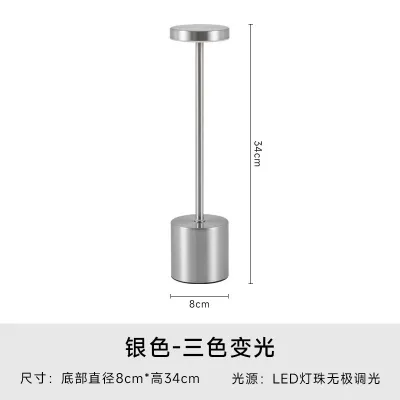
Prices are valid at publication and may change. Please refer to the product page for the latest price.
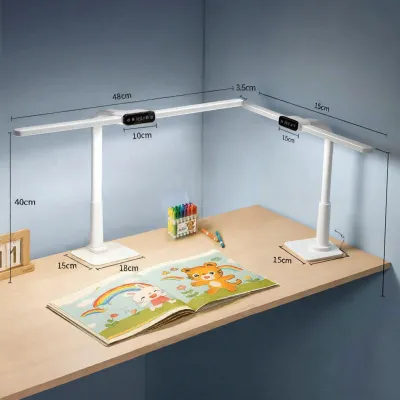
Spatial constraints within Singaporean homes, such as compact study corners or dual-purpose vanity desks, dictate the physical footprint your lamp can occupy. Measure your desk depth and the available surface area before browsing options, as a heavy, wide-base lamp may crowd a small workspace. Consider the required reach of the lamp arm; a desk lamp must be tall enough to cast light over your laptop screen or reading material without obstructing your line of sight.
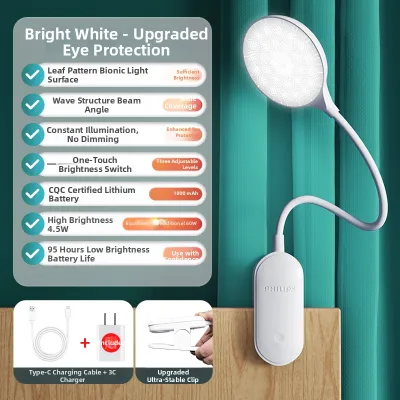
Power access is another practical factor that limits where you can place your lamp. Evaluate the proximity of wall outlets to your desk or bedside table, and check the manufacturer’s specified cord length to avoid relying on unsightly or hazardous extension cords. If your layout restricts cord routing, you may want to explore brands that offer rechargeable, cordless models, keeping in mind that these require regular charging cycles and may offer lower maximum brightness levels than corded alternatives.
Evaluating Build Quality and Materials Across Brands
Evaluating build quality requires looking closely at the materials used in a lamp’s construction. Premium brands typically utilize anodized aluminum, brass, or powder-coated steel, which offer superior durability and structural stability compared to lightweight plastics. When examining a lamp in person or reviewing specifications, check the weight of the base; a heavy, low-center-of-gravity base is essential to prevent the lamp from tipping over when the arm is fully extended or when the desk is bumped.

The integrity of joints and hinges is a critical indicator of long-term durability, especially for adjustable task lamps. High-quality brands use tension-adjustable mechanical joints, counterweight systems, or heavy-duty friction hinges that hold their position without drooping over time. Avoid lamps with loose plastic joints or thin internal springs, as these components tend to wear out quickly under daily adjustment, eventually rendering the lamp incapable of holding its angle.
Heat dissipation is another vital factor that affects both safety and the lifespan of the lamp’s light source. Metal alloys excel at drawing heat away from LED modules, keeping the fixture cool to the touch and preserving the efficiency of the diodes. High-density plastics are common in budget-friendly models, but they must feature adequate ventilation slots or heat sinks to prevent heat buildup, which can degrade the internal electronics and shorten the operating life of the lamp.
Examine the cable management design and the physical quality of the power joints where the cord enters the lamp base. High-quality fixtures feature reinforced strain-relief boots at these connection points to prevent the internal wiring from fraying or short-circuiting due to repeated movement. For lamps with external power adapters, verify that the adapter casing is robust and carries the necessary safety certifications for use in Singapore.
Comparing Core Lighting Features and Adjustability
Optical performance should be evaluated using standardized metrics rather than subjective brand descriptions. When comparing models, check the product labels for color temperature ranges, measured in Kelvin (K). A versatile table lamp should offer adjustable color temperatures, allowing you to switch from a cool white light (around 5000K to 6500K) for high-focus daytime tasks to a warm, relaxing glow (around 2700K to 3000K) for evening reading.
The Color Rendering Index (CRI) is a crucial specification that indicates how accurately a light source reveals the true colors of objects compared to natural daylight. For tasks that require color accuracy, such as drawing, crafting, or design work, look for brands that specify a CRI of 90 or higher (Ra > 90). Lower-quality light sources with a CRI below 80 can make colors appear dull, distorted, or unnatural, which can contribute to visual fatigue during extended use.
Effective glare reduction is essential for maintaining visual comfort, particularly during long study or work sessions. High-quality brands incorporate advanced diffuser plates, micro-prismatic lenses, or asymmetrical optical designs that direct light across the workspace at an angle rather than shining it directly downward. This controlled light distribution minimizes hot spots on shiny paper or screens, protecting your eyes from harsh, direct reflections.
Before purchasing, confirm the dimming method and compatibility of the lamp with your existing home setup. Many modern table lamps feature built-in touch-sensitive dimmers with multiple brightness steps or continuous dimming ranges. If you plan to connect the lamp to an external smart plug or a wall dimmer switch, ensure the lamp’s internal circuitry supports external dimming, as incompatible setups can cause annoying flickering, buzzing, or premature component failure.
Assessing Pricing Tiers and Long-Term Value
Table lamps generally fall into three distinct pricing tiers, each offering a different balance of materials, features, and longevity. Entry-level lamps, typically priced under S$50, focus on basic utility, often utilizing plastic construction and simple on/off switches. While these budget options are highly accessible, they may lack advanced optical diffusers, adjustable color temperatures, or robust joint mechanisms, making them better suited for occasional use rather than intensive daily tasks.
The mid-range tier, spanning from S$50 to S$150, represents the sweet spot for many Singaporean households. Brands in this category often feature sturdy metal-and-plastic hybrid builds, reliable touch controls, step-less dimming, and adjustable color temperatures. These lamps are engineered for daily study or home office work, offering a solid balance of modern features, durable construction, and reliable safety certifications without a premium price tag.
Premium design-led and specialized ergonomic lamps, priced above S$150, cater to users seeking exceptional craftsmanship, advanced smart home integration, or precise architectural lighting. These high-end fixtures often feature premium materials like solid brass or machined aluminum, sophisticated optical engineering to eliminate glare, and seamless integration with smart home ecosystems. While the initial investment is higher, these brands often provide superior long-term value through extended warranties and highly durable components.
When calculating the true cost of ownership, consider the difference between integrated LED modules and replaceable standard bulbs. Integrated LED lamps offer sleek, compact designs and high energy efficiency, but if the LED module fails after the warranty period, the entire fixture usually must be replaced. Lamps with standard screw-in bases (such as E27 or E14) allow you to isolate the power, easily swap out bulbs when they burn out, or upgrade to smart bulbs, offering greater long-term flexibility and easier maintenance.
How to Make Your Final Brand Selection
To make your final decision, align your primary requirements with the strengths of different brand categories. If your priority is ergonomic task lighting for long hours of study or detailed work, focus on brands that specialize in optical engineering, offering high CRI ratings, asymmetrical light distribution, and highly adjustable arms. If your main goal is to enhance your home’s interior aesthetic, prioritize design-led brands that focus on premium materials, classic silhouettes, and warm ambient diffusion.
When evaluating brands that claim specialized eye-care or flicker-free technology, look for independent certifications rather than relying solely on marketing slogans. Check for recognized safety and performance marks on the product packaging or manufacturer’s specification sheets. In Singapore, electrical appliances must comply with local safety standards; look for the Safety Mark on the power adapter or the lamp itself to ensure the product has been tested and approved for safe domestic use.
Before finalizing your purchase, run through a practical checklist to ensure complete compatibility with your home. Verify that the lamp is rated for Singapore’s standard voltage of 230V at 50Hz, and check that the supplied plug matches your wall outlets (typically Type G three-pin plugs) without requiring unsafe adapters. Finally, double-check the physical dimensions of the lamp against your measured desk space to ensure a perfect fit that enhances both your productivity and your decor.
Frequently Asked Questions (FAQ)
Do higher-priced table lamps always offer better eye protection?
Not necessarily, as a higher price tag often reflects premium materials, designer branding, or complex mechanical joints rather than superior optical engineering. While premium lamps frequently include advanced diffusers and flicker-free drivers, some mid-range models offer comparable eye-protection features at a fraction of the cost. To ensure adequate eye comfort, focus on verifying specific technical specifications—such as a high Color Rendering Index (CRI of 90 or above), adjustable color temperatures, and certified flicker-free performance—rather than assuming price correlates directly with optical quality.
Can I use smart bulbs in any standard table lamp?
You can use smart bulbs in most standard table lamps, provided the lamp features a replaceable bulb socket (such as an E27 or E14 base) and has sufficient physical clearance within the shade to accommodate the smart bulb’s dimensions. Before installing a smart bulb, always isolate the power and check the lamp’s maximum wattage rating to ensure the smart bulb does not exceed the safe limit, even though LEDs typically draw very low power. Additionally, avoid using smart bulbs in lamps equipped with built-in physical dimmer switches, as the dimming circuitry can conflict with the smart bulb’s internal electronics, leading to flickering, connectivity issues, or permanent damage to the bulb.
Community discussion
Share your experience or ask a question. Comments are reviewed before publication.