
Quick Answer: Which Table Lamp Brand Fits Your Study Needs?
Finding the right table light for your study or workspace in Singapore is not about identifying a single, universally superior brand. Instead, the ideal choice depends on your specific daily workflow, your desk environment, and your budget. Selecting the perfect fixture requires balancing optical performance, physical adjustability, and modern smart features against what you are willing to spend.
Traditional heritage lighting brands prioritize reliable, straightforward illumination with wide local availability and accessible pricing. Tech-focused smart brands cater to those who want seamless integration into modern smart home ecosystems, offering automated scheduling and minimalist designs. Meanwhile, premium ergonomic brands focus heavily on specialized optical engineering, delivering advanced glare-reducing technologies and high-end materials at a premium price point.
This comparison focuses strictly on the demands of prolonged desk work, reading, and screen use within a typical Singaporean home or office. By understanding how these brand categories approach lighting design, you can make an informed decision that protects your eyes and complements your workspace.
Products mentioned in this guide
![[SG Local Stock] 2000mAh LED Table Lamp Study Foldable Desk Light Bedroom Bedside Touch Control Dimmable USB Rechargeable 台灯 CNY Gift Present](https://img.lazcdn.com/g/p/254b9aa79170e7ac80d5ab37505c1212.jpg_400x400q80.jpg_.webp)
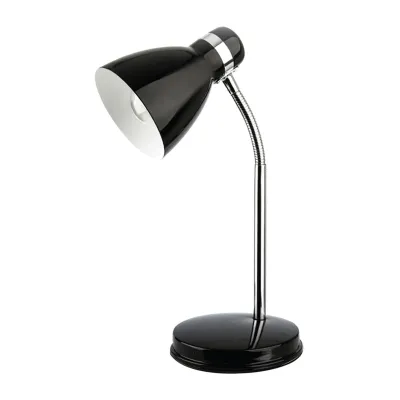
Prices are valid at publication and may change. Please refer to the product page for the latest price.
Core Comparison Dimensions for Study and Table Light Selections
Before comparing specific brand categories, you must establish the objective criteria that define a high-quality desk lamp. Evaluating a table light goes far beyond checking its aesthetic appeal or basic brightness levels.

Illumination, Flicker, and Eye Comfort
When studying or working for extended periods, the quality of light directly affects your focus and eye fatigue. Look for a fixture that delivers adequate illuminance, typically measured in lux, across your entire work surface. A high Color Rendering Index (CRI), ideally Ra 90 or above, is essential for accurate color perception and reducing cognitive strain, especially when reading printed text or working on design projects.
Equally critical is verified flicker-free technology. Invisible high-frequency flickering from low-quality LED drivers can cause headaches and eye strain over hours of use. Additionally, look for brands that offer blue light mitigation, which reduces exposure to disruptive blue wavelengths during late-night study sessions. Rather than relying on generic marketing terms like “eye-care,” always check the product specification label for certified low blue light standards (such as IEC certifications) and specific CRI ratings.
Build Quality, Adjustability, and Ergonomics
The physical construction of a lamp determines its longevity and daily usability. Premium models often utilize anodized aluminum alloys, which provide superior structural integrity and highly efficient heat dissipation compared to molded plastics. Effective heat management is crucial, as excess heat can degrade LED chips and shorten their lifespan.
Consider the mechanical design of the joints and tension points. A high-quality lamp should hold its position reliably without drooping over time. If you have a shallow desk, a heavy, wide counterweight base might take up too much valuable real estate; in such cases, a clamp-mount or a space-saving base is highly beneficial. Multi-axis adjustability—allowing you to alter the height, tilt, and rotation of the lamp head—is vital for directing light precisely where you need it, preventing direct glare from bouncing off your computer screen into your eyes.
Smart Features and Power Delivery
Modern desk lamps frequently serve as central hubs for workspace connectivity. Smart features, such as built-in ambient light sensors, allow the lamp to auto-dim or brighten dynamically as the natural daylight in your room changes. Compatibility with smart home ecosystems enables hands-free voice control and automated scheduling.
Additionally, consider the convenience of integrated power delivery. Many modern lamps include USB-C or USB-A charging ports built directly into the base, helping to declutter your desk by eliminating the need for separate charging bricks. When evaluating these features, compare the responsiveness of touch-sensitive control panels against physical dials, ensuring the interface feels intuitive for your daily adjustments.
Comparing Brand Categories: Heritage, Tech, and Premium
To make a practical choice, it is helpful to group the popular options available in Singapore into three distinct brand categories based on their design philosophies, strengths, and limitations.
Heritage and General Lighting Brands
Traditional lighting manufacturers focus on delivering reliable, uncomplicated illumination. These brands have spent decades refining basic electrical safety and bulb technology. Their table lamps are widely available in local brick-and-mortar hardware stores, lighting showrooms, and major department stores across Singapore, making them incredibly easy to inspect in person before purchase.
The primary advantage of heritage brands is their straightforward utility and accessible pricing. They are designed for plug-and-play simplicity, often utilizing standard bulb sockets (like E27) or highly reliable integrated LED modules. If a component fails, finding replacements or securing basic warranty support is highly convenient. However, these brands often lag behind in advanced smart home integrations and ultra-modern, space-saving designs, making them less suitable for users who desire a highly automated, high-tech desk setup.
Tech and Smart Home Ecosystem Brands
Tech-centric brands approach lighting from an electronics and smart home perspective. These fixtures are engineered to integrate seamlessly into a wider connected ecosystem, allowing you to control your desk lighting via mobile apps, set automated daily routines, and sync color temperatures with your local timezone to support your circadian rhythm.
These brands excel at minimalist aesthetics, often featuring clean lines, hidden cables, and matte finishes that complement modern laptops and monitors. Many models feature built-in wireless charging pads or high-speed USB ports. While their smart features are highly advanced, some tech-focused brands may not possess the same depth of proprietary optical research as dedicated lighting companies. Consequently, their light distribution patterns might be more basic, occasionally leading to uneven desk illumination or minor screen glare if not positioned carefully.
Premium and Specialized Ergonomic Brands
Specialized ergonomic brands focus intensely on high-performance optical engineering and physical wellness. Their primary design goal is to provide optimal illumination for modern, screen-heavy work environments without causing eye strain. These brands are famous for introducing asymmetrical optical designs, which project light at a precise angle to illuminate the desk surface while completely avoiding the computer screen itself.
Built with premium materials like aircraft-grade aluminum, zinc alloys, and high-durability spring-loaded joints, these lamps are engineered to last for years of daily adjustment. They feature advanced light-guiding panels that distribute light evenly across a wide area, eliminating harsh hotspots and shadows. While the optical performance and build quality are exceptional, these lamps carry a significantly higher price tag. This investment is best justified for professionals and students who spend long, uninterrupted hours coding, drafting, writing, or analyzing complex data on multiple screens.
Evaluating Pricing and Value in the Local Market
Navigating the financial aspect of purchasing a table lamp in Singapore requires understanding what you are paying for at different price tiers. Rather than focusing on highly volatile retail prices, it is more practical to evaluate value based on broad price bands and feature sets.
- Entry-Level Tier (Typically under S$50): This tier consists primarily of basic heritage lamps and entry-level utility lights. These models offer straightforward on/off switches, manual physical adjustments, and standard LED bulbs. They are highly reliable for basic reading and writing but lack advanced optical filters, smart features, or premium metal finishes.
- Mid-Range Smart Tier (Typically S$50 to S$150): In this bracket, you will find most tech-focused and smart home ecosystem lamps. These fixtures introduce step-less dimming, adjustable color temperatures (from warm yellow to cool white), app connectivity, and basic scheduling. Build quality improves to include a mix of aluminum and high-grade plastics, and you often get integrated USB charging ports.
- Premium Ergonomic Tier (Typically over S$200): This tier is dominated by specialized ergonomic brands. Here, your money goes directly into proprietary optical technologies, such as asymmetrical light distribution, auto-dimming sensors that adjust to ambient room light, ultra-high CRI ratings (Ra 95+), and heavy-duty mechanical arms that glide smoothly.
When purchasing any desk lamp, it is highly recommended to buy directly from authorized local distributors or official brand stores on reputable ecommerce platforms. This ensures you receive a genuine product backed by a valid local warranty. Be cautious of grey market imports or parallel imports from overseas sellers; while they may offer a slightly lower upfront cost, they frequently lack the proper electrical safety certifications, may not include a compatible local plug, and leave you without recourse if the device malfunctions.
Decision Framework: Match the Brand Category to Your Workflow
To determine which category of table lamp is right for your home or office, match your daily habits and physical workspace to the strengths of each brand type.
- Choose Heritage Brands if:
- Your primary tasks involve reading physical books, writing notes by hand, or performing basic tasks that do not involve staring at a computer screen for hours.
- You prefer physical buttons, switches, or dials over smartphone apps and touch-sensitive panels.
- You want a highly reliable, cost-effective solution and prefer the peace of mind that comes with buying a familiar brand from a local retail store.
- Choose Tech Brands if:
- You already have a smart home setup and want your desk light to integrate into your existing routines and voice controls.
- You appreciate a clean, minimalist aesthetic with hidden wiring and want to charge your phone or accessories directly from your lamp base.
- You want a highly customizable light that can automatically transition from cool, energizing white light during the morning to warm, relaxing light in the evening.
- Choose Premium Ergonomic Brands if:
- You spend major portions of your day and night working in front of a computer monitor, dual screens, or a laptop, and suffer from frequent eye strain or screen glare.
- You require highly precise, uniform light distribution across a large desk area without any distracting shadows or bright hotspots.
- You view your desk setup as a long-term investment in your physical health, productivity, and comfort, and are willing to pay a premium for exceptional build quality and optics.
- Verify first if:
- You have physical desk constraints, such as a very shallow desk, a lack of surface space, or a monitor with a thick bezel. In these cases, you must verify if a clamp-mount option, a highly adjustable long-reach arm, or a specialized monitor-mounted light bar is required instead of a standard desktop base.
- Your work involves professional color-sensitive tasks, such as photo editing, graphic design, or textile work. If so, you must verify that the lamp has a certified CRI of Ra 95 or higher to ensure accurate color representation under artificial light.
Essential Pre-Purchase Checks for Singapore Desks
Before finalizing your purchase, you must perform several practical and electrical checks to ensure the lamp operates safely and fits seamlessly into your Singapore home or office environment.
Voltage, Plugs, and Electrical Safety
Singapore’s domestic electrical mains operate at a standard voltage of 230V and a frequency of 50Hz. Always verify that any imported or smart desk lamp is rated to handle this voltage range safely. Avoid purchasing models designed exclusively for 110V markets unless you plan to use a bulky, high-quality voltage transformer, which is highly impractical for a desk setup.
Ensure the lamp comes supplied with a standard Singapore Type G (3-pin) plug, or a manufacturer-certified power adapter. Avoid using cheap, unverified travel adapters for continuous, long-term use. For peace of mind, check the power supply unit for the Enterprise Singapore Safety Mark, which indicates the product has been tested and certified safe for use in local households. If you are installing a high-wattage lamp or one with integrated power-delivery hubs, ensure you do not overload your desk’s extension cords or multi-way adapters.
Desk Space, Heat, and Air-Conditioning
Take physical measurements of your desk before buying. A lamp with a long, articulating arm requires sufficient clearance from nearby walls, bookshelves, or overhead cabinets. If you use multiple monitors, ensure the lamp can be positioned high enough to cast light over the screens without blocking your view or creating reflections.
While modern LED emitters run cool, they still generate heat. The electronic drivers, smart chips, and power adapters in smart lamps can produce localized warmth. Ensure there is adequate ventilation around the base and the power brick. In air-conditioned Singapore rooms, dust can accumulate rapidly on heat sinks and ventilation slots due to static charge and dry air. Regularly dust your lamp’s cooling vents to prevent heat buildup, which can degrade the internal electronics and shorten the operational lifespan of the LEDs.
Frequently Asked Questions (FAQ)
Are monitor light bars better than traditional table lamps for desk work?
Monitor light bars and traditional table lamps serve different primary needs. A monitor light bar is designed specifically to save valuable desk space and eliminate screen glare. It achieves this by mounting directly onto your monitor and projecting light downward in an asymmetrical beam, making it the ideal choice for heavy computer users with limited desk space.
Conversely, a traditional table lamp offers a much wider, more flexible spread of ambient light. It is highly adjustable, allowing you to direct light exactly where you need it for writing, reading physical books, or sketching. If your daily workflow involves a mix of screen time and paperwork, a highly adjustable table lamp remains the more versatile option.
Do I need a smart table lamp for studying?
While smart features like automated dimming, smartphone app control, and scheduling offer excellent convenience, they are not strictly necessary for maintaining eye health or focus. The most critical factors for studying are high-quality optics: a high Color Rendering Index (CRI), flicker-free performance, and a color temperature that can be set to a comfortable neutral white (around 4000K).
A well-constructed, non-smart lamp with excellent physical adjustability and a high-quality LED driver will protect your eyes just as effectively as a smart lamp, often at a fraction of the cost. If you are on a budget, prioritize the physical and optical build quality over smart ecosystem connectivity.
Community discussion
Share your experience or ask a question. Comments are reviewed before publication.