
Finding the right portable lamp in Singapore requires balancing cordless convenience with reliable performance. With numerous brands filling retail shelves and online marketplaces, the choice often comes down to how well a manufacturer balances battery efficiency, light quality, and physical durability. Instead of relying on flashy marketing claims, smart buyers evaluate these devices by verifying technical specifications, safety certifications, and structural designs.
In Singapore’s tropical climate and compact living spaces, a portable lamp serves multiple roles, from a study aid on a desk to emergency lighting or a bedside companion. Premium brands often justify their higher price tags with robust aluminum builds, high color accuracy, and sophisticated power management. Meanwhile, budget-friendly options focus on lightweight plastics and basic illumination, which may suit occasional use but require closer inspection of their safety standards and battery lifespans.
To make an informed purchase, you must look closely at the product labels and user manuals. This guide establishes a clear framework for comparing portable lamp brands available locally, helping you identify which tier of product genuinely matches your daily requirements and budget.
Products mentioned in this guide
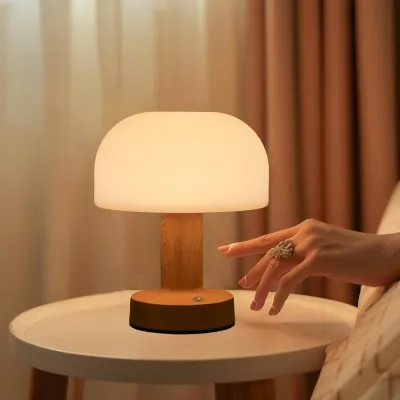
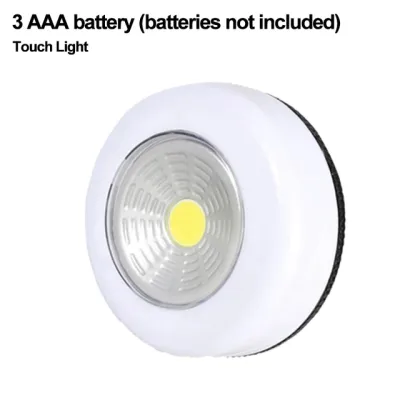
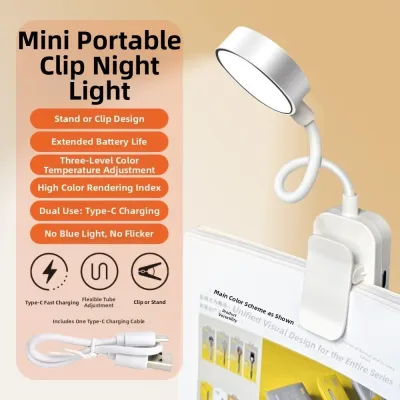
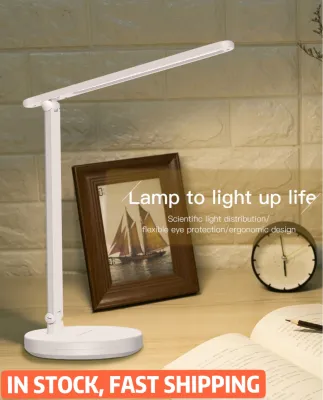
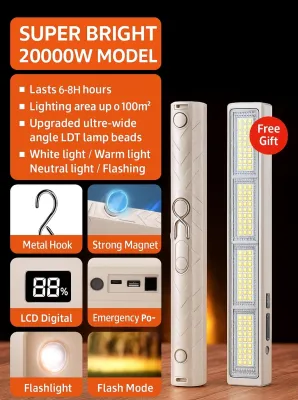
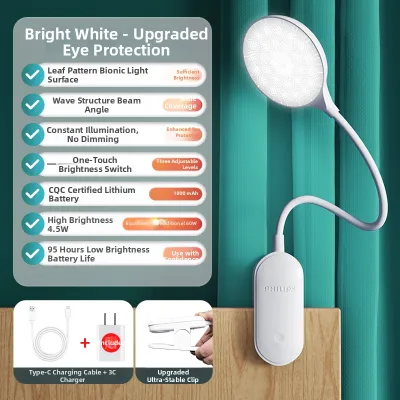
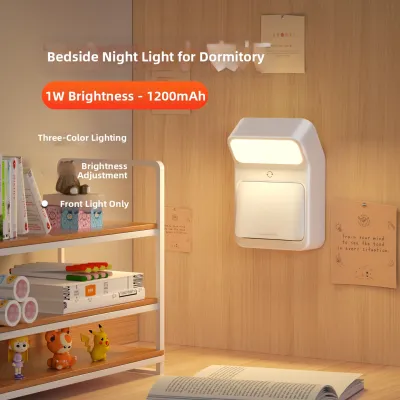
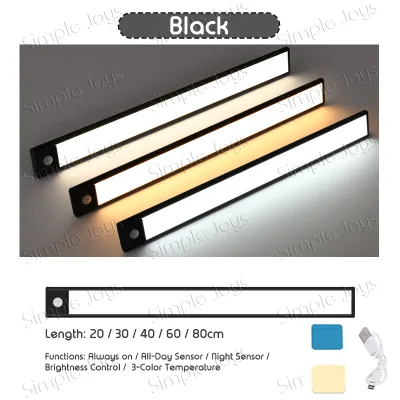
Prices are valid at publication and may change. Please refer to the product page for the latest price.
Key Specifications to Compare Across Portable Lamp Brands
When comparing different brands of portable lamps, technical specifications on the packaging provide the first clue to actual performance. Many manufacturers highlight impressive numbers, but understanding what these metrics mean prevents disappointment after unboxing. The most critical specifications to analyze are light output, power consumption, material composition, and safety compliance.
First, distinguish between lumens and lux. Lumens measure the total amount of light emitted by the lamp source in all directions. Lux, on the other hand, measures the intensity of light falling on a specific surface at a given distance. A brand boasting high lumens might still provide poor desk illumination if the lamp lacks a focused reflector or lens to direct that light where you need it. Always check if the manufacturer provides lux diagrams or specifies the distance at which the brightness was measured.
Second, evaluate the relationship between battery capacity and power consumption. Battery capacity is typically listed in milliampere-hours (mAh) or Watt-hours (Wh), while the lamp’s power draw is measured in Watts (W). A high-capacity battery can still drain rapidly if the lamp operates at a high wattage on its maximum setting. To estimate realistic runtime, divide the battery’s total energy capacity by the power consumption of your preferred brightness level.
Third, examine the structural materials listed in the specifications. Brands using aluminum alloys generally offer superior heat dissipation compared to those relying entirely on ABS plastic. Proper heat management is crucial for LED longevity, as excess heat degrades the light-emitting diodes and reduces battery efficiency over time. Aluminum also adds a premium weight that prevents the lamp from tipping over easily.
Finally, prioritize safety compliance, especially in Singapore where electrical standards are strictly regulated. Look for the Safety Mark issued by Enterprise Singapore on the charging adapters or the lamps themselves if they plug directly into the mains. For battery-operated models, check for international certifications such as CE, RoHS, or FCC, which indicate the device has undergone testing for electromagnetic interference and hazardous materials.
How to Evaluate Build Quality and Portability
A portable lamp must withstand frequent movement, adjustment, and occasional travel. Assessing build quality before buying helps you avoid flimsy models that droop, wobble, or break after a few weeks of use. Physical inspection or careful reading of user reviews can reveal how well a lamp is constructed.

Begin by evaluating the joint tension and base weight. A well-designed portable lamp should feature adjustable or highly resistant hinges that hold their position at various angles. If the hinge is too loose, the lamp head will slowly sag under its own weight; if it is too tight, adjusting it might strain the plastic casing. Additionally, the base must contain enough ballast or weight to keep the unit stable, even when the arm is fully extended over your workspace.
If you plan to use the lamp in semi-outdoor spaces, balconies, or humid environments like bathrooms, check the Ingress Protection (IP) rating. Most indoor portable lamps do not carry an IP rating, meaning they are vulnerable to moisture and dust. However, brands designed for versatile indoor-outdoor use often feature IPX4 or higher ratings, indicating resistance to water splashes. Using a non-rated lamp in high-humidity areas can lead to internal corrosion and premature battery failure.
If you plan to mount a charging dock to a wall or connect any fixed wiring for a permanent charging station, always isolate the power supply beforehand, follow the manufacturer’s installation instructions, or consult a qualified professional to prevent electrical hazards. For standard portable use, ensure the charging port is sealed when used near damp areas.
Portability also depends on the folding mechanism and overall footprint. If you intend to pack the lamp into a backpack or luggage for travel or remote work, look for designs that fold completely flat. Examine the hinge points to ensure they do not have exposed wiring that could get pinched or snagged during folding. Lightweight materials like thin polycarbonate make travel easier, but they must be balanced against the loss of stability on uneven surfaces.
Lastly, scan user feedback for recurring wear-and-tear complaints. Pay close attention to reports of cracking plastic around the joints, peeling finishes, or buttons that lose their tactile click over time. Brands that use high-quality silicone or metal fasteners at pivot points generally outlast those relying on simple plastic-on-plastic friction joints.
Verifying Battery Life and Charging Standards
Battery performance is often the most exaggerated feature on portable lamp packaging. To avoid being tethered to a wall outlet constantly, you must verify the battery specifications and understand the charging technology used by different brands.
To calculate a realistic runtime, look for the maximum and minimum power consumption figures in the manual. For example, a lamp with a 2000 mAh battery running a 5W LED at full brightness will deplete its charge much faster than when running a 1W nightlight mode. If a brand claims “up to 40 hours of battery life,” this almost always refers to the lowest, dimmest setting, which may only be suitable as a faint nightlight. Real-world reading or working runtimes are typically much shorter, often ranging from two to six hours depending on the brightness level.
Modern charging standards are another critical differentiator. Prioritize brands that utilize standard USB-C ports for charging. USB-C is highly convenient because it allows you to use the same charger and cable as your smartphone or laptop, reducing clutter. Some advanced models support Power Delivery (PD), which can significantly speed up the recharging process. Avoid brands that still rely on outdated micro-USB ports or proprietary round-pin DC jacks, as finding replacement cables in Singapore can be difficult if the original is lost.
Safety features within the battery management system (BMS) are essential for longevity. High-quality brands integrate overcharge, over-discharge, and short-circuit protection. These safeguards prevent the lithium-ion battery from swelling or catching fire if left plugged in overnight. A visible low-battery indicator is also highly useful, warning you to recharge the device before it shuts off abruptly in the middle of a task.
Finally, check if the lamp supports pass-through charging, which allows you to use the light while it is actively plugged into a power source. Some budget brands disable the light during charging to prevent heat buildup, while others allow it but experience significant thermal stress. If you plan to use the lamp as a permanent desk light that occasionally goes portable, pass-through capability is a must-have feature.
Assessing Lighting Performance for Desk and Bedside Use
The primary job of any lamp is to provide comfortable, high-quality light. Poor lighting can cause eye strain, headaches, and fatigue, making it vital to assess the optical performance of different brands before making a decision.
Start by checking the Color Rendering Index (CRI), which is measured on a scale up to 100 (Ra). CRI indicates how accurately a light source reveals the true colors of objects compared to natural sunlight. For detailed tasks like drawing, reading, or crafting, look for brands that specify a CRI of 90 or higher. Lower-quality lamps with a CRI below 80 can make colors look dull, gray, or distorted, which is less ideal for prolonged visual work.
Adjustable color temperature is another feature that enhances versatility. Color temperature is measured in Kelvin (K). A good portable lamp should offer a range of settings: cool white light (around 5000K to 6500K) promotes alertness and focus during study or work, while warm white light (around 2700K to 3000K) helps you wind down and relax before sleep. Brands that offer seamless stepless dimming and color temperature adjustment provide much better comfort than those with only two or three fixed presets.
Eye comfort also depends on the presence of flicker-free technology and high-quality diffusers. Cheap LEDs often flicker at a high frequency that is invisible to the naked eye but still causes eye strain over time. Look for brands that explicitly state they use direct current (DC) dimming or flicker-free drivers. Additionally, a frosted or honeycomb diffuser over the LED panel helps scatter the light evenly, reducing harsh glare and sharp shadows on your book or keyboard.
The physical design of the lamp head dictates the beam angle and light distribution. A narrow beam angle is excellent for directional reading light that won’t disturb a sleeping partner, whereas a wider beam angle is better for illuminating an entire desk. Ensure the lamp head can tilt and swivel easily so you can direct the light away from your eyes and directly onto your workspace.
Decision Framework: Choosing the Right Brand Tier for Your Needs
Selecting the right portable lamp brand depends on your primary use case, budget, and expectations for durability. Because no single brand fits every scenario, categorizing your options into tiers helps simplify the decision-making process.
Choose a premium brand if you require high CRI, precise dimming controls, and premium materials like aluminum for daily, long-term desk work. These brands are ideal for professionals, students, or anyone spending hours under artificial light. They offer superior eye comfort, reliable battery management, and local warranty support in Singapore, ensuring you can easily get a replacement or repair if a component fails.
Choose a budget-friendly brand if you only need basic, lightweight illumination for occasional travel, power outages, or bedside reading. These models are typically made of ABS plastic and offer simpler controls, but they are highly cost-effective. When buying from this tier, pay extra attention to safety certifications and avoid leaving the lamp plugged in indefinitely if it lacks advanced overcharge protection.
Neither tier may fit your needs if you require highly specialized features, such as smart home integration, voice control, or extreme outdoor weather resistance. In such cases, you must verify the specific model specifications rather than relying on general brand reputation, as standard portable lamps are rarely designed for harsh outdoor environments or complex smart ecosystems.
Before finalizing your purchase, always verify the availability of local customer service and warranty terms. Buying from a brand with an established distributor or official store in Singapore ensures you can access replacement parts, such as charging cables or specialized batteries, without waiting weeks for international shipping.
The following comparison template outlines the key dimensions you should cross-reference when browsing different portable lamp brands at local retailers or online marketplaces:
| Brand Tier | Typical Materials | Charging Port Type | Target CRI | Best Suited For |
|---|---|---|---|---|
| Premium Tier | Aluminum alloy, high-grade polycarbonate | USB-C with PD support | 90+ Ra | Daily study, professional design work, long-term desk use |
| Mid-Range Tier | ABS plastic, metal accents | Standard USB-C | 80 to 90 Ra | Bedside reading, general household tasks, home office |
| Budget Tier | Standard ABS plastic | Micro-USB or basic USB-C | Under 80 Ra | Occasional travel, emergency backup, temporary lighting |
Frequently Asked Questions (FAQ)
Can I use a portable lamp while it is charging?
Yes, many modern portable lamps support pass-through charging, allowing you to use the light while it is plugged into a power source. However, doing so can generate excess heat because the battery is simultaneously receiving and discharging power. To protect the battery’s lifespan, check the manufacturer’s manual for specific warnings or built-in auto-shutoff features. It is also highly recommended to use the original charging cable or a certified third-party cable to prevent power surges and ensure stable voltage delivery.
How should I store a portable lamp to preserve its battery life?
To preserve the lifespan of a portable lamp’s lithium-ion battery during long periods of inactivity, store the device in a cool, dry place away from direct sunlight and extreme temperatures. Before putting it away, charge the battery to approximately 50% capacity rather than leaving it fully charged or completely empty. Storing a lithium-ion battery at 0% can lead to a state of deep discharge, which permanently damages the battery’s capacity and may prevent it from ever recharging again. Try to take the lamp out and cycle the battery once every few months to keep the cells healthy.
Community discussion
Share your experience or ask a question. Comments are reviewed before publication.