
Finding a high-quality prayer cabinet in Singapore requires balancing traditional religious requirements with the structural constraints of modern residential spaces. Because a prayer cabinet serves as a sacred focal point and a long-term household investment, its durability depends heavily on matching your specific lifestyle needs to the correct type of maker. The Singapore market features three primary categories of providers: Traditional Religious Furniture Specialists, Custom Carpentry Studios, and Mass-Market Retail Brands.
To make an informed choice, consider your primary constraints. If your priority is strict adherence to classical proportions, auspicious dimensions, and heritage solid-wood craftsmanship, traditional specialists are the ideal choice. If you must maximize limited square footage in a modern Housing & Development Board (HDB) flat or condominium, a custom carpentry studio can design a seamless, integrated unit that matches your interior decor. For those seeking immediate availability, minimalist designs, or temporary setups on a modest budget, mass-market modular retailers offer accessible, ready-made solutions.
Core Dimensions for Evaluating Craftsmanship and Durability
Wood Selection and Moisture Resistance
Singapore’s tropical climate presents a constant challenge for wooden furniture. High relative humidity levels, which often hover between 60% and 90% year-round, can cause wood to absorb moisture, expand, and subsequently warp or crack when indoor air-conditioning is turned on. Evaluating a prayer cabinet’s material composition is the first and most critical step in ensuring its decades-long survival.
Products mentioned in this guide
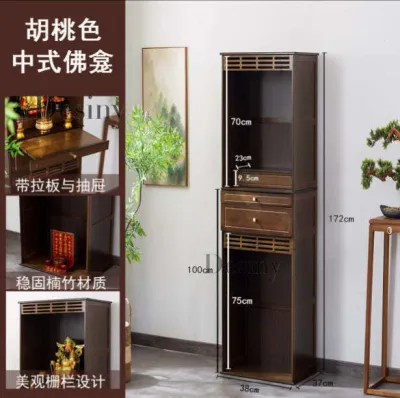
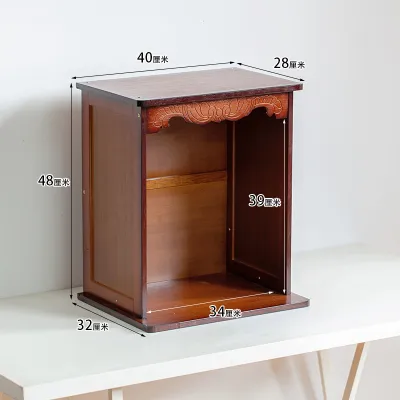
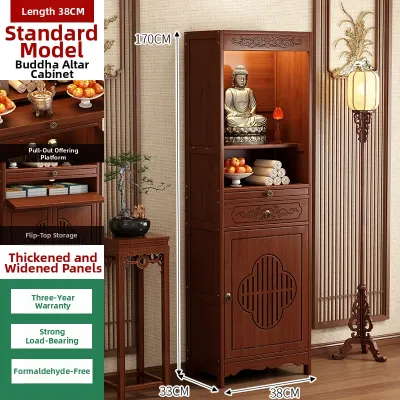
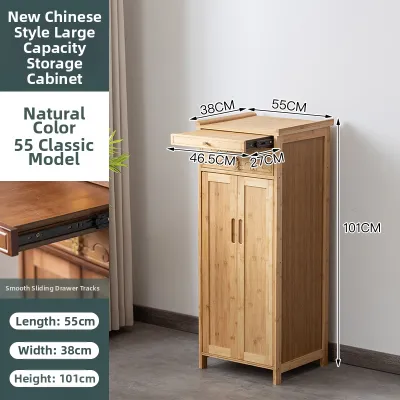
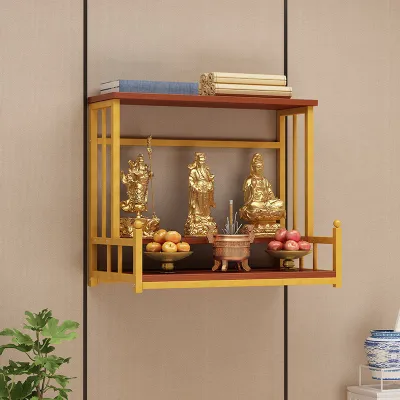
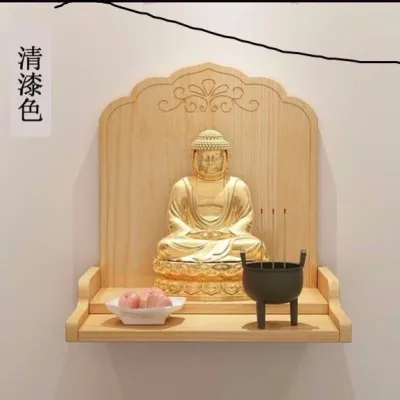
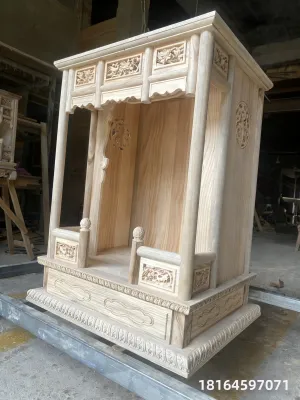
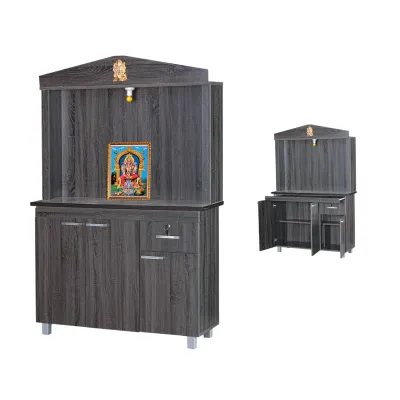
Prices are valid at publication and may change. Please refer to the product page for the latest price.
Solid hardwood remains the gold standard for high-end prayer cabinets due to its natural density and structural stability. Premium species such as teak, rosewood, and solid oak are highly sought after because they contain natural oils that repel pests and resist moisture penetration. When sourcing solid wood, it is essential to verify that the timber has undergone a rigorous kiln-drying process. Kiln-drying carefully reduces the wood’s internal moisture content to an optimal level—typically between 8% and 12% for indoor use—making it far less susceptible to the dramatic expansion and contraction cycles triggered by Singapore’s climate.
Engineered woods, such as Medium-Density Fibreboard (MDF) and high-grade plywood, are common alternatives that offer excellent resistance to warping because their cross-laminated structures distribute physical stress evenly. However, engineered woods behave differently under heavy loads and high-moisture conditions. Plywood bonded with water-resistant resins performs exceptionally well in humid environments, whereas standard MDF can swell permanently if exposed to direct water spills or high local humidity. If opting for an engineered wood cabinet, ensure it is finished with high-pressure laminates or thick wood veneers to seal the core material from atmospheric moisture.
Joinery, Hardware, and Structural Integrity
The structural integrity of a prayer cabinet is determined by how its components are held together. Traditional joinery techniques, such as mortise-and-tenon or dovetail joints, do not rely on metal screws or plastic brackets. Instead, they use interlocking wooden pieces that distribute weight naturally across the frame. This method allows the wood to breathe and shift slightly with temperature changes without loosening the structural connections, ensuring the cabinet remains stable for generations.
In contrast, modern mass-produced cabinets often rely on mechanical fasteners like cam locks, dowels, and steel screws. While these components allow for rapid assembly and lower production costs, they can loosen over time under constant weight or frequent use. When inspecting a cabinet, examine the rear panel and the undersides of shelves; high-quality construction avoids visible plastic brackets or staples in favor of recessed grooves and solid wooden supports.
Hardware quality is equally critical, particularly for cabinets featuring pull-out prayer trays, drawers for incense, or heavy glass doors. A functional prayer cabinet must support the weight of heavy brass incense burners, bronze statues, and daily offerings. Look for heavy-duty, soft-close drawer slides and soft-close hinges rated for high load capacities. Poorly manufactured hardware will sag under the weight of ritual items, causing drawers to stick and doors to misalign, which compromises both the utility and the dignity of the altar.
Finishing and Detailing
A cabinet’s finish serves as its primary defense against the unique environmental hazards of a prayer space: hot ash, incense smoke, oil splatters, and daily cleaning. Traditional lacquers and polyurethane varnishes create a hard, impermeable barrier over the wood surface. A high-quality polyurethane finish is particularly effective at resisting heat and preventing the yellowing or staining caused by rising incense smoke and oil lamp soot.
Natural oil and wax finishes offer a more matte, organic appearance that highlights the wood’s natural grain. While aesthetically pleasing, these finishes require more frequent maintenance and offer less protection against liquid spills or hot embers. When evaluating a cabinet, run your hand along the edges and carved details; a premium finish will feel smooth and consistent, with no rough patches, bubbles, or pooled lacquer in the crevices of the carvings.
Detailing also serves as an indicator of overall craftsmanship. In high-quality cabinets, hand-carved motifs exhibit depth and crisp, clean lines, whereas low-quality alternatives often feature shallow, machine-stamped patterns with rough, unsanded edges. For modern minimalist designs that eschew carvings, pay close attention to the edge banding on veneered panels. The banding should be seamlessly fused to the core board with no visible glue lines or lifting edges, which are common entry points for moisture.
Comparing Maker Types: Traditional Specialists vs. Custom Carpenters vs. Retail Brands
Traditional Religious Furniture Specialists
Traditional specialists in Singapore operate with a deep understanding of religious ergonomics, cultural heritage, and spiritual guidelines. These workshops, often family-run businesses with decades of experience, design altars that strictly adhere to classical proportions and auspicious measurements. They typically source premium solid hardwoods, such as Burmese teak or African rosewood, and employ artisans trained in traditional joinery and hand-carving.

The primary advantage of choosing a traditional specialist is the uncompromising durability of their products and their absolute respect for religious protocols. They can guide you on the correct heights for specific deities and ensure the structural layout accommodates traditional items like pull-out joss stick trays and hidden storage for ritual implements. However, these cabinets represent a significant financial investment, with prices reflecting the scarcity of solid hardwoods and the labor-intensive nature of hand-crafting. Additionally, their classical, ornate aesthetics may not easily complement minimalist or Scandinavian-style interiors, and custom orders can carry lead times of several weeks or months.
This option is best suited for homeowners who view the prayer cabinet as a permanent, multi-generational heirloom and prioritize strict adherence to traditional religious dimensions and heritage craftsmanship over modern design trends.
Custom Carpentry and Interior Design Studios
For modern apartments, particularly compact HDB flats and condominiums where space is at a premium, custom carpentry studios offer highly tailored solutions. These professionals integrate the prayer cabinet directly into the home’s architectural layout, often creating floating altars, recessed wall niches, or multi-functional cabinetry units that blend seamlessly with surrounding wardrobes or television consoles.
The main benefit of custom carpentry is spatial optimization and aesthetic cohesion. Designers can match the laminates, wood species, and hardware of your prayer cabinet to the exact design theme of your living room or study. They can also plan sophisticated, concealed electrical layouts for LED spotlights and ventilation systems to manage incense smoke. The trade-off, however, is that general interior contractors may lack specialized knowledge regarding religious ergonomics, auspicious dimensions, or the specific heat-resistance requirements of a prayer altar. You must actively supervise the design process, providing the carpenter with precise dimensions and material specifications.
Custom carpentry is ideal for homeowners who require space-saving, highly integrated solutions and wish to maintain a unified, modern interior design language throughout their living space.
Mass-Market and Modular Furniture Retailers
Mass-market retailers and modular furniture brands provide ready-made, highly accessible prayer cabinets that cater to contemporary tastes. These units often feature clean lines, neutral color palettes, and minimalist silhouettes that fit easily into modern homes. They are widely available for immediate purchase and delivery, eliminating the long waiting periods associated with custom builds or traditional workshops.
While these retail options are highly convenient and budget-friendly, they present clear limitations regarding long-term durability and structural capacity. Most mass-market modular furniture is constructed from engineered wood products like particleboard or standard MDF finished with thin paper foils or low-pressure laminates. These materials are highly susceptible to moisture damage in Singapore’s humid climate and have lower load-bearing limits. Overloading a modular shelf with heavy brass statues or ceramic offering bowls can cause the structure to bow or sag over time. Furthermore, these cabinets rarely feature specialized elements like pull-out trays or heat-resistant surfaces.
This category is best suited for renters who require temporary or easily transportable setups, individuals on a strict budget, or those who prefer a simple, modern aesthetic and are willing to replace the cabinet after a few years of use.
Essential Verification Checks Before Purchasing or Commissioning
Before finalizing your purchase or signing a carpentry contract, you must perform several critical verification checks to ensure the cabinet is safe, functional, and compliant with local housing guidelines.
First, perform spatial and ergonomic checks. Measure the designated installation area carefully, accounting not just for the cabinet’s footprint, but also for the clearance required to open doors, pull out trays, and stand or kneel comfortably during prayers. Ensure the cabinet does not obstruct main walkways, entryways, or household shelter doors, which must remain completely clear under Singapore’s civil defense regulations.
Second, address electrical and lighting safety. Built-in lighting is a popular feature for modern prayer cabinets, but it requires careful planning to prevent fire hazards. Ensure any integrated LED fixtures are low-voltage, low-heat units that will not dry out the wood or overheat the statues placed nearby. Check that all electrical components, drivers, and wiring carry recognized safety certifications, such as the Enterprise Singapore Safety Mark. Never route electrical cables tightly behind heavy wooden panels where they can pinch, overheat, or become inaccessible. If your design requires fixed wiring or a dedicated electrical point behind the cabinet, always isolate the main power source before installation and hire a licensed electrical worker (LEW) to perform the connection.
Third, evaluate load-bearing capacity and installation requirements, particularly for wall-mounted or floating prayer cabinets. Singapore’s residential walls vary significantly: structural walls are typically solid concrete, while internal partition walls in newer HDB flats are often hollow drywall or lightweight concrete panels. A heavy solid-wood cabinet loaded with brass statues can easily pull out of drywall if not anchored correctly. Verify the wall type before installation. For concrete walls, use heavy-duty steel expansion anchors; for drywall, ensure the cabinet is anchored directly into the internal metal studs using specialized toggle bolts. Always check the manufacturer’s maximum weight limits and adhere to HDB renovation guidelines regarding wall drilling and structural loads. If the cabinet is exceptionally heavy or positioned high on the wall, professional installation is strongly recommended to prevent catastrophic structural failure.
Maintaining Craftsmanship and Durability in a Tropical Climate
Once your prayer cabinet is installed, proactive maintenance is essential to preserve its finish and structural integrity against Singapore’s challenging climate.
To manage humidity and temperature fluctuations, avoid placing the cabinet directly under or opposite air-conditioning vents. The blast of cold, dry air followed by periods of warm, humid air when the system is turned off causes rapid wood movement, leading to cracks and joint separation. Similarly, keep the cabinet away from windows where direct, intense afternoon sunlight can fade the finish, dry out the wood, and cause veneers to lift. If the room is prone to dampness, consider using a small, silent dehumidifier or moisture-absorbing canisters inside the cabinet’s lower storage compartments.
Cleaning incense residue and soot requires a gentle approach. Over time, burning incense and oil lamps will deposit a fine layer of oily residue on the cabinet’s surfaces. Avoid using harsh chemical solvents, bleach, or abrasive scrubbing pads, which will strip away protective lacquers and scratch the wood. Instead, wipe the cabinet weekly with a dry, lint-free microfiber cloth to remove dust. For stubborn soot buildup, use a slightly damp microfiber cloth with a highly diluted, pH-neutral wood soap. Immediately follow with a dry cloth to ensure no moisture remains on the surface.
Finally, establish a routine hardware inspection schedule. Every six months, open all doors and drawers fully to check for smooth operation. Use a screwdriver to gently tighten any loose hinges, handle screws, or drawer slides. For wall-mounted cabinets, inspect the junction between the cabinet backplate and the wall surface; if you detect any hairline gaps, sagging, or movement, immediately remove all heavy items from the altar and contact a professional installer to re-verify the structural anchors.
Frequently Asked Questions (FAQ)
What are the standard dimensions for a prayer cabinet according to traditional guidelines?
Traditional Chinese prayer cabinets are typically designed using the Lu Ban ruler (Lu Ban Chi), a specialized measuring tool marked with alternating zones of auspicious and inauspicious dimensions. While there is no single universal size, standard widths often align with auspicious measurements such as 81 cm (signifying wealth), 107 cm (signifying prosperity), or 126 cm (signifying abundant blessings). The depth and height are similarly calculated based on the specific deities or ancestors being venerated. Because requirements vary widely across different dialect groups, religious traditions, and personal family practices, you should consult with a traditional specialist or a trusted religious advisor before finalizing the dimensions of your cabinet.
Can I install a wall-mounted prayer cabinet in an HDB flat?
Yes, you can install a wall-mounted prayer cabinet in an HDB flat, provided you adhere strictly to safety and structural guidelines. You must first identify whether the target wall is a load-bearing concrete wall or a non-structural partition wall (such as drywall). Heavy solid-wood cabinets must be mounted onto concrete walls using heavy-duty masonry anchors. If mounting onto drywall, you must locate the internal metal framing studs and secure the cabinet directly to them using appropriate toggle bolts; never rely on drywall plaster alone to support a heavy altar. Always verify the manufacturer’s maximum weight capacity, account for the weight of your statues and offerings, and ensure the installation complies with HDB renovation regulations. For safety and peace of mind, hire a qualified professional installer to mount the unit.
Community discussion
Share your experience or ask a question. Comments are reviewed before publication.