
Finding the ideal rechargeable desk lamp for daily study in Singapore requires balancing two critical factors: how long the battery lasts on a single charge and whether the light quality protects your eyes during extended reading sessions. Because specific brand rankings and real-time model specifications fluctuate, there is no single universal winner. Instead, the best choice depends on matching verified battery capacity and illumination metrics to your specific study environment and habits. This guide breaks down how to evaluate and compare popular rechargeable desk lamp brands available in Singapore, helping you identify the right combination of runtime and light quality for your needs.
In compact Singaporean living spaces, a rechargeable lamp offers the flexibility to study at a dedicated desk, a dining table, or even a quiet corner of the living room without being tethered to a wall outlet. However, selecting a model based solely on aesthetics can lead to rapid battery depletion or insufficient illumination that causes eye strain. By understanding how to read product labels and verify technical specifications, you can make an informed decision that supports both your productivity and your visual health.
Evaluating Battery Life and Real-World Runtime
When comparing rechargeable desk lamps, the battery capacity is typically measured in milliampere-hours (mAh). A higher mAh rating generally indicates a larger energy reservoir, but actual runtime depends heavily on the brightness level you select during use. For instance, a lamp with a 2000 mAh battery might offer up to forty hours of light on its lowest, warmest setting, but this runtime can drop to just three or four hours when the lamp is pushed to its maximum brightness for intensive reading.
Products mentioned in this guide
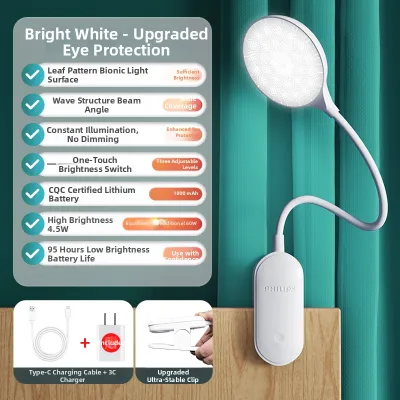
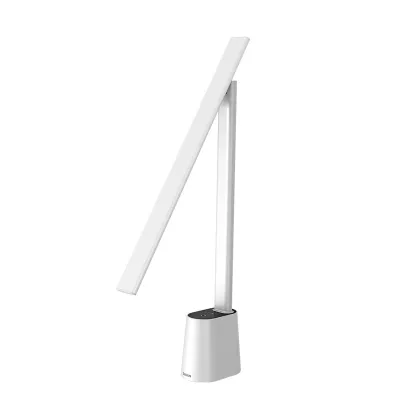
![[SG Local Stock] 2000mAh LED Table Lamp Study Foldable Desk Light Bedroom Bedside Touch Control Dimmable USB Rechargeable 台灯 CNY Gift Present](https://img.lazcdn.com/g/p/254b9aa79170e7ac80d5ab37505c1212.jpg_400x400q80.jpg_.webp)
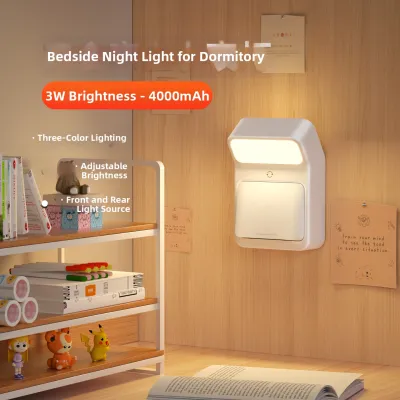
![[✅SG Ready Stock]Portable Night Light Bedside Table Lamp Rechargeable Touch Lamp Bedroom Ambient Light Hanging Lamp With Adjustable Brightness Changeable Colors Timer for Home/Bedroom/Office/Hallways](https://img.lazcdn.com/g/p/d42db546b92dba47d23e7546418a6e47.jpg_400x400q80.jpg_.webp)
Prices are valid at publication and may change. Please refer to the product page for the latest price.
To estimate real-world performance, you should check the product specifications for the rated power consumption (measured in watts) alongside the battery capacity. A higher wattage draw will deplete the battery faster. When evaluating different brands, look for detailed runtime charts on the packaging or product listings that specify estimated hours for each brightness level, rather than relying on a single, maximum runtime claim that only applies to the lowest dimming level.
Charging interfaces and speeds are equally important for daily convenience. Modern rechargeable lamps increasingly feature USB-C ports, which align with standard Singaporean household chargers and allow you to power the device using a laptop, a wall adapter, or a portable power bank. Avoid proprietary charging cables where possible, as finding a replacement in local retail stores can be difficult if the original cable is lost or damaged.
Battery longevity and safety are critical considerations for any rechargeable device. Lithium-ion batteries naturally degrade over time, losing capacity after repeated charge cycles. To ensure long-term reliability, verify whether the lamp features built-in overcharge and over-discharge protection. These safety circuits prevent the battery from overheating or swelling when left plugged into a charger for extended periods.
Because manufacturer runtime estimates are often calculated under ideal laboratory conditions, it is wise to cross-reference these claims with user reviews on major ecommerce platforms. Look for feedback from local buyers who share their experiences regarding how long the lamp remains functional at maximum brightness during actual study sessions. This real-world data provides a more accurate picture of daily performance than promotional specifications.
Checking Light Quality and Eye Comfort Metrics
Illumination quality is determined by several key metrics, starting with illuminance, which is measured in Lux. For comfortable reading and writing, a desk lamp should provide adequate illuminance over your entire workspace. Check the product specifications to see if the manufacturer provides a Lux distribution map, which shows how evenly the light spreads across a surface. Poor light uniformity forces your eyes to constantly adjust between bright and dark zones, leading to rapid fatigue.

Color Rendering Index (CRI), represented as Ra, measures how accurately a light source reveals the true colors of objects compared to natural daylight. For study purposes, aim for a lamp with a CRI of Ra 90 or higher. A high CRI ensures that textbooks, colored diagrams, and handwritten notes appear vivid and accurate, which reduces visual strain and helps maintain focus during long study sessions.
Color temperature, measured in Kelvin (K), significantly influences your alertness and comfort. Adjustable color temperature is a highly desirable feature in a study lamp. A cool white light of around 5000K to 6500K is ideal for daytime focus and detailed tasks, while a warm white light of around 2700K to 3000K is gentler on the eyes during late-night revision and helps your body transition naturally into sleep.
Flicker-free performance and glare reduction are essential for preventing headaches and eye strain. Even invisible high-frequency flickering can cause cumulative fatigue over hours of study. You can verify flicker-free claims by looking for official certifications on the product label. Additionally, examine the physical design of the lamp head; models with honeycomb diffusers or frosted lenses help scatter the light evenly, minimizing direct glare on your desk surface and computer screens.
Comparing Popular Rechargeable Lamp Brands Available in Singapore
Rechargeable desk lamps available in Singapore generally fall into three distinct categories, each defined by a specific design philosophy and set of priorities. Understanding these categories helps you narrow down your choices based on what matters most for your study routine.
Tech and accessory brands typically focus on modern, minimalist designs, highly compact form factors, and seamless integration with modern charging standards. These brands excel at creating highly portable lamps with intuitive touch controls, smart features, and universal USB-C ports. They are ideal for students who need a flexible light source that can easily move between different rooms or fit into a backpack for study sessions outside the home.
Traditional lighting brands bring decades of optical engineering experience to their products. They generally prioritize eye-care certifications, robust build quality, and highly uniform light distribution. While their designs may be slightly larger or less portable, they focus heavily on minimizing flicker and ensuring consistent light quality over years of use. These lamps are excellent for dedicated study desks where optical safety is the absolute priority.
Specialty study lamp brands focus specifically on educational and professional environments. They often offer exceptionally high Lux outputs, advanced color rendering capabilities, and specialized features like built-in study timers or automatic brightness sensors that adjust to ambient room light. These brands tend to sit at a premium price point but offer the most precise control over your lighting environment.
To make a direct side-by-side assessment of specific models you find online or in local retail stores, you can use the following comparison framework to organize your findings:
| Brand & Model | Battery Capacity (mAh) | Max Brightness (Lux) | Color Rendering Index (CRI) | Charging Interface | Key Certifications |
|---|---|---|---|---|---|
| Example Model A | e.g., 2000 mAh | e.g., 500 Lux | e.g., Ra 90 | e.g., USB-C | e.g., Flicker-Free |
| Example Model B | e.g., 4000 mAh | e.g., 800 Lux | e.g., Ra 95 | e.g., USB-C | e.g., Safety Mark |
| Example Model C | e.g., 1800 mAh | e.g., 400 Lux | e.g., Ra 80 | e.g., Micro-USB | e.g., CE Certified |
Decision Framework: Matching Brands to Your Study Needs
To choose the right rechargeable desk lamp, you must align the characteristics of these brand categories with your primary use case, physical environment, and budget.
Choose a traditional lighting brand if your priority is long, uninterrupted study sessions at a fixed desk. The emphasis on optical safety, wide light distribution, and certified eye comfort makes these lamps the ideal choice for students who spend hours reading physical textbooks and writing notes, where minimizing eye strain is non-negotiable.
Choose a tech-focused brand if portability and versatility are your main requirements. These models are perfect if you frequently move your study setup around the house, have limited desk space, or want a lamp that can easily run off a portable power bank during a power outage or while traveling.
Choose a specialty brand if you require exceptionally high illuminance and precise color accuracy for detailed tasks such as drafting, illustration, or design work. These lamps are worth the premium investment if your academic or professional work demands the highest standards of visual clarity and customizable control.
Before finalizing your purchase, always verify the physical footprint of the lamp to ensure it fits comfortably on your desk without causing clutter. Check the clamp or base type to ensure stability on your specific furniture. Finally, verify that the lamp’s electrical specifications, voltage compatibility, and safety certifications match Singaporean safety standards, especially if you plan to keep the lamp plugged into a wall adapter for extended periods.
Frequently Asked Questions (FAQ)
How long do rechargeable desk lamp batteries typically last before needing replacement?
Most rechargeable desk lamps use lithium-ion batteries, which typically last between two to three years, or approximately 300 to 500 full charge cycles, under normal usage conditions. Over time, you will notice gradual battery degradation, which manifests as shorter runtimes on a single charge or the lamp failing to reach its maximum brightness level. To maximize the lifespan of the battery, avoid exposing the lamp to extreme heat and try to prevent the battery from draining completely to zero percent before recharging.
Can I leave my rechargeable desk lamp plugged in while studying?
Yes, most modern rechargeable desk lamps feature built-in battery management systems that automatically stop charging once the battery is full, allowing you to use the lamp safely while it is plugged into a power source. However, keeping the battery constantly at one hundred percent charge while exposed to the heat generated by the LED light source can accelerate battery degradation over time. To maintain optimal battery health, it is recommended to occasionally run the lamp on battery power and refer to the manufacturer’s specific guidelines regarding continuous plug-in use.
Community discussion
Share your experience or ask a question. Comments are reviewed before publication.