
While premium and mass-market reed diffuser brands market varying lifespan claims, actual fragrance longevity depends on the solvent base, reed material, and room environment rather than just the brand name. There is no single brand that universally outlasts all others in every setting. To make an informed purchase decision, choose alcohol-based formulations for a stronger initial scent throw, oil-based alternatives for slower and more subtle evaporation, and always verify the manufacturer’s volume-to-time specifications against your specific indoor conditions. By understanding the science of evaporation and diffusion, you can select a product that matches your expectations for both scent intensity and duration.
Core Formulation Factors That Determine Longevity
The longevity of any reed diffuser is fundamentally dictated by its chemical composition and the physical components used to wick the liquid. When comparing different brands, the first element to examine is the solvent base, which acts as the carrier for the fragrance. Alcohol-based diffusers utilize volatile alcohols that evaporate rapidly, lifting the fragrance molecules into the air to create a highly noticeable, immediate scent throw. However, this rapid evaporation means the liquid level depletes much faster, often requiring more frequent refills or replacements.
In contrast, oil-based or water-based alternatives rely on slower-evaporating carriers such as dipropylene glycol, 3-methoxy-3-methyl-1-butanol, or light vegetable-derived oils. These formulations release the fragrance at a more gradual, controlled rate, resulting in a subtle and consistent scent profile that can last several weeks longer than alcohol-heavy counterparts. While the initial scent throw may feel less intense, the overall lifespan of the product is significantly extended.
Products mentioned in this guide
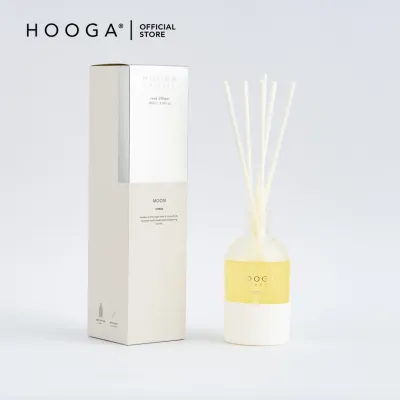
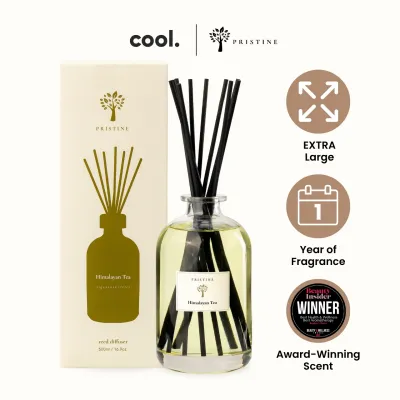
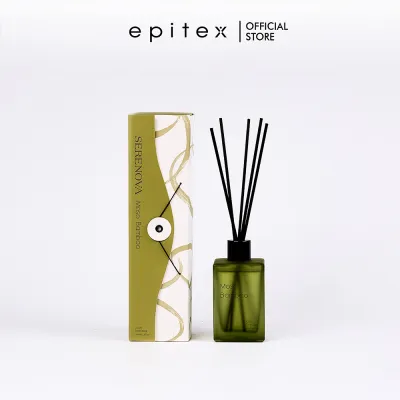
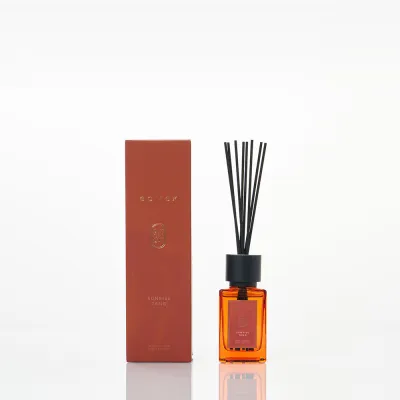

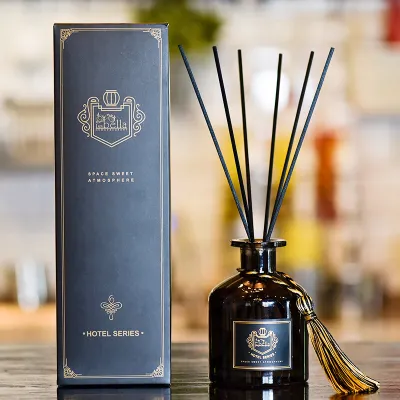
![[6 NEW SCENTS] Hooga Black Series Reed Diffuser 200ml](https://img.lazcdn.com/g/p/1ffd8c3f6be39df0f302c26adff3be23.jpg_400x400q80.jpg_.webp)
Prices are valid at publication and may change. Please refer to the product page for the latest price.
Fragrance oil concentration also plays a critical role in determining both scent strength and liquid lifespan. The ratio of pure essential oils or synthetic fragrance compounds to the carrier solvent varies widely between brands. A higher concentration of fragrance oils generally produces a more robust aroma, but if the carrier solvent is highly volatile, the diffuser will still empty quickly. Conversely, a well-balanced formulation ensures that the fragrance remains perceptible even as the liquid level slowly declines over several months.
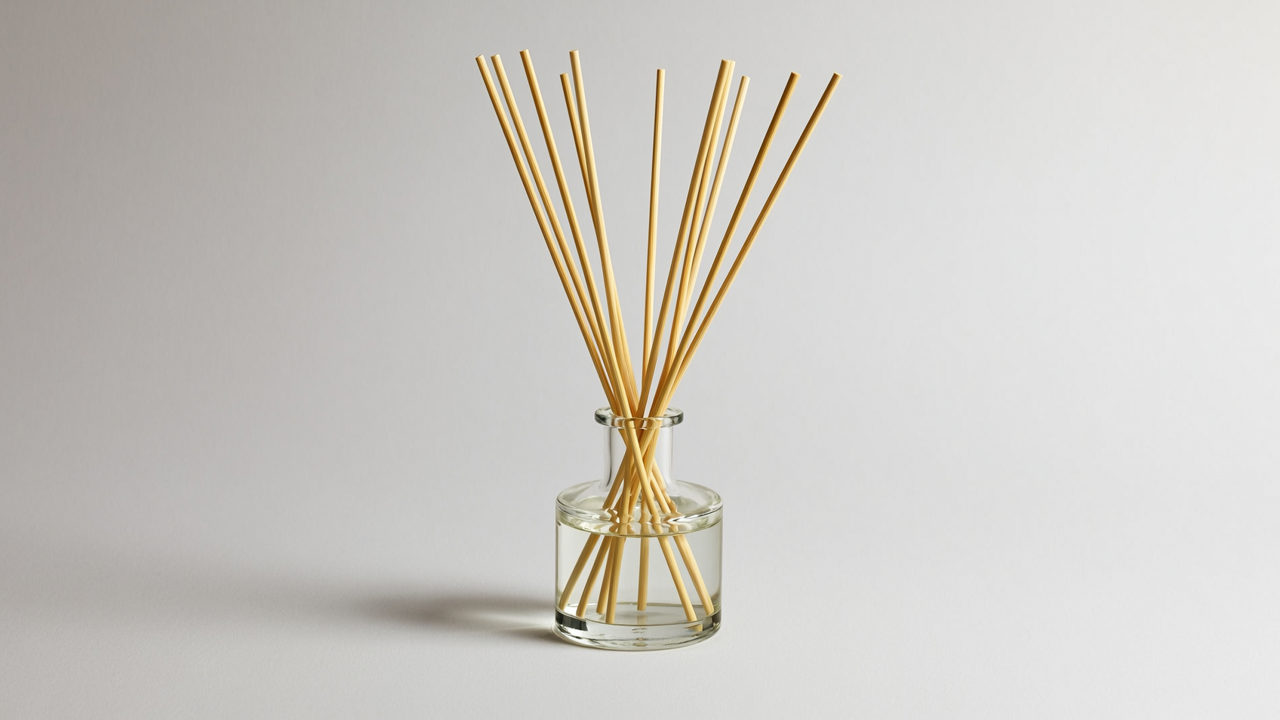
The physical reeds themselves are the final piece of the longevity puzzle. Traditional natural rattan reeds contain tiny, organic channels that draw the liquid upward via capillary action. While effective, rattan is prone to clogging over time as dust accumulates or heavy fragrance oils saturate the pores. Synthetic fiber reeds, made from engineered polyester or nylon blends, offer a highly consistent wicking rate. They are less susceptible to dust buildup and clog less frequently, though their efficient wicking can sometimes draw liquid out of the vessel slightly faster than natural rattan.
How to Evaluate Brand Lifespan Claims and Specifications
Evaluating manufacturer estimates requires looking past generic marketing claims like “lasts up to three months” and focusing on verifiable product specifications. To establish a realistic expectation of a diffuser’s lifespan, you can calculate a basic volume-to-time ratio. As a general industry standard, a 100ml oil-based diffuser typically lasts between four to eight weeks under average indoor conditions. This translates to an estimated consumption rate of roughly 12ml to 25ml of liquid per week. If a brand promises an exceptionally long lifespan for a small volume, it is essential to verify the carrier base and recommended reed count.
Ingredient transparency is another key indicator of how a diffuser will perform in your home. Responsible brands list their primary carrier solvents and fragrance components on the packaging or product safety sheets. Identifying volatile alcohols or light glycols on the ingredient list allows you to predict the evaporation rate before opening the bottle. If a brand hides its carrier base behind vague terms like “proprietary blend,” you may want to exercise caution, as highly volatile, low-cost solvents can cause the product to disappear much faster than expected.
Furthermore, always pay close attention to environmental disclaimers provided by the manufacturer. Many brands base their longevity estimates on controlled laboratory environments with stable temperatures, moderate humidity, and minimal airflow. Real-world conditions, particularly those with high ambient temperatures or active ventilation systems, will inevitably accelerate evaporation. Recognizing these variables helps you adjust your expectations and choose a diffuser volume that aligns with your specific living space.
Comparison Framework for Evaluating Diffuser Brands
To help you navigate the diverse market of home fragrances, it is helpful to categorize brands into distinct tiers based on their formulation strategies and target performance. The following framework outlines how different brand categories approach the balance between scent throw and longevity.
| Brand Category | Typical Solvent Base | Reed Type | Ideal Room Condition |
|---|---|---|---|
| Luxury Brands | High-quality glycol or specialty eco-solvents with complex essential oils | Premium synthetic fiber or dense rattan | Closed, temperature-controlled spaces (e.g., bedrooms, studies) |
| Mass-Market Brands | Volatile alcohol or light glycol blends with synthetic fragrances | Standard natural rattan | High-traffic areas requiring strong initial scent (e.g., entryways, bathrooms) |
| Eco-Friendly Brands | Bio-based, non-toxic soy or glycerin-derived carriers | Natural rattan or sustainably sourced wood | Well-ventilated, moderate-temperature spaces |
When assessing the true value of a reed diffuser, look beyond the initial retail price and calculate the S$ per milliliter ratio. For example, a premium diffuser priced at S$60 for 100ml costs S$0.60 per ml, while a mass-market option priced at S$20 for 150ml costs approximately S$0.13 per ml. By comparing this ratio alongside the estimated weekly consumption rate, you can determine whether a higher-priced brand offers genuine longevity or if you are primarily paying for brand prestige and packaging design.
This comparison also highlights common trade-offs in the industry. Luxury brands often prioritize complex, multi-layered fragrance profiles featuring delicate top, middle, and base notes. These intricate formulations may degrade or evaporate unevenly over time, prioritizing a high-end sensory experience over maximum duration. On the other hand, mass-market brands frequently focus on high-volume, single-note synthetic fragrances designed specifically to resist degradation and maximize physical longevity at a lower price point.
Environmental and Usage Variables in Singapore
Regardless of the brand you choose, local environmental factors play a massive role in how quickly a reed diffuser evaporates. In Singapore, the tropical climate and widespread use of indoor climate control create unique challenges for home fragrance products. The constant alternation between air conditioning and natural ventilation significantly alters liquid consumption rates and scent throw.
When air conditioning is running, the indoor air becomes cool and dehumidified. This dry environment can accelerate the evaporation of water- or alcohol-based carrier solvents, causing the liquid level to drop faster than expected. However, because air-conditioned rooms are typically kept closed, the scent throw remains concentrated within the space. Conversely, relying on natural ventilation introduces high ambient humidity, which can slow down the physical evaporation of certain glycol-based carriers. However, the constant movement of warm air through open windows can quickly disperse the fragrance out of the room, making the diffuser seem less effective despite the liquid lasting longer.
Airflow and physical placement within the home are equally influential. Placing a reed diffuser directly beneath a ceiling fan, adjacent to an air conditioning ledge, or near an open window increases air circulation across the exposed reeds. While this maximizes the scent throw and ensures the fragrance reaches every corner of the room, it also dramatically accelerates the rate at which the liquid is drawn up and evaporated. High-traffic areas, such as busy hallways or entryways, also experience constant air movement from passing foot traffic, which pulls scent from the reeds at an accelerated pace.
Temperature fluctuations also directly impact brand performance. Positioning a diffuser on a sunny windowsill, near heat-emitting electronics like television consoles and internet routers, or in a warm kitchen exposes the liquid to elevated temperatures. This heat increases the kinetic energy of the molecules, leading to rapid, uncontrolled evaporation. Furthermore, prolonged exposure to heat and direct sunlight can degrade delicate fragrance oils, causing the scent to alter, lose its top notes, or turn sour long before the liquid is fully depleted.
Maintenance, Refreshing, and Replacement Signals
To maximize the lifespan of any reed diffuser brand and ensure you get the most value from your purchase, implementing a consistent maintenance routine is essential. One of the simplest ways to manage scent throw is by establishing a mindful reed flipping schedule. Rotating the reeds introduces the saturated ends to the air, providing an immediate boost in fragrance intensity. However, flipping them too frequently—such as every day—will cause the dry ends to absorb liquid rapidly, accelerating the overall depletion of the diffuser. A balanced approach is to flip the reeds once every one to two weeks, or only when you notice the fragrance beginning to fade.
Conducting regular visual and olfactory checks will help you identify when your diffuser requires attention. Over time, airborne dust, pet dander, and household oils will settle on the exposed portions of the reeds, blocking the microscopic pores that allow the liquid to travel upward. If you notice that the liquid level has stopped dropping but the scent has vanished, or if the reeds appear dusty and dry, they are likely clogged. Additionally, check the color of the liquid; if it has turned dark, cloudy, or highly viscous, the fragrance oils have likely oxidized, indicating that the product has reached the end of its effective lifespan.
When the diffuser is finally depleted or the remaining liquid has degraded, proper disposal and cleaning are necessary before introducing a refill. Do not simply pour new fragrance oil into a dusty, residue-coated vessel, as this will contaminate the fresh liquid and ruin its scent profile. Empty any remaining degraded oil safely, then wash the glass bottle thoroughly with warm, soapy water followed by a rinse with isopropyl alcohol to dissolve stubborn oil residues. Allow the vessel to dry completely before adding a dedicated refill and, crucially, a brand-new set of reeds to ensure optimal wicking performance.
Frequently Asked Questions (FAQ)
Does adding more reeds make the fragrance last longer?
No, adding more reeds does not make the fragrance last longer; in fact, it has the opposite effect. While increasing the number of reeds expands the surface area available for diffusion—resulting in a stronger, more intense scent throw—it also accelerates the rate at which the liquid is drawn out of the bottle. If you want to extend the lifespan of your diffuser in a smaller room, consider using fewer reeds to slow down evaporation.
Can I mix different reed diffuser brands or refill with another brand's oil?
It is highly discouraged to mix different reed diffuser brands or pour a new brand’s refill oil into an uncleaned vessel containing residue from another product. Different brands utilize distinct solvent bases, carrier oils, and chemical emulsifiers. Mixing them can cause chemical incompatibility, leading to cloudiness, separation of ingredients, or a completely altered scent profile. Always clean the vessel thoroughly and use dedicated refills from the same manufacturer.
Why does my reed diffuser stop smelling even when there is liquid left?
A reed diffuser may stop smelling despite having liquid left due to either olfactory fatigue or clogged reeds. Olfactory fatigue, commonly known as nose blindness, occurs when your brain acclimates to a constant background scent, making it seem as though the diffuser has stopped working. Alternatively, the microscopic channels in the reeds can become clogged with household dust or heavy carrier oils over time, preventing the liquid from wicking. Try moving the diffuser to a different room or replacing the old reeds with a fresh set to resolve the issue.

Community discussion
Share your experience or ask a question. Comments are reviewed before publication.