
Finding the perfect reed diffuser for your home in Singapore involves balancing immediate fragrance impact with long-term value. While many shoppers assume that a higher price tag automatically guarantees a stronger scent throw or a longer lifespan, the reality is highly conditional. A diffuser’s performance is dictated primarily by its chemical formulation, the physical properties of its reeds, and the specific environmental conditions of the room it occupies.
In a typical Singaporean home—where closed, air-conditioned spaces alternate with humid, naturally ventilated rooms—the same bottle can behave in vastly different ways. To find the best value for your living space, you must look beyond brand marketing and evaluate the underlying specifications of the carrier liquids, reed materials, and bottle designs. This guide establishes a practical framework to help you compare market categories and select a diffuser that delivers consistent, pleasant fragrance without premature evaporation.
Understanding What Controls Scent Throw and Longevity
To make an informed choice, it is essential to understand how the physical and chemical components of a reed diffuser interact with your home’s atmosphere. The base liquid, or carrier, serves as the vehicle for the fragrance oils and directly dictates how quickly the mixture evaporates. Alcohol-based carriers evaporate rapidly, which often results in a highly intense initial scent throw that projects across a larger area, though this comes at the expense of overall longevity. Conversely, oil-based carriers, such as glycol ethers or natural carrier oils, evaporate at a much slower, more controlled rate. This slower evaporation extends the lifespan of the diffuser, though the scent throw may feel more localized and subtle.
Products mentioned in this guide
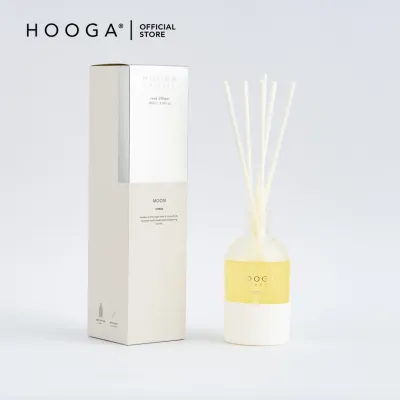
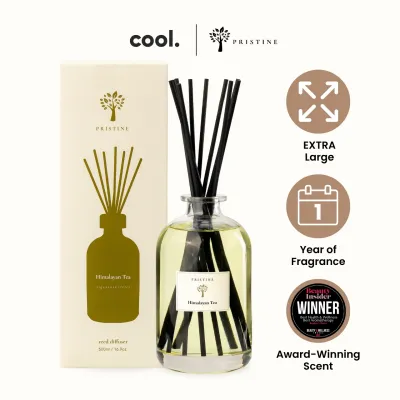
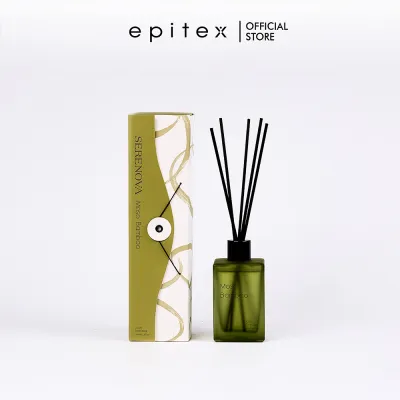
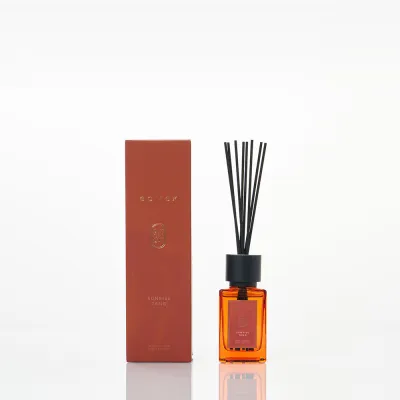

![[6 NEW SCENTS] Hooga Black Series Reed Diffuser 200ml](https://img.lazcdn.com/g/p/1ffd8c3f6be39df0f302c26adff3be23.jpg_400x400q80.jpg_.webp)
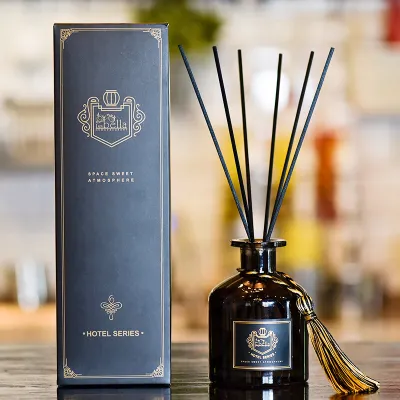
Prices are valid at publication and may change. Please refer to the product page for the latest price.
The reeds themselves act as the delivery system, drawing the liquid upward through capillary action. Natural rattan reeds contain tiny, open channels that absorb oil gradually, making them highly compatible with traditional formulations, though they can become clogged over time by dust or heavy fragrance molecules. Synthetic fiber reeds, on the other hand, are engineered with highly uniform pores that pull liquid upward more aggressively, often yielding a stronger and more consistent scent throw but accelerating the consumption of the liquid.
Environmental factors in Singapore play a massive role in how these materials behave. High ambient humidity can slow down the evaporation of water-soluble components while simultaneously causing natural rattan reeds to swell, potentially restricting the flow of fragrance. Conversely, placing a diffuser directly in the path of a dry, cool draft from an air conditioner will dramatically speed up evaporation, pulling the liquid out of the bottle much faster than the manufacturer’s estimate.
How to Read Labels and Evaluate Diffuser Specifications
When browsing options in-store or on an online marketplace, you can assess a diffuser’s potential performance by examining its packaging and physical design. Start by checking the ingredient list for the type of carrier used. Look for terms indicating the base formulation; products that highlight low-volatility, non-flammable glycol bases generally offer a more stable evaporation rate than those relying heavily on denatured alcohol or volatile organic solvents. If the ingredients are not fully disclosed, a quick check of the safety warnings can offer clues, as highly flammable warnings often point to a high alcohol content.

The physical shape of the bottle is another critical, yet frequently overlooked, factor in longevity. A bottle with a wide neck exposes a larger surface area of the liquid directly to the air, allowing passive evaporation to occur straight from the bottle’s surface rather than through the reeds. For maximum lifespan, look for bottles with narrow openings or those fitted with a collar that seals tightly around the reeds, ensuring that evaporation is restricted almost entirely to the exposed portions of the reeds themselves.
Finally, evaluate the ratio of reeds to the volume of liquid provided. A standard 100ml bottle typically requires five to eight reeds to achieve an optimal balance between scent distribution and evaporation speed. If a package includes very few reeds, or if the reeds are exceptionally thin and short, the diffuser may struggle to project fragrance in anything larger than a small powder room. Ensure the reed length is roughly double the height of the bottle to allow for proper capillary draw and air exposure.
Comparing Reed Diffuser Market Categories in Singapore
The Singapore market features a diverse array of reed diffusers, which can be broadly categorized into three distinct tiers based on their formulation complexity, price points, and intended use cases. Understanding these categories allows you to align your budget with your performance expectations.
Luxury and niche brands occupy the premium segment of the market, typically commanding higher S$ prices. These products generally utilize highly complex, multi-layered fragrance profiles created by professional perfumers, often featuring a high concentration of pure essential oils or premium synthetic aromatics. Because they prioritize aesthetic appeal and sensory depth, they usually come in heavy, custom-designed glass vessels and include high-grade synthetic or thick rattan reeds. While their scent throw is often sophisticated and far-reaching, their longevity is highly dependent on the specific carrier oil used, which you should verify via the product specifications.
Mass market and accessible brands offer standardized, highly consistent formulations at budget-friendly S$ price points. These diffusers are widely available on ecommerce platforms and in home decor retail chains. They typically rely on simpler, single-note or dual-note synthetic fragrances carried in alcohol or standard solvent bases. While they provide a reliable and immediate scent throw that is highly effective for masking household odors, they tend to evaporate more quickly, requiring more frequent refills or replacements.
Local and artisan brands have grown significantly in popularity, offering mid-range S$ pricing and unique scent profiles tailored specifically to regional preferences, such as orchid, pandan, or white tea blends. These makers often use eco-friendly, bio-based carriers that evaporate slowly in tropical climates. Because these are often produced in smaller batches, the formulations can vary, making it important to check user reviews or ask the maker directly about the base ingredients and expected lifespan.
| Market Category | Typical S$ Price Range | Scent Throw Characteristics | Expected Longevity | Ideal Use Case |
|---|---|---|---|---|
| Luxury & Niche | Premium / High | Complex, multi-layered, wide projection | 3 to 6 months (dependent on base) | Living rooms, spacious entryways, or as decorative gifts |
| Mass Market | Budget-friendly / Low | Direct, simple, moderate to strong initial throw | 1 to 2 months (rapid evaporation) | Bathrooms, utility areas, or high-traffic zones |
| Local & Artisan | Mid-range | Regional, botanical, moderate and steady throw | 2 to 4 months (stable bases) | Bedrooms, study rooms, or for localized tropical scents |
How to Maximize Fragrance Performance and Lifespan
Regardless of the brand or category you choose, proper maintenance is the key to getting the most out of your investment. To maintain a consistent scent throw, you should flip the reeds periodically. Flipping them once every one to two weeks is generally sufficient to refresh the fragrance; doing so too frequently will accelerate the rate at which the liquid is consumed. When flipping, always use a tissue to grasp the reeds to avoid getting oil on your skin, and wipe any drips off the bottle immediately to prevent damage to your furniture’s finish.
Placement is equally critical to both performance and safety. To prevent the liquid from evaporating prematurely, keep the diffuser away from direct sunlight, heat sources, and areas with high thermal fluctuation, such as the top of a refrigerator or near a kitchen stove. Avoid placing the bottle directly under an air conditioning vent or next to an open window where strong drafts will strip the moisture from the reeds too quickly. Instead, position the diffuser in an area with gentle, natural air circulation, such as on a console table near the center of the room, allowing the moving air to carry the scent naturally throughout the space.
Over time, you will notice the scent throw beginning to fade even if there is still liquid left in the bottle. This is usually a sign that the reeds have become saturated with dust, humidity, or heavy oil molecules, clogging their microscopic pores. If the liquid level is still high but the fragrance has diminished, replace only the reeds with a fresh set rather than discarding the entire unit. Conversely, if the liquid has completely evaporated, it is highly economical to purchase a liquid refill rather than a brand-new glass vessel, allowing you to reuse your existing bottle after a thorough rinse.
Decision Framework: Choosing the Right Diffuser for Your Needs
To select the ideal reed diffuser for your home, match your specific spatial requirements and personal preferences to the characteristics of each market category. If you are looking to scent a large, open-plan living area and appreciate complex, evolving fragrance notes that double as a design statement, investing in a luxury or niche diffuser is highly justified. These premium options provide the depth and aesthetic presence required for prominent spaces.
For high-traffic, functional areas like bathrooms, laundry rooms, or shoe cabinets, mass-market diffusers offer excellent value. Their straightforward, strong scent profiles are highly effective at neutralizing localized odors, and their lower S$ price point makes the necessary frequent replacements highly manageable.
If you prefer subtle, comforting scents that evoke local flora and want a balanced, long-lasting performance in medium-sized rooms like bedrooms or home offices, local artisan brands represent an excellent middle ground. Their formulations are often optimized for Singapore’s humid climate, providing a steady, non-overwhelming throw.
Before making any purchase, always verify the product’s safety labels and ingredient lists, especially if you have pets, young children, or family members with respiratory sensitivities. Certain essential oils, such as tea tree, eucalyptus, and citrus, can be harmful to cats and dogs if inhaled in high concentrations or if the liquid is accidentally contacted. Ensure the diffuser is placed on a stable, elevated surface completely out of reach of children and pets to prevent accidental spills or ingestion.
Frequently Asked Questions (FAQ)
Are synthetic fiber reeds better than natural rattan reeds?
Synthetic fiber reeds and natural rattan reeds serve different performance needs. Synthetic fiber reeds are engineered with highly uniform, porous structures that absorb and release fragrance liquid much more rapidly and consistently than natural wood. They rarely clog and do not require frequent flipping to maintain their scent throw, making them excellent for those who prefer a strong, low-maintenance fragrance. Natural rattan reeds, however, offer a classic, organic aesthetic and a slower, more gradual diffusion rate. While rattan is highly suitable for lighter, oil-based formulations, it can clog more easily in highly humid environments or when paired with heavy, viscous fragrance oils.
Can I mix different reed diffuser liquids in the same bottle?
It is highly advisable to avoid mixing different reed diffuser liquids in the same bottle. Different brands and product lines utilize distinct chemical bases, carrier solvents, and fragrance oil concentrations. Mixing them can trigger unpredictable chemical reactions, potentially causing the liquids to separate, turn cloudy, or curdle into a thick sludge that completely blocks the reeds. Furthermore, the resulting scent profile is often unbalanced and unpleasant. If you wish to reuse an existing glass bottle for a new fragrance, first empty any remaining liquid, wash the bottle thoroughly with warm soapy water or isopropyl alcohol, let it dry completely, and always use a brand-new set of reeds.
Community discussion
Share your experience or ask a question. Comments are reviewed before publication.