
Finding a reliable table clock for your home in Singapore involves balancing functional accuracy with aesthetic appeal. While a table clock serves as a decorative accent on a bedside table, study desk, or living room console, its primary value lies in its ability to keep consistent, accurate time. In Singapore’s tropical climate, high relative humidity and ambient temperatures can affect electronic circuits and mechanical components over time. Therefore, understanding how different clock movements, power sources, and build materials perform in a home environment is essential for making a lasting purchase. Rather than searching for a single universal brand, the most reliable approach is to evaluate how different brand categories align with your specific room requirements, maintenance preferences, and placement conditions.
Core Dimensions for Comparing Table Clock Reliability
To evaluate table clock reliability, look beyond external design to the internal movement, which determines timekeeping accuracy and longevity. The movement is the most critical factor in how well a clock keeps time and how long it functions before requiring repair.
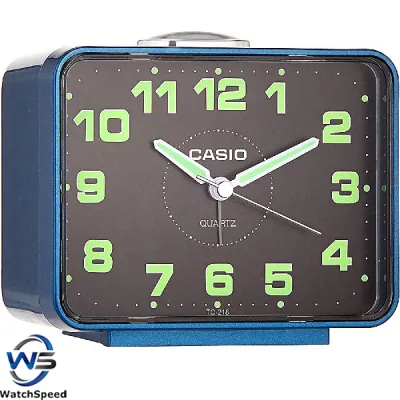
Quartz movements are the industry standard for accuracy and low maintenance, typically drifting only a few seconds per month. Standard step-quartz movements move the second hand in distinct, one-second jumps, producing an audible ticking sound. In contrast, silent-sweep movements use a continuous motor to glide the hand smoothly, eliminating ticking noise entirely. While silent-sweep models are ideal for quiet spaces, their continuous motors consume battery power slightly faster than standard step movements.
Products mentioned in this guide
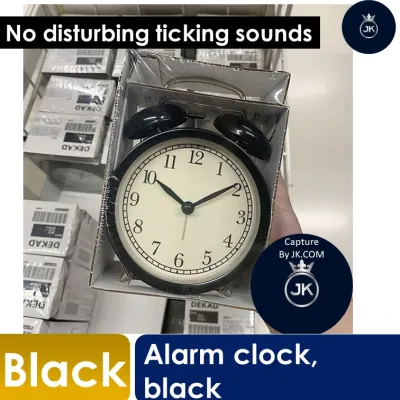
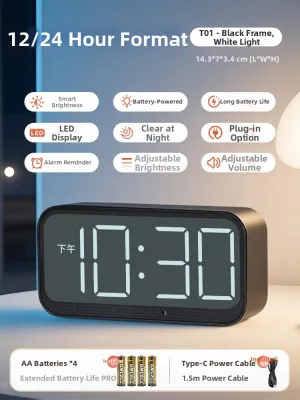
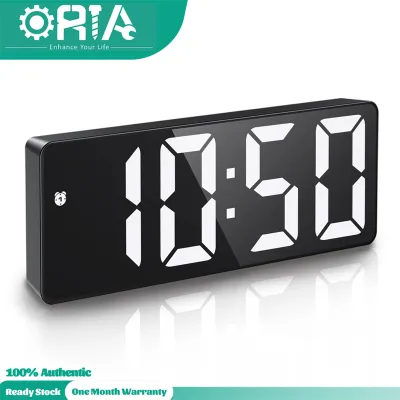
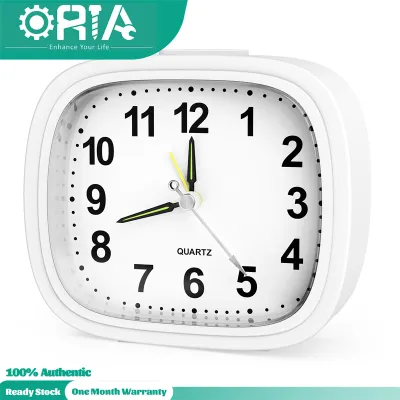
![[Watchspree] Casio Standard Travellers Black Resin Table Clock TQ142-1D TQ-142-1D TQ-142-1](https://img.lazcdn.com/g/p/4f095bb62427d4ec421506c1230311a0.jpg_400x400q80.jpg_.webp)
![[SG Seller] Casio Round Table Alarm Clock TQ-228](https://img.lazcdn.com/g/p/0d0a02a4f0997e4e371d32e016607cba.png_400x400q80.png_.webp)
Prices are valid at publication and may change. Please refer to the product page for the latest price.
Mechanical movements rely on springs, gears, and a balance wheel rather than electrical power. While prized for craftsmanship, they are less accurate than quartz models and require regular manual winding. They are also sensitive to physical vibrations and require periodic professional servicing to clean and oil the gears, preventing friction from slowing down the mechanism.
Power dependency also affects reliability. Battery-operated clocks offer placement flexibility but require consistent voltage to maintain accuracy. Plug-in digital clocks provide continuous power for bright LED displays and alarms, but they need battery backups to survive power outages. Smart clocks sync automatically with online servers, though their longevity depends on stable wireless connectivity and software compatibility.
Structural stability and material quality dictate how well a clock survives daily household activity. A reliable clock needs a low center of gravity and a slip-resistant base to prevent tipping. Heavy materials like solid wood, brass, or thick glass provide excellent stability. In Singapore’s humid climate, metal components must be rust-resistant, and wooden casings should be sealed to prevent warping.
Comparing Table Clock Brand Categories for Home Use
The table clock market is populated by various brand categories, each focusing on different aspects of reliability, design, and functionality. Understanding these categories helps you narrow down your options based on what you value most for your home.

Heritage and specialist horology brands focus heavily on precision engineering, movement longevity, and classic design. These manufacturers often have decades of watchmaking experience and use high-grade materials, such as metal gears instead of plastic ones, to ensure their quartz and mechanical movements last for years. While these clocks represent a higher initial investment, they offer superior build quality and are often serviceable, meaning a professional can repair the movement rather than forcing you to discard the clock if a part wears out. They are ideal for homeowners seeking a durable, heirloom-quality timepiece for a prominent living space or executive study.
Mass-market home decor brands prioritize aesthetic integration and affordability. These brands offer a vast array of styles, from minimalist Scandinavian designs to vintage-inspired rustic frames, allowing you to match your clock perfectly with your interior decor. To keep costs accessible, these clocks almost exclusively use standard, mass-produced quartz movements housed in lightweight plastic, composite wood, or thin metal frames. While they are highly reliable for everyday timekeeping, their internal components are rarely designed for repair. If the movement fails after the warranty period, the clock is typically replaced rather than fixed. These brands are best suited for decorative accents in guest rooms, entryways, or dining areas where visual style is the primary consideration.
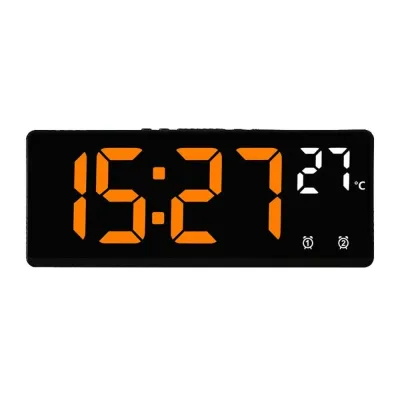
Digital and smart clock brands focus on feature density, modern interfaces, and multi-functional utility. These manufacturers integrate digital displays, such as LED, LCD, or e-paper, with features like dual alarms, snooze buttons, temperature readouts, and even wireless phone charging pads. The reliability of these clocks depends on the quality of their internal circuitry, display drivers, and power adapters. High-quality digital brands design their screens to prevent premature dimming or pixel burnout and include backup batteries to preserve time settings during power interruptions. They are highly practical for bedside tables, home offices, and tech-focused households that require high visibility and multiple daily functions.
Decision Framework: Matching Clock Types to Your Home Environment
Selecting the right table clock requires matching the clock’s technical specifications to the specific environmental conditions and daily habits of your household.
For living rooms, dining areas, and busy hallways, standard quartz clocks from reputable decor brands are highly practical. These spaces have higher levels of ambient daytime noise, which easily masks the faint ticking of a step-quartz movement. Because these clocks are often placed on high shelves or mantels, a battery-operated model is ideal to avoid unsightly hanging cords. Look for models with wide, stable bases and clear, high-contrast dials that can be easily read from across the room.
For bedrooms and quiet study areas, silent-sweep quartz clocks are the preferred choice. The absence of a repetitive ticking sound is crucial for light sleepers and those who require absolute silence to concentrate. Alternatively, compact digital clocks with adjustable brightness or auto-dimming displays are excellent bedside companions. Ensure the digital display can be turned off or dimmed significantly at night to prevent artificial light from disrupting your sleep cycle.
For home offices and kitchens, plug-in digital or smart clocks offer the greatest utility. In a kitchen, a digital clock with an integrated timer or highly visible LED display helps you keep track of cooking times. In a home office, a smart clock that automatically adjusts for time changes and displays environmental data, such as indoor humidity, can help you maintain a comfortable working environment.
Regardless of the room, always verify the availability of local warranty support before making a purchase. A reliable brand should offer a clear warranty covering the clock movement for at least six months to a year. Having a local distributor or authorized service center in Singapore ensures that if you encounter a manufacturing defect, you can easily obtain a replacement or repair without dealing with expensive international shipping or prolonged wait times.
Essential Verification Checklist for Online Purchases
When shopping for a clock table on online marketplaces or e-commerce platforms, you cannot physically inspect the build quality or listen to the movement. To ensure you receive a reliable product, use this verification checklist before completing your purchase.
First, examine the product specifications carefully to confirm the exact movement type. Do not rely solely on generic titles that use buzzwords like “silent” or “noiseless.” Look deep into the product description or user manual specifications for terms like “silent sweep movement” or “continuous sweep quartz.” If the description mentions a “step movement” or does not specify the sweep type, assume the clock will produce an audible ticking sound.
Second, verify the power requirements and electrical safety certifications, especially for plug-in digital models. Singapore operates on a 230V utility voltage at 50Hz, utilizing Type G three-pin plugs. If the clock uses a USB power cable, ensure you pair it with a high-quality, certified USB adapter. For direct plug-in models, check that the power adapter carries recognized safety marks to prevent electrical hazards, overheating, or short circuits in your home.
Third, review the warranty terms and seller policies in detail. Confirm whether the warranty covers the internal electronic movement or only the external casing. Reliable sellers will clearly state their return policy for dead-on-arrival units or clocks that fail to keep accurate time within the first few weeks. Avoid listings with vague return policies or those that classify the clock as a non-returnable decorative item.
Finally, analyze customer reviews and ratings, focusing specifically on long-term performance feedback. Look for reviews that mention whether the clock loses time over a few weeks, if the battery compartment is loose, or if the silent-sweep motor actually produces a faint hum. High ratings from verified buyers who have used the clock for several months provide the most reliable indication of real-world durability.
Frequently Asked Questions (FAQ)
Why does my battery-operated table clock keep losing time?
The most common cause of a quartz table clock losing time is a drop in battery voltage. As a battery nears the end of its lifespan, it can no longer supply the consistent electrical current required to drive the clock’s internal gears, causing the hands to lag or pause intermittently. Always use fresh, high-quality alkaline batteries of the correct size, and avoid mixing old and new batteries or using rechargeable batteries, which often have a lower nominal voltage. Additionally, Singapore’s high relative humidity can cause microscopic corrosion on the battery contact points or inside the movement casing, disrupting the electrical connection. If cleaning the metal contacts with a dry cloth and inserting a fresh alkaline battery does not resolve the time drift, the internal movement may be worn or damaged, and you should consult the manufacturer or replace the clock mechanism.
Are mechanical table clocks worth the extra maintenance for home decor?
Mechanical table clocks offer exceptional heritage appeal, intricate craftsmanship, and a classic aesthetic, but they require a hands-on commitment to maintenance. Unlike quartz clocks, you must manually wind a mechanical clock at regular intervals—typically every 24 hours or every eight days, depending on the specific movement design. They are also highly sensitive to physical placement; vibrations from nearby doors, heavy footsteps, or uneven tabletop surfaces can disrupt the balance wheel, leading to significant time drift. If you appreciate the tactile ritual of winding and the artistic value of a ticking mechanical gear train, they are a highly rewarding investment. However, if you prefer a low-maintenance, highly accurate timekeeper that requires no daily attention, a high-quality quartz clock designed with a vintage aesthetic is a much more practical choice for modern home decor.

Community discussion
Share your experience or ask a question. Comments are reviewed before publication.