
Finding the most energy-efficient sensor LED light bulb in Singapore requires looking past marketing claims and focusing on technical specifications, sensor types, and your specific home layout. While many brands line the shelves of local hardware stores and online marketplaces, no single brand holds a universal monopoly on efficiency. Instead, the true energy performance of a sensor bulb depends on how its standby power draw, luminous efficacy, and detection mechanism align with your household’s daily habits and physical spaces.
By understanding how these technical factors interact with Singapore’s unique housing environments—such as compact HDB service yards, long common corridors, and humid balconies—you can make an informed decision. Evaluating these products based on verifiable metrics ensures you select a bulb that minimizes electricity consumption while delivering reliable performance.
Understanding Sensor Types and Their Impact on Energy Use
Sensor LED bulbs primarily rely on two distinct technologies to detect presence: Passive Infrared (PIR) and Microwave (also known as radar) sensors. PIR sensors operate by detecting changes in heat signatures within their field of view. Because they require a direct line of sight to trigger, they are highly precise and less prone to activating due to movement in adjacent rooms or outside windows. This localized detection makes PIR bulbs highly energy-efficient for defined spaces where light is only needed when a person is physically present.
Products mentioned in this guide
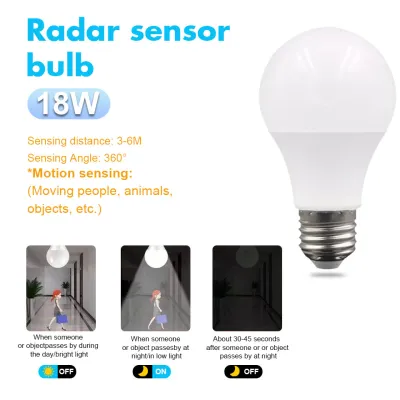
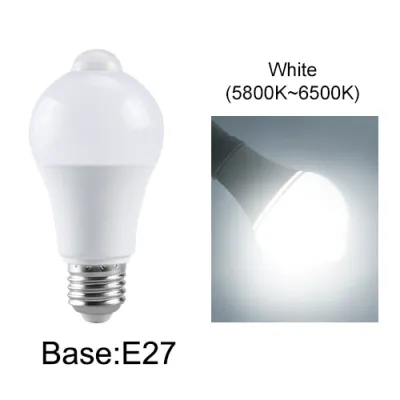
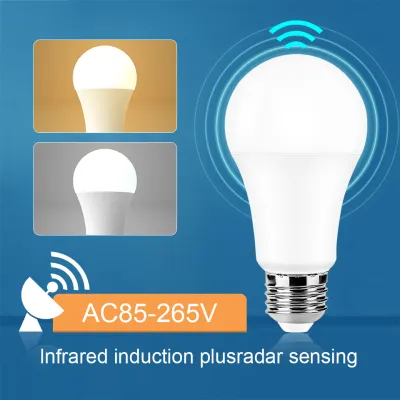
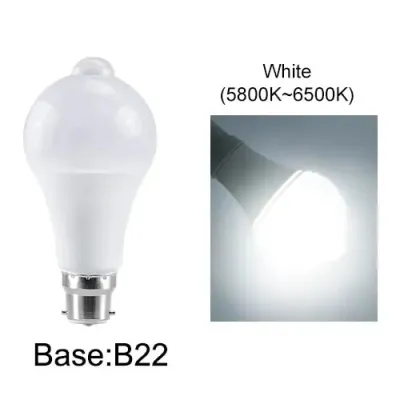
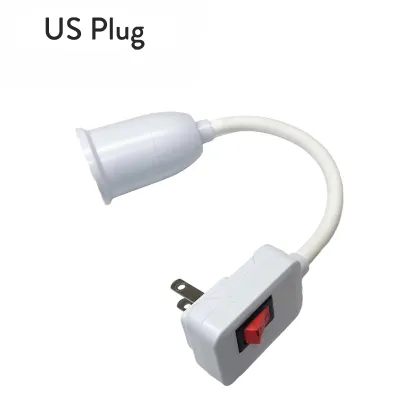
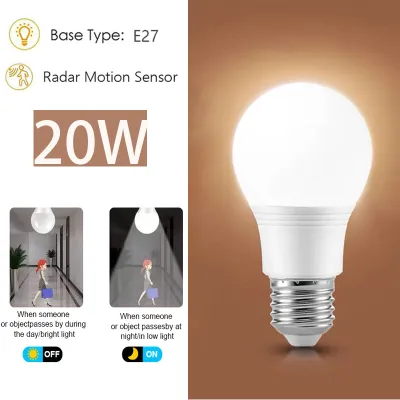
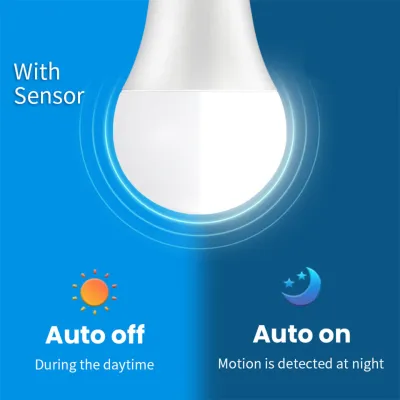
Prices are valid at publication and may change. Please refer to the product page for the latest price.
Microwave sensors, on the other hand, emit high-frequency radio waves and measure the reflection off moving objects. This technology is incredibly sensitive and can detect motion through thin walls, glass doors, and plastic shades. While this is advantageous for hidden installations, it can lead to significant energy waste in dense Singapore living environments. For example, a microwave sensor bulb installed near an entryway might constantly trigger when neighbors walk past your external HDB corridor wall, causing the light to remain on unnecessarily.
To prevent daytime activation and further reduce wasted power, many high-quality sensor bulbs incorporate an integrated dusk-to-dawn photocell sensor. This component measures ambient light levels and prevents the bulb from turning on during bright daylight hours, even if motion is detected. Utilizing a bulb with an effective photocell is crucial for semi-outdoor areas like balconies, car porches, and service yards that receive ample natural light throughout the day.
Key Specifications to Check for Energy Efficiency
When comparing different brands at local retailers, the most reliable way to assess energy efficiency is by calculating the luminous efficacy. This metric, expressed in lumens per watt (lm/W), measures how much visible light a bulb produces for every watt of electricity it consumes. To find this, divide the total lumen output listed on the packaging by the bulb’s active wattage. A bulb that delivers 900 lumens at 9 watts (100 lm/W) is significantly more efficient than a competitor offering 800 lumens at 10 watts (80 lm/W).

Another critical, yet often overlooked, specification is standby power consumption. Because a sensor bulb must keep its internal detection circuitry active 24 hours a day, it continuously draws a small amount of electricity even when the light is turned off. High-efficiency brands design their sensors to draw minimal standby power, typically under 0.5 watts. Over a year, a high standby draw across multiple household bulbs can quietly accumulate on your utility bill, offsetting some of the savings gained during active use.
Additionally, you should review the rated lifespan and switching cycle tolerance of the bulb. Sensor bulbs in high-traffic areas like hallways and bathrooms experience frequent on-and-off cycles, which can place electrical stress on the internal LED driver. Bulbs engineered with high switching cycle ratings will maintain their efficiency and light output over a longer period, reducing the frequency and long-term cost of replacements. Always look for the Enterprise Singapore Safety Mark on the packaging to ensure the bulb’s electrical components have been tested and certified for safe use in local households.
Matching Sensor Bulbs to Home Environments
To maximize energy savings, the physical characteristics of your installation space must match the bulb’s sensor capabilities. For instance, a bulb with a wide 360-degree detection angle is ideal for ceiling-mounted fixtures in square rooms or walk-in wardrobes, ensuring the light activates the moment you step inside. Conversely, a narrower 120-degree detection angle is better suited for wall-mounted porch lights, preventing the sensor from capturing distant street movement or passing vehicles.
Environmental barriers play a major role in sensor performance. If you install a PIR sensor bulb inside a fixture with a thick glass cover, the glass will block the infrared heat signatures, rendering the sensor inactive. For enclosed glass or acrylic fixtures, a microwave sensor bulb is generally required because the radio waves can easily penetrate the cover. However, you must position these fixtures away from thin partition walls or windows to avoid false triggers from adjacent spaces.
Some advanced sensor bulbs offer adjustable sensitivity and delay time settings, which are typically configured via small physical switches on the bulb’s base. If your bulb allows these adjustments, setting a shorter delay time—such as 30 seconds instead of three minutes—will directly reduce unnecessary burn time. Lowering the sensor’s sensitivity in smaller rooms also prevents the light from turning on due to minor air currents or distant pet movements, keeping your energy consumption as low as possible.
Decision Framework: Choosing the Right Sensor Bulb
Selecting the right sensor LED bulb involves a systematic evaluation of your fixture type, location, and usage patterns. Use the following framework to guide your purchase:
- For clear line-of-sight indoor areas: Choose PIR-based bulbs. They provide precise, localized triggering for walk-in closets, pantries, and dedicated entryways, ensuring the light only operates when you are directly in the space.
- For enclosed or covered fixtures: Choose microwave-based bulbs. These are necessary when the bulb is physically shielded by glass or plastic, but ensure the fixture is located away from high-traffic external corridors to prevent false triggers.
- For outdoor and semi-outdoor spaces: Choose bulbs that combine motion detection with an integrated photocell (dusk-to-dawn sensor). This combination is essential for balconies, patios, and car porches to eliminate daytime energy waste.
- For physical and electrical compatibility: Before buying, verify that the bulb's base type (such as E27 screw or B22 bayonet) matches your fixture. Ensure the physical dimensions of the bulb allow for adequate clearance within the fixture cover, and confirm that the fixture is not connected to a dimmer switch, as standard sensor bulbs are incompatible with dimming circuits.
Installation and Safety Checks
Before installing any new sensor LED bulb, safety must be your primary priority. Always isolate the electrical power at your home’s main distribution board or circuit breaker rather than relying solely on the wall light switch. This precaution prevents accidental electrical shocks during the installation process. Additionally, verify that the active wattage of your new LED bulb does not exceed the maximum wattage rating printed on the light fixture itself.
Thermal management is another key factor in maintaining both safety and energy efficiency. LED bulbs and their integrated sensors generate heat during operation, which must be dissipated to prevent damage to the delicate electronic drivers. If you install a sensor bulb in a tightly sealed, fully enclosed fixture that lacks proper ventilation, the trapped heat can degrade the sensor’s sensitivity and drastically shorten the overall lifespan of the bulb.
For installations in damp or outdoor environments, such as open balconies, bathrooms, or garden pathways, ensure both the bulb and the fixture carry an appropriate Ingress Protection (IP) rating, such as IP44 or higher, to protect against moisture entry. If your installation requires modifying fixed electrical wiring, adding new external sensor switches, or working at significant heights, do not attempt to do it yourself. Stop and consult a licensed electrical worker certified by the Energy Market Authority (EMA) of Singapore to ensure the work complies with local safety regulations.
Frequently Asked Questions (FAQ)
Do sensor LED bulbs consume electricity when turned off?
Yes, sensor LED bulbs consume a very small amount of electricity even when the light is not shining. This is known as standby power or vampire draw, which keeps the internal motion or light sensor active so it can detect changes in the environment. To minimize this continuous energy consumption, look for high-quality bulbs that specify a standby power draw of less than 0.5 watts on their product packaging.
Can I use a sensor LED bulb in a fully enclosed fixture?
Using a sensor LED bulb in a fully enclosed fixture depends on the sensor type and the manufacturer’s guidelines. PIR sensors generally will not work in fully enclosed fixtures because the cover blocks the heat signatures needed for detection. While microwave sensors can penetrate covers, enclosed fixtures trap heat, which can degrade the sensitive electronic components of both the sensor and the LED driver. Always check the manufacturer’s packaging to confirm if the bulb is rated for enclosed fixtures.
Why does my sensor bulb keep turning on by itself?
Frequent false triggers are usually caused by environmental factors interfering with the sensor. For microwave sensors, the high-frequency waves can penetrate thin walls, glass, and doors, detecting movement from neighbors or wind-blown plants outside. For PIR sensors, sudden changes in temperature from air conditioning vents, direct sunlight, or passing pets can trigger the light. Adjusting the sensor’s sensitivity, shortening the delay timer, or switching to a PIR bulb in a confined space can help resolve these issues.
Community discussion
Share your experience or ask a question. Comments are reviewed before publication.