
Selecting a sofa cushion set in Singapore is more than just finding colors that match your living room decor. Because comfort is deeply personal and depends on your unique seating habits, sofa depth, and household environment, relying on generic brand promises or marketing claims rarely leads to a satisfying purchase. A truly successful selection requires a systematic evaluation of material quality, internal construction, and practical usability. By understanding how different fabrics and fills perform over time, you can establish a clear framework for comparing options across various price points and retailers. This guide provides an objective, step-by-step approach to assessing cushion sets, helping you make an informed decision based on physical specifications and observable quality indicators rather than brand hype.
Key Factors for Evaluating Sofa Cushion Materials
The outer fabric of a cushion is your primary point of physical contact, making its material composition critical for both comfort and durability. Natural fibers like cotton and linen are highly regarded for their exceptional breathability and classic, textured appearance. Cotton offers a soft, familiar feel and is relatively easy to clean, though pure cotton can be prone to wrinkling and gradual wear. Linen provides a distinct, slightly rustic texture and excellent airflow, which helps keep the seating surface cool, but it requires careful handling to prevent excessive creasing and shrinkage during washing.
For those seeking a more luxurious or resilient option, velvet and polyester blends present distinct characteristics. Velvet cushions deliver a deep, rich texture and a soft, plush feel that adds immediate visual warmth to a space, though they can trap heat more easily and often require specialized cleaning. Polyester blends, on the other hand, are engineered for high durability and resistance to stretching, wrinkling, and fading. These synthetic options are highly practical for daily use, though their breathability can vary significantly depending on the tightness of the weave and the specific fiber mix.
Products mentioned in this guide
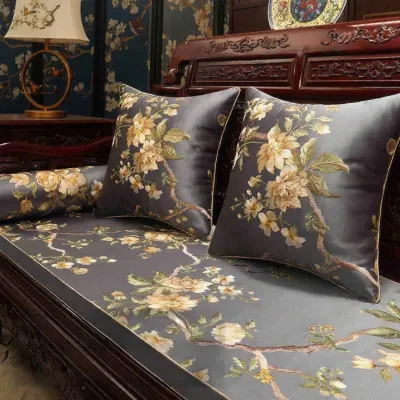
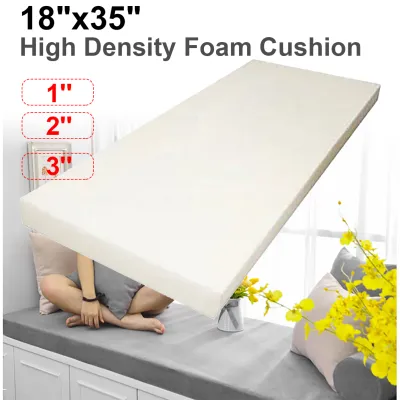
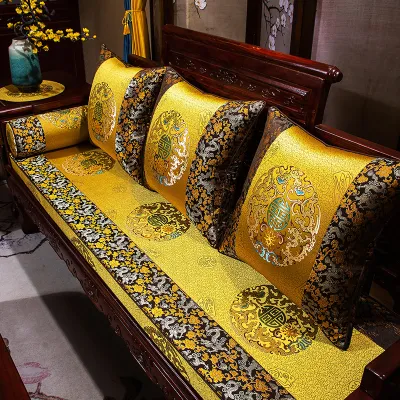
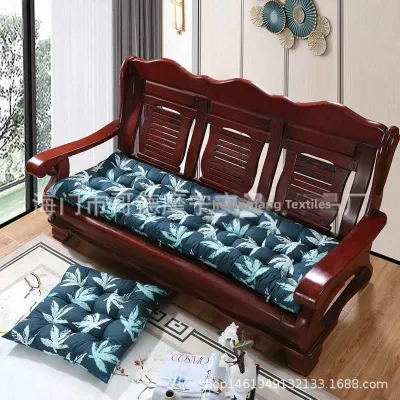
Prices are valid at publication and may change. Please refer to the product page for the latest price.
Beneath the cover, the fill material determines how the cushion supports your body and retains its shape over years of use. Down alternative, typically made from fine polyester microfibers, mimics the luxurious loft and sink-in feel of natural down without the allergy concerns or high maintenance. While incredibly soft and plush, down alternative cushions require regular fluffing to prevent the fibers from packing down and losing their volume.
Memory foam and standard polyester fiberfill offer alternative support profiles. Memory foam provides high-density support that contours precisely to your body shape, offering excellent pressure relief and shape retention, though it tends to feel firmer and can retain body heat. Standard polyester fiberfill is a lightweight, highly resilient, and cost-effective option that provides a bouncy feel, but lower-grade fiberfill can clump over time if it is not secured within internal compartments.
To verify these material claims, always locate and read the manufacturer’s care label or product specification tag. Reliable manufacturers provide exact percentage breakdowns of both the cover fabric and the inner fill (for example, 60% cotton and 40% polyester). These tags also feature standardized international care symbols that dictate washing temperatures, drying methods, and ironing limits, allowing you to assess the true maintenance requirements before making a purchase.
Understanding Comfort and Construction
Determining the right balance between a soft, plush cushion and a firm, supportive one depends heavily on your daily seating habits and the physical dimensions of your sofa. If you primarily use your sofa for upright activities like reading, working, or entertaining, firmer cushions with high-density foam cores provide the necessary spinal support and prevent you from sinking too deep. Conversely, if your sofa is a dedicated lounging zone for watching movies or napping, softer, plush cushions filled with down alternatives or loose fiberfill offer a more comfortable, enveloping sensation.

Sofa depth also plays a crucial role in this decision. Deep sofas, which have a larger distance between the front edge of the seat and the backrest, often require thicker, firmer back cushions to prevent you from slouching or feeling unsupported. Shallow sofas, on the other hand, benefit from thinner, more compact cushion sets that provide comfort without pushing your body too far forward, which would reduce the available seat space and make sitting feel cramped.
The internal structure of a cushion is what prevents the fill from shifting, lumping, and flattening over time. High-quality plush cushions often utilize baffle-box construction, which features internal fabric walls that divide the cushion into individual chambers, keeping the fill evenly distributed. Gusseted edges—characterized by a flat, vertical border along the sides of the cushion—provide a structured, boxy shape that allows the fill to expand fully and maintain uniform thickness right up to the edges, unlike standard knife-edge cushions that taper off at the seams.
Before purchasing a sofa cushion set, precise measurement of your existing furniture is essential to ensure a proportional and secure fit. Measure the width and height of your sofa’s backrest, as well as the depth of the seat cushion area. A cushion that is too large will bunch up and look cluttered, while one that is too small will slide around and fail to provide adequate support. Standard decorative and support cushions typically range from 45×45 cm to 60×60 cm, and selecting a mix of sizes can help create a layered, comfortable seating arrangement.
A Practical Framework for Comparing Cushion Brands
When evaluating different cushion brands in a physical showroom or inspecting a delivery from an online retailer, focusing on specific construction details will reveal the true build quality. Begin by examining the zipper, which is often the first component to fail on a cushion cover. High-quality brands use robust, smooth-gliding zippers with metal or heavy-duty nylon teeth that are neatly concealed beneath a fabric flap. A hidden zipper track not only protects the mechanism from snagging on your clothing or sofa fabric but also maintains a clean, seamless aesthetic.
Next, inspect the seams and stitching of both the cover and the inner insert. Turn the cover inside out if possible to check for double-stitched seams, reinforced corners, and overlocked edges, which prevent the fabric from fraying during washing. Look for edge piping or welting—a fabric-covered cord sewn into the seams—which adds structural integrity to the edges and helps the cushion maintain its shape under pressure. The inner insert should also have tight, secure stitching to prevent the fill material from leaking out over time.
Practical maintenance is another critical factor when comparing brands. Ensure that the cushion covers are fully removable, featuring a zipper that extends across at least three-quarters of one side to make inserting and removing the fill cushion easy. Verify whether the covers are machine-washable or require dry cleaning. If you anticipate frequent washing due to daily use, prioritize brands that specify machine-washable fabrics that resist shrinking and color fading.
Finally, review the retailer’s return and exchange policies, especially when purchasing online. Because the true comfort, firmness, and color of a cushion can only be fully appreciated when placed on your actual sofa in your home’s unique lighting, a flexible return policy is invaluable. Look for brands or platforms that offer a reasonable trial period or hassle-free exchanges, allowing you to verify that the cushion set meets your physical comfort expectations and complements your existing interior decor before making a permanent commitment.
Matching Cushion Sets to Your Living Space
To ensure your sofa cushion set remains comfortable and visually appealing over the long term, it is important to align the material properties with your specific household conditions. In Singapore’s tropical climate, managing heat and humidity is a primary consideration. If your living room relies mainly on natural ventilation or ceiling fans, prioritize highly breathable, moisture-wicking fabrics like linen or open-weave cotton blends that do not trap body heat or feel sticky against the skin. For air-conditioned spaces, you have more flexibility to introduce heavier, insulating textures like velvet, chenille, or dense polyester blends that contribute to a cozy, inviting atmosphere.
Household dynamics should also dictate your material choices. If you have young children or pets, delicate fabrics with loose weaves or embroidered details are highly susceptible to snagging, staining, and rapid wear. In these active households, opt for high-durability performance fabrics, tightly woven synthetic blends, or materials treated with stain-resistant finishes. These fabrics allow you to quickly wipe away spills and resist pet hair accumulation, ensuring the cushions remain clean and presentable with minimal effort.
Balancing visual aesthetics with practical maintenance is the final step in selecting the perfect cushion set. While a cohesive color palette and varied textures—such as pairing a smooth cotton cushion with a highly textured boucle or geometric pattern—can elevate the design of your living room, ensure that these choices do not compromise daily usability. Avoid overly delicate embellishments on cushions intended for heavy daily use, and choose a set where all components share compatible care instructions to simplify your cleaning routine and preserve the beauty of your living space.
Frequently Asked Questions (FAQ)
How many cushions should be in a standard sofa cushion set?
The ideal number of cushions in a set depends on the size of your sofa and your personal comfort preferences. For a standard three-seater sofa, a set of three to five cushions is generally recommended to create a balanced, layered look without overcrowding the seating area. A smaller two-seater sofa typically accommodates two to three cushions comfortably. The goal is to enhance comfort and visual interest while leaving sufficient physical space for people to sit back and relax without needing to move the cushions out of the way.
Can I mix different cushion materials on the same sofa?
Yes, mixing different cushion materials is an excellent way to add depth, texture, and visual interest to your living room. Pairing contrasting fabrics, such as a matte linen cushion with a soft velvet or a textured woven blend, prevents the sofa from looking flat or overly uniform. When mixing materials, keep the overall color palette cohesive to tie the look together, and ensure that the care and washing instructions of the different fabrics are compatible so that maintaining the entire set remains straightforward and convenient.
Community discussion
Share your experience or ask a question. Comments are reviewed before publication.