
Evaluating the energy-saving performance of solar LED flood lights requires looking far beyond the bold wattage claims printed on the box. In tropical environments where intense sunshine is frequently interrupted by sudden cloud cover and heavy downpours, a solar light’s efficiency determines whether it will reliably illuminate your property all night or fail after just a few hours. True energy efficiency is not merely about how little power the LED chips consume, but how effectively the entire system harvests, stores, and manages that energy.
To make an informed investment for your outdoor space, you must analyze how different brands engineer their systems. This involves comparing the luminous efficacy of the LEDs, the conversion rates of the solar panels, the chemistry of the internal batteries, and the intelligence of the built-in power management systems. By understanding these technical specifications, you can identify which models offer genuine long-term value and dependable performance.
Core Energy Efficiency Metrics to Compare Across Brands
When comparing different solar LED flood light brands, the first metric to evaluate is luminous efficacy, measured in lumens per watt (lm/W). This ratio indicates how much visible light a fixture produces for every watt of electrical power it consumes. High-quality brands utilize premium LED chips that achieve efficiencies of 130 lm/W to 160 lm/W or higher, whereas budget-grade alternatives may only deliver 80 lm/W to 100 lm/W. Choosing a fixture with higher luminous efficacy means you get the same brightness while drawing significantly less power from the battery, allowing the light to operate longer on a single charge.
Products mentioned in this guide
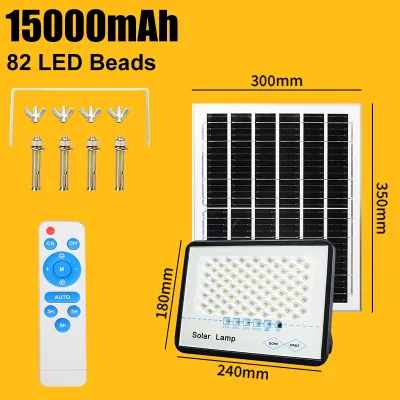
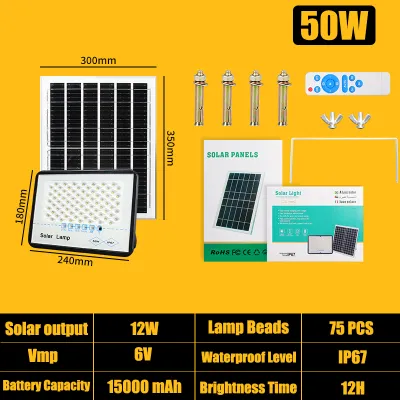
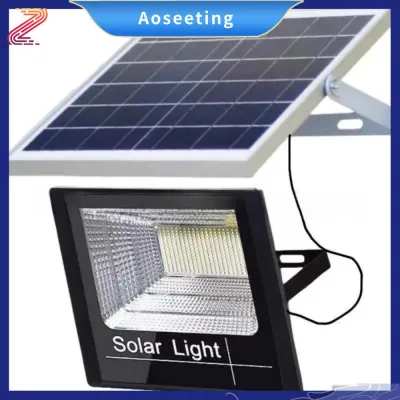
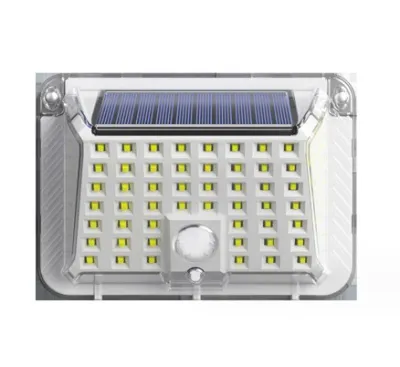
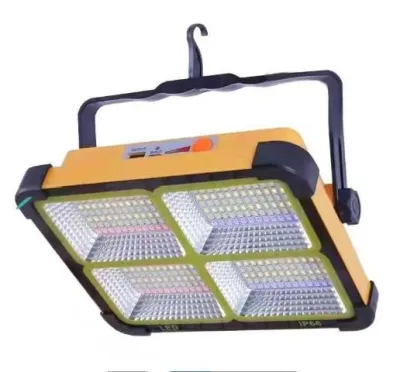
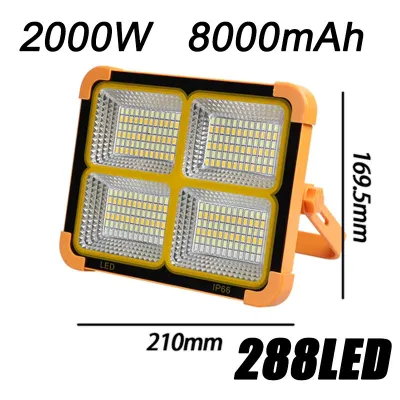
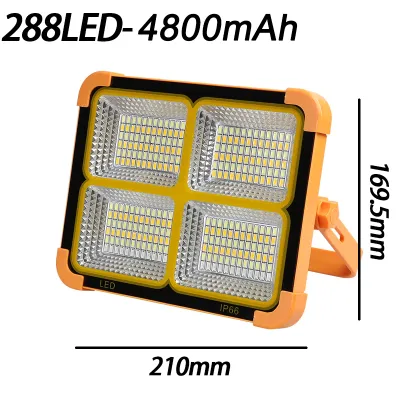
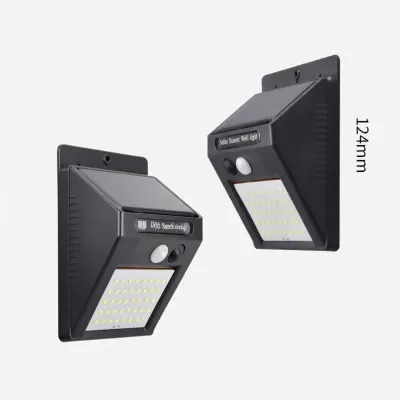
Prices are valid at publication and may change. Please refer to the product page for the latest price.
Beyond raw chip efficiency, you must consider how that light is distributed across your outdoor space. The design of the optical lenses and the resulting beam angle play a critical role in perceived brightness. A wide beam angle of 120 degrees is excellent for broad, ambient illumination across a backyard or driveway, but it disperses the light over a larger area, reducing the intensity at any single point. Conversely, a narrower beam angle of 60 to 90 degrees, or an asymmetric lens design, concentrates the light downward where it is needed most, preventing light pollution and maximizing usable ground-level illumination without wasting energy. Perceived color temperature—whether you prefer a warm 3000K glow or a cool 6000K daylight effect—is a conditional preference that does not affect energy efficiency, though cooler temperatures often appear slightly brighter to the human eye.
Smart energy-saving features are another crucial differentiator among leading brands. Passive infrared (PIR) motion sensors allow a flood light to operate at a low, energy-conserving standby brightness (such as 10% or 20% capacity) and instantly ramp up to 100% brightness only when motion is detected. Additionally, advanced models feature customizable dimming profiles or timer-based schedules that automatically reduce light output during the quiet hours after midnight. These intelligent power management systems ensure that the battery reserve is conserved, preventing the light from draining completely before dawn.
Assessing Solar Panel and Battery Specifications
The energy-saving capabilities of an LED flood light are entirely dependent on the solar panel’s ability to harvest sunlight and the battery’s capacity to store it. When reviewing product specifications, pay close attention to the type of solar panel provided. Monocrystalline solar panels are highly recommended for tropical climates because they offer superior conversion efficiencies, typically ranging from 19% to 22%, and perform better under partial shade or overcast skies. Polycrystalline panels, while more affordable, generally offer lower conversion efficiencies of 15% to 17% and require a larger physical surface area to generate the same amount of power.

The internal battery chemistry is equally vital to the longevity and safety of the lighting system. Lithium Iron Phosphate (LiFePO4) batteries have largely become the industry standard for high-performance outdoor solar lights. They offer an impressive lifespan of 2,000 to 3,000 charge-discharge cycles, tolerate high ambient operating temperatures without rapid degradation, and support a deep depth of discharge. In contrast, standard Lithium-ion (Li-ion) batteries are more sensitive to heat, have a shorter lifespan of approximately 500 to 1,000 cycles, and require stricter charge management to prevent premature failure.
To estimate the realistic runtime of a solar flood light, you can calculate the battery’s capacity in watt-hours (Wh) by multiplying its voltage (V) by its ampere-hour (Ah) rating. For example, a 3.2V battery with a capacity of 20Ah provides 64Wh of stored energy. If the LED fixture draws a constant 10 watts at full brightness, the battery can sustain it for roughly 6.4 hours of continuous operation. To achieve reliable all-night performance, look for systems where the battery capacity is generously oversized relative to the average hourly power draw, or ensure the light utilizes smart dimming modes to stretch its runtime.
Calculating Long-Term Value and Cost-Effectiveness
Evaluating the true cost-effectiveness of a solar LED flood light requires looking beyond the initial purchase price. While a budget-friendly model might cost only S$30 to S$50 upfront on online marketplaces, it may require complete replacement within a year due to battery degradation or water ingress. Investing in a higher-end model priced between S$120 and S$250 often yields a lower total cost of ownership over time, as premium components are designed to operate reliably for five years or more without requiring maintenance or part replacements.
Warranty terms serve as a strong indicator of a manufacturer’s confidence in their product’s durability. When comparing brands, check the specific warranty coverage for individual components rather than relying on a generic “limited warranty” claim. A robust warranty should cover the solar panel’s power output degradation (typically guaranteeing at least 80% performance after several years) and provide clear terms regarding battery replacement. Be cautious of warranties that exclude the battery entirely or limit its coverage to a few months, as the battery is the component most vulnerable to environmental wear.
Additionally, factor in potential hidden costs that may not be included in the base package. Some installations require specialized mounting hardware, heavy-duty pole clamps, or extra-long extension cables to connect a split-type solar panel to the light fixture. If a brand uses proprietary connectors, replacing a damaged cable or sourcing an extension can be difficult and costly. Verifying what accessories are included in the box and checking the availability of standard replacement parts will help you avoid unexpected expenses during installation.
Decision Framework: Matching Specifications to Your Outdoor Space
Choosing the right solar LED flood light depends heavily on the physical layout and environmental conditions of your property. If your intended installation area is partially shaded by mature trees, neighboring structures, or roof eaves, a split-type solar flood light is the most practical choice. This configuration allows you to mount the solar panel in an elevated, unshaded position—such as on a rooftop or fence line—while running a cable to position the light fixture exactly where illumination is required. Integrated “all-in-one” models, where the panel is fixed directly to the light body, are best reserved for wide-open areas that receive unobstructed sunlight throughout the day.
For security pathways, side gates, and driveways, continuous high-intensity lighting is rarely necessary and can quickly deplete the battery. In these scenarios, selecting a motion-activated model with a lower baseline lumen output is highly efficient. The light can remain at a dim, energy-saving level to guide your steps, instantly switching to full brightness only when someone approaches. This setup dramatically reduces average power consumption, ensuring the system remains operational even after consecutive days of heavy rain or overcast weather.
Before finalizing your purchase, always verify that the intended mounting surface can safely support the physical dimensions, weight, and potential wind load of the fixture. Large solar panels act like sails during heavy tropical storms and squalls, exerting significant structural stress on gutters, wooden fences, or thin metal poles. Ensure that the mounting brackets are constructed from corrosion-resistant materials, such as stainless steel or powder-coated aluminum, to withstand high humidity and prevent rust stains on your walls. Additionally, verify that the system has appropriate electrical certifications and matches your installation environment’s voltage and interface requirements if integrating with any backup grid power.
Installation and Maintenance for Sustained Efficiency
Proper installation is critical to maximizing the energy-harvesting potential of your solar LED flood light. Solar panels should be positioned to receive direct, unobstructed sunlight for at least six hours a day. In regions near the equator, panels should ideally face directly south or north with a slight tilt of 5 to 15 degrees. This angle is steep enough to allow rainwater to run off freely, washing away accumulated dust, pollen, and bird droppings that would otherwise block sunlight and reduce solar conversion efficiency.
Establishing a simple, routine maintenance schedule is essential for sustaining long-term performance. Dust and environmental grime can quietly degrade your solar panel’s output by 10% to 20% over several months. Clean the panel surface quarterly using a soft microfiber cloth, mild soap, and plain water, avoiding abrasive scrubbers or harsh chemical solvents that could scratch or damage the tempered glass. Periodically inspect the light fixture’s housing for signs of physical damage, check that the cable connections remain tightly sealed, and clear away any encroaching foliage that might cast shadows on the panel.
When planning your installation, always verify the product’s Ingress Protection (IP) rating to ensure it is suitable for the environment. Outdoor flood lights should carry a minimum rating of IP65 to protect against dust and low-pressure water jets, while highly exposed coastal or rooftop areas benefit from IP66 or IP67 ratings. For complex installations—such as mounting fixtures at significant heights, integrating solar systems with existing fixed electrical wiring, or anchoring heavy loads to structural walls—stop DIY efforts and consult a qualified professional installer to ensure compliance with local safety standards and structural guidelines. Always isolate power sources before performing any electrical work or maintenance.
Frequently Asked Questions (FAQ)
Do higher wattage solar flood lights always produce more brightness?
No, higher wattage does not automatically guarantee a brighter light. Wattage measures the amount of electrical power consumed by the system, whereas lumens measure the actual amount of visible light produced. A highly efficient solar flood light utilizing advanced LED chips can produce more lumens while consuming fewer watts than an older or lower-quality model. When comparing products, always focus on the rated lumen output and the luminous efficacy (lumens per watt) rather than the wattage.
How does cloudy weather affect the energy-saving performance of solar lights?
Cloudy or overcast weather reduces the amount of direct solar radiation reaching the panel, which decreases the charging rate of the battery. On highly overcast days, a solar panel may only generate 10% to 25% of its typical power output. To mitigate this, high-quality solar flood lights utilize efficient monocrystalline panels that harvest ambient light better, coupled with smart power-saving modes that automatically dim the light or rely on motion sensors to conserve the battery buffer until sunny weather returns.

Community discussion
Share your experience or ask a question. Comments are reviewed before publication.