
When searching for a stone diffuser in Singapore, you will quickly find that fragrance longevity is not determined by a brand name alone. Instead, the duration and strength of the scent throw depend on a delicate interplay between the physical porosity of the stone, the concentration and viscosity of the fragrance oil, and the specific ambient conditions of your room. Because of these variables, no single brand can universally guarantee the longest-lasting scent throw. To find the best option for your home, you must look past marketing claims and evaluate diffusers based on material science, oil formulation, and long-term cost-per-use. This guide provides a practical framework to compare available brand categories, helping you select a stone diffuser that balances aesthetic appeal with reliable, long-lasting performance.
Core Factors That Determine Stone Diffuser Longevity
The material of your diffuser stone plays a fundamental role in how it holds and releases fragrance. Highly porous materials like gypsum plaster absorb oils rapidly, offering a strong initial scent throw, but they also release the fragrance quickly, requiring frequent top-ups. Conversely, unglazed ceramic is denser, absorbing oil slowly but releasing it over a more extended period due to tighter capillary pathways. Volcanic rock, or lava stone, features deep, irregular pockets that trap oil, allowing for a slow, sustained release, though the initial throw may be more subtle.
The formulation of the fragrance oil itself is equally critical. Pure essential oils are highly volatile and evaporate quickly, especially top notes like citrus or eucalyptus. Base notes like patchouli, cedarwood, or sandalwood naturally last longer. Many commercial fragrance oils contain synthetic fixatives or heavier carrier oils, such as dipropylene glycol, which slow down the evaporation rate to extend the scent’s lifespan. However, highly viscous oils can clog fine pores over time, while overly thin oils may evaporate too quickly to provide lasting value.
Products mentioned in this guide
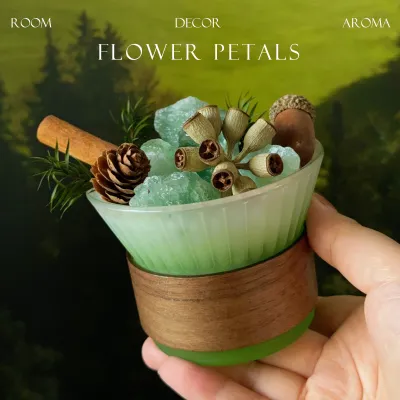
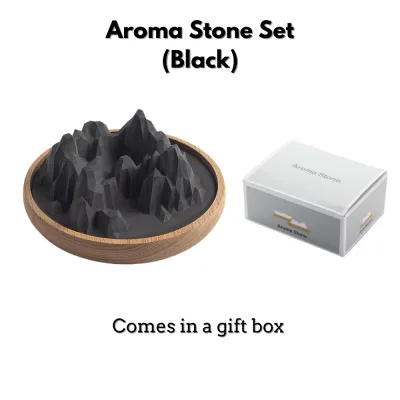
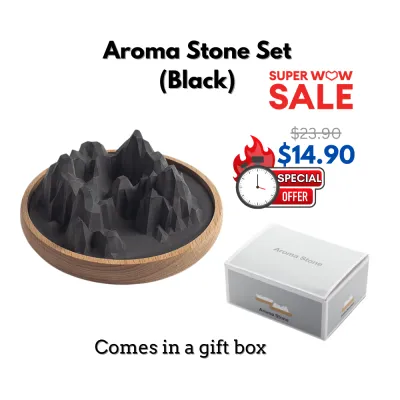
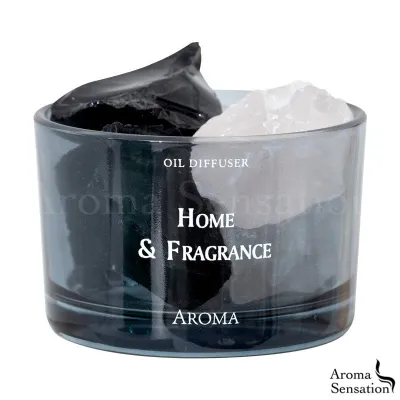
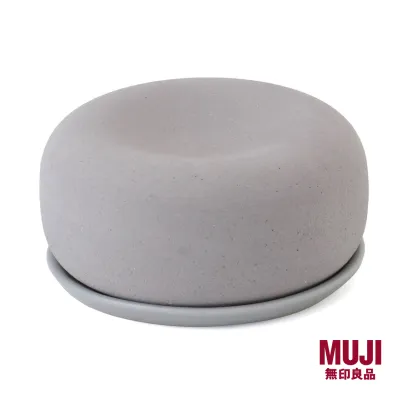
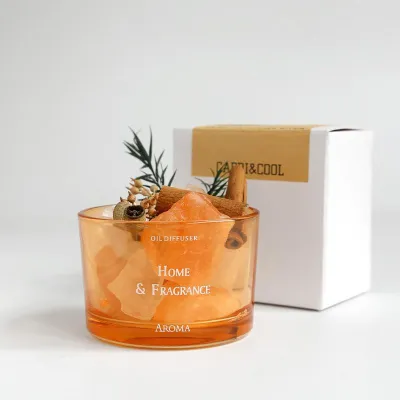
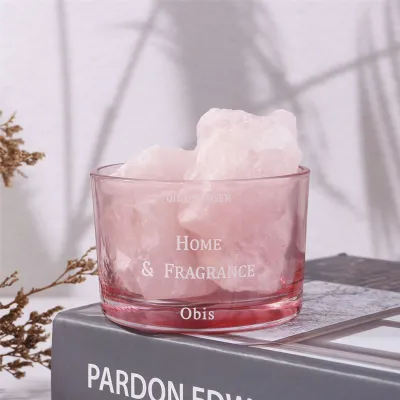
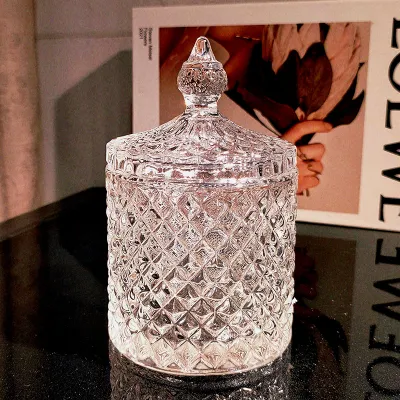
Prices are valid at publication and may change. Please refer to the product page for the latest price.
Environmental factors in Singapore heavily influence evaporation speeds. The high natural humidity can slow down the evaporation of water-based elements, but it can also saturate the air, affecting how scent molecules disperse. Conversely, running air conditioning lowers indoor humidity and increases localized airflow, which accelerates the evaporation of volatile compounds in the fragrance oil. Because stone diffusers rely on passive diffusion, they are best suited for localized areas like desks or bedside tables rather than large, open-plan living spaces.
How to Evaluate Brand Specifications and Value
To determine the true value of a stone diffuser, look closely at the ingredient lists and product specifications rather than relying on brand prestige. High-quality brands disclose whether they use pure essential oils, natural isolates, or synthetic fragrance compounds. Synthetic fixatives are designed specifically to anchor volatile scent molecules, extending the throw for days or weeks. If you prefer natural essential oils, accept that you will need to apply them more frequently to maintain the same scent level.

Calculating the long-term cost in S$ requires looking beyond the initial purchase price of the diffuser set. A set costing S$40 might seem cheaper than one at S$80, but you must calculate the cost-per-milliliter of the included oil and the availability of refills. If a brand charges S$30 for a tiny 5ml proprietary refill, your long-term maintenance costs will be high. Look for brands that offer larger refill bottles, such as 15ml or 30ml, or those that allow you to use any high-quality third-party oil without degrading the stone.
Finally, verify the stone’s reusability and the brand’s instructions for cleaning. A high-value stone diffuser should last indefinitely. Some stones can be washed with warm water and mild soap to strip away old, oxidized oil residues, while others, especially delicate plaster sculptures, may degrade or dissolve if submerged. Ensure the stone is robust enough to handle repeated scent transitions without losing its structural integrity.
Comparing Stone Diffuser Brand Categories by Use Case
To simplify your search, stone diffusers in the market can be grouped into three distinct categories. Your choice should depend on whether you prioritize complex, perfumer-grade scent profiles, budget-friendly daily operation, or unique artisan aesthetics.
Premium and Niche Fragrance Brands
These brands position themselves as luxury home decor items, often featuring beautifully sculpted ceramic or imported volcanic stones housed in custom brass or glass vessels. They typically use proprietary, complex fragrance blends formulated by professional perfumers, utilizing high concentrations of premium oils and specialized fixatives. This results in a highly sophisticated, multi-layered scent throw that can linger for several days with just a few drops. However, the initial investment is high, often exceeding S$100, and you are frequently locked into purchasing their proprietary refills to maintain the intended scent profile. If you value complex home perfumery and are willing to pay a premium for design and scent depth, this category is ideal.
Accessible Home and Lifestyle Brands
Found widely in shopping malls and online marketplaces, these brands offer practical, minimalist stone diffusers made of standardized plaster or ceramic. They balance affordable entry prices—often ranging from S$15 to S$40—with widely available, reasonably priced refills. The scent profiles are usually straightforward, focusing on single notes or simple blends like lavender, eucalyptus, or lemongrass. Because the stones are mass-produced with standard porosity, they may require more frequent oil reapplication (every one to two days) to maintain a noticeable scent throw. This category is best for daily, casual use in small spaces like home offices or bathrooms where simple, refreshing scents are preferred.
Artisan and Local Craft Brands
Handcrafted by local makers or small design studios, these diffusers emphasize material uniqueness, often utilizing raw, unrefined volcanic rocks, hand-poured concrete, or textured clay. Because these items are made in small batches, the density and porosity of the stones can vary, leading to highly unique, slow-release evaporation patterns. Some artisan stones are exceptionally dense, holding onto scents for a surprisingly long time, though the initial throw might be intimate and localized. These brands typically offer excellent flexibility, allowing you to pair the stone with their own small-batch essential oils or any third-party oil of your choice. This makes them a highly customizable and sustainable option for those who appreciate raw aesthetics and supporting local craft.
Practical Steps to Maximize Scent Throw and Lifespan
To get the most out of your stone diffuser, place it strategically. Avoid putting it in direct sunlight, such as on a sunny windowsill, as the heat will rapidly bake off the volatile oils, wasting the fragrance. Similarly, placing it directly under an air conditioning vent or next to an open window with strong drafts will disperse the scent too quickly, reducing its localized effectiveness. Instead, place it in areas with gentle, natural air circulation, such as a bedside table, a study desk, or an entryway console in your apartment.
Over time, dust and oxidized oil residues will accumulate in the microscopic pores of the stone, clogging them and drastically reducing its ability to absorb and diffuse new oil. To restore performance, clean the stone periodically. For durable unglazed ceramic or volcanic stones, a gentle soak in warm water mixed with a few drops of dish soap or rubbing alcohol can dissolve built-up oils. Always allow the stone to dry completely in a well-ventilated area before applying new oil, as trapped moisture will block oil absorption.
Rather than following a rigid calendar schedule, observe the stone’s behavior. Apply oil only when the previous scent has faded significantly. Over-saturating a stone before the previous application has evaporated can lead to oil pooling, which attracts dust and leads to sticky, rancid buildup that is difficult to clean. Start with three to five drops, and adjust based on how quickly your specific stone absorbs the liquid.
Frequently Asked Questions (FAQ)
Can I use any essential oil brand with my stone diffuser?
Yes, most stone diffusers are highly versatile and can be paired with any brand of essential or fragrance oil. However, you must pay attention to the oil’s viscosity and composition. Pure, thin essential oils (like citrus or mint) absorb quickly but evaporate fast. Thicker oils (like patchouli, vetiver, or sandalwood) or those blended with heavy carrier oils (like jojoba or sweet almond oil) will linger longer but can easily clog the stone’s pores over time. Avoid using cheap oils diluted with heavy vegetable oils, as these do not evaporate and will leave a sticky, non-porous residue on your stone. Always check the manufacturer’s guidelines, as some premium brands may specify that using third-party oils voids their warranty or could discolor delicate, hand-painted ceramic surfaces.
How do I know when it is time to replace the diffuser stone?
While high-quality ceramic and volcanic stones can last for years with proper care, plaster and softer clay diffusers have a limited lifespan. You will know it is time to replace the stone when you observe permanent physical changes. These include deep, dark discoloration from oil saturation that cannot be washed away, or a persistent, rancid, or musty odor that remains even after a thorough cleaning. Additionally, if the stone completely loses its porosity—meaning applied oil droplets pool on the surface for hours instead of soaking in within a few minutes—the capillary pathways are permanently blocked, and the stone can no longer function as an effective diffuser.

Community discussion
Share your experience or ask a question. Comments are reviewed before publication.