
Finding the right study lamp in Singapore requires balancing eye comfort, physical durability, and cost. With many students working from compact study desks in HDB flats or dedicated home offices, a lamp is more than just a source of light—it is a tool to prevent eye strain during long revision sessions. To find the best value, you must look beyond marketing buzzwords and evaluate how a lamp’s specifications, build quality, and safety features align with your specific study habits and budget.
Key Criteria for Evaluating Student Study Lamps
When comparing study lamps, it is easy to get distracted by sleek designs. However, the primary function of any desk lamp is to provide high-quality illumination that protects your eyes during long hours of reading and writing. Understanding technical specifications on manufacturer labels will help you make an informed decision rather than relying on vague marketing claims.
First, consider brightness and uniformity. Wattage only measures power consumption, so look for the illuminance level, measured in lux, which indicates how much light actually reaches your desk surface. A high-quality study lamp should provide uniform light distribution across your entire workspace, preventing harsh contrasts between bright spots and dark corners. Check product specifications for light distribution diagrams or coverage area ratings to ensure the lamp illuminates your entire study setup without requiring constant repositioning.
Products mentioned in this guide
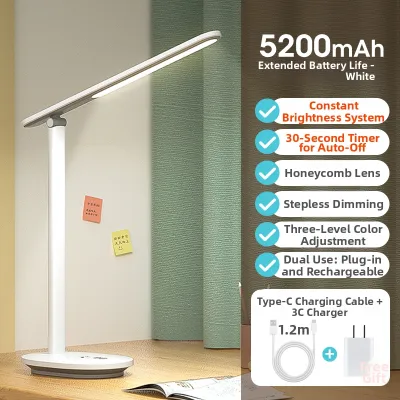
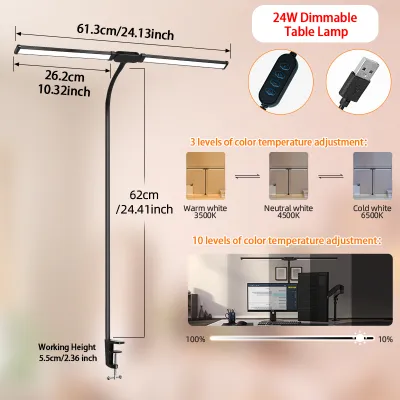
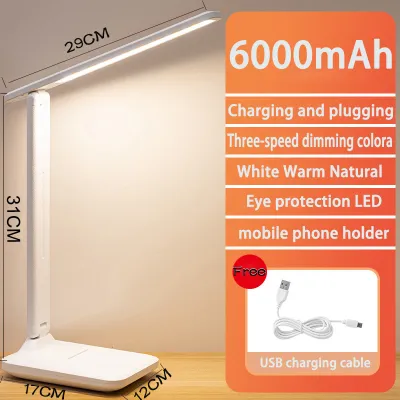
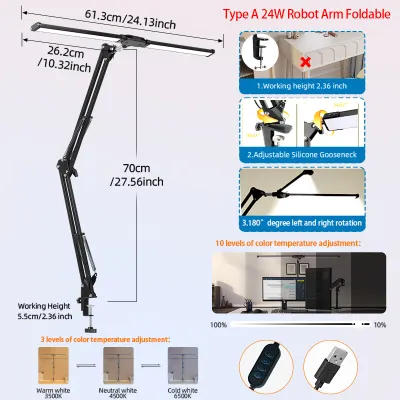
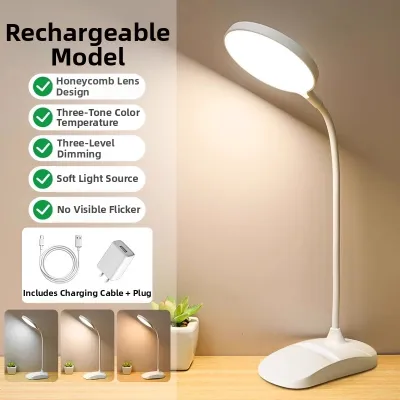
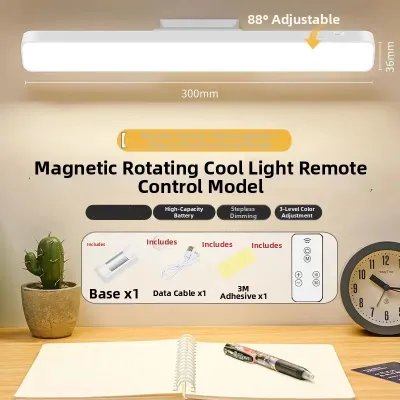
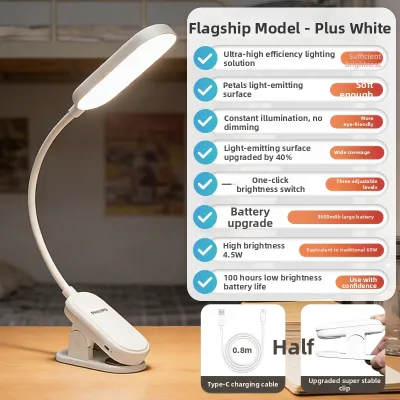
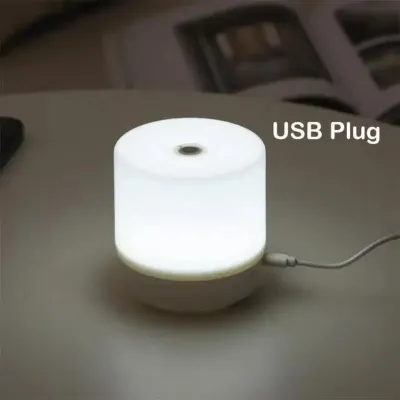
Prices are valid at publication and may change. Please refer to the product page for the latest price.
Second, pay close attention to color temperature and the Color Rendering Index (CRI). Cool white light (typically 4000K to 5000K) mimics natural daylight and is ideal for maintaining focus during intensive reading. Warm light (2700K to 3000K) is softer and better suited for late-night study sessions as it minimizes blue light exposure that can disrupt sleep patterns. A versatile study lamp should offer adjustable color temperature settings and a high CRI rating (ideally Ra 90 or above) to ensure colors are represented accurately.
Finally, flicker and glare control are critical for preventing eye strain. Even if invisible to the naked eye, high-frequency flicker from low-quality LED drivers can cause significant cognitive fatigue over time. Look for lamps that explicitly state they use flicker-free technology. To combat glare, high-quality lamps utilize advanced diffusers or polarized light panels that scatter light evenly, preventing harsh reflections off glossy textbook pages and screens.
Comparing Build Quality and Durability Across Price Tiers
A study lamp is a long-term investment, meaning physical durability is just as important as optical performance. Evaluating how different brand tiers construct their lamps will help you avoid flimsy models that require frequent replacement.

One of the most common issues with budget-friendly lamps is a lack of stability. Lightweight plastic bases often fail to support the weight of the lamp arm when it is fully extended, leading to a high tipping risk on a crowded desk. When comparing models, check the overall weight of the lamp and the footprint of its base. Premium brands often utilize weighted metal bases or heavy-duty desk clamps that secure the lamp firmly to the edge of the desk, freeing up valuable workspace.
The longevity of a study lamp also depends heavily on its joint and hinge tension. Adjustable arms allow you to direct light precisely, but constant movement can wear down cheap plastic joints. Over time, these joints lose their friction, causing the lamp head to droop. Look for lamps featuring reinforced metal hinges or adjustable tension screws that allow you to tighten the joints manually if they loosen over time.
Lastly, never overlook safety certifications. Because study lamps remain powered on for hours, they must meet stringent safety standards. In Singapore, look for recognized safety marks on the product, its power adapter, or the packaging. These marks indicate that the lamp has undergone rigorous testing for electrical insulation, short-circuit protection, and thermal management. Additionally, always isolate the power by unplugging the lamp before cleaning the housing or adjusting tight hinges to prevent any electrical hazards.
Feature Trade-offs: Smart Functions vs. Core Lighting Performance
As technology advances, study lamps are increasingly equipped with smart features. While these additions can be convenient, they often drive up the price. Understanding which features offer genuine value will help you allocate your budget effectively.
Auto-dimming technology and occupancy sensors are popular features in premium study lamps. Auto-dimming uses built-in ambient light sensors to detect the brightness of the room and automatically adjust the lamp’s output. Occupancy sensors turn the lamp off automatically when you leave your desk. While these features are highly convenient, they are not strictly necessary. If you are on a budget, manual dimming controls are a highly effective and reliable alternative that allows you to customize your lighting environment without paying a premium.
Built-in charging ports are another common feature, with many lamps offering USB ports in the base or wireless charging pads. While this can help reduce cable clutter, it is important to verify the power output of these ports. Many integrated USB ports offer basic 5W charging, which is too slow for modern devices. Furthermore, drawing power to charge a device can sometimes cause the lamp’s light to flicker or dim if the internal power supply is not robust enough.
Many smart lamps also feature built-in timers, rest reminders, and study mode presets. While these productivity tools can support good study habits, they can easily be replicated using free smartphone apps or a simple physical timer. When choosing a study lamp, prioritize core optical performance—such as flicker-free drivers and high CRI—over non-essential smart features that do not directly improve eye comfort.
Decision Framework: Which Brand Profile Fits Your Study Setup?
To find the best value, you must match a lamp’s features and design to your specific study environment, daily habits, and budget. There is no single lamp that suits every student, but categorizing your options can simplify the decision-making process.
If you have limited desk space, such as a small study corner in a shared bedroom, a budget-friendly compact lamp is often the most practical choice. These lamps typically feature a small footprint, lightweight design, and simple touch controls with basic brightness adjustments. While they may lack advanced optical engineering or premium metal builds, they provide adequate task lighting for casual reading and computer work without cluttering your desk or breaking the bank.
For students engaged in long, intensive reading sessions, such as those preparing for major examinations, a premium ergonomic lamp is a highly worthwhile investment. These lamps are designed with a focus on eye health, offering wide light distribution, high CRI ratings, and advanced glare-reduction technologies. They often feature highly adjustable, counterbalanced arms that allow you to position the light source perfectly to avoid shadows. Although they require a higher upfront cost, their superior build quality and eye-comfort features provide excellent long-term value.
If your home is already equipped with smart home devices, a smart-ecosystem lamp can offer seamless integration. These lamps connect to your home Wi-Fi or Bluetooth network, allowing you to control brightness, color temperature, and schedules via a smartphone app or voice assistants. This is particularly useful if you want to automate your lighting routines. However, ensure that the smart features do not come at the expense of physical adjustability and high-quality light output.
Regardless of the brand profile you choose, always verify the electrical compatibility of the lamp before making a purchase. Singapore operates on a standard voltage of 230V at a frequency of 50Hz, utilizing Type G 3-pin plugs. If you are purchasing a lamp from an international seller, ensure that the power adapter supports this voltage range and comes with a compatible plug. Using an incompatible voltage rating can damage the lamp’s internal circuitry and pose a serious electrical safety hazard.
Where to Buy and What to Verify Before Checkout
When you are ready to purchase a study lamp, where you buy it can significantly impact your overall satisfaction, warranty coverage, and safety. Navigating online marketplaces and physical retail stores requires a careful approach to avoid common purchasing pitfalls.
When shopping on online marketplaces, you will often find listings from both local and overseas sellers. While cross-border listings may offer lower prices, they frequently carry risks such as incompatible flat-pin plugs, lack of local safety certifications, or damage during transit. Opting for local inventory ensures that the product is designed specifically for the Singapore market and complies with local safety regulations.
A reliable warranty is essential for any electronic device. Before checking out, verify whether the brand offers local warranty support in Singapore. Some international brands require you to ship a faulty lamp back to an overseas service center at your own expense for repairs or replacements. A local warranty ensures that you can easily access customer support, repairs, or replacements if any technical issues arise.
Finally, review the return policies of the retailer or ecommerce platform. Many platforms have strict limitations on returning electrical items once the original packaging has been opened or the lamp has been plugged in. To protect yourself, check if the seller offers a return window for manufacturing defects or shipping damage. If possible, visit a physical retail store or showroom to test the lamp in person. This allows you to assess the build quality, adjustability, and light output firsthand, and you can even use your smartphone camera to check for visible light flicker before making your final decision.
Frequently Asked Questions (FAQ)
Do study lamps need to be replaced every year?
Modern study lamps utilize LED technology, which has an exceptionally long lifespan compared to traditional incandescent bulbs. LEDs do not typically burn out suddenly; instead, they undergo gradual lumen depreciation, meaning they slowly lose brightness over several years of use. You do not need to replace your study lamp on an annual schedule. Instead, consider a replacement only if you observe persistent flickering, a significant drop in brightness that causes eye strain, or physical wear such as frayed power cords or loose, unadjustable joints.
Community discussion
Share your experience or ask a question. Comments are reviewed before publication.