
Finding the best table lamp for bedroom use in Singapore depends on matching a brand’s manufacturing strengths with your specific spatial constraints, lighting habits, and aesthetic preferences. Because no single brand universally excels in every category, the ideal choice hinges on whether you prioritize premium craftsmanship, smart home automation, or simple, cost-effective utility. By evaluating how different brand tiers align with your daily routines, you can select a bedside companion that enhances both your sleep hygiene and your bedroom decor.
Identifying Your Bedroom Lighting Requirements
In Singapore’s typical residential layouts, such as HDB flats or condominiums, bedroom space is often highly optimized. A massive, wide-base lamp might crowd a compact nightstand, leaving little room for a phone, water glass, or book. Conversely, an overly petite lamp might fail to project light at the correct angle for comfortable reading. Understanding your physical space is the first step in narrowing down your options.
Consider the primary function of the lamp. If you use your bedroom primarily for winding down, a lamp that supports low-lumen, warm ambient lighting is essential. For those who read physical books in bed, the lamp must cast focused, glare-free light downward onto the pages without spilling harsh glare into a partner’s eyes. Decorative accent lamps focus more on the sculptural form of the base and the texture of the shade, serving as visual focal points during the day.
Products mentioned in this guide
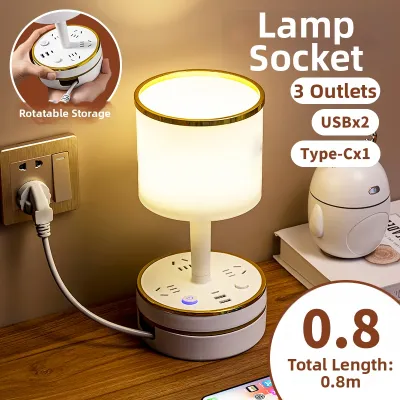
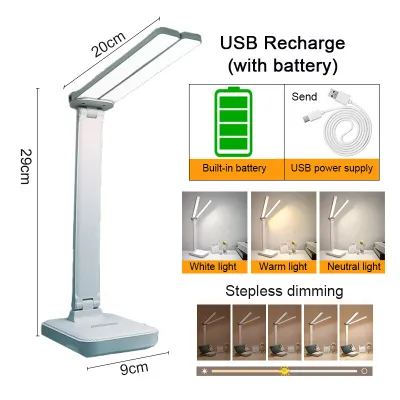
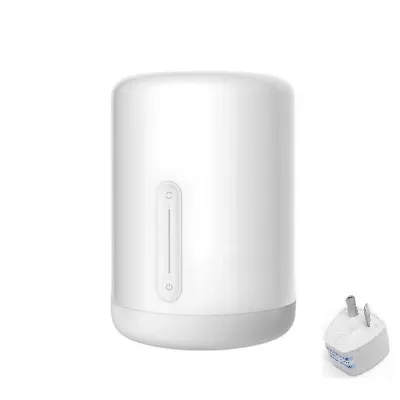
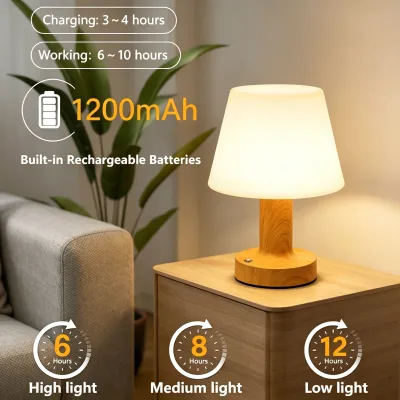
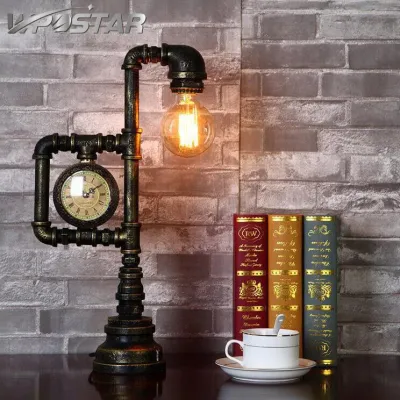
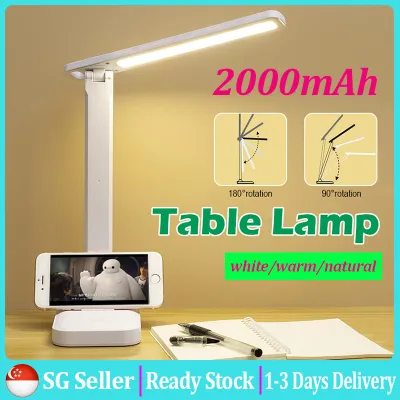
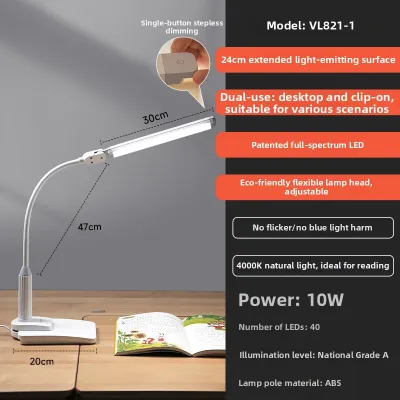
Prices are valid at publication and may change. Please refer to the product page for the latest price.
Measure your nightstand height relative to your mattress. Ideally, the bottom of the lampshade should align roughly with your eye level when you are sitting up in bed. This positioning prevents direct exposure to the bare bulb while ensuring adequate light distribution. Additionally, consider the physical footprint of the lamp base to ensure it leaves sufficient usable surface area on your bedside table.
Your personal aesthetic preferences should also guide your brand selection. Some manufacturers specialize in minimalist, Scandinavian-inspired designs that blend seamlessly into modern interiors, while others focus on classic, ornate styles that add a touch of traditional elegance. Identifying the design philosophy that resonates with your bedroom’s existing decor will help you filter out irrelevant options quickly.
Core Criteria for Comparing Lamp Brands
When comparing manufacturers, material selection is a primary indicator of longevity. High-quality brands utilize solid brass, powder-coated steel, ceramic, or turned wood, which provide the physical weight necessary to prevent accidental tipping. In Singapore’s humid tropical climate, poorly plated metals or low-grade plastics can degrade, tarnish, or become sticky over time. Look for brands that specify rust-resistant finishes or use naturally stable materials like ceramic and glass.

Light quality is another critical differentiator. Brands that integrate LEDs should ideally offer a high Color Rendering Index (CRI) of 90 or above, which ensures colors in your bedroom appear natural and vibrant rather than washed out. If the lamp uses replaceable bulbs, the brand’s shade design should facilitate even light diffusion without creating harsh shadows or hot spots.
The physical interface of the lamp directly affects your nightly experience. Evaluate the placement and type of switch, whether it is an in-line cord switch, a base-mounted touch sensor, or a classic pull chain. For bedroom environments, smooth dimming capabilities—either through a physical dial or step-dimming touch controls—are highly desirable to help your eyes transition from bright evening activities to a restful sleep state.
Finally, assess the consistency of the brand’s manufacturing quality. Well-engineered lamps feature secure socket assemblies, durable power cords, and stable bases with non-slip, non-scratch padding on the bottom. Reading user feedback regarding long-term reliability and checking the manufacturer’s warranty terms can provide valuable insights into the brand’s commitment to quality.
Navigating Brand Tiers and Value Propositions
The market for bedroom table lamps is broadly divided into three distinct tiers, each catering to different priorities and budgets. Premium designer brands focus on architectural aesthetics, hand-finished materials, and limited-run designs. These lamps often function as statement pieces or collectible art, with prices typically starting above S$200. While they offer exceptional visual appeal and tactile quality, their primary value lies in design prestige rather than advanced technological features.
Mass-market functional brands prioritize accessibility, standardized manufacturing, and straightforward utility. Often priced under S$80, these lamps are highly practical options for guest rooms or rental properties where basic illumination is the main requirement. While the materials may include lighter plastics or thin metals, reputable mass-market brands still adhere to strict safety standards and offer reliable, everyday performance.
Smart lighting ecosystem brands bridge the gap between technology and home decor. These manufacturers focus on seamless integration with home automation platforms, allowing users to control brightness, color temperature, and scheduling via mobile apps or voice assistants. While the initial investment for smart lamps and their associated hubs can be higher than traditional fixtures, they offer unparalleled customization for modern, connected households.
Understanding these tiers helps you allocate your budget effectively. If you want a lamp that serves as a visual centerpiece, investing in a premium designer brand is justified. However, if you simply need reliable light for reading, a mass-market functional lamp paired with a high-quality bulb offers excellent value without unnecessary expense.
Crucial Specifications and Safety Checks
Electrical safety is paramount when selecting any light fixture for the bedroom. In Singapore, the standard domestic voltage is 230V at a frequency of 50Hz. Ensure that any imported or locally purchased table lamp is compatible with this standard and features a three-pin Type G plug. Look for the Enterprise Singapore Safety Mark on the power adapter or the lamp itself, which indicates the product has been tested and certified safe for local domestic use.
Always verify the bulb socket specifications before purchasing replacement bulbs. The most common interfaces are E27 (large Edison screw) and E14 (small Edison screw). Never exceed the manufacturer’s stated maximum wattage limit, especially when using traditional incandescent or halogen bulbs, as excessive heat can damage the socket, shade, or internal wiring. If you plan to use a dimmable LED bulb, confirm that both the bulb and the lamp’s built-in dimming switch are explicitly rated as compatible to avoid flickering or buzzing.
Adequate physical clearance is necessary to prevent heat buildup. Ensure the lamp is positioned away from lightweight curtains, mosquito nets, or bedding that could drape over the shade. For integrated LED lamps, check if the driver or power brick has sufficient ventilation space on the floor or behind the nightstand. When performing any maintenance, such as replacing a bulb or cleaning the fixture, always isolate the power by unplugging the lamp from the wall socket first.
Decision Framework: Matching Brand Profiles to Your Needs
To streamline your selection process, establish a clear hierarchy of your personal priorities. If your primary goal is to create a cohesive, high-end interior design scheme, focus your search on premium designer brands. Look for manufacturers that specialize in heavy ceramic bases or hand-blown glass shades that complement your bedroom’s color palette and furniture textures.
If your daily routine revolves around automated schedules—such as waking up to a simulated sunrise or having your bedside light dim automatically at bedtime—a smart lighting ecosystem is the logical choice. Before purchasing, verify whether the lamp requires a proprietary smart hub or if it can connect directly to your existing home Wi-Fi network or smart assistant. Ensure that other family members can easily operate the lamp via physical switches or wireless remotes so they are not entirely dependent on a smartphone app.
For budget-conscious setups or minimalist bedrooms, functional mass-market brands offer the most practical path. You can easily pair a simple, well-constructed lamp base with a high-quality, independent smart bulb to achieve a balance of affordability and modern functionality. Always measure your bedside table and compare it against the lamp’s footprint and height specifications before finalizing your purchase to ensure a perfect physical fit.
Frequently Asked Questions (FAQ)
Do I need a smart table lamp for my bedroom?
Smart table lamps offer significant convenience through automated sleep timers, gradual wake-up schedules, and hands-free voice control, which can be highly beneficial if you read in bed or struggle to wake up in the morning. However, they do introduce added complexity, requiring a stable Wi-Fi connection, regular app updates, and compatibility with your existing smart home ecosystem. If you prefer a simple, distraction-free bedroom environment, a traditional lamp with a physical switch remains a highly reliable and user-friendly alternative.
What is the ideal color temperature for bedside reading?
For bedside reading and winding down before sleep, a warm color temperature between 2700K and 3000K is highly recommended. This warm, golden light minimizes exposure to blue light wavelengths, which can interfere with your body’s natural melatonin production and disrupt sleep cycles. Opting for a lamp with adjustable color temperature or a smooth dimming function allows you to use slightly cooler, brighter light for focused reading, then transition to a soft, low-lumen glow as you prepare to sleep.
Community discussion
Share your experience or ask a question. Comments are reviewed before publication.