
Finding the ideal lamp bedroom readers can rely on for late-night reading is not about choosing a single, universally celebrated brand. Instead, it is about matching a brand’s technical engineering with your personal sleeping habits, physical bedside space, and visual sensitivity.
Professional ergonomic brands prioritize optical precision, making them the preferred choice if you read for hours or experience frequent eye strain. Smart ecosystem brands focus on automated wind-down routines, which suit those who want their light to dim gradually as they drift off to sleep. Premium designer brands emphasize craftsmanship and ambient warmth, elevating your bedroom decor while serving occasional, short-form readers.
To make an informed decision, look past marketing buzzwords and evaluate hard optical specifications, such as color rendering index, flicker metrics, and physical adjustability. By understanding how different manufacturing philosophies impact your eyes, you can select a fixture that protects your sight and complements your sleep environment.
Products mentioned in this guide
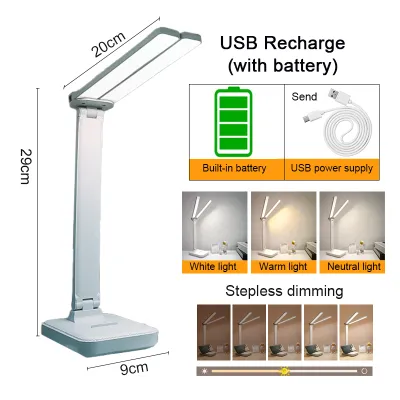
![[SG Local Stock] 2000mAh LED Table Lamp Study Foldable Desk Light Bedroom Bedside Touch Control Dimmable USB Rechargeable 台灯 CNY Gift Present](https://img.lazcdn.com/g/p/254b9aa79170e7ac80d5ab37505c1212.jpg_400x400q80.jpg_.webp)
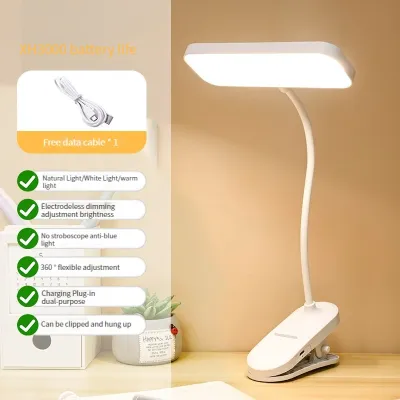
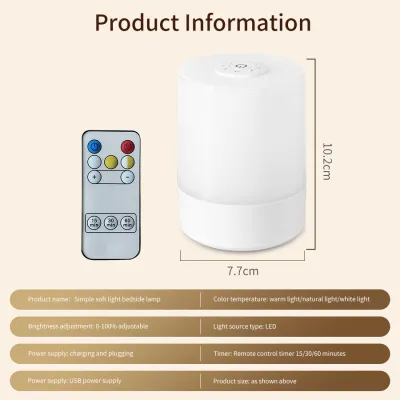
Prices are valid at publication and may change. Please refer to the product page for the latest price.
Key Optical Metrics to Evaluate Brand Claims
When comparing bedroom lighting, you will encounter various marketing claims regarding eye comfort and strain reduction. To cut through the promotional language, you must understand the technical metrics that govern how light interacts with your eyes and the pages of your book.
Illuminance and Light Uniformity
Illuminance refers to the amount of light that falls on a specific surface, measured in lux. For comfortable reading of standard printed text, the target area should receive between 300 and 500 lux. However, sheer brightness is only half the equation; light uniformity is equally critical for preventing visual fatigue.
When a lamp creates a bright hotspot directly under the bulb while leaving the edges of your book in deep shadow, your eyes must constantly adjust as you read across the page. This continuous pupillary constriction and dilation lead to rapid eye strain, a condition known as asthenopia. High-quality reading lamps are engineered to distribute light evenly across a wide task area, maintaining a uniformity ratio (the minimum illuminance divided by the average illuminance) of 0.5 or higher. Look for brands that publish polar curves or light distribution diagrams to verify these claims.
Color Temperature and Color Rendering
Color temperature, measured in Kelvins (K), dictates the warmth or coolness of the light. Cooler light (around 4000K to 5000K) enhances contrast and mental alertness, making it excellent for studying or reading highly detailed text. However, exposure to cool blue light in the evening suppresses the secretion of melatonin, a hormone critical for regulating sleep cycles.
For bedtime reading, a lamp with adjustable color temperature is highly beneficial. Shifting the light to a warm 2700K or even 2200K mimics the natural sunset, signaling to your brain that it is time to wind down while still providing sufficient light to read.
Alongside color temperature, consider the Color Rendering Index (CRI or Ra), which measures how accurately a light source reveals the true colors of objects compared to natural sunlight. A low CRI makes text look muddy and reduces the contrast between ink and paper. For reading comfort, prioritize lamps with a CRI of Ra 90 or higher, which ensures sharp, clear text and vibrant illustrations.
Glare Control and Flicker Mitigation
Glare is one of the most common causes of immediate eye discomfort. It occurs in two forms: direct glare from looking straight at an exposed bulb, and reflected glare, which bounces off glossy book pages or tablet screens. Premium brands mitigate glare by using physical diffusers, honeycomb louvers, or asymmetric optical designs that direct light onto your reading material at an angle, keeping the light source itself out of your direct line of sight.
Flicker is another hidden culprit of eye fatigue, headaches, and general discomfort. While high-frequency flicker is invisible to the naked eye, your photoreceptors still detect it, forcing your brain to process the rapid fluctuations in light intensity. Cheap LED drivers often produce significant flicker, especially when dimmed. To ensure safety, verify that a brand complies with recognized electrical standards, such as IEEE 1789, which defines limits for flicker-free performance across various dimming levels.
How Different Brand Categories Approach Eye Care for a Lamp Bedroom Setup
Different manufacturing sectors approach bedroom lighting with distinct design philosophies. Understanding these categories helps you identify where a brand’s priorities lie and what trade-offs you will need to accept.

Professional Lighting and Ergonomic Brands
Professional ergonomic brands focus heavily on optical engineering, task performance, and physical adjustability. These manufacturers design fixtures specifically to support focused visual work, applying advanced technology to minimize eye strain over long periods.
- Optical Precision: These lamps frequently feature asymmetric light distribution, which casts a wide, even pool of light across your reading surface without spilling onto your sleeping partner's side of the bed.
- Advanced Drivers: They utilize high-quality direct current (DC) drivers or ultra-high-frequency pulse-width modulation (PWM) to eliminate invisible flicker entirely, even at low brightness settings.
- Mechanical Adjustability: Multi-jointed, counterbalanced arms allow you to position the light source precisely where you need it, preventing shadows cast by your head or hands.
While these brands offer outstanding optical performance, their designs tend to be highly functional, industrial, or minimalist. They may not seamlessly blend with traditional or highly decorative bedroom aesthetics, and they generally represent a higher upfront financial investment.
Smart Home and Tech Ecosystem Brands
Smart home brands integrate lighting into a broader digital ecosystem, prioritizing automation, scheduling, and wireless control. These lamps are designed to adapt dynamically to your daily routines.
- Circadian Syncing: Many smart lamps can automatically transition from a cool, bright daylight spectrum in the morning to a warm, dim amber glow in the evening, aligning with your natural circadian rhythms.
- Seamless Control: You can operate these lamps via smartphone apps, voice assistants, or wireless physical buttons placed on your nightstand, eliminating the need to reach for a physical switch on the lamp itself.
- Variable Optical Quality: Because these brands focus heavily on software and connectivity, the physical LED quality and driver engineering can vary significantly between models.
When choosing a smart brand, do not assume that advanced software translates to eye comfort. It is essential to double-check the physical specifications, ensuring the model offers a high CRI (Ra 90+) and verified flicker-free performance alongside its smart capabilities.
Premium Designer and Decor Brands
Premium designer brands prioritize aesthetic beauty, sculptural forms, and luxury materials. These fixtures are intended to serve as visual centerpieces in your bedroom decor while providing ambient illumination.
- High-End Craftsmanship: These lamps feature premium materials such as hand-blown glass, brushed brass, ceramic, or solid wood, offering exceptional build quality and tactile appeal.
- Ambient Diffusion: Many designer lamps use frosted glass, fabric shades, or indirect light paths to create a soft, warm glow that enhances the cozy atmosphere of a bedroom.
- Task Limitations: Because these fixtures are designed primarily for ambient mood lighting, they often lack the directional adjustment and high-intensity output required for prolonged, focused reading.
If you choose a designer brand, check if the fixture utilizes integrated LEDs or standard screw-in bulb sockets (such as E27 or E14). If it uses standard sockets, you can significantly improve its reading comfort by installing a high-quality, dimmable LED bulb with a high CRI and adjustable color temperature.
Bedroom Usability and Electrical Safety Checks
Before finalizing your purchase, you must evaluate how the lamp will physically fit into your bedroom environment and ensure it meets local safety standards.
Space, Reach, and Adjustability
Bedside tables in modern apartments and homes are often compact. A lamp with a massive, heavy base can quickly crowd your nightstand, leaving little room for your phone, glasses, or a glass of water. Measure your table surface and compare it against the lamp’s footprint before buying.
Consider how the lamp’s physical reach aligns with your headboard and sleeping position. If you enjoy sitting upright against a tall headboard to read, a short, fixed-height lamp will likely cast shadows or shine directly into your eyes. An adjustable arm or a taller neck allows you to position the light source above and slightly behind your shoulder, directing the light onto your pages without creating glare or disturbing a partner sleeping beside you.
Control Convenience for Bedtime
Operating a lamp should be effortless, especially when you are drowsy and ready to sleep. Fumbling for an inline rocker switch on a cord that has slipped behind your nightstand is frustrating and disruptive to your sleep prep.
Look for lamps with intuitive, easily accessible controls. Touch-sensitive bases, rotary dimmers located on the lamp head, or wireless remote buttons are highly practical for bedside use. If you prefer smart control, ensure you can dim or turn off the lamp via voice commands or a physical smart button placed within arm’s reach of your pillow, allowing you to transition to sleep without sitting up or moving.
Electrical Safety and Heat Management
In Singapore, residential electrical systems operate at 230V and 50Hz. When purchasing a lamp, especially from international online marketplaces, verify that the device is rated for this voltage and comes with a compatible local plug type. For peace of mind, check that the power adapter or the integrated fixture carries the Enterprise Singapore SAFETY Mark, indicating it has been tested and certified safe for domestic use.
Heat management is another crucial safety consideration in a bedroom. While LEDs run significantly cooler than traditional incandescent or halogen bulbs, their internal drivers still generate heat. Ensure the lamp design allows for proper heat dissipation, particularly if the fixture is placed near flammable materials like curtains, pillows, or bedding. Always follow the manufacturer’s instructions regarding clearance distances and maximum bulb wattages.
Decision Framework: Choosing the Right Brand Type
To select the ideal brand category for your bedroom, match your reading habits and space constraints to the following profiles:
- Choose Professional Ergonomic Brands if: You read for extended periods every night, suffer from dry eyes or frequent headaches, and prioritize optical precision, glare control, and highly adjustable physical arms over smart home integration or decorative styling.
- Choose Smart Ecosystem Brands if: You want your lighting to integrate seamlessly with your bedtime routines, value features like automatic dimming schedules and voice control, and are willing to carefully verify optical specifications to ensure the specific model protects your eyes.
- Choose Designer Brands if: Your lamp serves primarily as a decorative statement piece, you prioritize high-end materials and ambient bedroom styling, and you only read occasionally or for short periods in bed.
- Verify First if: You are purchasing your lamp online. Always check the retailer's return policy and warranty terms. Read verified user reviews to assess the actual build quality, joint stability, and glare performance in real-world bedroom settings before committing to a purchase.
Frequently Asked Questions (FAQ)
Is a dedicated reading lamp better than a standard bedside lamp?
Yes, a dedicated reading lamp is significantly better for your eyes than a standard bedside lamp. Standard bedside lamps are typically designed to provide diffuse, omnidirectional ambient light, which is excellent for illuminating a room but insufficient for focused reading. Reading with insufficient, uneven light forces your eyes to work harder, leading to rapid fatigue. Dedicated reading lamps offer directional, adjustable, and glare-controlled illumination, allowing you to focus light directly on your book or screen while keeping the surrounding environment comfortably dim.
What is the ideal color temperature for reading in bed?
The ideal color temperature for reading in bed depends on your immediate goal. If you are reading to study or maintain focus, a neutral white light of around 4000K provides excellent contrast and clarity. However, if you are reading to wind down before sleep, you should transition to a warm white light of 2700K or lower. Warmer light wavelengths are far less disruptive to your body’s natural melatonin production, helping you ease into a deep, restful sleep when you close your book.
Community discussion
Share your experience or ask a question. Comments are reviewed before publication.