
Choosing an emergency battery light for a Housing & Development Board (HDB) flat is not about finding a single universal winner, but rather about matching the light’s performance profile to the specific layout of your home. In Singapore’s high-rise residential landscape, power outages are rare but can be highly disruptive when they occur. Mainstream household brands generally prioritize long-term reliability, moderate and comfortable brightness levels (typically 100 to 300 lumens), and robust safety circuits, making them excellent choices for bedrooms, corridors, and enclosed household shelters. On the other hand, specialty high-output brands focus on maximum illumination (often exceeding 500 to 1,000 lumens) to flood large, open-concept living and dining areas, though they usually trade off battery runtime or require a much larger physical footprint to house higher-capacity batteries.
To make an informed decision, you must evaluate your primary objective. If you require sustained, glare-free illumination to navigate smaller rooms safely over several hours, mainstream brands with balanced outputs are highly recommended. If your goal is to maintain near-normal visibility in a spacious living area where family members gather, a high-output specialty portable light or work-light style emergency fixture is the more appropriate choice. Always check the manufacturer’s technical specifications to ensure the product’s battery chemistry, charging voltage, and mounting options align with your HDB’s electrical and spatial layout.
Key Performance Metrics for HDB Emergency Lighting
To select the ideal emergency battery light, you must understand how technical metrics translate directly into the physical dimensions of a Singaporean HDB flat. The two primary specifications to evaluate are brightness, measured in lumens, and battery runtime, measured in hours.
Products mentioned in this guide
![NUSHI NS-2024 RECHARGEABLE EMERGENCY LIGHT / LANTERN / USB CHARGE / 24 SMD LED / CHARGING INDICATOR / 4000 MAH BATTERY POWER / UNBREAKABLE COVER / SUPER BRIGHT LED / 1 YR SG WARRANTY [ FAST SHIPPING ]](https://img.lazcdn.com/g/p/69d7cf24e526aef07c226d36e01149d8.jpg_400x400q80.jpg_.webp)
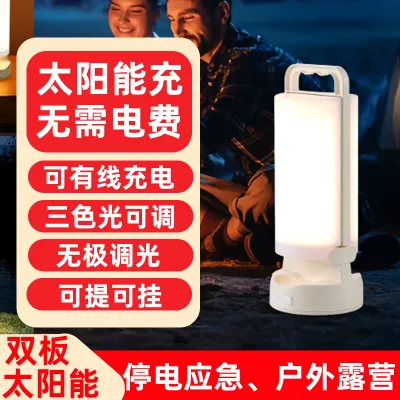
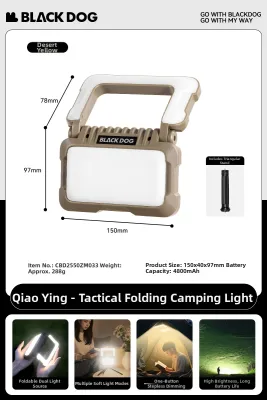
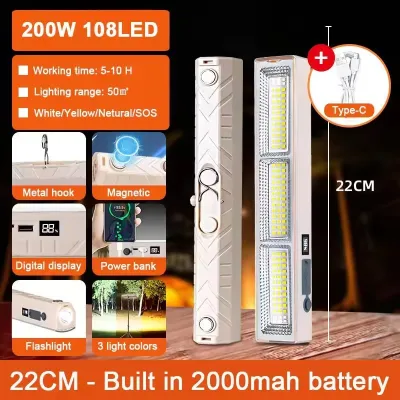
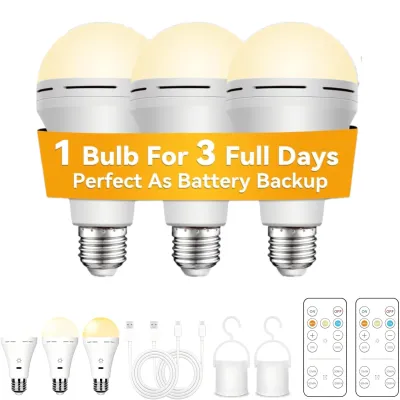
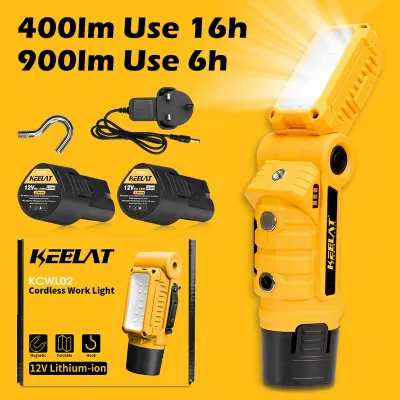
Prices are valid at publication and may change. Please refer to the product page for the latest price.
Brightness (Lumens) vs. Room Size Lumens measure the total amount of visible light emitted by a source. In an HDB flat, the utility of these lumens depends entirely on the room’s square footage and wall placement. For instance, a standard HDB bedroom or a reinforced household shelter (commonly referred to as the bomb shelter) typically measures between 5 and 12 square meters. In these confined spaces, an excessively bright light—such as one emitting 800 lumens—will reflect harshly off the painted concrete walls, creating intense glare and eye strain. For these smaller rooms, a light output of 100 to 300 lumens is highly sufficient to read, locate items, and move comfortably without discomfort. Conversely, modern HDB living and dining rooms often feature open-concept layouts spanning 25 to 40 square meters. To illuminate such an expansive area and eliminate deep shadows around furniture, a higher output of 500 to 1,000 lumens is necessary. This level of brightness ensures that light disperses effectively across the wider floor plan, allowing family members to gather safely.
Battery Runtime and Power Source The duration for which an emergency light can operate depends on its battery capacity, typically rated in milliampere-hours (mAh) or Watt-hours (Wh), as well as the efficiency of its light-emitting diodes (LEDs). Most modern emergency lights utilize rechargeable batteries, primarily falling into two chemical categories: Lithium-ion (Li-ion) and sealed Lead-Acid (SLA). Lithium-ion batteries are highly favored in contemporary designs because they offer superior energy density, meaning they can store more power in a lightweight, compact frame. They also maintain their charge longer when stored and do not suffer from the “memory effect” associated with older battery types. Lead-acid batteries, while heavier and bulkier, are still found in some budget-friendly or traditional wall-mounted emergency twin-spot lights. However, they require more diligent maintenance, as allowing them to discharge completely can permanently damage their capacity to hold a charge.
Singapore’s tropical climate, characterized by high ambient temperatures and humidity levels that regularly exceed 80%, presents a challenging environment for battery storage. Heat is the primary enemy of chemical batteries, accelerating the rate of self-discharge and causing internal components to degrade faster. When a Lithium-ion battery is kept at 100% charge in a warm room, its capacity can diminish permanently over a year or two. Therefore, understanding the thermal limits and storage recommendations of your chosen emergency light is vital. High-quality models are engineered with thermal cut-offs that pause charging if the battery temperature rises too high, protecting your household from potential fire hazards.
Marketing vs. Reality When shopping for an emergency battery light, you must approach manufacturer runtime claims with a degree of skepticism. Packaging often boasts impressive operating times, such as “up to 24 hours of continuous light.” In almost all cases, this maximum figure is achieved only when the device is operated on its lowest “eco” or “nightlight” setting, which may emit as little as 10 to 30 lumens—barely enough to illuminate a small closet. To avoid being left in the dark, always look for the rated runtime at the maximum brightness setting. A high-quality emergency light should ideally provide at least 3 to 4 hours of illumination at its highest lumen output, which is generally sufficient to outlast the vast majority of localized power grid maintenance windows or minor blackouts in Singapore.
How Leading Emergency Battery Light Brands Compare
When comparing emergency light options for your HDB flat, the market is broadly divided into two segments: established mainstream lighting manufacturers and specialty high-output or portable light brands. Each category presents distinct advantages and trade-offs in terms of build quality, light quality, and battery management.

Mainstream Lighting Brands (e.g., Philips, Panasonic)
Mainstream brands enjoy a strong reputation in Singapore due to their strict adherence to international safety standards and consistent manufacturing quality. These manufacturers design products primarily for residential environments where safety, ease of use, and aesthetic integration are paramount.
The brightness profile of mainstream brands is generally conservative, typically ranging from 150 to 350 lumens. Rather than competing on raw power, these brands focus on optical comfort. They often incorporate frosted diffusers or specialized lens patterns that distribute light evenly, minimizing harsh glare and shadows. This makes them exceptionally well-suited for HDB bedrooms, kitchens, and corridors, where a soft, ambient glow is preferred over a blinding spotlight.
In terms of battery technology, mainstream brands almost exclusively utilize high-grade rechargeable batteries coupled with sophisticated battery management systems (BMS). These systems prevent the common hazards associated with rechargeable devices, such as overcharging, over-discharging, and short-circuiting. Because these units are designed to remain plugged into a wall outlet indefinitely, the quality of the charging circuitry is critical. A reliable BMS ensures that the battery does not degrade prematurely or pose a thermal risk while constantly connected to your home’s electrical grid.
Furthermore, mainstream brands frequently construct their emergency light casings from fire-retardant ABS plastic, adding an extra layer of safety in domestic settings. Many of these units also feature a physical “test button” on the exterior. Pressing this button temporarily interrupts the mains power supply internally, allowing you to quickly verify that the battery, switching relay, and LED elements are all functioning correctly without having to turn off your home’s main distribution board breaker. This simple diagnostic tool is invaluable for routine household safety checks.
Before purchasing a mainstream emergency light, always verify the exact specifications on the product label. Check whether the battery is user-replaceable, as even the highest-quality lithium batteries will eventually lose capacity after several years of continuous trickle-charging. Additionally, confirm the physical dimensions of the unit to ensure it can sit comfortably on a shelf, mount discreetly on a wall, or fit inside your distribution board (DB) box cabinet without cluttering the space.
High-Output and Specialty Portable Brands
Specialty brands and high-output portable lights cater to users who prioritize maximum illumination, rugged durability, and versatility. These products often borrow technology from professional work lights, outdoor camping lanterns, or industrial emergency fixtures, utilizing advanced LED arrays such as Chip-on-Board (COB) or dense Surface-Mounted Device (SMD) configurations.
The defining characteristic of these specialty lights is their intense brightness, which frequently ranges from 500 to well over 1,000 lumens. This high output is achieved by driving multiple high-power LEDs simultaneously, creating a floodlight effect that can easily illuminate an entire HDB living room, dining area, or kitchen from a single central location. This makes them incredibly useful during extended blackouts or when detailed manual tasks must be performed during an outage.
However, this high performance comes with a clear physical trade-off. High-power LEDs consume electrical energy at a rapid rate, which can deplete a standard battery within an hour or two. To counteract this, specialty brands must equip their units with much larger, higher-capacity batteries, often ranging from 4,000mAh to 8,000mAh. Consequently, these emergency lights are significantly bulkier and heavier than their mainstream counterparts. They also generate more heat, requiring built-in safety features like aluminum heat sinks or ventilated casings to prevent overheating during prolonged operation.
The technological distinction between COB (Chip on Board) and SMD (Surface-Mounted Device) LEDs is particularly relevant when evaluating these high-output specialty lights. COB LEDs package multiple light-emitting chips together in a single module, creating a highly concentrated, uniform light source that behaves like a single wide beam. This design eliminates the “multi-shadow” effect common with older multi-LED arrays, making it much easier on the eyes when trying to read or perform detailed tasks during a blackout. SMD LEDs, while slightly more directional, are highly efficient and are often arranged in adjustable panels that can be angled to bounce light off ceilings or walls, providing soft, indirect illumination across a large living area.
When evaluating a high-output specialty light, you must carefully check the technical specifications for the runtime-to-brightness ratio. Verify how long the unit can sustain its maximum lumen output before automatically stepping down to a lower brightness level to conserve power. Additionally, check if the device features multiple brightness modes (such as High, Medium, and Low), which allows you to manually dial down the intensity to extend battery life when maximum brightness is not required.
HDB-Specific Placement and Charging Considerations
Integrating emergency lighting into an HDB flat requires careful consideration of the home’s spatial constraints, construction materials, and electrical environment.
Charging Habits and Battery Health The longevity of your emergency light’s battery is heavily influenced by how you charge and store the device. In Singapore’s warm, humid climate, batteries are subjected to higher ambient temperatures, which can accelerate chemical degradation. If your emergency light features a modern Lithium-ion battery, keeping it plugged into the mains continuously is generally safe, provided the device has a certified overcharge protection circuit. This ensures the battery stops drawing current once it reaches full capacity. However, for older or budget-friendly models utilizing lead-acid batteries, leaving them plugged in indefinitely without periodic discharge can lead to “dry-out” or sulfation, drastically reducing their lifespan. To maximize battery health, it is highly recommended to perform a manual discharge test every three to six months. Simply unplug the unit from the wall and allow it to run on battery power for 30 to 60 minutes before plugging it back in to recharge.
Space Constraints and Mounting HDB flats are known for their efficient use of space, meaning bulkier emergency lights can easily become unsightly clutter. Furthermore, HDB interior walls are typically constructed of thick, reinforced concrete, making drilling and wall-mounting a challenging task that requires a masonry drill bit and wall plugs. To avoid drilling, look for emergency lights that offer versatile, non-invasive mounting solutions. Lights with strong magnetic bases can be easily attached to the metal door of your DB box, the side of a refrigerator, or steel shelving units. Foldable stands, built-in hooks, or compact, flat-bottomed designs allow you to place the light securely on top of shoe cabinets, bookshelves, or kitchen counters. For the household shelter, which features a heavy steel door and solid concrete walls, a magnetic or hook-mounted light is particularly useful, as it can be positioned high up on the steel door frame to cast light downward over the entire space. If you choose a fixed-wire emergency light instead of a portable plug-in model, always isolate the power supply at the main circuit breaker before starting installation. Ensure you follow the manufacturer’s installation instructions precisely, and consult a licensed electrical worker (LEW) in Singapore for any complex electrical wiring to comply with local safety regulations.
Electrical Safety and Singapore Standards Singapore’s domestic electrical grid operates at a standard voltage of 230V AC at a frequency of 50Hz. When purchasing an emergency battery light that plugs directly into a wall outlet or uses an external AC adapter, safety must be your absolute priority. Under the Consumer Protection (Safety Requirements) Registration Scheme administered by Enterprise Singapore, AC adapters and battery chargers are classified as Controlled Goods. This means they must undergo rigorous testing to meet safety standards before they can be legally sold in Singapore. Always look for the blue “SAFETY Mark” sticker on the power adapter or the device itself. This mark guarantees that the charger has been certified safe against electrical short-circuits, overheating, and insulation breakdown, giving you peace of mind when leaving the device plugged in overnight or while you are away from home. Avoid purchasing unbranded emergency lights directly from overseas online sellers, as these devices often lack the necessary safety certifications and may pose a serious fire hazard.
The SAFETY Mark registration scheme, overseen by Enterprise Singapore, is a critical safeguard for consumers. When an electrical accessory like an AC adapter is certified, it is issued a unique 8-digit registration number which is printed alongside the SAFETY Mark logo. Consumers can easily verify the validity of this certification by entering the registration number into the online database of the Consumer Product Safety Office. This step is highly recommended if you are purchasing an emergency battery light from online marketplaces where third-party sellers may display falsified safety logos. Ensuring your device is genuinely registered protects your home from electrical overloads, short circuits, and potential electrical fires.
Decision Framework: Matching the Light to Your Room
To help you make the final decision, use this structured framework to match the right emergency battery light to the specific rooms and layouts within your HDB flat.
The Bedroom or Study Sanctuary
- Primary Need: Soft, glare-free lighting that allows for safe movement and basic tasks without causing visual discomfort.
- Recommended Brightness: 100 to 250 lumens.
- Ideal Choice: Mainstream brands (such as Philips or Panasonic) featuring frosted diffusers and compact designs. These units fit neatly on bedside tables or study desks and offer reliable, long-lasting battery runtimes.
The Living and Dining Hub
- Primary Need: Broad, high-intensity illumination to cover a large, open-concept area and eliminate shadows around furniture.
- Recommended Brightness: 500 to 1,000 lumens.
- Ideal Choice: High-output specialty portable brands or multi-functional work lights. Look for models with adjustable stands or wide-angle LED arrays that can be placed centrally to flood the entire room with light.
The Household Shelter (Bomb Shelter)
- Primary Need: A compact, highly reliable light source that can be easily accessed and mounted inside a small, windowless concrete room.
- Recommended Brightness: 150 to 300 lumens.
- Ideal Choice: A compact emergency light equipped with a magnetic base or a hanging hook. This allows you to mount the light directly onto the steel door frame or metal storage racks, maximizing floor space.
The Pre-Purchase Verification Checklist Before finalizing your purchase on any online marketplace or local lighting store, always verify the following specifications:
- Lumens: Ensure the product listing states the actual lumen output, rather than a vague "watt equivalent" or "super bright" claim.
- Battery Chemistry: Opt for Lithium-ion (Li-ion) batteries for better longevity, lighter weight, and lower self-discharge rates.
- SAFETY Mark: Confirm that the charging adapter carries the official Singapore SAFETY Mark to ensure electrical safety.
- Warranty: Look for brands that offer at least a 12-month local warranty, which provides recourse if the rechargeable battery fails prematurely.
Frequently Asked Questions (FAQ)
Can I leave my emergency light plugged in all the time?
Yes, most modern emergency battery lights from reputable brands are designed to be left plugged into a wall outlet continuously. These models feature built-in overcharge protection circuits that automatically stop drawing current once the battery is fully charged, preventing overheating and battery degradation. However, cheaper or older models may lack these advanced safety features, which can lead to battery swelling or reduced lifespan if left plugged in indefinitely. Always consult the manufacturer’s instruction manual to confirm if continuous charging is supported. Additionally, ensure the charging adapter carries the Singapore SAFETY Mark for guaranteed electrical safety.
How many lumens do I need for an HDB household shelter?
For a standard HDB household shelter, a light output of 100 to 300 lumens is generally sufficient. Because these shelters are compact, windowless rooms with solid concrete walls, light reflects highly off the painted surfaces. An excessively bright light (such as one over 500 lumens) will create intense glare and harsh shadows, making the small space uncomfortable to remain in. A moderate, diffused light source of 150 lumens will provide ample visibility to locate emergency supplies, read instructions, and move safely without causing eye strain.
Community discussion
Share your experience or ask a question. Comments are reviewed before publication.