
Quick Answer: Which Jellyfish Lamp Brand Tier Fits Your Needs?
Choosing the right jellyfish lamp depends primarily on whether you prioritize hyper-realistic marine simulation or simple, colorful ambient room decor. There is no single brand that fits every household, as the market is divided into distinct tiers that balance visual realism, motor noise, material longevity, and price.
Premium specialty brands focus on creating a silent, therapeutic experience. They utilize advanced fluid dynamics and high-grade materials to mimic the graceful, laminar movement of real jellyfish, though they require a higher initial investment. Conversely, budget novelty brands offer basic color-changing effects at a lower price point, but they often come with audible motor hums, simpler plastic construction, and less realistic movement patterns.
By understanding these trade-offs, you can select a lamp that matches your target environment, whether it is a quiet bedroom, a lively sensory space, or a professional office desk. This guide compares these brand tiers across projection quality, lighting modes, build materials, and pricing to help you make an informed decision.
Products mentioned in this guide
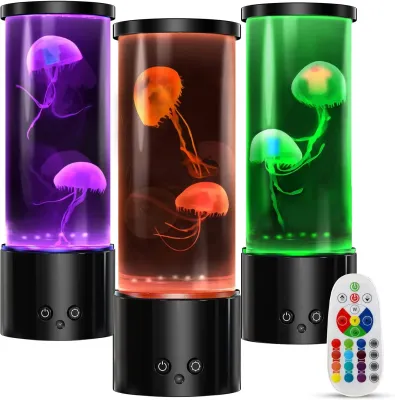
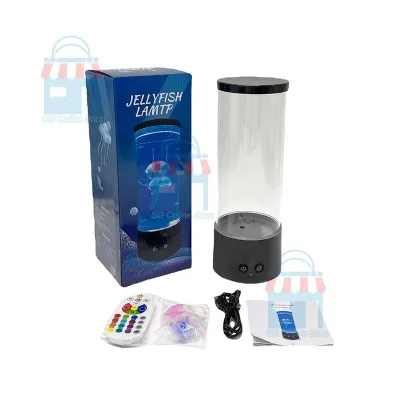
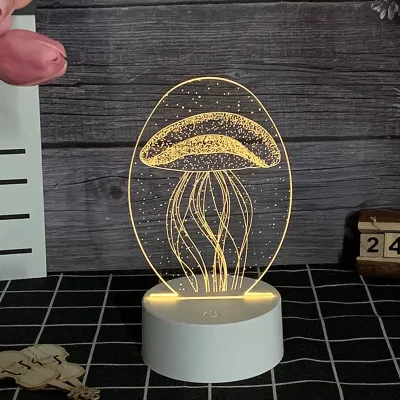
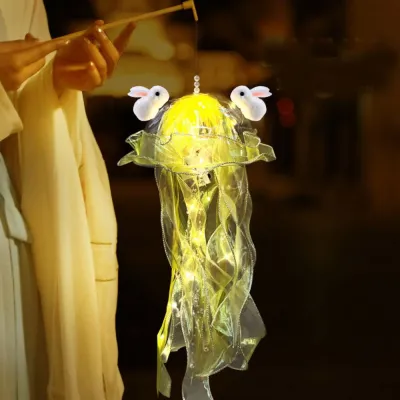


Prices are valid at publication and may change. Please refer to the product page for the latest price.
Core Comparison Dimensions: Projection, Lighting, and Build Quality
Evaluating a jellyfish lamp requires looking beyond its initial visual appeal. To understand why some models cost significantly more than others, you must examine the engineering behind their water circulation, lighting systems, and structural components.

Projection Quality and Fluid Dynamics
The realism of a jellyfish lamp relies entirely on its internal fluid dynamics. Premium designs aim for laminar flow, where water moves in smooth, parallel paths, allowing the silicone jellyfish to glide gracefully up and down without chaotic tumbling. Cheaply engineered pumps often create turbulent flow, causing the jellyfish to spin unnaturally, clump together at the top, or get trapped in the corners of the tank.
Optical clarity also plays a major role in projection quality. High-end tanks use specialized water-clearing designs and optimized jet placements that prevent stagnant pockets. This ensures that the light projecting through the water remains sharp, casting realistic, undulating water ripple patterns onto your walls and ceiling rather than a blurry, static glow.
Lighting Modes and Color Customization
The visual impact of a jellyfish lamp is determined by its light-emitting diode (LED) configuration. Basic models feature standard RGB LEDs that cycle through a fixed sequence of red, green, and blue. More sophisticated units incorporate RGBW (Red, Green, Blue, White) systems, allowing for softer pastel tones, dedicated warm white ambient modes, and customizable color blending.
Beyond the color spectrum, the quality of the LEDs affects how the light interacts with the translucent silicone of the jellyfish. High-quality lamps utilize LEDs with a high Color Rendering Index (CRI) to make the fluorescent pigments in the silicone bodies pop vividly. They also offer smooth, flicker-free dimming and gradual transition modes, which are essential if you plan to use the lamp as a calming sleep aid.
Build Quality and Structural Integrity
The materials used in the construction of the tank dictate both its durability and its long-term appearance. Budget lamps typically use polystyrene or basic polycarbonate, which scratch easily and can yellow over time when exposed to light. Premium models employ high-grade polymethyl methacrylate (PMMA), commonly known as acrylic, which offers superior optical clarity, high impact resistance, and excellent UV stability.
Structural integrity is equally critical for preventing leaks and electrical hazards. Because the water pump sits directly adjacent to or beneath the electrical housing, high-quality brands utilize double-sealed motor compartments and robust gaskets. Additionally, a wide, weighted base lowers the center of gravity, reducing the risk of the lamp tipping over if placed on a bedside table or desk.
Brand Tiers Compared: Premium Specialty vs. Home Decor vs. Budget
To navigate the market effectively, it helps to categorize jellyfish lamps into three primary tiers. Each tier targets a different user scenario, balancing performance features against retail pricing.
Premium Specialty Brands
Premium specialty brands design their products as high-end decor and therapeutic sensory tools. These brands prioritize whisper-quiet operation by using brushless magnetic drive pumps, which eliminate the friction and noise associated with traditional mechanical impellers. The tanks are constructed from thick, optical-grade acrylic, and the jellyfish are molded from ultra-thin, medical-grade silicone that mimics biological buoyancy.
In Singapore, these premium models generally range from S$100 to over S$250. They are engineered for continuous, daily use in professional offices, sensory therapy rooms, or as permanent living room centerpieces. Buyers in this tier receive comprehensive instruction manuals, reliable warranties, and access to replacement parts, such as extra silicone jellyfish or specialized cleaning tools.
Mid-Range Home Decor Brands
Mid-Range home decor brands offer a balanced compromise between realistic motion and accessible pricing, typically retailing between S$40 and S$90. These models are highly popular as bedroom nightlights and gifts. They usually feature a variety of convenient control options, including wireless remote controls, integrated sleep timers, and multiple pre-programmed color-cycling modes.
While these lamps provide a highly satisfying visual display, they may use standard brushed motors. These motors are relatively quiet when new but can develop a faint, audible hum over months of extended use. The tanks are usually made of standard polycarbonate, which is durable but requires careful cleaning with microfiber cloths to prevent fine surface scratches.
Budget Novelty Brands
Budget novelty brands focus on delivering basic color-changing lighting at the lowest possible cost, with prices typically sitting under S$30 on online marketplaces. These lamps are best suited for temporary decorations, children’s parties, or casual novelty gifts. They rely on simple mechanical water pumps and basic plastic tanks.
Because production costs are minimized, budget models often exhibit noticeable motor vibration and noise, making them less ideal for quiet bedrooms. The jellyfish are frequently made of thicker, heavier silicone or rigid plastics, which can struggle to float naturally and may require frequent manual adjustment to keep them from sinking to the bottom of the tank.
Understanding the Pricing Landscape in Singapore
When evaluating prices in Singapore, it is important to consider the total cost of ownership rather than just the initial purchase price. While a budget lamp costs less upfront, it may have a shorter operational lifespan due to motor wear, leading to early replacement costs.
Additionally, consider energy efficiency and maintenance requirements. Most modern jellyfish lamps run on low-wattage LEDs (typically 2W to 5W), keeping electricity consumption minimal across all tiers. However, premium and mid-range brands often provide better sealing and higher-quality materials, reducing the frequency of water changes and the need for specialized water treatment solutions.
Feature Verification Checklist: What to Check Before You Buy
Before finalizing your purchase of any jellyfish lamp model, use this practical checklist to verify its specifications and ensure it meets your safety and environmental requirements.
Motor and Pump Specifications
Verify the pump type and its noise rating before buying, especially if the lamp will be placed near a bed. Look for manufacturers that explicitly state a decibel (dB) rating, aiming for models that operate below 30 dB for silent environments. If the specification sheet does not list the decibel level, check user feedback specifically regarding motor hum, vibration, and whether the pump uses a brushless magnetic drive.
Jellyfish Material and Buoyancy
Examine the material details of the included jellyfish. You want ultra-thin, flexible silicone tentacles that can react to the gentlest water currents. Avoid rigid plastic figures, as they do not bend or flow naturally. Ensure the manufacturer provides clear setup instructions on how to remove air bubbles from the silicone, as trapped bubbles will cause the jellyfish to float permanently at the top without moving.
Electrical Safety and Singapore Standards
Electrical safety is paramount for any appliance containing both water and electrical components. For mains-powered models operating on Singapore’s 230V, 50Hz grid, verify that the supplied AC power adapter carries the Enterprise Singapore SAFETY Mark. This certification ensures the adapter has been tested and approved for safe local use.
If you opt for a USB-powered model, check the manufacturer’s specified voltage and current requirements (usually 5V, 1A or 2A). Always connect the USB cable to a high-quality, certified wall charger rather than an unbranded adapter, as inadequate power delivery can cause the water pump to stutter or overheat.
Maintenance Requirements
Review the cleaning and water requirements outlined in the product specifications. High-quality lamps require distilled or demineralized water to prevent mineral scale buildup and keep the water crystal clear. Verify if the top of the tank is fully removable, which allows for easy access during routine cleaning, or if it features a narrow fill port that makes scrubbing the interior walls difficult.
Decision Framework: How to Choose the Right Jellyfish Lamp
To make your final decision, match your specific household scenario and preferences to the appropriate brand tier using the conditional guidelines below.
- Choose Premium Specialty Brands if: You want a completely silent, visually stunning centerpiece for a primary living area, professional workspace, or sensory room. You prioritize optical-grade acrylic, highly realistic laminar water flow, and long-term durability, and you are comfortable spending S$100 or more.
- Choose Mid-Range Decor Brands if: You are buying a nightlight or ambient lamp for a child's bedroom, study, or guest room. You want a balance of reliable water movement, vibrant RGBW color options, and convenient features like remote controls and timers within a budget of S$40 to S$90.
- Choose Budget Brands if: You need a low-cost novelty item for a temporary event, a fun desk toy for a well-lit office where motor noise is masked by ambient sound, or a budget-friendly gift, and you do not mind simpler motion patterns.
- Verify First if: You plan to place the lamp in a high-humidity area like a bathroom, or if you intend to connect it to a smart home system. For smart plug integration, ensure the lamp features a physical on/off switch that remains active when power is cut and restored, rather than a soft-touch digital button that resets to "off" when unplugged.
Frequently Asked Questions (FAQ)
Do jellyfish lamps require real water and regular maintenance?
Yes, almost all realistic jellyfish lamps require real water to operate. Distilled or demineralized water is highly recommended because tap water contains minerals that create cloudy deposits on the tank walls and cause the silicone jellyfish to stick together.
Maintenance typically involves changing the water every three to six months, or whenever it begins to look cloudy. During setup, you must also add a few drops of standard dishwashing liquid to the water; this acts as a surfactant, reducing surface tension so that air bubbles do not cling to the silicone jellyfish and prevent them from swimming.
Is it safe to leave a jellyfish lamp on overnight?
While modern LED lights run cool and consume very little energy, leaving a jellyfish lamp running continuously overnight depends on the quality of its water pump. Premium models with brushless magnetic pumps are designed for extended operation, but cheaper mechanical pumps can warm up and experience accelerated wear if left running 24/7.
To maximize the lifespan of the motor and ensure safety, it is best to check the manufacturer’s recommended continuous run times. For bedroom use, look for models that feature an automatic shut-off timer (such as a 4-hour or 8-hour timer) or connect the lamp to a certified smart plug to schedule automatic off-hours during the night.
How do I clean the inside of the tank without damaging the jellyfish?
To clean the tank safely, always isolate the power by unplugging the lamp from the wall outlet first. Carefully pour out the water and transfer the silicone jellyfish to a clean container filled with distilled water to keep them dust-free.
Use a soft microfiber cloth or a specialized non-abrasive aquarium sponge attached to a plastic handle to gently wipe down the interior walls of the tank. Never use harsh chemical glass cleaners, alcohol-based solvents, or abrasive scrubbing pads, as these will permanently scratch or craze the acrylic and polycarbonate surfaces, ruining the tank’s optical clarity.
Community discussion
Share your experience or ask a question. Comments are reviewed before publication.